Authentic Mexican Grill Cooking Guide: Juicy Meals Made Easy (2026)
A complete Old Toronto guide to authentic Mexican grill cooking—techniques, safe temps, marinades, tools, and step-by-steps from La Rio’s Mexican Grill.
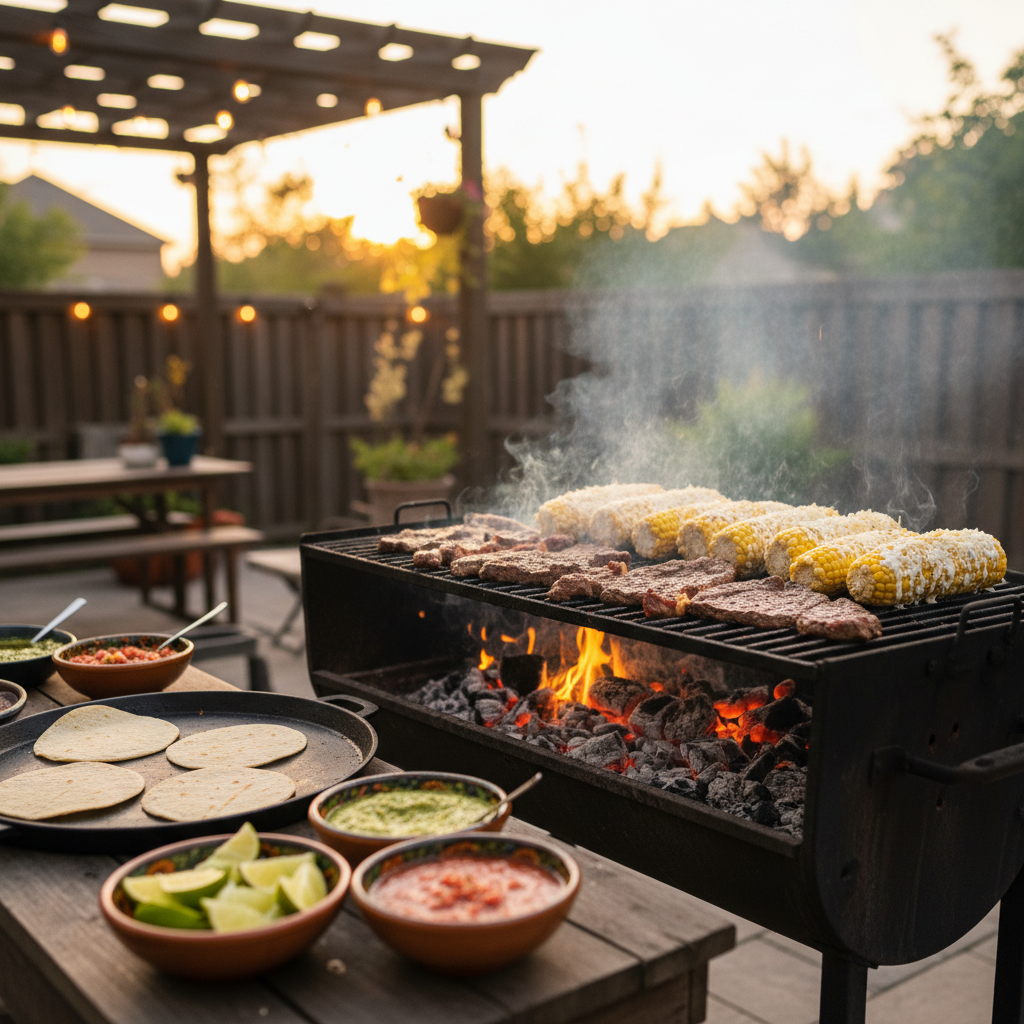
Authentic Mexican grill cooking is the art of searing marinated meats, vegetables, and tortillas over live fire to build deep, smoky flavor and crispy char. It blends regional techniques like asado and al pastor with smart heat control and food-safety temps. From our Old Toronto kitchen at 746 Queen St W, we bring those traditions to your table.
By Sam Patel, Founder — La Rio's Mexican Grill
Last updated: 2026-05-06
Overview and table of contents
Use this complete guide to master Mexican grilling at home or plan your next feast with us. You’ll learn core techniques, safe cooking temperatures, marinades, wood and charcoal choices, tools, and step-by-step methods—plus local tips for Old Toronto diners and catering planners.
This guide is built for local diners, home grillers, and event planners who love bold Mexican flavors. Skim the summary, then dive into the sections you need now.
- What authentic Mexican grilling is
- Why it matters for flavor, texture, and safety
- How live-fire cooking works (zones, smoke, char)
- Methods: asado, al pastor, barbacoa, plancha/comal
- Best practices and pro tips from our Toronto kitchen
- Tools and resources (grills, grates, comales, thermometers)
- Comparison: charcoal vs gas vs wood vs plancha
- Buying guide for ingredients and gear
- Case-style examples from La Rio’s dine-in, takeout, and catering
- FAQ for quick answers
Local considerations for Old Toronto
- Wind tunnels near Trinity Bellwoods Park can spike grill temps. Build two zones and keep a covered area ready for sudden gusts.
- Winter grilling? Preheat 10–15 minutes longer; keep tortillas warm on a comal to prevent drying in cold, dry air.
- Weekend foot traffic around Fort York National Historic Site can delay pickups; plan takeout windows with a 15-minute buffer.
What is authentic Mexican grill cooking?
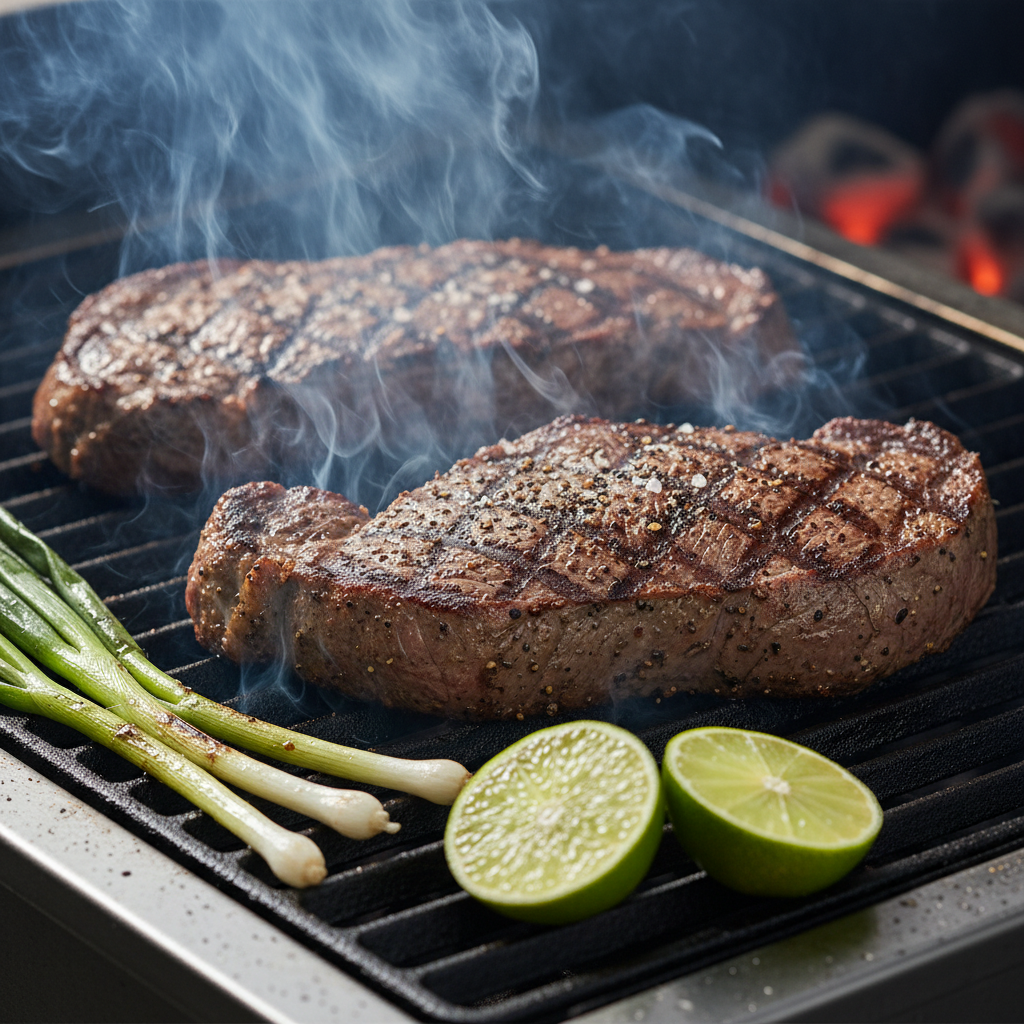
Authentic Mexican grill cooking uses live fire, smart marination, and quick searing on open grates, planchas, or comales to create smoky depth, crisp edges, and juicy centers. It emphasizes regional methods—like asado, al pastor, and barbacoa—plus careful tortilla handling for texture and aroma.
At its core, this style is about managing heat and time. You’re balancing high-heat char (for the Maillard reaction around 300–350°F on surfaces) with juicy centers at safe internal temperatures.
- Flavor drivers: Marinades with acid (lime), salt, dried chiles, and aromatics; mesquite or hardwood smoke; hot cast-iron surfaces.
- Texture goals: Crisp sear, tender bite, and tortillas warmed until pliable. Expect 2–4 minutes per tortilla on a medium-hot comal.
- Heat strategy: Two-zone fires (direct and indirect) for control, especially when cooking multiple proteins and vegetables.
We practice these principles daily at La Rio’s, from juicy chicken asado to al pastor pork, so your tacos land hot, fragrant, and balanced.
Why this style matters
Mexican live-fire cooking delivers flavor you can’t fake: smoke-kissed edges, sizzling fat, and fresh tortillas that wake up your senses. In Old Toronto’s vibrant food scene, these techniques let us serve bold, consistent meals for dine-in, takeout, and large-format catering.
Here’s why it matters for you and your guests.
- Flavor concentration: High-heat searing browns natural sugars and proteins quickly, locking in juices while building a crust.
- Speed + consistency: Two-zone fires and preheated cast iron keep cook times predictable—think 6–8 minutes for thin steak to medium.
- Food safety: Hitting safe minimum internal temperatures (e.g., 165°F for poultry) ensures reliability for families and events.
- Versatility: One grill handles carne asada, grilled corn, charred scallions, peppers, and tortillas—an entire menu in one footprint.
When we plan neighborhood events, we scale these same fundamentals to feed dozens at once while keeping every taco lively and fresh.
How Mexican grilling works
Set up direct and indirect zones, preheat grates or a plancha until shimmering, then cook marinated proteins hot and fast. Finish thicker cuts over indirect heat. Keep tortillas warming on a comal, and monitor internal temperatures with an instant-read thermometer.
Think in three parts: fire, surface, and food.
- Fire: Charcoal or hardwood for smoke; gas for control. Target 450–550°F at the grate for searing; 325–375°F indirect for finishing.
- Surface: Open grates for grill marks; cast-iron plancha for even browning; comal for tortillas and aromatics.
- Food: Pat proteins dry, oil lightly, season generously, and cook to safe temperatures (e.g., 145°F for whole-muscle pork with rest).
We batch tortillas on the comal in 3–5 piece stacks for 2 minutes per side, rotating to prevent drying while the meats rest.
Methods and regional approaches
Core Mexican grill methods include asado (direct-heat searing), al pastor (vertical spit with pineapple and chiles), barbacoa (slow, covered heat), and plancha/comal cooking for tortillas and quick browning. Each method pairs a specific heat profile with marinades and cuts for best results.
Asado (direct-heat searing)
- Best for: Thin steaks, chicken thighs, cebollitas, peppers.
- Setup: 2-zone fire; sear 2–4 minutes per side, finish indirect if needed.
- Pro tip: Rest meats 5–7 minutes to reabsorb juices before slicing across the grain.
Al pastor (spit-style)
- Best for: Marinated pork shoulder stacked with pineapple.
- Setup: Vertical spit or improvised stack; carve thin shavings to finish on a plancha.
- Pro tip: Aim for paper-thin slices; a 30–45 second kiss on a hot plancha crisps edges beautifully.
Barbacoa (covered, slow heat)
- Best for: Larger cuts like beef chuck or lamb shoulder.
- Setup: Low, steady heat (275–300°F), covered, with moisture from wrapped leaves or a pan.
- Pro tip: Shred when it hits probe-tender and internal temps around 200–205°F for beef chuck.
Plancha and comal
- Plancha: Flat cast iron for even browning; ideal for finishing sliced meats and searing veggies.
- Comal: For tortillas, aromatics, and delicate items at medium to medium-high heat.
- Pro tip: Keep tortillas in a warm stack wrapped in a clean towel; rotate every 2–3 minutes.
Best practices for juicy results
Marinate with salt and acid, cook hot and fast over direct heat, and finish thicker cuts indirect. Rest meats before slicing and warm tortillas on a comal. Aim for safe internal temps: 165°F poultry, 145°F whole-muscle pork and fish (with rest), 160°F ground beef.
Marinades that work
- Carne asada base: Lime juice, orange, garlic, dried oregano, black pepper, salt, and a neutral oil. Marinate 2–12 hours.
- Al pastor paste: Guajillo, achiote, pineapple juice, vinegar, cumin, garlic, and salt. Rest 4–12 hours for color and tang.
- Chicken asado: Lime, chipotle in adobo, garlic, onion powder, and salt. Marinate 2–8 hours.
Heat and timing cues
- Visual: Meat releases easily from grates when sear is set; deep browning equals better flavor.
- Auditory: Steady sizzle means heat is right; screaming smoke suggests burning fats—move to indirect.
- Timeframes: Thin steak 6–8 minutes total; chicken thighs 10–14 minutes; tortillas 1–2 minutes per side.
Food-safety anchors
- Chicken: 165°F in the thickest part.
- Pork (whole muscle): 145°F with a short rest.
- Ground beef: 160°F for safety.
- Fish: 145°F or opaque and flaking.
These targets help us serve confident meals for families and big groups without sacrificing juiciness.
Tools and resources
You need a reliable grill (charcoal, gas, or hybrid), heavy cast-iron (plancha + comal), long tongs, and an instant-read thermometer. Add hardwood chunks for smoke, a wire brush for clean grates, and a tortilla warmer to keep stacks soft and steamy.
- Grill type: Charcoal for smoke; gas for control; combo setups for flexibility.
- Cast iron: 3/8" plancha retains heat; a medium-weight comal is perfect for tortillas and aromatics.
- Thermometer: Instant-read model reduces guesswork and keeps food safe.
- Smallwares: Long tongs, grill brush, squeeze bottles for oil, and a spray bottle to tame flare-ups.
For inspiration beyond our kitchen, explore broader menu collections and styles that complement Mexican grilling on these curated pages: a regional Mexican & Latin overview, a focused Mexican category, and a neighborhood lens on open-flame cooking in Toronto’s grilling scene.
Comparison: charcoal, gas, wood, or plancha/comal
Choose charcoal or hardwood when you want maximum smoke; pick gas for precision and weeknight reliability. A plancha or comal delivers even browning and tortilla control. The best setups mix a smoky fuel with a flat, heat-retaining surface.
| Setup | Flavor | Heat Control | Best Uses | Notes |
|---|---|---|---|---|
| Charcoal | Strong smoke, deep char | Moderate | Asado, elote, cebollitas | Build 2 zones; add wood chunks for complexity |
| Hardwood | Complex, sweet smoke | Moderate | Long cooks, barbacoa-style | Mind ember management for steady heat |
| Gas | Clean, subtle | High | Weeknights, precise temps | Use a smoker box or wood foil pouch for aroma |
| Plancha | Even browning | High (with gas) | Thinly sliced meats, onions | Retains heat; catches flavorful fond |
| Comal | Warm, toasty tortillas | High (with gas) | Tortillas, aromatics | Rotate stacks to avoid drying |
Buying guide: ingredients and gear
Buy well-marbled beef, fresh poultry with intact skin, and flexible corn tortillas that fold without cracking. Stock dried chiles (guajillo, ancho), citrus, garlic, and kosher salt. For gear, pair a reliable grill with cast-iron and an instant-read thermometer.
Proteins
- Beef for asada: Flap, skirt, or thin sirloin with visible marbling; look for even thickness (¾–1 inch).
- Chicken: Thighs hold moisture under high heat; skin-on for crisp edges.
- Pork for pastor: Shoulder/butt with good intramuscular fat; slice thin for stacking or plancha finishing.
Tortillas and aromatics
- Corn tortillas: Should bend without cracking; keep wrapped and warm.
- Aromatics: White onion, cilantro, limes, and charred scallions; roast tomatoes and tomatillos for salsas.
Gear checklist
- Two-zone-capable grill (charcoal or gas)
- Cast-iron plancha and comal
- Instant-read thermometer
- Long tongs, grill brush, squeeze bottle, spray bottle
Step-by-step cookthroughs
Marinate, preheat, sear hot and fast, then finish indirect. Rest and slice across the grain, and serve on warmed tortillas with bright salsas. Use the timing and temperature anchors below for repeatable results at home.
Carne asada tacos
- Marinate flap steak 2–12 hours; pat dry.
- Preheat to 500°F at grates; oil lightly.
- Sear 3 minutes per side; finish to 130–135°F (medium-rare).
- Rest 5 minutes; slice thin across grain.
- Warm tortillas 1–2 minutes per side on a comal; stack and cover.
Chicken asado
- Marinate thighs 2–8 hours; season with salt.
- Sear skin-side down 4–5 minutes; flip and finish indirect.
- Cook to 165°F internal; rest 5–7 minutes.
- Chop and finish on plancha with a squeeze of lime.
Al pastor finish
- Slice thin shavings from your stack.
- Flash on a ripping-hot plancha 30–45 seconds.
- Layer with chopped onion, cilantro, and grilled pineapple.
La Rio’s examples and use cases
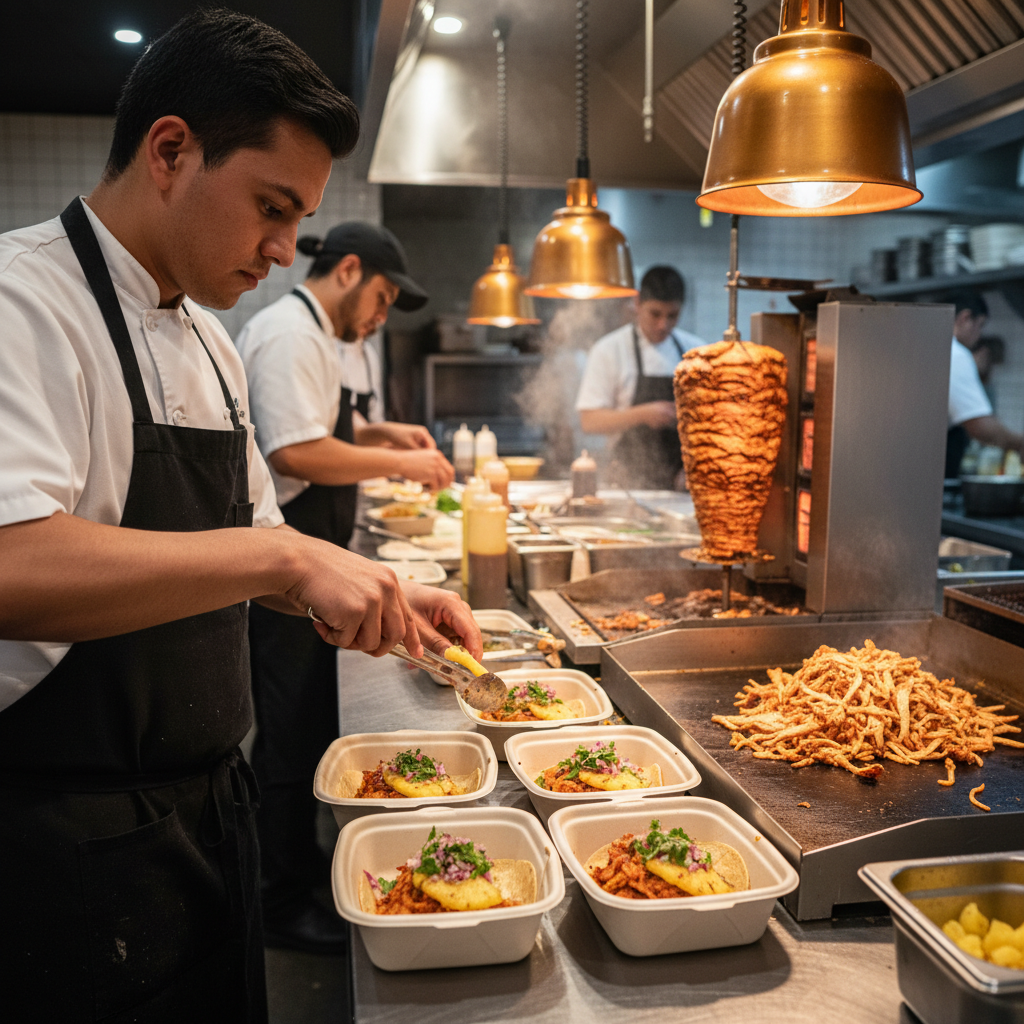
We apply these methods daily across dine-in, takeout, and catering. From quick weeknight tacos to large event spreads, the same fire control and food-safety anchors keep flavors bold and timing smooth.
Here are concrete examples you can taste or order today.
- Dine-in favorites: Our chicken asado tacos highlight citrus-chile marinade and a hot plancha finish.
- Grab-and-go: Try a hearty chicken asado burrito or classic ground beef tacos with warm tortillas.
- Melty + crisp: Our ground beef quesadilla and al pastor pork quesadilla balance browned cheese with juicy fillings.
- Catering builds: For events, see our taco bar catering and buffet-style Mexican catering to scale these flavors for groups.
Each menu item follows the same blueprint: marinate for depth, sear for texture, finish to temp, and hold tortillas just-warm—not brittle, not soggy.
Planning catering or a backyard fiesta
Success comes from menu focus, portion planning, and a tight hot-hold strategy. Choose 2–3 proteins, set up a tortilla station, and keep salsas chilled. For events in Toronto, align pickup or delivery windows with your guest flow for peak freshness.
- Menu design: Pick complementary proteins (e.g., asada + chicken + pastor) plus a veggie option.
- Hot hold: Use covered pans near 150–160°F; refresh on a plancha as guests arrive.
- Tortilla flow: Warm in stacks of 5; rotate every few minutes.
- Pickup windows: Stagger in 15-minute blocks during busy weekend rushes.
If you’d rather relax, our team can prep, pack, and set up with the same standards we use in-house—so you focus on hosting.
Taste the difference (soft invitation)
Curious how these techniques taste when pros handle the fire? Swing by for dine-in, schedule a takeout pickup, or plan a taco bar for your next gathering. We’ll bring the heat—and the tortillas.
Planning something special? Explore our taco bar catering in Toronto to mix and match proteins, salsas, and sides with flexible pickup or delivery windows.
Troubleshooting and pro tips
Dry meat, weak char, or soggy tortillas? Fix them fast: increase grate heat, pat proteins dry, and finish tortillas on a medium-hot comal. Keep an instant-read thermometer handy and cook by temperature, not guesswork.
- Dry proteins: Reduce marinade acid time; add oil and salt earlier; rest after cooking.
- No char: Preheat longer; wipe excess marinade; don’t overcrowd—leave 1 inch between pieces.
- Soggy tortillas: Warm less time and keep stacked; avoid steam traps that make them rubbery.
- Flare-ups: Move to indirect side; close the lid 30 seconds to calm flames.
We build redundancy into events: duplicate tongs and spare fuel, plus a backup plancha to recover heat fast if the weather dips.
Frequently asked questions
Get quick, direct answers to the most common questions about Mexican grilling—temperatures, timing, and technique. Each response is designed to be immediately useful for weeknight dinners or event planning.
What is the ideal temperature for searing carne asada?
Aim for about 500°F at the grate. Sear 3 minutes per side, then check internal temperature. For medium-rare, pull at 130–135°F and rest 5 minutes before slicing across the grain.
How do I keep corn tortillas soft for serving?
Warm tortillas on a medium-hot comal 1–2 minutes per side. Stack 5 at a time and wrap in a clean towel or tortilla warmer. Rotate stacks every few minutes to prevent drying or steaming.
What internal temperatures are safest for common proteins?
Use 165°F for chicken, 145°F for whole-muscle pork and fish (with a short rest), and 160°F for ground beef. An instant-read thermometer removes guesswork and keeps meals consistent.
Gas or charcoal—what should I choose for Mexican grilling?
Charcoal and hardwood add the most smoke and char, perfect for asado and elote. Gas offers speed and control for weeknights. Many cooks pair gas with a cast-iron plancha and a smoker box for the best of both worlds.
Key takeaways and next steps
Marinate thoughtfully, manage two heat zones, cook to temperature, and treat tortillas like a main ingredient. Whether you’re grilling at home or ordering from us, these anchors deliver bold, reliable results every time.
- Build a two-zone fire for control.
- Use marinades with salt, acid, and chiles.
- Hit safe internal temperatures for juicy results.
- Warm and rotate tortilla stacks on a comal.
- Plan portions and pickup windows for events.
Ready to taste the playbook in action? Visit us in Old Toronto or plan a taco bar for your next gathering.
Closing invitation
Bring authentic Mexican grill cooking to your weeknight or your next event. Dine in, order takeout, or let us set up a taco bar. We’ll handle the fire—so you can enjoy the party.
If you’re mapping out an event, our buffet-style catering and taco bar options make planning simple and delicious.