Authentic Mexican Grill Flavors: Easy Tips to Taste More (2026)
Master authentic Mexican grill flavors with practical tips for Old Toronto—balance chiles, citrus, salt, heat, and smoke for dine-in, takeout, and catering.
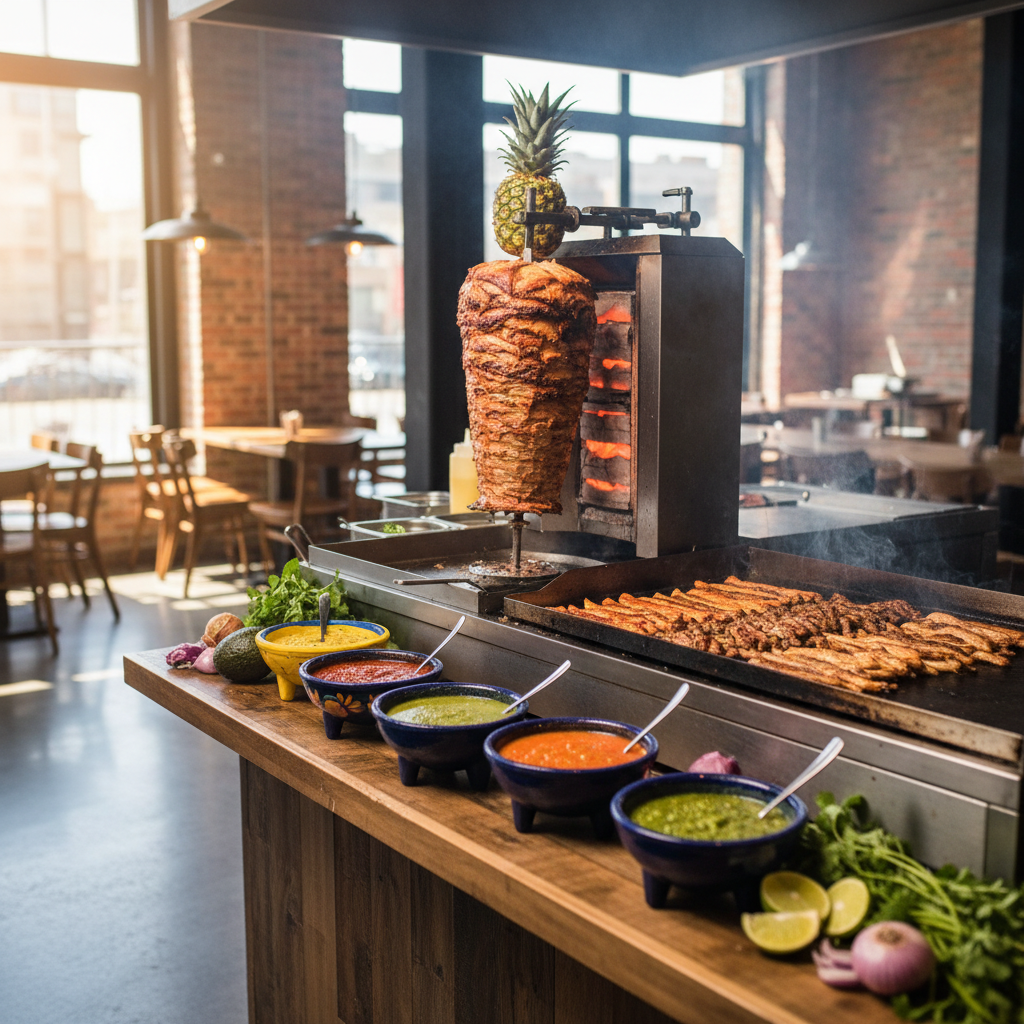
Authentic Mexican grill flavors are the balanced mix of chile-forward marinades, bright acidity, real smoke, and hard sear that unlocks deep, savory notes. At La Rio’s Mexican Grill in Old Toronto (746 Queen St W), we apply these principles daily for dine-in, takeout, and catering so every bite tastes bold, fresh, and unmistakably Mexican.
By Sam Patel • Founder, La Rio’s Mexican Grill
Last updated: May 6, 2026
Quick summary
This guide explains how authentic Mexican grill flavors come from four levers—heat, smoke, acid, and salt—plus fresh herbs and chiles. You’ll learn core techniques, marinade ratios, chile heat ranges, and a practical cheat sheet for proteins. We also show how La Rio’s applies these methods for dine-in, takeout, and catering.
Use this section to preview what you’ll get and how to use it fast.
- Flavor framework: heat, smoke, acid, salt, and fresh elements.
- Practical ratios: marinade timing, salting, citrus, and oil balances.
- Protein cheat sheet: sear cues, grill temps, and resting windows.
- Chile map: jalapeño to habanero with typical Scoville ranges.
- Local tips tailored to Old Toronto gatherings and weather.
What are authentic Mexican grill flavors?
Authentic Mexican grill flavors are the results of chile-based marinades, real-fire heat, tangy citrus, and a Maillard-driven sear that concentrates savory depth. They rely on fresh ingredients—cilantro, onion, lime—plus smoky notes from hardwood or gas-grill hotspots to create vivid, balanced bites across meats and vegetables.
Here’s the core idea: great flavor comes from contrast and balance. Fat carries flavor, acid brightens, salt amplifies, heat browns, and herbs/chiles provide character. When each lever is dialed in, you taste a clean, layered profile instead of one-note spice.
- Chiles and aromatics: jalapeño, serrano, guajillo, ancho, garlic, onion, cilantro.
- Acid: lime, orange, pineapple, or tomatillo give lift and tenderizing power.
- Salt: typically 1.5%–2.0% of meat weight for seasoning and moisture retention.
- Heat: direct high heat for sear; indirect zones to finish without burning.
- Smoke: hardwood chunks or a smoking tube on gas grills for subtle aromatics.
At La Rio’s, you’ll notice that bright-lime finish on our tacos and the deep crust on our asado. That combo is what makes a second bite irresistible.
Why authentic flavor matters in Old Toronto
In Old Toronto, diners want big flavor with consistency, whether grabbing takeout before Trinity Bellwoods Park or hosting a team lunch. Balanced grill techniques ensure tender meat, vivid salsas, and reliable reheating—essential for dine-in service, quick pickups, and catering across the Toronto core.
Neighborhood rhythms shape how we cook and serve. Commuter rushes need fast, consistent tacos. Weekend crowds want shareable fajita spreads. Catering must travel well and reheat cleanly without turning dry or dull.
- Consistency: precise marinades and finishing temps keep texture tender.
- Speed: pre-warmed tortillas and hot-hold pans support on-time takeout.
- Travel-worthiness: emulsified salsas and tight packaging protect freshness.
Local considerations for Old Toronto
- Plan picnics near Trinity Bellwoods Park with tacos that hold heat 20–30 minutes; choose proteins that stay juicy, like pollo asado or al pastor.
- Toronto winters favor heartier marinades (guajillo/ancho) and insulated carriers; summer events near STACKT market may need extra citrus for brightness.
- For office catering, stagger tortilla warming in 10-minute cycles to keep a constant fresh stack without sogging.
How authentic grill flavor works: heat, smoke, acid, salt
Authentic flavor forms when salt penetrates, acid tenderizes, fat carries aromatics, and high heat triggers the Maillard reaction. Smoke adds complexity. Time each step—marinate, sear, finish, rest—so juices redistribute. The result is concentrated savoriness that still tastes fresh and bright.
Think of this as a repeatable system. Each lever has a job and a measurable range, so you can dial it in at home or for an event.
- Salt (1.5%–2.0% by weight): seasons early; supports moisture retention.
- Acid (1–2 tbsp per lb): lime, orange, or pineapple; limit soak on fish/seafood (15–30 min).
- Fat (1–2 tbsp per lb): oil helps carry fat-soluble flavors and promotes browning.
- Heat: sear around 500–600°F surface temp; finish in a cooler zone to target doneness.
- Rest: 5–10 minutes for small cuts; 10–15 minutes for larger to stabilize juices.
We prefer two-zone grilling for control. Sear first for crust, then finish over indirect heat. That’s how we keep carne asada tender while ensuring a flavorful crust that won’t taste burnt.
Types and methods: classic proteins and vegetables
Core Mexican grill methods include al pastor, carne asada, pollo asado, fajitas, and charred vegetables. Each uses a distinct chile-acid balance and specific sear/finish approach. Match cut and marinade to heat level and finish temperature for consistent texture and bold, clean flavors.
Below are the styles most diners ask about—and how we approach them for dine-in, takeout, and catering.
Al pastor (achiote + pineapple)
- Signature profile: achiote’s earthiness, pineapple’s tang, warm spices.
- Typical chile base: guajillo + ancho for color and gentle heat.
- Marinade window: 4–12 hours for sliced pork; keep layers thin for even cooking.
- Service tip: finish with chopped onion, cilantro, lime; a touch of grilled pineapple brightens the final bite.
Want to taste the real thing? Our al pastor pork tacos highlight that sweet-smoky balance, and the al pastor quesadilla concentrates the caramelized edges in molten cheese.
Carne asada (citrus + serrano)
- Signature profile: bright lime/orange, garlic, cilantro, serrano freshness.
- Cuts we love: flank or skirt for fast sear and deep beefiness.
- Marinade window: 1–4 hours; longer can dull brightness or oversoften texture.
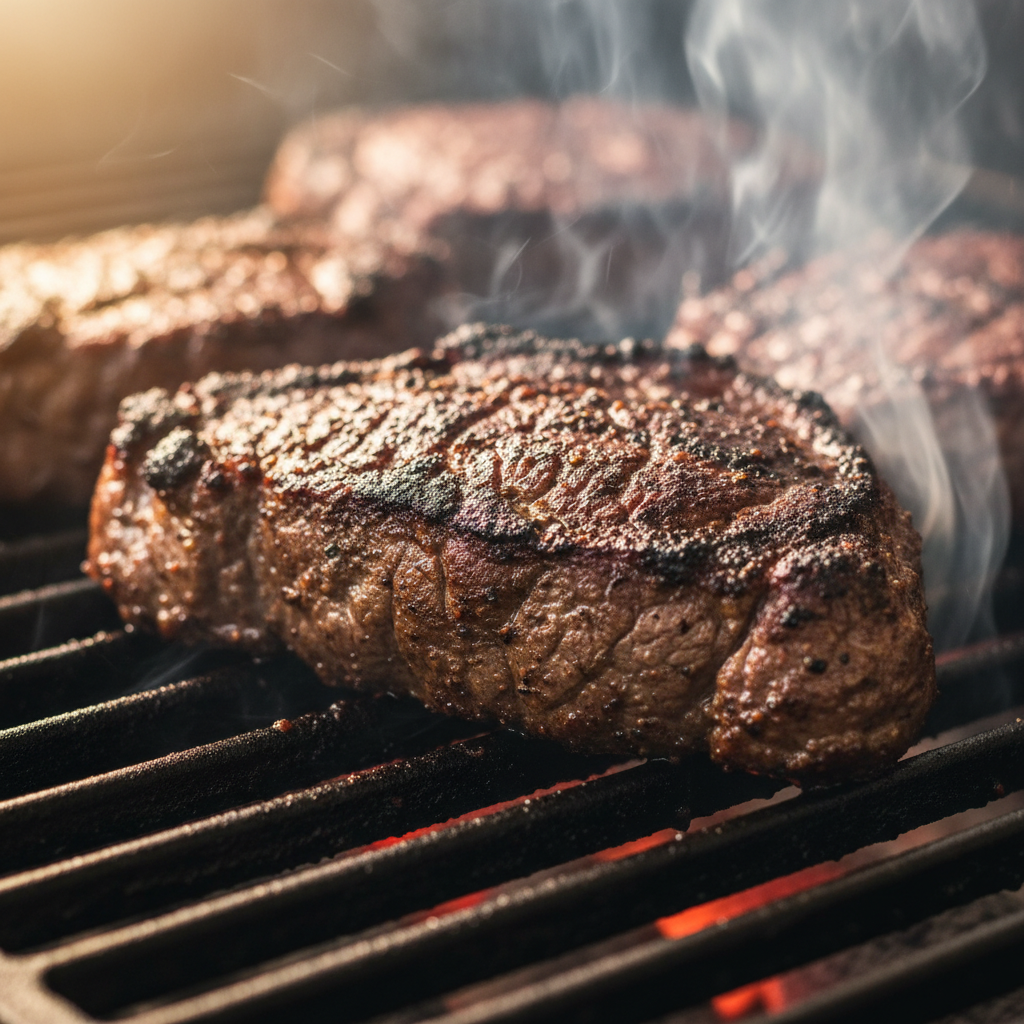
- Sear cue: mahogany crust with visible grill marks in 60–120 seconds per side, then finish off-heat.
At La Rio’s, we chase that crisp edge without drying the center. You’ll taste it in our beef quesadilla and the way the juices run when you fold into a hot tortilla.
Pollo asado (garlic + citrus)
- Signature profile: garlic, lime, orange, cumin, and mild chile warmth.
- Cuts: boneless thighs for juiciness; butterfly breasts to even thickness.
- Marinade window: 2–12 hours; aim for 2% salt in the marinade for balanced seasoning.
- Finish temp: cook through while preserving moisture; rest 5–10 minutes.
For an everyday hit, try our chicken asado tacos. The marinade pulls double-duty—tenderizing and flavoring—so the meat stays juicy even in takeout boxes.
Fajitas (cast iron sizzle)
- Signature profile: high-heat sear on peppers and onions for sweet char.
- Protein choices: steak and chicken; marinate separately to avoid cross-flavors.
- Cook order: sear vegetables hard first, then proteins to desired doneness.
- Hold strategy: cast iron retains heat; line pans to reduce steam sog.
Vegetables and seafood
- Vegetables: corn, scallions, zucchini, and bell peppers pick up smoke fast; brush with oil and salt only.
- Seafood: quick marinade (15–30 minutes) with lime and chile; grill hot for quick color, finish just opaque.
Best practices for consistent, vivid flavor
For repeatable flavor, salt by weight, limit acid time on delicate cuts, sear fast in a hot zone, and finish gently. Rest proteins before slicing, and finish with lime, onion, and cilantro. Package smartly for travel and warm tortillas in small, rotating batches.
These techniques keep flavors bright, textures tender, and service on time—at home or for a 50-person lunch.
- Salt precisely: aim for 1.5%–2.0% of meat weight; pre-salt 30–60 minutes.
- Balance acid: 1–2 tablespoons citrus per pound; avoid mushy textures.
- Zone the grill: one scorching-hot area for sear; one cooler zone to finish.
- Rest: small cuts 5–10 minutes; larger 10–15 so juices redistribute.
- Finish fresh: always add lime, onion, and cilantro right before serving.
- Warm tortillas smartly: rotate in 10–15 piece stacks so they stay pliable.
- Travel packaging: vented lids for fajita veg; foil then paper for tacos to prevent steam-sog.
Crave the result instead of the recipe? Our team builds trays that hit these marks for offices and events—see our buffet-style Mexican catering to plan portions and proteins.
Tools and resources to nail the details
Use a reliable instant-read thermometer, sturdy tongs, a cast iron pan for fajitas, and hardwood chunks for smoke. Create two heat zones on any grill. Keep a prep scale for precise salting and a timer to manage marination, sear, and resting windows.
Great tools enforce consistency. Even modest gear works when you control zones, timing, and seasoning.
- Thermometer: track doneness without guesswork; check in the thickest spot.
- Cast iron: for vegetables and fajitas; retains heat and sears evenly.
- Wood smoke: add a chunk or a smoker tube to gas grills for gentle aromatics.
- Scale + timer: measure 1.5%–2.0% salt and time sears (60–120 seconds per side).
- Grill basics: understand direct vs. indirect heat and airflow.
Curious about broader grill trends and setups? Browse this industry-focused grills marketplace insight for a sense of how home and commercial buyers think about equipment and accessories.
Process cheat sheets: temps, timing, and chile heat
Keep a simple matrix for proteins and chiles. Time marinades by cut, sear quickly, finish gently, rest, then slice across the grain. Map chile heat so you can tune salsas and rubs. These compact references prevent over-marinating, burnt exteriors, and under-seasoned centers.
Protein grilling cheat sheet
| Protein | Marinade (hrs) | Sear (per side) | Finish approach | Rest (min) |
|---|---|---|---|---|
| Carne asada (flank/skirt) | 1–4 | 60–120 sec | Indirect to target doneness | 5–10 |
| Pollo asado (boneless thigh) | 2–12 | 90–150 sec | Indirect until juices run clear | 5–10 |
| Al pastor (sliced pork) | 4–12 | 60–90 sec | Thin layers; rotate frequently | 5–10 |
| Shrimp | 0.25–0.5 | 30–60 sec | Pull just opaque | 2–3 |
Chile heat guide (typical Scoville ranges)
| Chile | Approx. SHU | Flavor notes | Use cases |
|---|---|---|---|
| Jalapeño | 2,500–8,000 | Green, grassy, medium heat | Salsas, marinades, toppings |
| Serrano | 10,000–23,000 | Bright, sharper than jalapeño | Fresh salsas, quick sauces |
| Guajillo (dried) | 2,500–5,000 | Sweet, berry-like, red color | Adobos, al pastor base |
| Ancho (dried poblano) | 1,000–2,000 | Raisin, chocolatey, mild | Adobos, sauces, stews |
| Habanero | 100,000–350,000 | Tropical, floral, very hot | Small-dose salsas, oils |
For a quick pepper primer, skim this simple jalapeño pepper basics page—handy when you’re deciding how much heat to add to a marinade or salsa.
How La Rio’s applies this for dine-in, takeout, and catering
We build flavor in layers: precise marination, blistering sear, gentle finishing, and fresh toppings added at the last second. For travel, we separate hot and cold components and protect tortillas from steam. The result: tacos and fajita spreads that hold up at home, in the park, or at the office.
In our experience, consistency wins. Here’s how we operationalize it on Queen Street West for busy lunch rushes and weekend gatherings.
- Layered prep: marinades mixed to ratio by weight; vegetables cut for fast sear.
- Two-zone grills: sear first, finish off-heat to avoid burnt exteriors.
- Assembly discipline: protein first, then onion/cilantro, then lime just before serving.
- Travel packaging: vented trays for fajita veg; tortillas wrapped to stay pliable.
Real examples:
- Team lunch in Old Toronto: fajita bars with labeled proteins and mild/medium/hot salsas; tortillas warmed in waves.
- Park picnic: tacos wrapped to hold 20–30 minutes; cilantro, onion, and limes packed separately for snap.
- Game night takeout: quesadillas sealed to preserve crust; salsa packed vented to prevent condensation.
Exploring options? Our enchiladas deliver cozy, chile-forward comfort, while our ground beef tacos scratch that classic, savory itch.
For home cooks and hosts: step-by-step playbook
Start with a chile-lime marinade, salt by weight, and sear fast over high heat. Finish gently in a cooler zone, rest, then slice across the grain. Warm tortillas in small stacks and finish with onion, cilantro, and lime. This simple loop delivers restaurant-level results.
- Mix a base marinade: 2 tbsp lime/orange juice + 1 tbsp oil + 1 tsp minced garlic + 1 tsp minced chile per lb; 1.5%–2.0% salt by weight.
- Marinate by cut: beef 1–4 hrs; chicken 2–12 hrs; seafood 15–30 min.
- Heat the grill: build a direct sear zone and a cooler zone.
- Sear then finish: 60–120 sec per side to crust; finish off-heat.
- Rest and slice: rest 5–10 min; slice across grain for tenderness.
- Assemble: hot tortilla + protein + onion + cilantro + lime. Add salsa to taste.
Hosting a crowd and prefer turnkey? We’ll cook, pack, and schedule drop-off. See our buffet-style Mexican catering for formats that fit office, studio, and outdoor events across Toronto.
Menu inspirations at La Rio’s
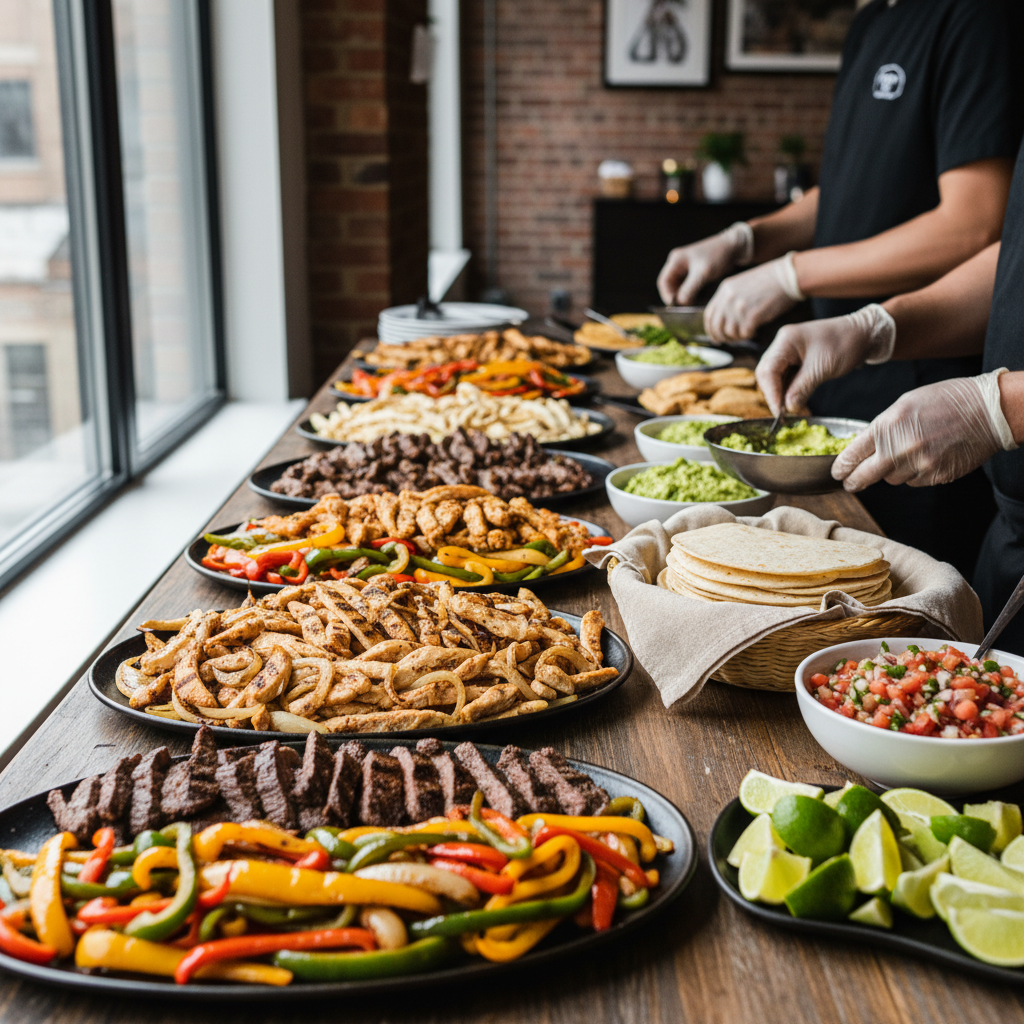
If you’re exploring, start with al pastor for sweet-smoky balance, pollo asado for juicy citrus-garlic notes, and carne asada for bold beefiness. Round it out with fajita vegetables and a queso-forward quesadilla. These cover mild to medium heat with crowd-pleasing range.
Not sure what to pick? Aim for a spread that mixes textures and heats.
- Al pastor pork tacos: sweet-smoky, bright finish.
- Chicken asado tacos: juicy citrus-garlic.
- Ground beef quesadilla: melty, crisp edges.
- Fajita-style vegetables: bell peppers and onions seared hot, served sizzling.
Want a broader sense of Mexican menu patterns in the city? Skim this Mexican category overview for cross-restaurant staples—helpful when planning for mixed tastes.
FAQ: authentic Mexican grill flavors
Authentic Mexican grill flavor comes from balance—marinades with chiles and citrus, hard sear, and fresh toppings. Keep salt precise, limit acid time on delicate cuts, sear hot, and rest before slicing. For takeout and catering, separate hot and cold components so textures stay crisp and bright.
What’s the simplest marinade that still tastes authentic?
Combine lime juice, a little orange, minced garlic, chopped jalapeño, cilantro stems, a splash of oil, and 1.5%–2.0% salt by meat weight. Marinate beef 1–4 hours, chicken 2–12 hours, and seafood 15–30 minutes. Sear hot, finish gently, rest, then slice across the grain.
How do I keep tacos from steaming and getting soggy during takeout?
Wrap proteins and tortillas separately, vent vegetables, and pack salsas on the side. Keep tortilla stacks small and rotate warming. Assemble just before eating—protein, onion, cilantro, then a squeeze of lime—to preserve texture and aroma.
Which chiles should I use if my group prefers mild heat?
Use ancho and guajillo for rich color and gentle warmth. Add a small amount of jalapeño for freshness, then balance with lime. Offer a serrano or habanero salsa on the side so heat-seekers can dial it up without overwhelming the base dish.
What’s the best way to reheat fajitas without drying them out?
Reheat in a hot skillet for 1–2 minutes to revive the sear and drive off moisture. Keep vegetables and proteins separate until hot, then combine and serve immediately. Warm tortillas last and assemble right before eating.
Key takeaways
Dial in salt, acid, heat, and rest to capture authentic Mexican grill flavors. Sear fast and finish gently. Choose chiles for flavor first, heat second. For travel, keep components separate and tortillas rotating warm. These simple rules deliver bright, bold results every time.
- Balance chiles, citrus, salt, and heat for clean, deep flavor.
- Two-zone grilling prevents burnt outsides and underdone centers.
- Resting unlocks juiciness; slicing across the grain preserves texture.
- Separate hot and cold for takeout and catering that travels well.
Conclusion
Authentic Mexican grill flavor is a system: precise seasoning, bright citrus, fast sear, gentle finish, and fresh garnishes. Master those steps and you’ll taste more from every bite—whether you’re grilling at home, grabbing takeout, or feeding a crowd in Old Toronto.
Ready to taste the framework in action? Swing by 746 Queen St W for dine-in, grab a hot takeout stack, or book a fajita bar drop-off anywhere in Toronto. We’ll bring the sear, the smoke, and the lime.
Planning an event? Tell us your headcount and heat preference. We’ll recommend proteins, salsas, and a tortilla warming plan that keeps every bite fresh. Explore buffet-style Mexican catering to get started.