
Carnitas Preparation Techniques: Make Tender Pork at Home
Master carnitas preparation techniques with step-by-step methods, pro crisping tips, and food-safety guidance for tender, crispy pork at home.
Published
Read time
18 min read
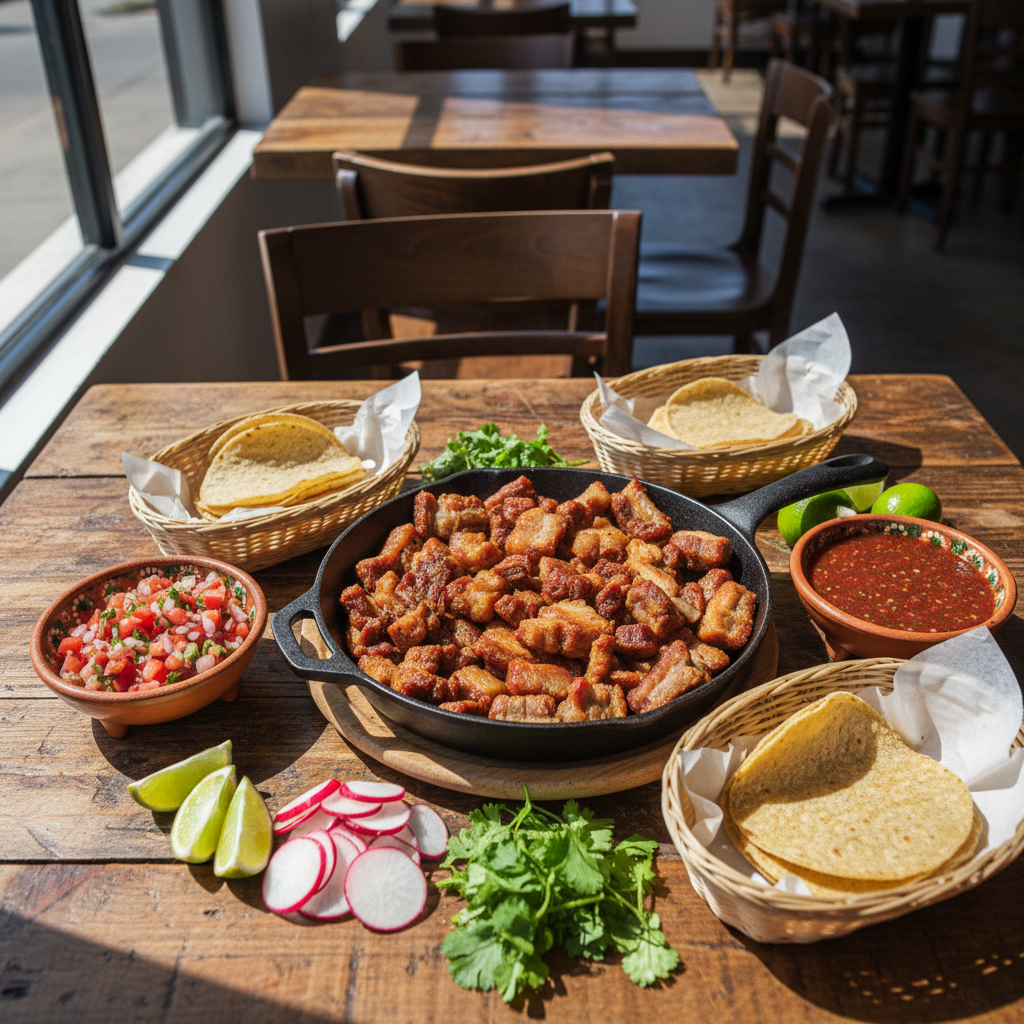
Craving deeply savory, citrusy, pull-apart pork that crackles at the edges? This complete, step-by-step guide to carnitas preparation techniques shows you exactly how to make restaurant-quality results at home. At La Rio’s Mexican Grill, we serve guests who love Mexican cuisine and grilled specialties, and we’re sharing the same fundamentals our team uses so your weeknight tacos and weekend taco bars turn out tender, juicy, and irresistibly crispy.
At a Glance
- What you’ll learn: The core science and steps behind authentic carnitas, plus four reliable home methods.
- Why it matters: Mastering carnitas preparation techniques means consistent tenderness and crisp edges—without guesswork.
- Who this helps: Home cooks, families, and hosts planning casual dinners, game-day spreads, or catering-style taco bars.
- Time & effort: 30–45 minutes active; 60 minutes to 10 hours total depending on method.
- Results: Spoon-tender shreds with golden, crackly bits—perfect for tacos, bowls, and nachos.
Overview (Table of Contents)
- What Is Carnitas?
- Why Carnitas Matter for Home Cooks
- How the Process Works
- Methods Compared
- Step-by-Step: Stovetop Confit
- Step-by-Step: Oven Braise
- Step-by-Step: Pressure Cooker
- Step-by-Step: Slow Cooker
- Flavor Builders
- Texture Science
- Toppings and Sides
- Make-Ahead & Reheating
- Food Safety Basics
- Tools & Pantry
- Pro Workflow
- Case Examples
- Common Mistakes
- Printable Checklist
- FAQ
- Key Takeaways
- Next Steps
Quick Answer
For the most reliable carnitas preparation techniques, season and cook pork shoulder low and slow (braise or confit) until shreddable, then crisp hot and fast in its own fat. In our Canadian community, La Rio’s Mexican Grill shares practical tips from our dine-in, takeout, and catering experience so you can serve juicy, crispy carnitas at home.
Local Tips
- Tip 1: Planning taco night around local school events or community games? Cook the pork a day ahead, then rewarm and crisp when you get home.
- Tip 2: In colder Canadian months, use a Dutch oven for steady heat and keep tortillas wrapped near the oven for easy service.
- Tip 3: Hosting a neighborhood potluck? Set a compact taco bar with two salsas and citrus wedges—this mirrors our casual dining and catering flow so lines move quickly.
Note: These tips align with La Rio’s core services—dine-in, takeout, and catering—so you can adapt the same service rhythm at home.
What Is Carnitas?
Carnitas—literally “little meats”—are rich, tender pork shoulder cooked gently (traditionally in fat like a confit) until shreddable, then finished with high heat for crispy, caramelized edges. The magic is texture contrast: juicy interior strands plus shatteringly crisp bits.
- Flavor profile: Savory pork depth, orange brightness, bay and garlic roundness, and toasty Maillard browning from the final sear.
- Cut choice: Pork shoulder (Boston butt) shines thanks to collagen that turns into silky gelatin.
- Serving ideas: Tacos, burrito bowls, quesadillas, nachos, breakfast plates, or family-style platters with warm tortillas and fresh salsas.
- Menu inspiration: If you like marinated pork flavors, you’ll probably enjoy our house-style takes like al pastor pork tacos or the hearty al pastor pork burrito for a similar vibrant profile.
Here’s the thing most people miss: great carnitas happen in two distinct stages—first tenderize, then crisp. Keeping those steps separate is your path to consistent, restaurant-level results.
Why Carnitas Matter for Home Cooks (and Hosts)
Done right, carnitas are weeknight-friendly and event-proof. They scale easily, reheat beautifully, and please a crowd.
- Scalable protein: One batch fuels a full taco bar without complicated timing.
- Flexible flavors: Keep it classic with orange and bay or customize with chiles, cinnamon, or Mexican oregano.
- Make-ahead smart: Cook in advance and crisp portions just before serving for peak texture.
- Guest-friendly: Offer corn tortillas for gluten-free diners and simple sides (beans, rice) for balance.
- Catering flow at home: Base protein plus modular toppings mirrors how we speed service for dine-in and catering.
Carnitas Preparation Techniques: How the Process Works
Every method follows the same backbone. Learn the pattern first, then plug in your gear.
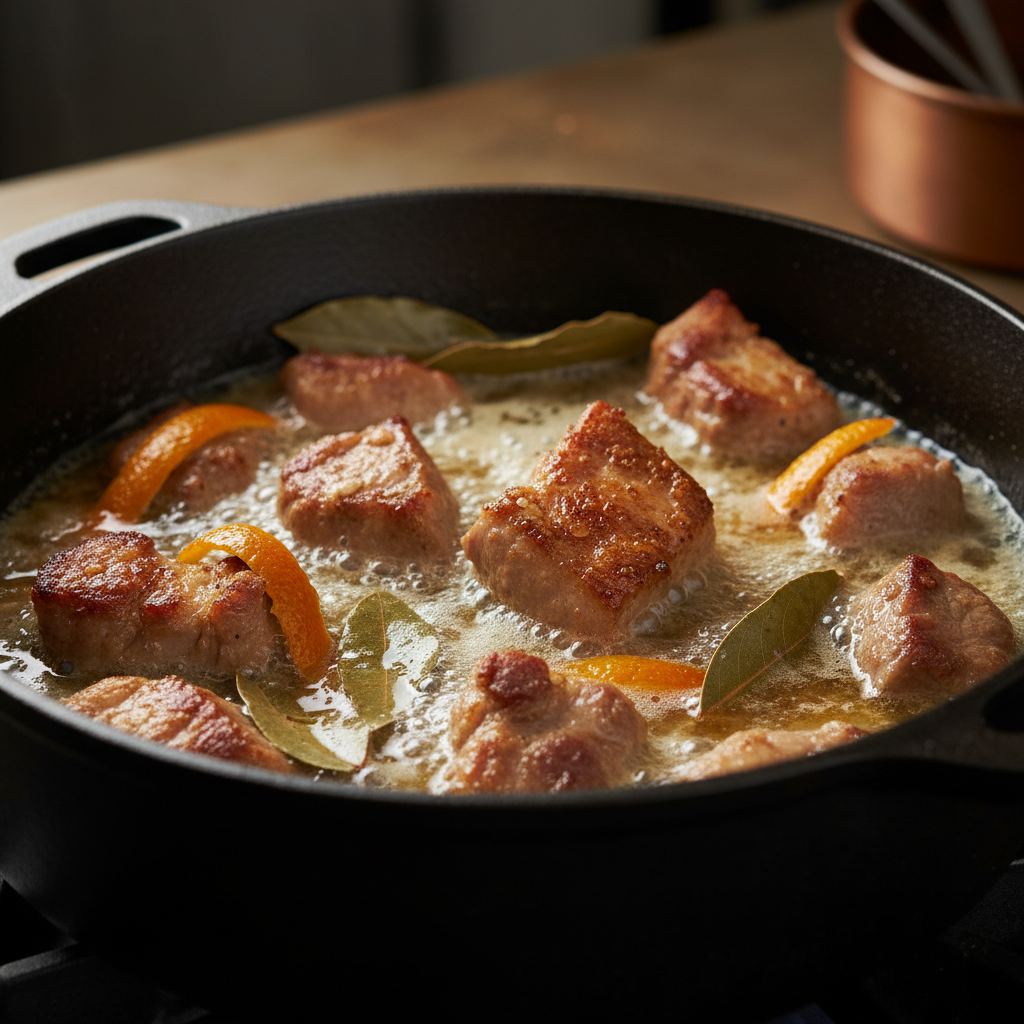
- Prep & season: Cut shoulder into 2–3 inch chunks. Salt early (about 1–2 teaspoons per pound). Add garlic, cumin, Mexican oregano, bay leaf, and orange peel/juice.
- Cook low and slow: Use a gentle environment—fat (confit), a covered braise, a slow cooker, or a pressure cooker.
- Shred & moisten: Remove aromatics, shred to bite-size, and moisten with separated juices and a bit of fat.
- Crisp hot & fast: Sear in a cast-iron skillet, under a broiler, or on a griddle/plancha. Don’t crowd the pan.
That’s the whole playbook: tenderness first, texture second. Skip the sear and you’ll miss the signature crispy finish.
Methods Compared (Pick What Fits Your Kitchen)
| Method | Hands-on | Total Time | Moisture | Crisping Ease | Best For |
|---|---|---|---|---|---|
| Stovetop confit | Medium | 2.5–3.5 hr | High (fat-based) | Excellent | Flavor purists; tight temp control |
| Oven braise (Dutch oven) | Low | 3–4 hr | High (covered) | Great | Set-it-and-forget-it weekends |
| Pressure cooker (Instant Pot) | Low | 60–90 min | High | Great | Weeknights; fast prep |
| Slow cooker | Very low | 6–10 hr | High | Good | Overnight cooks; potlucks |
| Oven sheet-pan finish | Low | 10–15 min | N/A | Excellent | Crisping large batches |
Step-by-Step: Stovetop Confit (Classic)
This method develops deep, clean pork flavor with ultra-crispy edges.
- Season & rest (30–60 min): Salt chunks; add cumin, oregano, smashed garlic, bay leaf, and orange peel. Rest to kick-start diffusion.
- Arrange & cover: Nestle meat tightly in a heavy pot; add just enough lard or neutral oil to barely cover.
- Gentle simmer: Hold 200–205°F—no boiling. Cook 2.5–3.5 hours until fork-tender.
- Separate & shred: Lift meat, strain and reserve fat, then shred into bite-size pieces.
- Crisp to order: Heat cast iron; add a spoon of reserved fat; sear portions undisturbed until browned, then toss once.
- Finish: Taste for salt; brighten with orange or lime and fresh cilantro.
Step-by-Step: Oven Braise (Dutch Oven)
Forgiving and perfect for multitasking on weekends.
- Preheat: 300°F with rack in lower-middle.
- Layer flavors: Pork chunks, garlic, orange juice/peel, cumin, oregano, bay. Add 1–1.5 cups broth or water (about 1/3 up the meat).
- Braise covered: 3–4 hours until shreddable (195–205°F internal for easy pulling).
- Reduce juices: Skim fat; boil braising liquid to a syrupy glaze. Toss into shredded pork.
- Sheet-pan crisp: Spread on a rimmed sheet; broil 5–8 minutes, stirring once, until sizzling and browned.
Step-by-Step: Pressure Cooker (Instant Pot)
Fast, consistent, and weeknight-friendly.
- Build base: Pork, 1 cup orange juice + 1/2 cup water, garlic, cumin, oregano, bay leaf, and orange peel.
- Cook: High pressure 45–55 minutes; natural release 15 minutes.
- Shred & enrich: Separate fat from juices; moisten shredded pork with both.
- Crisp: Finish in a hot skillet or under the broiler for 5–8 minutes.
Step-by-Step: Slow Cooker (Overnight)
Zero babysitting and ideal for gatherings.
- Load & season: Pork, aromatics, and minimal liquid (1/2–1 cup) to avoid a watery finish.
- Cook: Low 8–10 hours or High 5–6 until fork-tender.
- Finish: Shred; reduce some cooking liquid in a pan to concentrate; crisp on a sheet pan just before serving.
Flavor Builders (Small Moves, Big Payoff)
- Orange two ways: Peel in the pot for aromatic oils; fresh juice at the end for brightness.
- Spice balance: Cumin and Mexican oregano as base; bay for roundness; a pinch of cinnamon or clove for depth.
- Salt smart: Early salting seasons the interior; adjust lightly after crisping.
- Fat is flavor: Reuse some rendered fat for the sear—instant flavor boost.
- Crisp-to-order: Brown only what you’ll serve immediately; keep the rest moist.
Texture Science (Why These Techniques Work)
- Collagen to gelatin: Long, gentle heat converts collagen, turning tough fibers tender and juicy.
- Moisture management: Toss shredded pork with reduced juices before crisping to prevent dryness.
- Maillard browning: Dry surfaces brown faster. Pat meat lightly; don’t crowd your pan.
- Thermal buffer: Cooking in liquid or fat stabilizes heat and protects juiciness.
Toppings and Sides That Love Carnitas
- Essentials: Warm corn tortillas, chopped white onion, cilantro, lime wedges.
- Fresh salsas: Salsa verde, pico de gallo, roasted tomato salsa.
- Extras: Pickled red onions, radishes, queso fresco, avocado, crema.
- Sides: Charro beans, rice, esquites (street corn salad), citrus-dressed greens.
- Menu crossover: Love bold pork flavors? Explore our al pastor pork quesadilla or the hearty al pastor burrito bowl for inspiration.
Make-Ahead, Holding, and Reheating
- Cook-ahead plan: Prepare up to 3 days in advance. Store shredded meat with a little fat and concentrated juices.
- Reheat gently: Covered in a skillet or a 300°F oven until hot; then crisp portions right before serving.
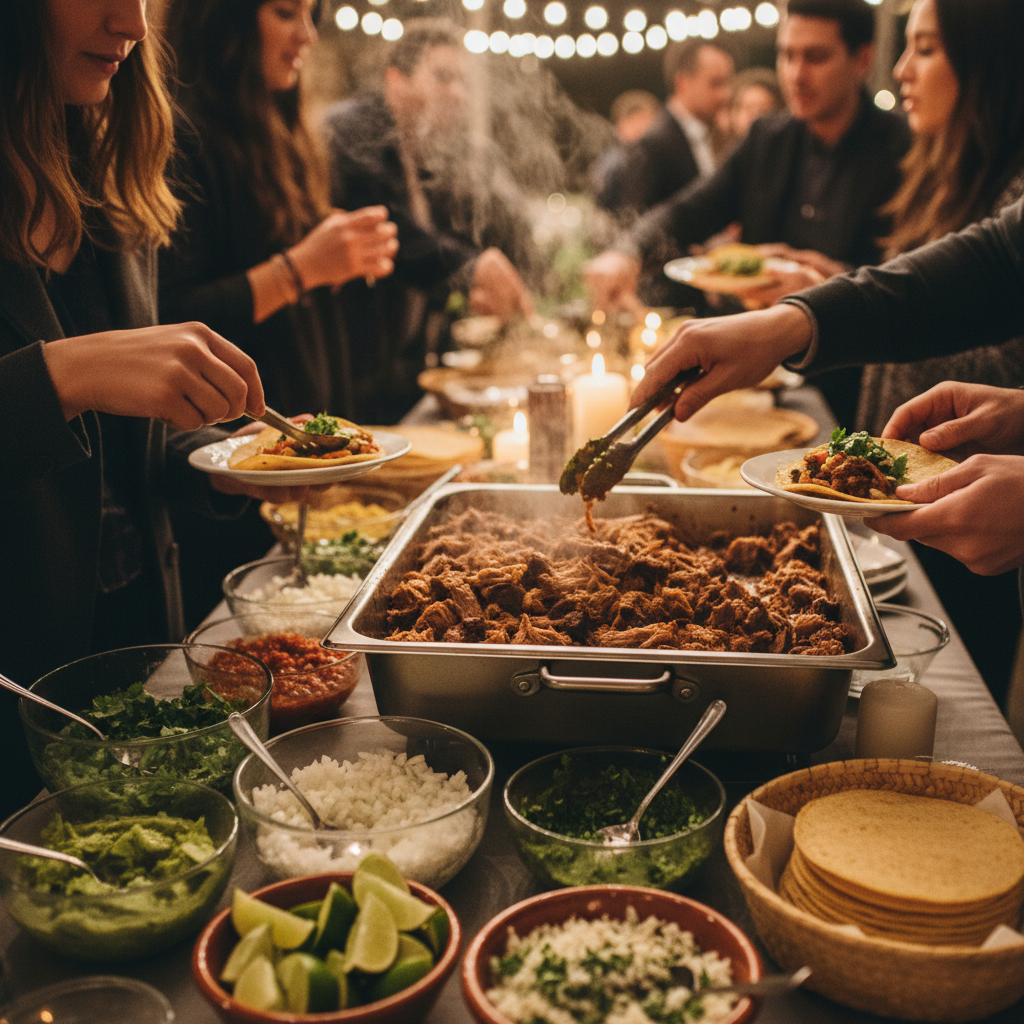
- Holding for guests: Keep moist in a low oven or warming unit; crisp batches as people arrive.
- Freezer tip: Portion in freezer bags with a splash of cooking liquid; thaw overnight in the fridge before crisping.
Food Safety Basics
- Cook thoroughly: For shreddable pork shoulder, aim for 195–205°F internal in the thickest pieces before pulling.
- Cool quickly: Divide into shallow containers and chill within 2 hours.
- Reheat to steaming: Heat leftovers thoroughly until hot throughout.
- Prevent cross-contamination: Keep raw pork separate; sanitize boards, knives, and tongs.
Tools and Pantry: What You Really Need
- Heavy pot: Dutch oven or thick-walled saucepan for steady, gentle heat.
- Sheet pan + broiler: Fast, even crisping for batches.
- Cast-iron skillet: Direct contact browning for extra-crispy edges.
- Thermometer: Confirms doneness so you don’t overcook.
- Strainer + separator: Clarify juices and keep flavors clean.
Pro Workflow: How Restaurants Keep Texture Perfect
- Two-stage production: Tenderize earlier; hold moist; crisp to order for crunch and aroma at the pass.
- High-heat surfaces: Griddle/plancha or broiler for fast browning with minimal moisture loss.
- Portion control: Consistent scoop sizes reheat evenly—this mirrors our catering rhythm.
- Simple topping set: Onion, cilantro, and lime keep lines moving without decision fatigue.
Case Examples (Home and Gathering Scenarios)
- Weeknight tacos: Use the Instant Pot, then broil to finish. Pair with salsa verde and quick-pickled onions.
- Game-day spread: Slow cooker overnight; sheet-pan crisp in waves as friends roll in.
- Backyard get-together: Oven braise earlier; finish on a hot griddle outside for an interactive station.
- Kid-friendly dinner: Keep toppings simple—cheese, mild salsa, avocado—and offer a side of rice and beans. If your crew likes seasoned ground beef, our ground beef tacos hit a similar comfort note.
Common Mistakes (And How to Fix Them)
- Boiling instead of simmering: Toughens meat. Keep heat gentle (around 200–205°F).
- Skipping reduction: Watery flavor. Reduce juices to a glaze before mixing.
- Crowding during crisping: Steams instead of browns. Use two pans or work in batches.
- Seasoning only at the end: Salt early for depth; finish lightly after crisping.
- Over-shredding: Pulverized meat dries quickly. Keep a mix of chunks and strands.
Step-by-Step Checklist (Printable)
- Cut and season pork shoulder; rest 30–60 minutes.
- Cook low and slow until fork-tender.
- Shred; reduce and reincorporate juices.
- Crisp portions hot and fast right before serving.
- Serve with simple toppings; adjust salt and citrus.
FAQs
How do I keep carnitas from drying out when I crisp them?
Toss shredded pork with a little reserved fat and reduced juices first. Spread in a single layer and use high heat briefly—just until edges brown. Don’t stir constantly.
What cut of pork works best?
Pork shoulder (Boston butt) is ideal because collagen melts into gelatin under low heat, keeping the meat juicy and shreddable.
Can I make carnitas without lard?
Yes. Braise with orange juice, garlic, and spices. Add a spoon of neutral oil when crisping to help browning.
What’s the fastest method for a weeknight?
Pressure cook for 45–55 minutes, natural release 15 minutes, then broil 5–8 minutes for crisp edges.
How far ahead can I prep for a taco bar?
Cook up to 3 days ahead, chill quickly, and reheat gently before crisping portions. Hold moist and brown batches as guests arrive.
Key Takeaways
- Master the two-stage approach: tenderize first, then crisp hot and fast.
- Choose pork shoulder for reliable juiciness and shredding.
- Use orange, bay, cumin, and oregano for classic depth; reduce juices for intensity.
- Pick a method that matches your schedule and cookware.
- For gatherings, cook ahead and crisp to order for peak texture.
Next Steps for Home Cooks
- Decide on your method—stovetop for flavor concentration, pressure cooker for speed.
- Buy a 3–5 lb pork shoulder and a few oranges; the rest is pantry staples.
- Prep toppings before you crisp so hot pork meets cool, fresh salsas instantly.
- Want more pork taco inspiration? Check out our al pastor pork tacos and al pastor pork burrito for bold, citrusy profiles.