Casual Dining Mexican Restaurants: Tasty Meals Without the Rush
What a casual dining Mexican restaurant offers in Old Toronto—formats, timing, buying tips, and how La Rio’s supports dine-in, takeout, and catering.
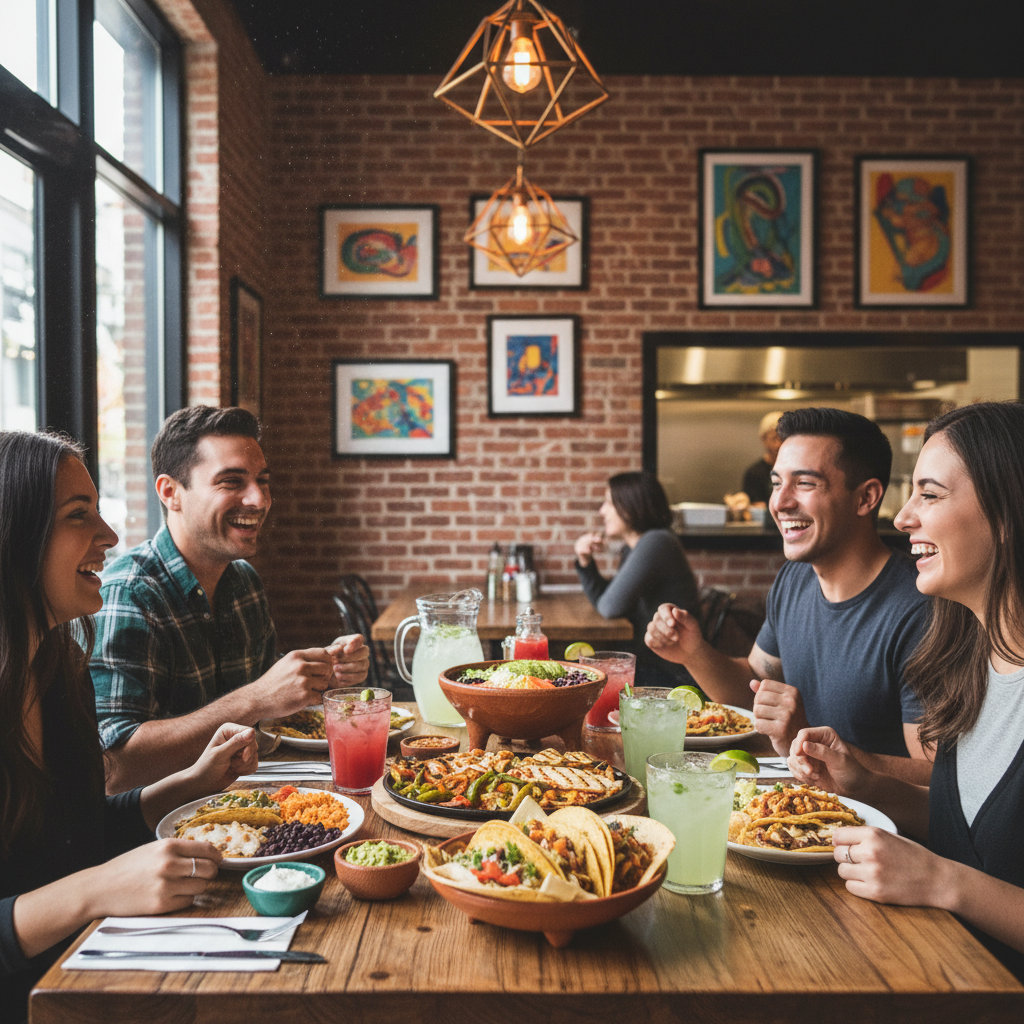
A casual dining Mexican restaurant is a relaxed, full-service or hybrid spot that serves tacos, bowls, fajitas, and grilled specialties without long waits. In Old Toronto near 746 Queen Street West, La Rio’s Mexican Grill supports dine-in, takeout, and catering so families and local diners can enjoy bold flavors on real-world schedules.
By Sam Patel • Last updated: May 6, 2026
Quick summary
Casual Mexican dining blends sit-down comfort with quick, consistent service and customizable plates. Expect grilled proteins, clear salsa heat levels, and easy takeout or catering options. This guide explains formats, a buyer’s checklist, a comparison table, best practices, local tips for Old Toronto, and real examples from La Rio’s Mexican Grill.
- What a casual dining Mexican restaurant is and how it runs day-to-day
- How to choose: service model, timing, dietary fit, and group options
- Comparison table of formats with typical ticket-time ranges
- Best practices for dine-in, takeout, and small-event catering
- Local considerations for Old Toronto diners and teams
- Real scenarios from La Rio’s: after-park meals, office takeout, events
Local considerations for Old Toronto
- Plan weekend meals around Trinity Bellwoods Park outings; casual Mexican works well for 45–75 minute sit-downs and shareable plates when everyone’s hungry after a stroll.
- Rush periods shift with weather; expect 5–10 extra minutes at peak right after work on warm evenings.
- Coordinating small-event pickups near Fort York National Historic Site? Align your pickup window with venue access so food hits the table fast.
What is a casual dining Mexican restaurant?
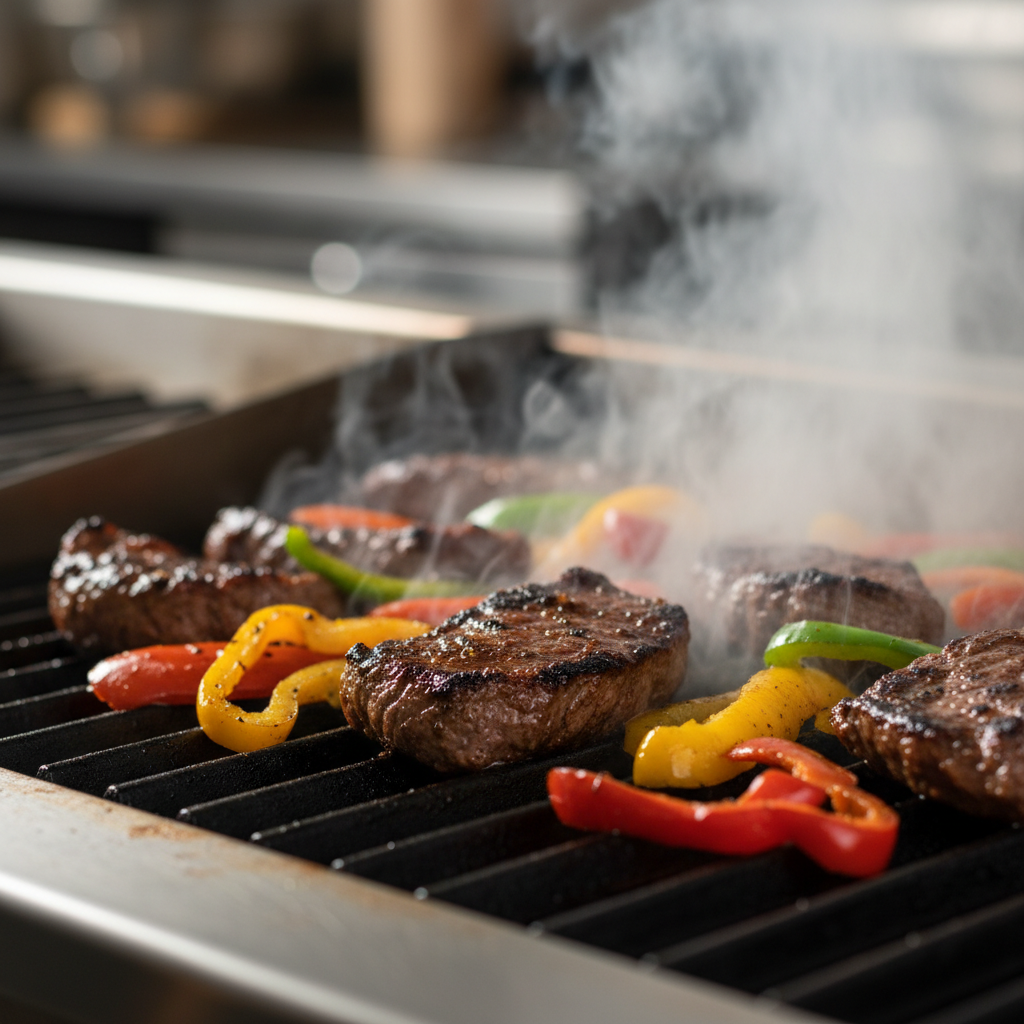
A casual dining Mexican restaurant delivers sit-down comfort with streamlined service, fresh-grilled proteins, and customizable builds. Typical ticket times run about 8–18 minutes, with flexible dine-in, takeout, and catering options—ideal for families, coworkers, and groups seeking flavorful meals without formalities.
Think approachable hospitality paired with speed. You’ll usually choose a protein (like grilled chicken, carne asada, or shrimp), a base (corn tortilla or rice bowl), and 2–3 salsas. That modular approach keeps groups happy because each person dials in heat and texture to taste.
At La Rio’s, the classic order flow makes decisions easy: pick your protein, choose tortilla or bowl, add fresh toppings, and go mild-to-hot on salsas. If seafood’s calling, explore our tacos inspired by favorites like Rio’s shrimp tacos. Craving comfort? Quesadillas such as our ground beef quesadilla offer that crisp-melty bite people love.
Why casual Mexican dining matters in Old Toronto
Old Toronto diners want flavor-forward meals that fit tight schedules. Families, students, and teams often need 30–60 minute dinners, 10–20 minute takeout pickups, and shareable platters. La Rio’s meets those needs with dine-in, takeout, and catering designed for everyday convenience across the Toronto core.
Neighborhood rhythm drives expectations. Weeknights reward quick, predictable ticket times, while weekends invite lingered conversations over fajitas and tacos. Groups also prize clear dietary labeling—vegetarian, gluten-friendly, or dairy-conscious—so everyone can order fast and eat confidently.
We see three patterns again and again: predictable timing windows, straightforward heat-level cues, and flexible group service. When restaurants communicate these clearly, table turns are smoother, takeout lines stay moving, and event pickups arrive right on time.
How the casual format works (front to back)
The winning flow is simple: welcome guests, explain the build (protein, base, toppings), prepare fresh from the grill, and serve fast with quality checks. Kitchens pre-prep salsas and vegetables, then grill proteins to order. Dine-in targets 8–15 minutes; takeout aims for accurate, well-packed orders.
Front-of-house rhythm
- Welcome and orient: counter-ordering or server-led, plus typical ticket-time ranges.
- Clarify heat levels in seconds—mild, medium, hot—to speed decisions for mixed spice preferences.
- Offer extras: limes, cilantro, and napkins; remind guests about sauces on the side for groups.
Kitchen line in action
- Hot station: grill proteins to order for peak texture and aroma.
- Cold station: crisp veggies and salsas portioned consistently for balanced bites.
- Finish and check: temperature, tortilla integrity, garnish placement, and pack-outs for to-go.
Quality and timing benchmarks
- Dine-in: most meals land in about 8–15 minutes; complex shareables can run slightly longer on weekends.
- Takeout: target 10–20 minute pickup windows with clear handoff points.
- Catering: align trays and build-your-own bars to arrive within your event setup window.
For teams planning a taco bar, our taco bar catering in Toronto page outlines popular configurations, including proteins, fixings, and serving flow. Prefer a buffet? See our buffet-style Mexican catering ideas for groups.
Types and approaches you’ll see
Casual Mexican formats span counter-service taquerias, sit-down grills, and fast-casual hybrids. Each promises grilled proteins, customizable builds, and efficient service—but differs in ticket times, table service, and vibe. Choose based on schedule, group size, and whether you want a quick bite or a longer conversation.
Common formats
- Counter-service taqueria: order at the counter, watch your build, and grab a table; expect roughly 6–12 minute ticket times.
- Sit-down grill: server-led ordering and pacing; most entrées in about 12–20 minutes, ideal for relaxed evenings.
- Fast-casual hybrid: counter-ordering with food run to the table; blends speed and comfort in about 8–15 minutes.
- Takeout-first: online or phone ordering, streamlined pickup, and sturdy, vented packaging to keep textures right.
- Catering-ready: trays and build-your-own bars sized for 10–50 guests with utensils and serving ware.
Menu building blocks
- Proteins: grilled chicken, carne asada, carnitas, or shrimp.
- Bases: corn or flour tortillas, rice bowls, or mixed greens.
- Salsas: mild to hot, cilantro-lime to smoky chipotle.
- Crunch and cream: lettuce, onions, pico de gallo, and crema or cheese.
If you’re deciding for a mixed group, hybrids often win—they’re quick, with room to linger. And if you’re sending lunch to a satellite office, check our individually packaged catering options so everyone gets their own labeled meal.
Buying guide: how to choose the right spot
Pick your restaurant by checking the service model, ticket times, dietary labeling, and group options. Strong operators post clear pickup windows, label allergens, and offer shareables or build-your-own kits. Hosting a group? Confirm trays, utensils, and transport-readiness—and match pickup to your arrival plan.
| Format | Order Method | Typical Ticket Time | Best For | Group Options |
|---|---|---|---|---|
| Counter Taqueria | Counter | 6–12 min | Lunch rush, solo bites | Family packs, limited trays |
| Sit-Down Grill | Server | 12–20 min | Evening meals, conversations | Shareable platters |
| Fast-Casual Hybrid | Counter → Table | 8–15 min | Mixed groups | BYO bar kits |
| Takeout-First | Online/Phone | 10–20 min | Office lunches | Boxed sets |
| Catering-Ready | Preorder | Prep window | Team events | Full trays, utensils |
Checklist you can use today
- Decide your service model: counter speed vs. server-led comfort.
- Ask for typical ticket times: lunch targets are different than weekend dinners.
- Scan dietary labels: vegetarian, gluten-friendly, and dairy-conscious notes save time at the counter.
- For groups: confirm shareable platters or taco bars, plus utensils and serving spoons.
- For offices: use individually packaged meals so distribution is neat and quick.
- Need guidance? Browse our catering page or request a catering quote.
Helpful mid-article tip: Planning a team lunch for two locations? Place separate pickup orders with unique labels for each site. It keeps timelines tight and prevents cross-drop confusion.
Best practices for a great experience
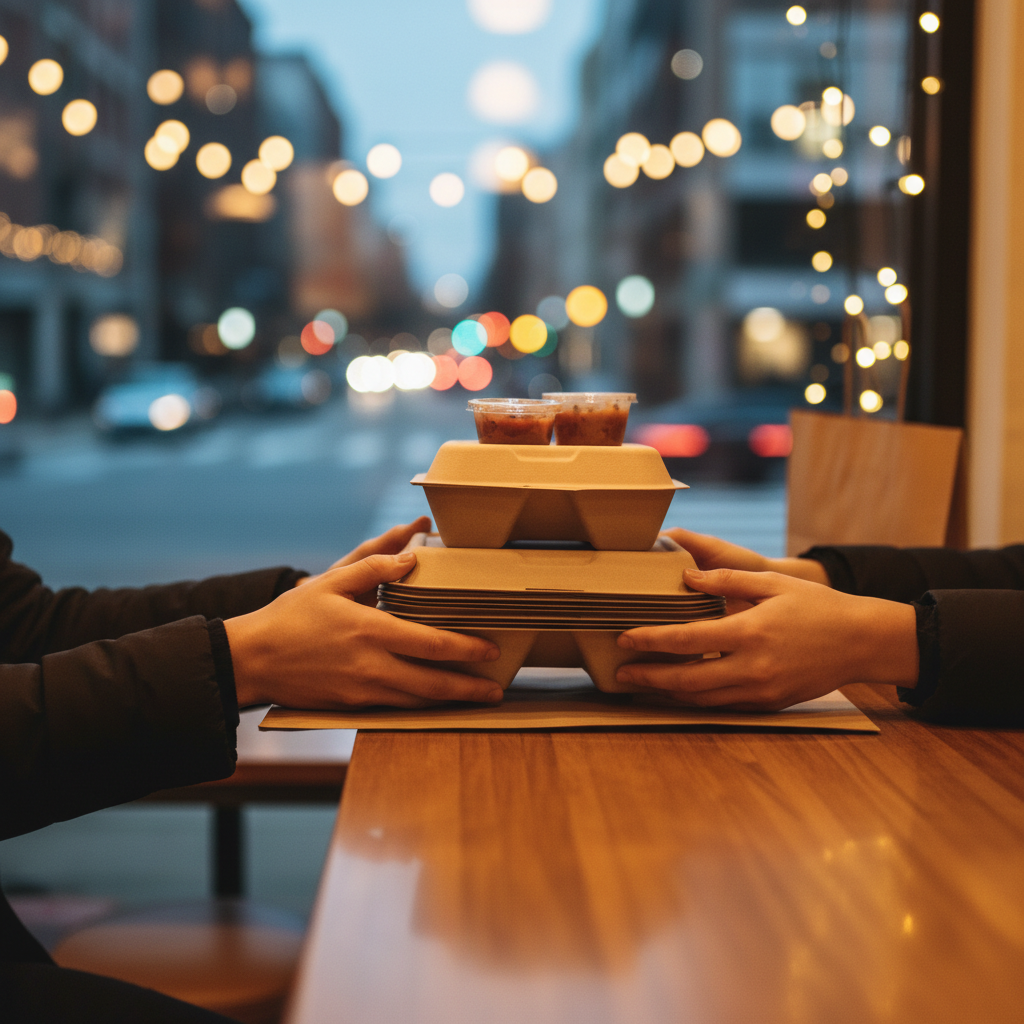
Arrive with a simple plan: pick proteins, choose tortillas or bowls, and set your salsa heat. For groups, collect dietary notes upfront and request sauces on the side. Restaurants should keep grill temps steady, label allergens clearly, and confirm pickup windows to protect texture and timing.
For dine-in
- Scan the menu first; pre-pick proteins and salsa levels to order in under a minute.
- Pair a crunchy item (tacos) with a hearty item (bowl) for balanced texture.
- Share sides so the table gets variety without over-ordering.
For takeout
- Request vented packaging for crisp items and sauces on the side to preserve structure.
- Confirm your pickup window; aim to serve within 30–45 minutes of handoff for best texture.
- Set a simple assembly line at the office: napkins, forks, then mains—it keeps traffic moving.
For small-event catering
- Pick a format first—buffet trays or build-your-own taco bar—then size portions to your guest count.
- Stage your table left-to-right: plates, tortillas, proteins, toppings, then salsas.
- Keep an extra mild salsa on standby so spice-sensitive guests feel included.
Tools and resources to use
Use online ordering for precise pickup timing, simple food-handling checklists for transport, and third-party guides for planning checklists. Pair these with your restaurant’s pickup instructions so food lands on time and tastes the way the kitchen intended.
For planning ideas and checklists oriented to teams and offices, see this helpful overview of Toronto event food logistics in a corporate catering guide. For backyard or offsite gatherings, this boardroom-to-BBQ guide offers practical setup tips. And for perspective on casual formats, review a casual dining field guide that contrasts quick, hybrid, and sit-down flows.
Pricing considerations (without numbers)
Instead of chasing price tags, evaluate value signals: portion consistency, ingredient freshness, and service speed. Reliable casual Mexican spots communicate ticket times, label allergens, pack takeout properly, and offer flexible group options. Those operational cues usually map to better experiences—and fewer surprises.
- Value over price: look for consistent portioning and well-seasoned proteins.
- Packaging quality: venting for crisp items, leak-resistant containers for saucy builds.
- Time transparency: posted pickup windows and clear dine-in estimates.
- Group flexibility: trays, taco bars, and individually labeled meals.
Curious how we handle groups? Start on our catering page for formats and then request a catering quote with your headcount and timing.
Case studies and real-world examples
La Rio’s Mexican Grill regularly supports three use cases—relaxed dine-in after neighborhood outings, fast office takeout with labeled sauces, and small-event catering near downtown venues. Below are 12 quick scenarios showing how timing, packaging, and menu builds work in real life.
- After-park dinner: friends meet post–Trinity Bellwoods; tacos and bowls land in about 12–18 minutes, with extra mild salsa for spice-sensitive diners.
- Weeknight family meal: two adults, two kids; share chips and a bowl, then split a ground beef quesadilla for a crisp-melty finish.
- Lunch in 30: solo diner orders a bowl; in-and-out within half an hour, including a quick seat and refill.
- Office pickup for six: individually labeled bowls from our individually packaged catering lineup; sauces packed on the side.
- Taco bar Friday: a small team sets up trays from taco bar catering; left-to-right flow speeds the line.
- Study group bite: three friends share chips and order two tacos each; 45–60 minutes total including a brief menu scan.
- Game-night takeout: bowls and quesadillas travel in vented packaging so textures hold for the 15-minute trip.
- Hybrid meeting lunch: downtown crew eats on-site while remote teammates get matching boxed meals, labeled and sealed.
- Neighborhood celebration: buffet trays from buffet-style Mexican catering make refills simple; utensils and napkins included.
- Quick pre-show dinner: a couple orders at the counter; entrées arrive in roughly 10–14 minutes, leaving time to stroll to the venue.
- Tournament day fuel: protein-forward bowls with extra veggies; staff suggests salsa pairings to match heat tolerance.
- Downtown offsite: two drop-offs staged 20 minutes apart, each labeled by team to avoid mix-ups.
Need help sizing trays or mapping pickup to your schedule? Our team can advise formats and timing on the catering page or you can request a catering quote with headcount and dietary notes.
FAQ: casual dining Mexican restaurant
Casual Mexican restaurants pair sit-down comfort with quick service and customizable meals. These direct answers cover timing, dietary accommodations, reservations, and spice levels so you can plan confident, flavorful meals for families, friends, and teams.
How long does a typical meal take?
Most guests spend about 45–75 minutes including ordering, eating, and conversation. Counter-service formats move faster, while sit-down grills trend longer during weekend peaks or when sharing appetizers and desserts.
Can I get gluten-friendly or vegetarian options?
Yes. Modular menus make it easy to choose corn tortillas or bowls, beans and veggies, and salsas to taste. If you’re sensitive to allergens, ask staff to use clean utensils and prep spots to reduce cross-contact risk.
Do casual Mexican restaurants take reservations?
Policies vary. Counter-service spots are usually first-come, first-served. Sit-down grills may accept reservations, especially on weekends or for larger groups. If your group exceeds eight, call ahead to coordinate timing.
How spicy is the food?
Heat levels are typically labeled from mild to hot. If you’re unsure, start mild and add heat with salsa on the side. Many menus also offer creamy or citrusy sauces to balance spice and brighten flavors.
What’s the best way to order for an office?
Collect dietary notes ahead of time, choose individually packaged meals for easy distribution, and request sauces on the side. Confirm a precise pickup window and label each meal by name or department to speed handoff.
Wrap-up and next steps
Choose a casual dining Mexican restaurant by matching service model, timing, and dietary fit to your group. For Old Toronto diners, La Rio’s offers dine-in, takeout, and catering with clear pickup windows and flexible formats—so your tacos, bowls, and fajitas hit the table right on time.
Key takeaways
- Casual Mexican dining = fast, friendly service + customizable builds.
- Match formats to needs: counter for speed, sit-down for longer conversations, hybrid for mixed groups.
- For groups, choose taco bars, buffet trays, or individually labeled meals.
- Value shows up in consistency, packaging quality, and time transparency.
Simple next steps
- Planning an event? Visit our catering page.
- Have headcount and timing? Request a catering quote.
- Craving a classic? Try our ground beef tacos next time you’re nearby.
Whether it’s a quick office pickup or a relaxed weekend meal, we’re ready to make it easy—and delicious.