Mexican Food Catering: Avoid Costly Errors in 2026
Avoid catering mistakes when ordering Mexican food with our Old Toronto guide: portions, labeling, delivery windows, and service styles for smooth events.
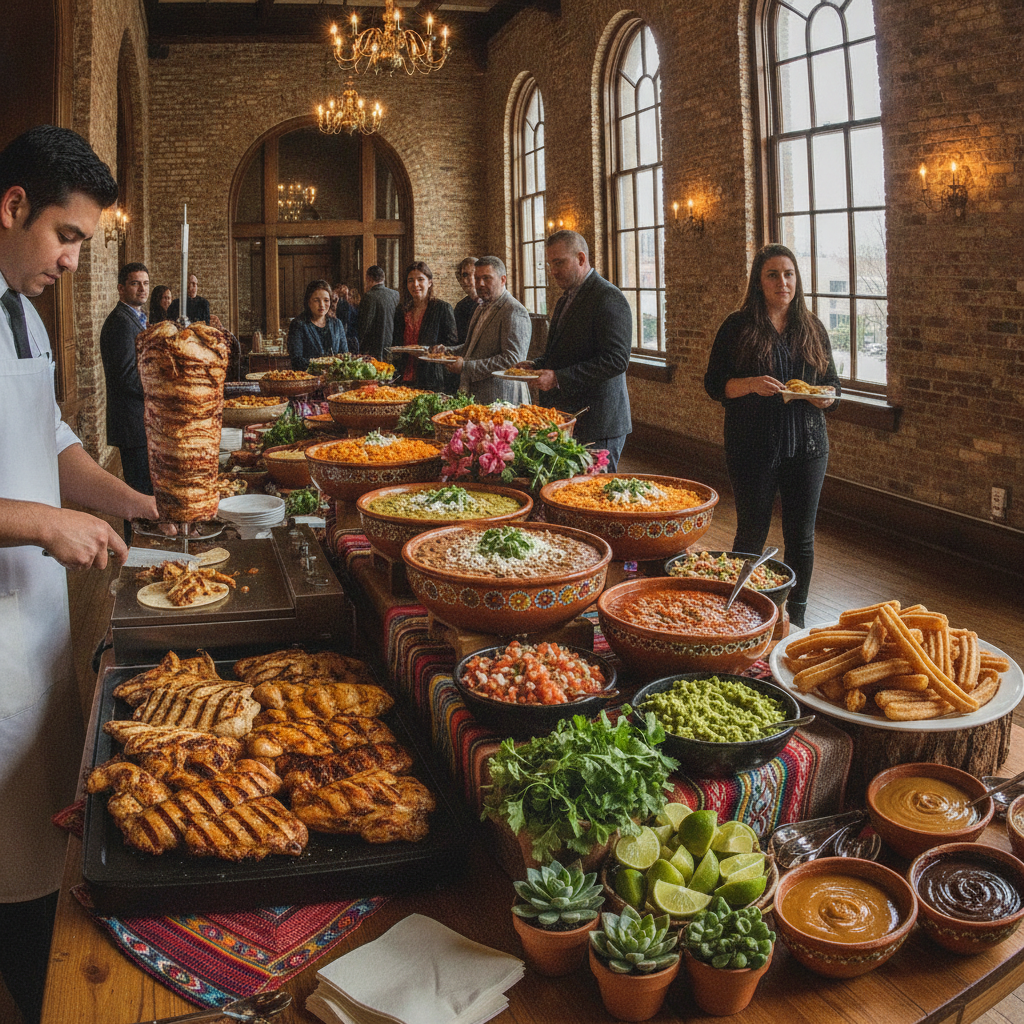
Catering mistakes when ordering Mexican food are the preventable errors that lead to wrong portions, poor menu-fit, and timing or dietary misses. In Old Toronto, the fastest fix is planning portions, labeling allergens, and aligning delivery windows with guest flow. Work with a local Mexican grill that offers dine-in, takeout, and catering—like La Rio’s—to avoid them.
By Sam Patel — Founder, La Rio’s Mexican Grill
Last updated: 2026-06-26
Summary
This guide shows how to avoid the most common Mexican catering mistakes with portion planning, menu mapping to dietary needs, delivery logistics, and service style selection. You’ll get step-by-step checklists, a comparison table, and local Old Toronto tips, plus examples from La Rio’s Mexican Grill’s catering options.
If you’re planning a team lunch, a neighborhood gathering, or a family event, you want food that arrives hot, plated cleanly, and easy to serve. We break down decisions—from taco bars to individually packaged meals—so you pick the right format, sides, and sauces for your crowd.
What are “catering mistakes” when ordering Mexican food?
Catering mistakes are planning and execution errors—like underestimating portions, mismatching spice levels, and skipping allergen labeling—that cause guest dissatisfaction or operational hiccups. Prevent them by sizing servings correctly, building flexible menus, and coordinating delivery, setup, and service style.
In our experience serving local diners and families, these errors rarely come from one big miss. It’s usually a set of small decisions: the wrong protein mix for the group, not enough tortillas, or sauces that don’t match the mains. The good news? Each risk has a simple control you can apply.
- Portioning pitfalls: Not ordering enough tortillas, proteins, or sides to keep the line moving.
- Allergen blind spots: Missing dairy, gluten, or shellfish disclosures when you have mixed dietary needs.
- Logistics gaps: Delivery windows that collide with meeting starts or kids’ activity schedules.
- Flavor mismatch: Sauces too spicy (or not spicy enough) for the group’s palate.
- Service style mismatch: Choosing buffet when individually packaged would fit timing and venue better.
La Rio’s Mexican Grill focuses on practical, flexible options—taco bars, buffet-style, and individually packaged sets—so you can match format to your room, timeline, and guest list.
Why avoiding catering mistakes matters
Avoiding catering mistakes improves guest satisfaction, reduces waste, and keeps events on schedule. Right-sizing portions, clear allergen labeling, and a service style matched to the venue ensure smooth lines, hot food, and inclusive choices for everyone.
When food lands at the right temperature with clear labeling, people eat sooner and lines move faster. When it doesn’t, hosts spend time solving problems instead of enjoying the event. Our goal is to keep your focus on your guests, not the setup.
- Time: Streamlined setup means more time connecting with guests and less time troubleshooting.
- Inclusion: Vegetarian, gluten-friendly, and dairy-conscious choices keep more people satisfied.
- Consistency: A tested order plan makes future events even smoother.
- Reputation: A crowd-pleasing spread reflects well on the host and the venue.
Old Toronto events often run on tight schedules—meetings near The Bentway or weekend picnics by Trinity Bellwoods Park don’t have room for delays. That’s why we recommend pre-labeling items and locking the delivery window before invites go out.
How Mexican catering works (from order to setup)
Successful Mexican catering follows a simple flow: define headcount and dietary needs, choose a service style, lock your menu and portions, confirm delivery/setup timing, and add serving gear. This reduces risk and keeps food hot and lines moving.
Here’s the straightforward process we use with Old Toronto hosts.
- Gather event details: date, venue access, headcount, dietary notes, serving time, and room layout.
- Pick a service style: taco bar, buffet-style, or individually packaged.
- Map the menu: proteins, tortillas, sides, toppings, salsas, and one dessert.
- Right-size portions: translate headcount into tortillas, proteins, sides, and sauces.
- Confirm logistics: delivery window, parking/loading, and on-site contact person.
- Setup and serve: arrange the line order, label items, and keep serving tools handy.
To simplify your planning, browse options on our catering page and consider a boxed-meal format if your venue has limited space or staggered arrival times.
Service styles and when to use each
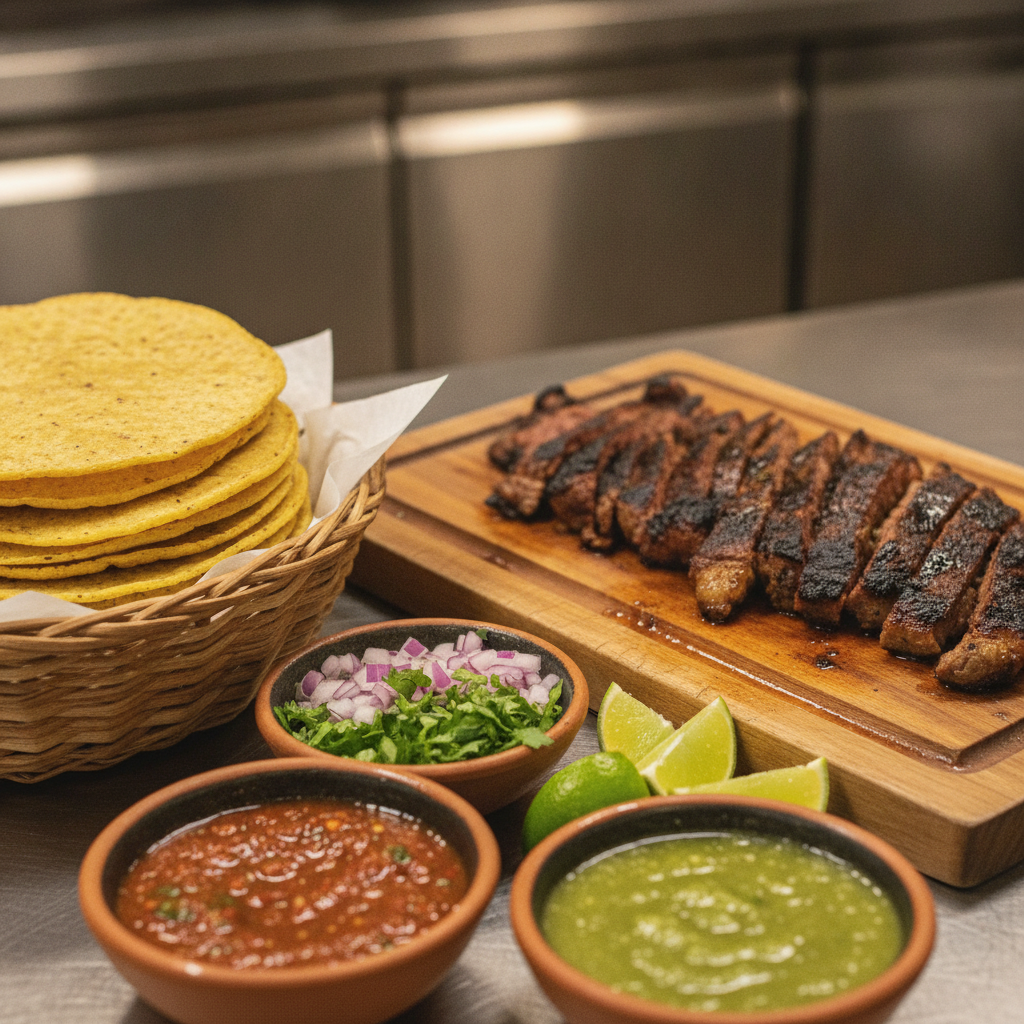
Choose taco bars for interactive teams, buffet-style for efficient lines, and individually packaged meals for tight schedules or dietary complexity. Match service style to your room, timeline, and guest mix to avoid slow lines or cross-contact.
Different formats solve different problems. Your room size, schedule tightness, and group diversity will point to the right choice.
Taco bar (interactive and flexible)
- Best for: social teams, open spaces, and events where guests have time to build plates.
- Pros: full customization, fun experience, scalable for small or large groups.
- Watch-outs: longer line time if you have only one station; add a second line for 30+ guests.
- Example: Our taco-focused catering lets you mix proteins and salsas so everyone dials in their spice level.
Buffet-style (fast throughput)
- Best for: predictable schedules, office lunches, and rooms with flow.
- Pros: quick serving, easy refills, simple labeling across the line.
- Watch-outs: needs enough table length for proteins, sides, toppings, and dessert.
- Example: See our buffet-style Mexican catering overview to plan your layout.
Individually packaged (zero-setup convenience)
- Best for: tight timelines, staggered arrivals, and high dietary complexity.
- Pros: built-in portion control, labeled items, minimal cleanup.
- Watch-outs: fewer on-the-spot customizations; solve with a small add-on salsa kit.
- Example: Our individually packaged catering helps when you’re moving between sessions or classrooms.
Common catering mistakes when ordering Mexican food
The biggest mistakes include under-portioning tortillas and proteins, overloading spice for mixed groups, skipping vegetarian or gluten-friendly choices, and mismatching delivery windows. Prevent them with a simple pre-order checklist and clear labeling.
We see the same patterns in Old Toronto events, from office lunches to backyard gatherings. Here’s where orders go wrong, and how to fix them fast.
1) Guessing portions instead of planning them
- Risk: running out of tortillas or proteins early.
- Fix: translate headcount to tortillas, mains, sides, and salsas before you order.
- Action: For taco bars, plan a comfortable baseline, then add a 10–15% buffer for hungry groups.
- Example: If your team loves seconds, consider adding a tray of ground beef tacos as a quick top-up.
2) Forgetting dietary inclusion
- Risk: vegetarian or dairy-avoiding guests left with side dishes only.
- Fix: include at least one vegetarian protein and label dairy, gluten, and shellfish clearly.
- Action: Pair a veggie option with rice and beans; keep cheese and crema on the side.
- Example: Offer shrimp for seafood fans—like our Rio’s shrimp tacos—and a hearty non-meat alternative.
3) Over or under-spicing the menu
- Risk: one-size-fits-all heat that disappoints many guests.
- Fix: serve salsas on the side (mild to hot) and let guests dial in heat.
- Action: keep a mild red salsa and a brighter verde, then offer a hotter option for spice lovers.
4) Choosing the wrong service style
- Risk: slow lines or unnecessary setup in tight venues.
- Fix: match format to room layout and schedule.
- Action: If space is tight or arrival is staggered, choose individually packaged meals.
5) Weak labeling and unclear line order
- Risk: confusion, cross-contact, and slow serving.
- Fix: label proteins, allergens, and sauces; place tortillas first, proteins second, sides next, toppings last.
- Action: Put utensils and napkins at both ends of the table to speed exit.
6) Missing the delivery window
- Risk: cold mains or stressed hosts corralling guests.
- Fix: set a window that lands 15–20 minutes before service for setup and labeling.
- Action: Share an on-site contact and loading details when you book.
7) Forgetting a simple dessert
- Risk: the meal ends flat.
- Fix: add a small sweet finish—churros or a cookie platter—so your spread feels complete.
Best practices to get Mexican catering right
Lock headcount ranges, map a balanced menu, right-size portions with a small buffer, and match service style to your venue. Confirm delivery timing, add clear labeling, and stage the line for flow. These moves prevent most catering missteps.
Plan with a quick worksheet
- List guests by dietary preference (meat, vegetarian, dairy-avoiding, gluten-friendly).
- Pick two proteins and one vegetarian alternative.
- Choose two sides, two salsas, and a simple dessert.
- Decide service style: taco bar, buffet, or individually packaged.
- Note delivery window and on-site contact.
Stage the serving line
- Place plates and tortillas up front, proteins next, sides and toppings after.
- Keep hot items together and rotate refills from the back.
- Put napkins and utensils at both ends of the table.
Use flexible sauces
- Offer a mild salsa and a verde; add one hotter option for enthusiasts.
- Serve crema and queso on the side to keep plates balanced for dairy-sensitive guests.
Not sure which way to go? Start at our catering overview and message us with headcount and timing. We’ll propose a right-sized plan you can confirm quickly.
Comparison: taco bar vs. buffet vs. packaged
Match your service style to your event: taco bars suit interactive groups, buffets move lines fast, and packaged meals simplify complex diets and tight schedules. The right format reduces confusion and keeps food hot.
| Service style | Best for | Strengths | Watch-outs |
|---|---|---|---|
| Taco bar | Social teams, time to customize | High customization, fun and engaging | Needs enough space or dual lines |
| Buffet-style | Predictable schedules, larger rooms | Fast throughput, easy refills | Requires longer table surface |
| Individually packaged | Tight timelines, dietary complexity | Zero setup, labeled portions | Fewer on-the-spot customizations |
Step-by-step ordering checklist
Use a simple checklist: confirm headcount and dietary notes, choose service style, pick two proteins plus a vegetarian, add two sides and two salsas, select a dessert, confirm delivery/setup details, and add labeling. This prevents last-minute surprises.
- Headcount range and dietary notes (vegetarian, dairy, gluten-friendly).
- Service style (taco bar, buffet, individually packaged).
- Proteins (two choices) and one vegetarian alternative.
- Sides (two choices) and tortillas.
- Salsas (mild + verde + optional hot).
- Dessert (simple finish).
- Delivery window and on-site contact details.
- Labeling plan and serving tools.
When you’re ready, send your details through our catering quote form. We’ll confirm availability and finalize the logistics in one message thread.
Tools and resources to make it easier
You don’t need fancy software to nail catering. A short planning worksheet, a room layout sketch, and a clear delivery window are the core tools. Templates save time and make reordering easy for your next event.
- Planning worksheet: a one-pager for headcount, dietary notes, and menu picks.
- Room layout sketch: mark entrance, table length, and line direction.
- Run-of-show timeline: delivery, setup, serving start, cleanup.
- Menu map: proteins, sides, toppings, salsas, dessert.
For hands-off days, choose individually packaged sets. For interactive days, build a taco bar with a variety of proteins and salsas so every guest gets a plate they love.
Mini case studies: real-world fixes from Old Toronto
Small changes—like dual serving lines or adding a vegetarian tray—solve most issues. Here are three quick scenarios from Old Toronto events that show how matching service style and menu to the crowd prevents common mistakes.
Startup sprint lunch near Trinity Bellwoods Park
A 24-person product team wanted fast self-serve without a long line. We recommended buffet-style with dual tongs and two salsa stations. The second serving line kept plates moving and minimized crowding near the entrance.
- Key moves: two proteins, a vegetarian option, rice and beans, and separate salsa bowls at both ends.
- Result: everyone plated within minutes and settled before a demo review.
Parent committee meeting by The Bentway
Arrival times were staggered across an hour. We steered them to individually packaged meals with labeled proteins. Guests arriving late still got hot, clearly marked portions without reopening serving pans.
- Key moves: pre-labeled meals, mild and hot salsas on the side, and a simple dessert add-on.
- Result: smooth arrivals, no line rebuilds, and zero confusion for dietary needs.
Neighborhood block gathering
Hosts wanted interaction for a broad age range. We suggested a taco bar plus a tray of ready-to-eat items for kids. A small buffer of tortillas and a mild salsa bowl at kid-height kept everyone happy.
- Key moves: taco bar with dual lines, kid-friendly toppings first, and a finishing dessert platter.
- Result: steady flow, easy seconds, and very little leftover waste.
Local tips for Old Toronto planners
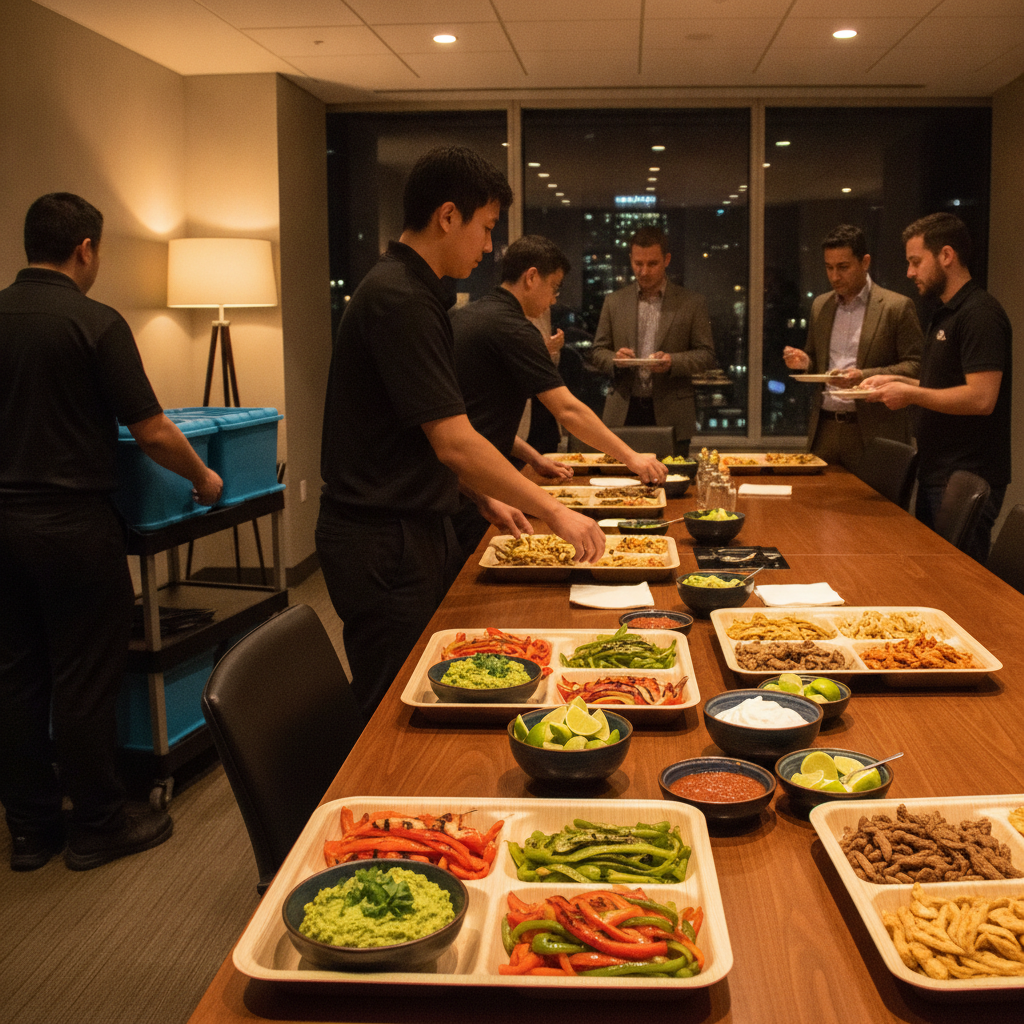
Plan for tight schedules, limited loading zones, and mixed dietary needs. Choose service styles that match your room and timeline, and confirm a delivery window that allows setup before guests arrive. Pre-labeling is your best time-saver.
Local considerations for Old Toronto
- Weekend events near Trinity Bellwoods Park fill fast—lock delivery windows early to avoid congestion.
- For meetings close to The Bentway, plan individually packaged meals if attendees arrive in waves.
- In older buildings with narrow entries, request smaller tray sizes or more compact setups for faster staging.
Need help matching menu to your crowd?
Share your headcount, dietary notes, and serving time. We’ll map a menu, portion plan, and delivery window that fit your venue. You’ll approve in minutes and avoid the classic missteps that derail lunch.
Tell us your timing and headcount, and we’ll propose a right-sized plan with flexible sauces and clear labeling. Start with our catering overview or go straight to the quote form.
Frequently Asked Questions
Hosts ask about portions, heat levels, packaging, and delivery windows. The fastest path is to lock a service style first, then map proteins, sides, and sauces. Clear labeling and a small buffer prevent 90% of issues.
How do I choose between a taco bar and individually packaged meals?
Pick a taco bar for interactive groups with time and space. Choose individually packaged for tight schedules, staggered arrivals, or higher dietary complexity. If you’re unsure, consider a buffet-style line with clear labeling and a small salsa kit to keep heat flexible.
What’s the best way to handle different spice levels?
Serve salsas on the side and offer a clear range—from mild to hot—so guests dial in their own heat. Keep a mild red and a verde up front, then place a hotter option at the end with a visible label to prevent surprises.
How can I avoid running out of tortillas or proteins?
Translate headcount into servings during ordering and add a small buffer. Dual lines for 30+ guests reduce bottlenecks and make portions feel abundant. If your group tends to take seconds, add one extra protein tray as insurance.
What if my venue has limited space for setup?
Choose individually packaged meals or a compact buffet with shorter trays and stacked toppings. Label clearly, keep utensils at both ends of the table, and plan delivery at least 15–20 minutes before service so you can stage without rush.
Conclusion and next steps
Avoid catering mistakes by right-sizing portions, matching service style to your venue, and labeling clearly. Confirm delivery windows and keep sauces flexible so every guest finds their fit. With a simple checklist, you’ll prevent the usual missteps.
Here’s the short version. Lock the guest count, pick a format that suits the room, map a balanced menu, and plan your delivery/setup details up front. You’ll enjoy your own event—and your guests will remember how easy and delicious it was.
- Key takeaways: guest-first menu mapping, flexible heat, and clear labels.
- Action: explore La Rio’s catering or request a fast quote.
- Optional add-on: a simple dessert to make the meal feel complete.
For additional planning context, see a Toronto-focused overview from this corporate catering guide and a discussion of common ordering pitfalls in this online ordering article. If you’re specifically weighing taco bar layouts, compare ideas from this local taco bar page.