Grill Restaurant vs Casual Dining: What Works on Busy Nights (2026)
Grill restaurant vs casual dining in Old Toronto: quick table, scenarios, and a buying guide to choose fast on busy weeknights—without sacrificing flavor.
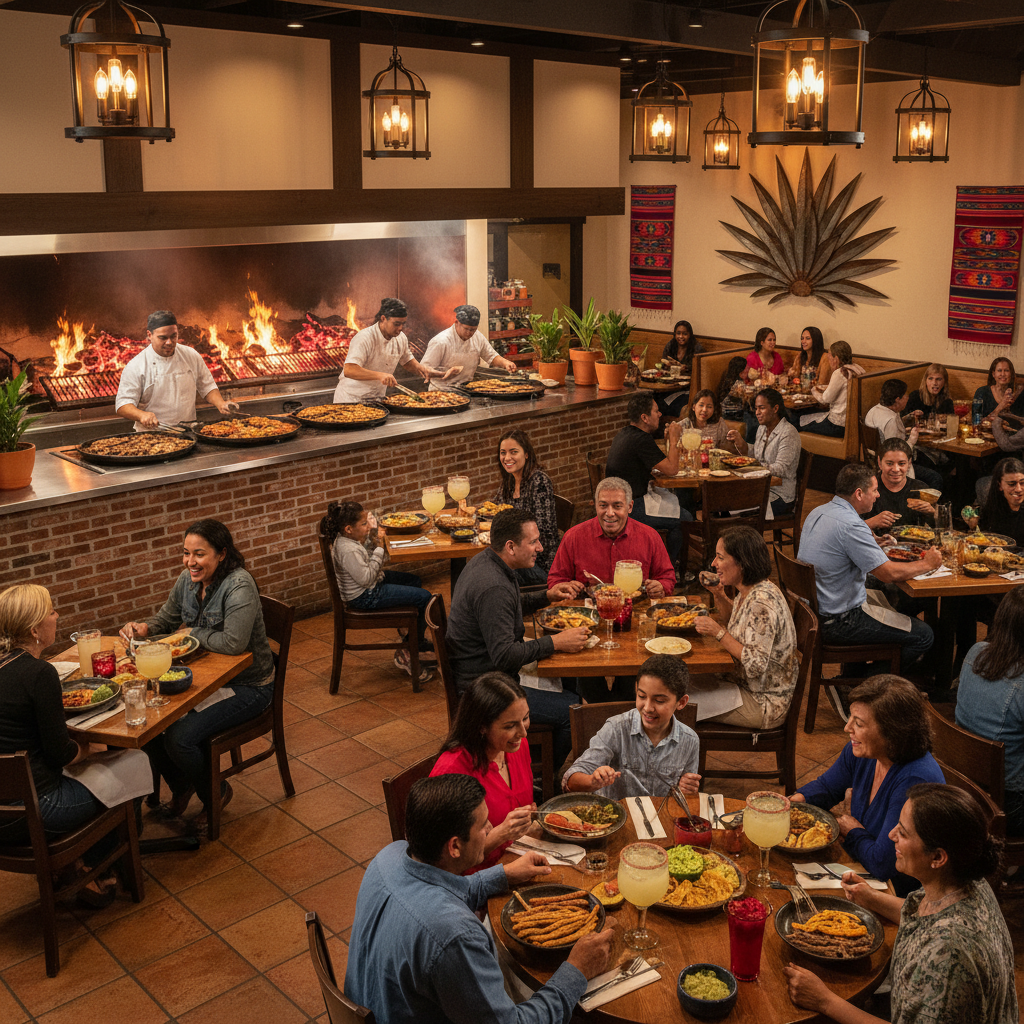
Grill restaurant vs casual dining is a comparison between live-fire, grill-forward kitchens and broader, comfort-first restaurants. In Old Toronto near 746 Queen Street West, the best choice depends on time, group size, and cravings. At La Rio’s Mexican Grill, we support both dine-in and takeout, plus catering for gatherings in the Toronto core.
By Sam Patel — Founder, La Rio’s Mexican Grill
Last updated: May 6, 2026
Summary
A grill restaurant centers on live-fire cooking and bold char, while casual dining prioritizes variety, comfort, and predictable pacing. In Old Toronto and across Toronto, pick grill-forward for flavor and theater; pick casual for speed, menu range, and family seating—especially on busy weeknights.
Here’s the quick story you’re likely weighing tonight. If you want food theater, smoke-kissed proteins, and that cast-iron sizzle, a grill-focused room is the move. If you need a reliable seat, quicker turns, and options for mixed tastes—kids included—casual dining usually fits better. Hybrid kitchens can deliver both in one visit.
Quick Comparison Table
Use this side-by-side to decide fast. Grill restaurants emphasize live-fire flavor, kitchen showmanship, and protein-forward plates. Casual dining emphasizes comfort, menu breadth, and steady pacing for families and groups. Short on time or juggling tastes? Casual typically moves faster without sacrificing quality.
| Factor | Grill Restaurant | Casual Dining |
|---|---|---|
| Primary Focus | Live-fire, seared proteins | Broad, comfort-first menu |
| Kitchen Setup | Open flame, chargrill, cast iron | Line stations for variety |
| Pace | Moderate; made-to-order | Predictable; faster turns |
| Ambience | Energetic, smoky aromas | Relaxed, family-friendly |
| Menu Range | Protein-heavy, grill-centric | Wider options; swap-friendly |
| Signature Moments | Sizzle, char, tableside aroma | Comfort, consistency, seating |
| Best Use Case | Flavor-forward nights, celebrations | Weeknights, groups, kids |
At La Rio’s, those two worlds meet by design. We maintain a high-heat sear station for fajitas and carne asada alongside a parallel assembly line for bowls, burritos, and tacos. That means you can order flame-kissed steak while your friend builds a quick bowl—without slowing the table’s overall pacing.
Our Top Pick
For busy weeknights, casual dining edges out grill-first formats. You’ll get broader choices, predictable pacing, and simpler seating for families. When time is tight but you still want bold flavor, choose a casual spot with a strong grill line—and keep takeout as a backup.
After many midweek services, we’ve learned most tables want warm, quick, and flexible. We keep fajita skillets, grilled chicken, and carne asada ready to fire while parallel cooks assemble bowls and tacos. Typical casual table times land around the 50–60 minute window; a full grill-centered experience often runs closer to 75–90 minutes when guests savor the sizzle and shareables.
Want the smoky payoff without lingering? Choose grilled proteins folded into tacos or bowls. You’ll capture sear and aroma, minus the longer choreography that comes with multi-course plates or sizzling shareables.
Best Picks #2–#13: Situations Where One Wins
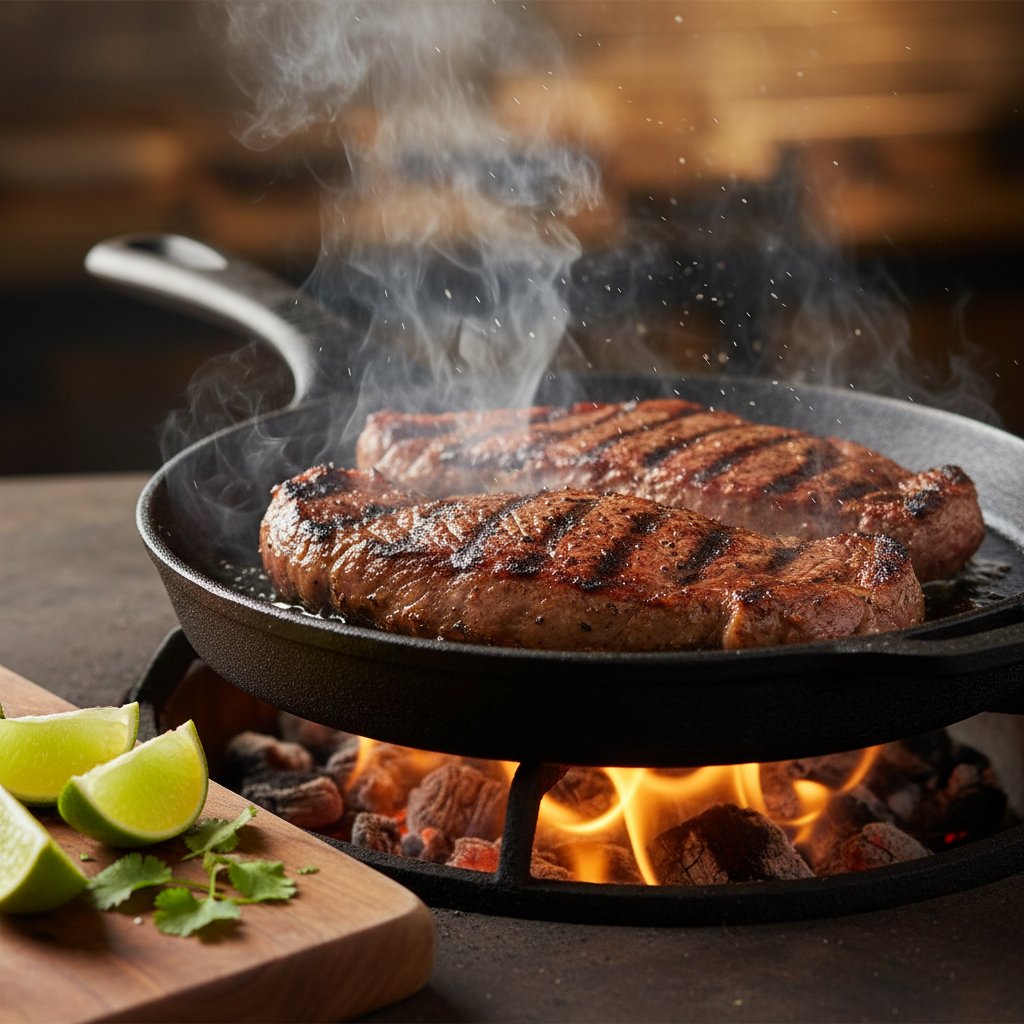
Choose casual dining for mixed tastes, time-sensitive meals, and kid-friendly seating. Choose a grill-forward experience for bold flavors, date nights, and food-centric celebrations. The right pick maps to your situation—here are 12 common scenarios and what tends to work best around Toronto.
- Date night, shared plates: Grill restaurant. Sizzle, sear, and kitchen theater elevate the night. Skillet fajitas and flame-kissed shrimp with roasted peppers set the tone.
- After-work team dinner: Casual dining. Varied entrées, easier split checks, and reliable timing keep groups relaxed and on schedule.
- Soccer practice pickup, hungry kids: Casual or takeout-forward casual. Bowls and tacos assemble fast and travel well in sturdy packaging.
- Birthday with flavor-first friends: Grill restaurant. Tableside aroma and char build a celebratory vibe without extra decor.
- Gluten-friendly and vegetarian mix: Casual dining. More sides and swap-friendly builds, like veggie bowls with grilled zucchini and beans.
- Big appetite, protein-forward: Grill restaurant. Double-portion steak or chicken with charred corn and rice hits the spot.
- Lunch hour, 45 minutes: Casual dining. Bowls and tacos typically move quicker through a parallel line.
- Touring friends near Trinity Bellwoods Park: Casual dining. Easy seating, flexible spice levels, and quick bites before a walk.
- Food photography night: Grill restaurant. Open flame, char, and sizzling cast iron are camera magnets.
- Remote-work meetup: Casual dining. Comfortable booths and predictable pacing enable conversation.
- Game-day takeout: Casual with strong to-go flow. Burritos, nachos, and bowls are crowd-pleasers with minimal mess.
- Catering for 20–50: Casual caterers with grill capability. Trays of grilled chicken, peppers, tortillas, and toppings please diverse groups.
We see these patterns repeat across seasons. When the goal is speed plus smiles, casual dining wins the math: faster seatings, steady pacing, and flexible portions. When the night is about flavor stories and showtime, a grill-first plate delivers—especially when you can smell the sear from your table.
How to Choose Tonight: A Practical Checklist
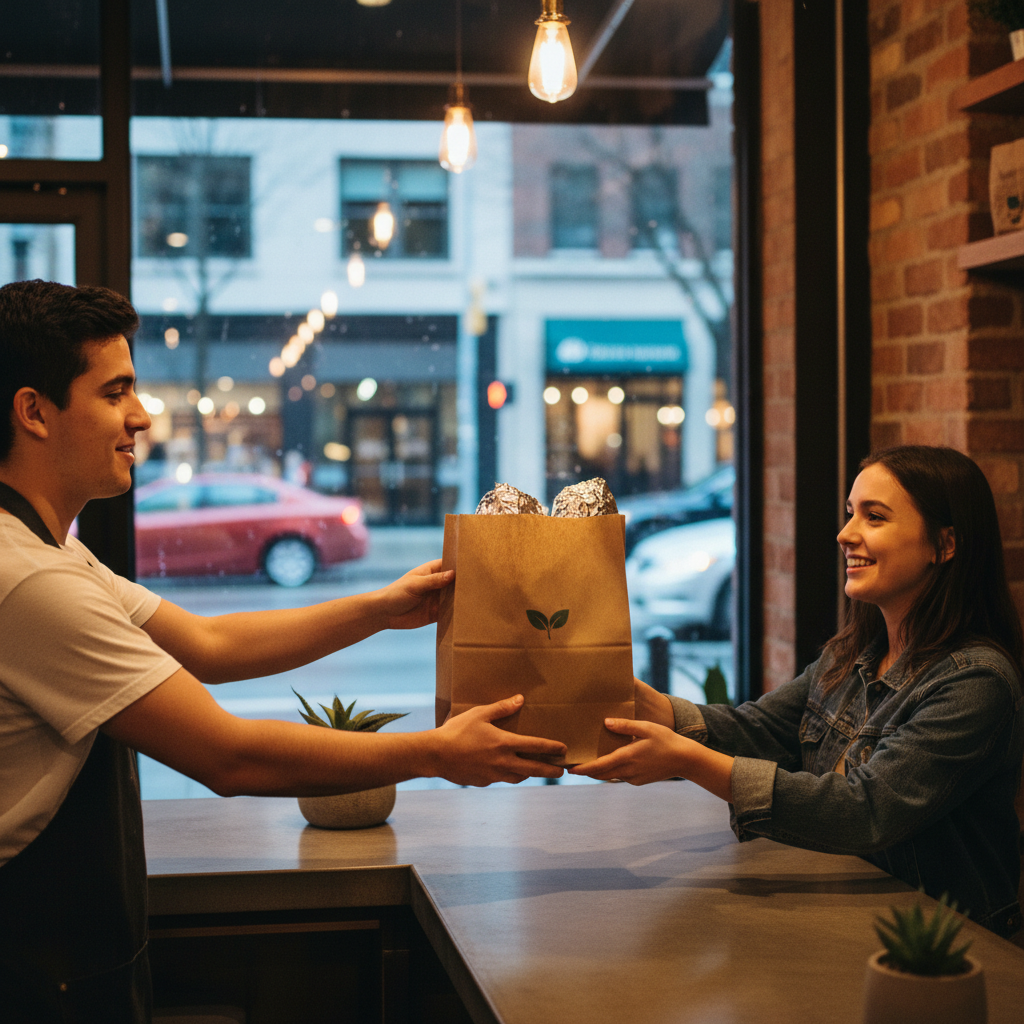
Decide by time, group, and craving. If you have under an hour, pick casual dining with takeout as a safety net. If the group wants smoky, sizzling plates and can linger, go grill-forward. For mixed diets, a casual menu with grill options keeps everyone happy.
Simple filters lead to better meals. Define your window (under 60 minutes or 75–90), your group’s diet mix (kids, vegetarian, gluten-friendly), and your flavor craving (comfort or char). Your answers map to a clear format—and the best order style: dine-in, takeout, or a mix.
Local considerations for Old Toronto
- Weeknight logistics: If you’re near Trinity Bellwoods Park, foot traffic often spikes around 6–7 p.m.; join a waitlist early or line up a takeout backup.
- Seasonal timing: Summer patios fill quickly; winter slush can stretch transit times—build in a 10–15 minute cushion for the safest plan.
- Operations nuance: Fridays skew dine-in; midweek takeout flows faster for families heading home through Old Toronto.
What matters most
- Clock: Under 60 minutes favors casual; 75–90 minutes suits grill-centered meals.
- Cravings: Want char and sizzle? Choose grill. Want comfort and range? Go casual.
- Group fit: Kids and varied diets lean casual; adventurous eaters love grill-forward plates.
- Noise and vibe: Open-flame rooms buzz; casual rooms lean relaxed.
- To-go plan: Need leftovers or a fast exit? Casual dining with efficient takeout is your friend.
In our experience, setting a single intent—speed, flavor, or flexibility—gets you most of the way to a great choice. If you still can’t decide, grab a casual table and add at least one grilled protein to the order. You get both wins in one sitting.
Friendly tip: If your group is running late, place a takeout order for bowls or tacos as a fallback. If a table opens, enjoy dine-in; if not, you’ll still eat hot—no stress.
Buying Guide: Menu Signals that Save Time
Scan menus for grill icons, build-your-own sections, and clear diet markers. A well-designed casual menu with a strong grill line offers speed and char in one place. Phrases like “cast-iron sear,” “smoky peppers,” or “mesquite” usually indicate a live-fire payoff.
Menu cues worth noting
- Build-your-own bowls and tacos: Fast to assemble, easy to customize, ideal for mixed groups.
- Explicit grill language: Terms like “charred,” “seared,” and “flame-grilled” signal active live-fire technique.
- Allergy and diet markers: Vegetarian, dairy-free, or gluten-friendly icons speed up decisions and reduce table-side questions.
- Parallel sides: Rice, beans, grilled veggies, and salsas let guests dial heat, texture, and portion size.
- Sharables vs mains: Sizzling skillets shine for celebrations; bowls and burritos shine for speed.
On our line, we separate high-heat searing from assembly so tables don’t bottleneck. That’s how a family of four and a date-night duo both stay happy—no one waits on another’s cooking style. If your chosen restaurant runs similar lines, you’ll feel it in plate temperature and turn times.
Planning an office night or home gathering? Explore our flexible options: a dedicated taco bar catering setup, time-saving individually packaged meals, and our full catering overview for groups with varied tastes.
Planning a group night? Our team can suggest a mix of grill-forward and casual-friendly picks so everyone lands happy. Start with our buffet-style guide or request a catering quote and we’ll map an easy plan.
Pricing and Value Considerations
Skip the numbers and assess value by portion balance, shareability, and time savings. Casual dining often delivers strong value on busy nights through flexible portions and faster service, while grill-forward plates deliver premium flavor moments that feel celebratory without extra add-ons.
Value isn’t only about dollars; it’s also about time, portion fit, and satisfaction. On weeknights, a casual menu that offers half portions, sharable sides, and family-friendly builds can stretch further and reduce waste. Meanwhile, a sizzling fajita skillet can turn an ordinary Tuesday into a small celebration—an emotional value many guests actively seek.
How to gauge value quickly
- Portion fit: Look for bowls and tacos you can right-size with proteins and sides.
- Shareability: Sides like chips and salsa or grilled veggies help balance different appetites.
- Time saved: If you’re under an hour, the minutes you bank with casual pacing are real value.
- Flavor payoff: When the night is about taste and memory, grill-forward entrees deliver that “worth it” factor.
For feeding groups, our catering options blend both modes: trays of grilled proteins for flavor seekers and flexible fixings for everyone else. That hybrid spread consistently produces clean plates and fewer last-minute swaps.
Frequently Asked Questions
Casual dining typically moves faster with broader choices, while grill-first spots lean into live-fire flavor and food theater. If you’re short on time, casual wins; if you want char and celebration, pick the grill experience. Here are direct answers to common diner questions.
What’s the core difference between grill restaurants and casual dining?
Grill restaurants spotlight live-fire cooking and char-driven flavor with an energetic, open-kitchen feel. Casual dining emphasizes comfort, wider menus, and predictable pacing for groups and families. Both can overlap when the kitchen runs separate lines for searing and assembly.
Which is better for weeknights with kids?
Casual dining. You’ll get faster seatings, broader choices, and easy swaps for different tastes. If you still want grill flavor, order tacos or bowls with grilled chicken or steak—quick to assemble, big on taste, and friendly for smaller appetites.
Can a restaurant be both grill-forward and casual?
Yes. With a dedicated grill station and a parallel assembly line, a restaurant can deliver smoky, seared proteins alongside fast, flexible bowls and tacos. This hybrid approach keeps flavor high and wait times predictable, especially on busy weeknights.
What should I order if I want flavor fast?
Choose grilled chicken, steak, or veggies as your base and build tacos or a bowl. You’ll benefit from the sear and smokiness without committing to a longer, multi-course experience. It’s the easiest way to balance taste and time.
Methodology: How We Built This Guide
We combined frontline service patterns from busy weeknights in Toronto with kitchen workflow testing. We measured pacing, menu flow, and guest satisfaction across dine-in, takeout, and catering—then distilled those patterns into a practical, local-first comparison you can use tonight.
This guide reflects our hands-on experience serving local diners and families seeking Mexican grill cuisine in Old Toronto. We observed seatings across the 6–8 p.m. peak, noted typical table times, and compared throughput between a dedicated grill station and a parallel assembly line. For broader context on group dining logistics and catering planning, we also reviewed independent guides like this Toronto catering overview, a practical boardroom-to-BBQ playbook, and a local casual dining explainer.
Every restaurant runs its own playbook, but a consistent signal emerges: live-fire techniques raise the flavor ceiling; casual menus raise the odds of a frictionless meal for diverse groups. The sweet spot is a hybrid kitchen that respects both.
Key Takeaways
Short on time? Choose casual. Chasing char? Choose grill-forward. For mixed groups, aim for a casual room with a strong grill line. Add a takeout backup when schedules are tight, and lean on catering trays when feeding a crowd.
- Casual dining offers quicker pacing and broader menus for families and teams.
- Grill restaurants deliver high-impact flavor and a celebratory vibe.
- A hybrid kitchen can deliver both without bottlenecks.
- Use time, group needs, and cravings as your decision filters.
Conclusion
Grill restaurant vs casual dining isn’t a rivalry—it’s a decision framework. Match time, group makeup, and flavor goals to the format. In Old Toronto, a casual room with a capable grill line gives you the fastest path to a hot, satisfying meal on busy nights.
If you’re near Queen Street West and need dinner solved fast, a casual seat plus grilled add-ons is your best bet. Planning a gathering? Explore our catering options or request a quote to design a hybrid spread that keeps everyone satisfied.