Mexican Grill: Pick a Great Spot for Dine-In in 2026
Choose a Mexican grill for dine-in in Old Toronto with a quick, structured check—grill craft, salsas, swaps, seating, and timing—for a smooth, flavorful meal.
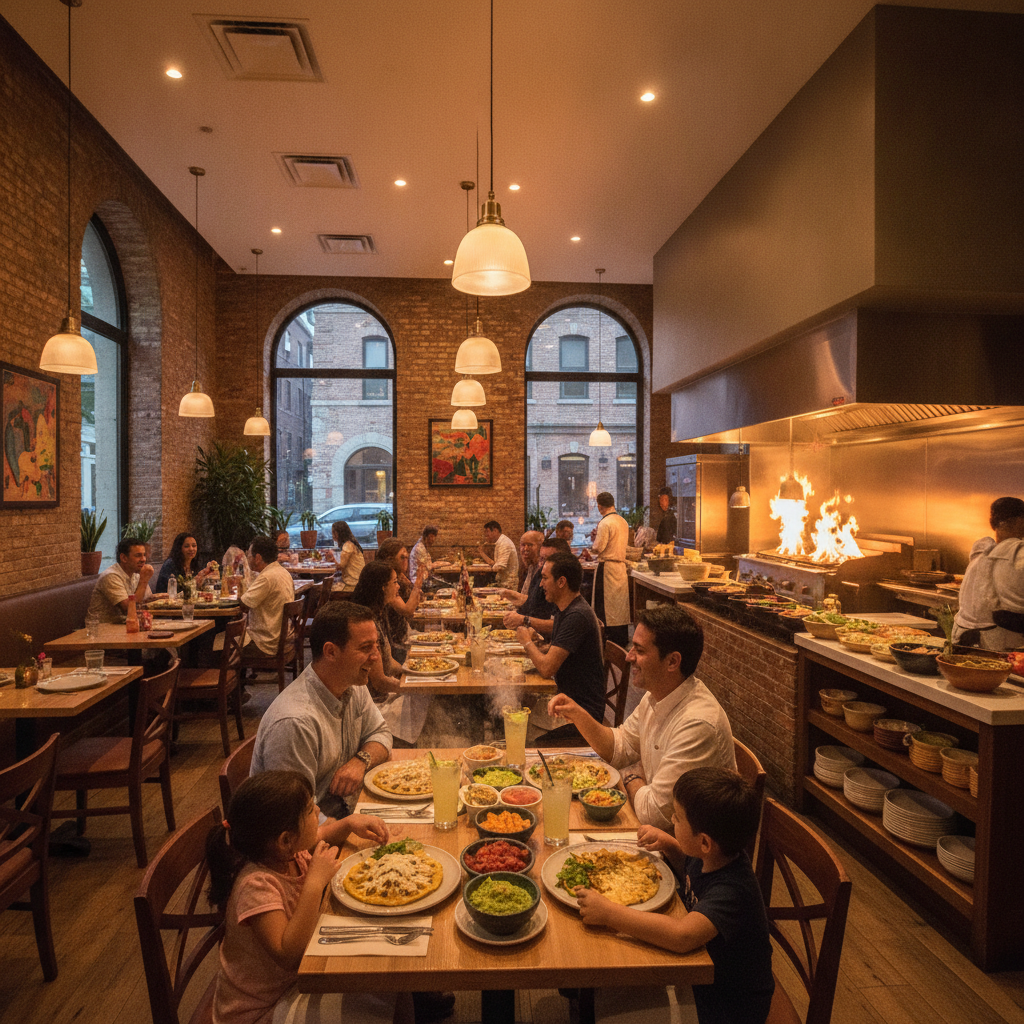
Choosing a Mexican grill for dine-in is the process of evaluating food quality, grill technique, service pace, and atmosphere to match your occasion in Old Toronto. Look for consistent searing on proteins, balanced salsas, reliable wait times, and family-friendly seating. This guide shows how to assess options quickly and confidently.
By Sam Patel — Founder, La Rio's Mexican Grill
Last updated: 2026-06-29
Quick Summary
Pick a Mexican grill for dine-in by checking the grill craft, salsa balance, dietary flexibility, service timing, and seating comfort. A quick five-minute walk-through—scan the grill, taste a salsa, note wait times, and check table spacing—usually predicts a smooth, flavorful meal.
Here’s the fast checklist to use before you sit down in Old Toronto:
- Grill technique: Look for even sear marks, sizzling sound, and clean smoke.
- Salsa & sides: Bright acidity, fresh herbs, and proper heat levels.
- Dietary options: Clear vegetarian, gluten-aware, and dairy-light choices.
- Service pace: First touch in 5–10 minutes during standard dinner hours.
- Seating & noise: Comfortable spacing for conversation; family-friendly layout.
Local considerations for Old Toronto
- Pre-show dining near The Bentway? Aim for a 45–60 minute dine-in plan and ask about waitlist texting.
- Weekend afternoons by Trinity Bellwoods Park can spike traffic. Join a waitlist early and request patio seats if available.
- If you dine with kids, ask for booth seating and staggered plating; it shortens table time and keeps everyone happy.
What makes a great Mexican grill for dine-in?
A top Mexican grill pairs precise searing with bright, fresh salsas, offers flexible dietary options, and runs a predictable dining rhythm. You should see clean hot grills, consistent portions, and a host stand that communicates realistic wait times and seating options.
When we host families and local diners, we’ve found a few signals rarely mislead:
- Hot, clean grill grates: Even browning on carne asada, chicken asado, and shrimp translates to savory depth and tenderness.
- Balanced salsa lineup: One fresh, one roasted, and one creamy option lets tables mix heat and texture.
- Clear pathways: Servers can move without weaving; food arrives warm and intact.
- Predictable timing: Most casual dine-in tables spend 45–75 minutes; first bites arrive within 15–20 minutes of ordering.
- Menu clarity: Dishes are explained in plain language with protein and topping choices clearly shown.
Real example from our team: when guests choose grilled shrimp or chicken asado, we cue the grill and synchronize sides so hot proteins land the table with warm tortillas within a 2–3 minute window. That timing protects texture—and your experience.
How to choose a Mexican grill for dine-in: step-by-step
Use a seven-step scan: define your occasion, vet location and waitlist, check grill craft, validate salsa and sides, confirm dietary flexibility, assess seating and noise, and preview service pacing. Ten minutes of evaluation prevents the most common dine-in frustrations.
Step 1: Define your occasion and must-haves
- Clarify group size (2, 4–6, or 7+), noise tolerance, and whether you need kid-friendly service.
- Decide on protein focus: steak, chicken, seafood, or vegetarian.
- Set a target dining window: 45–60 minutes for pre-event meals; 75–90 minutes for relaxed gatherings.
Action: Write these on your phone notes. It speeds up host stand decisions.
Step 2: Check location, access, and waitlist flow
- Look for walkability and transit convenience in Old Toronto; plan buffer time on weekends.
- Ask if the restaurant offers text-based waitlists or reservations for peak hours.
- Glance at the entrance flow: a steady, friendly host line usually beats a crowded foyer.
Action: If the quoted wait is 30 minutes, ask if you can stroll nearby and receive a text ping when seats free up.
Step 3: Scan the grill and kitchen line
- Listen for a crisp sizzle and watch for controlled flare-ups—brief flames, not constant fire.
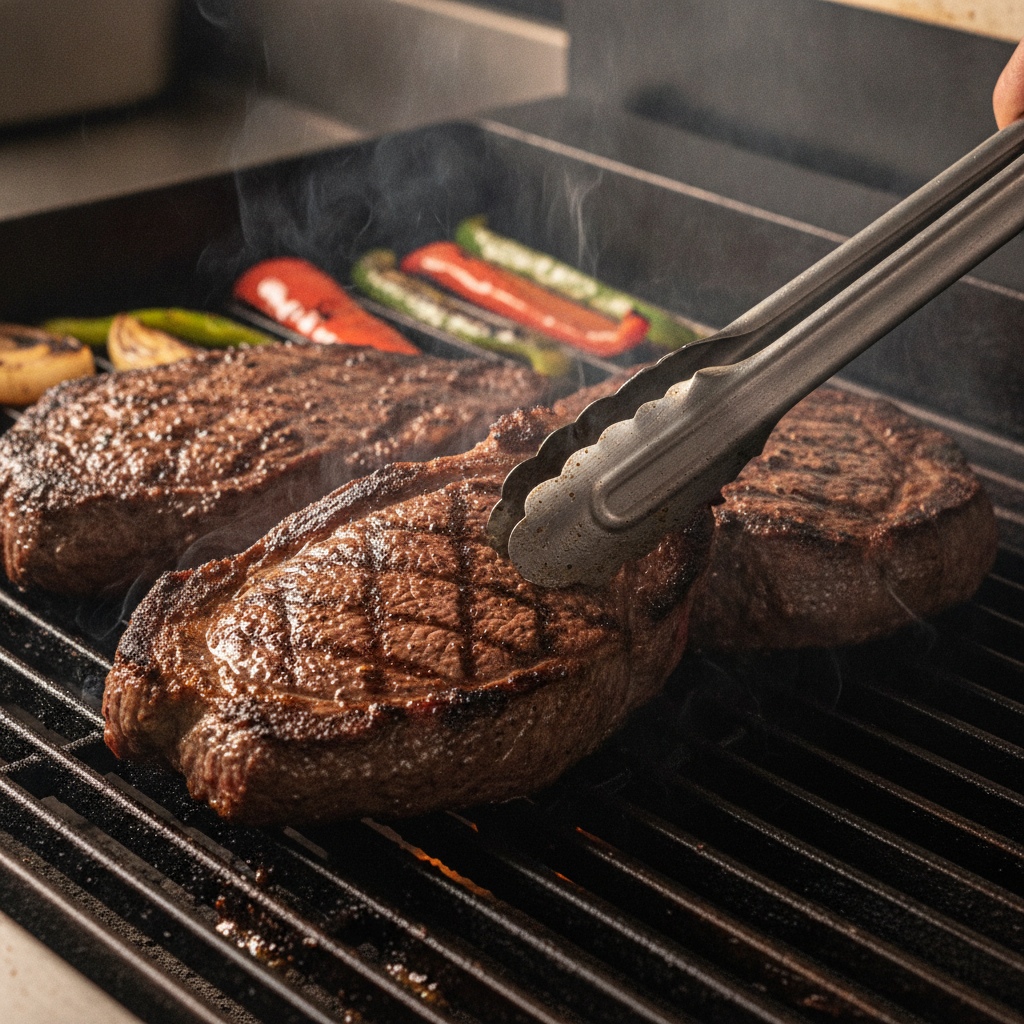
- Check grill marks: consistent crosshatch on steak and even caramelization on chicken signal good heat management.
- Notice smoke color: thin and blueish hints at clean heat; thick white smoke can suggest grease buildup.
Action: If you’re curious about a dish, ask your server which proteins are prepped to order versus pre-held—freshly grilled wins for texture.
Step 4: Taste-test a salsa or ask for a quick sample
- Confirm acidity and salt: bright lime and a touch of salt make grilled meats pop.
- Check heat levels: offer mild, medium, and hot so the whole table’s happy.
- Look for fresh herbs and chopped onions that still have snap.
Action: If the salsa is flat, the meal often follows suit. A lively salsa bar is a strong proxy for overall quality.
Step 5: Validate dietary and customization options
- Gluten-aware tortillas and bowls, dairy-light add-ons, and vegetarian proteins (beans, grilled vegetables) keep mixed groups easy.
- Clear ingredient lists help guests with allergies decide fast.
- Flexible sides—rice or greens, beans or roasted veggies—prevent order friction.
Action: Ask for a simple swap test (e.g., bowl instead of tortilla); the response time reveals how adaptable the kitchen is.
Step 6: Assess seating comfort and noise
- Booths for families; tables with 26–30 inches of width per diner for comfort.
- Moderate background music lets you chat without shouting.
- Look for stable tables and sturdy high chairs when dining with kids.
Action: If noise peaks, request a corner or wall-adjacent table; it can drop perceived volume by a noticeable margin.
Step 7: Preview service pacing
- Target first beverage within 5–10 minutes of seating during typical dinner rush.
- Entrees for a four-top usually land 15–25 minutes after ordering in casual grills.
- Watch how servers manage multiple tables: smooth tray runs beat back-and-forth trips.
Action: If timing matters (pre-show), let the server know your out-by time up front; it aligns kitchen firing.
Side-by-side comparison: what to look for
Use this quick table to compare Mexican grills. Focus on grill craft, salsa quality, seating comfort, and service timing. Strong performance in these areas predicts consistent, enjoyable dine-in experiences for couples, families, and groups.
| Factor | What Good Looks Like | Quick Check | Why It Matters |
|---|---|---|---|
| Grill technique | Even sear, juicy interior, controlled flame | Watch the line for 60 seconds | Flavor depth and tenderness |
| Salsas & sauces | Fresh, balanced acidity, layered heat | Sample a mild and a hot | Elevates grilled proteins |
| Dietary flexibility | Clear vegetarian and gluten-aware choices | Ask for a simple swap | Happy mixed-diet tables |
| Seating & layout | Comfortable spacing, stable booths, kid-ready | Scan table widths and traffic lanes | Conversation and safety |
| Service pacing | First touch in 5–10 minutes | Note time-to-beverage | Predictable meal window |
| Cleanliness | Clear tables, tidy floors, polished stations | Check corners and bussing speed | Food safety and comfort |
Buying guide: dine-in checklist you can save
Before committing to a table, run this checklist: confirm wait time, inspect the grill, taste a salsa, ask about swaps, choose seating, and share your timing needs. These six moves prevent 80% of common dine-in hiccups.
- Waitlist or reservation: Ask for realistic timing and text alerts.
- Grill snapshot: Quick look at sear, smoke, and station cleanliness.
- Salsa sample: Verify brightness and heat options.
- Swap test: Try a bowl-for-tortilla or beans-for-rice request.
- Seating choice: Booth for kids, corner for conversation, patio for breeze.
- Out-by time: Tell the server your target; it guides kitchen pacing.
If you’re hosting at home soon, note that dine-in quality often mirrors catering quality. For example, our team’s taco bar catering and buffet-style Mexican catering follow the same grill-first timing we use in service, which keeps proteins juicy at scale.
Menu examples that signal good grill work
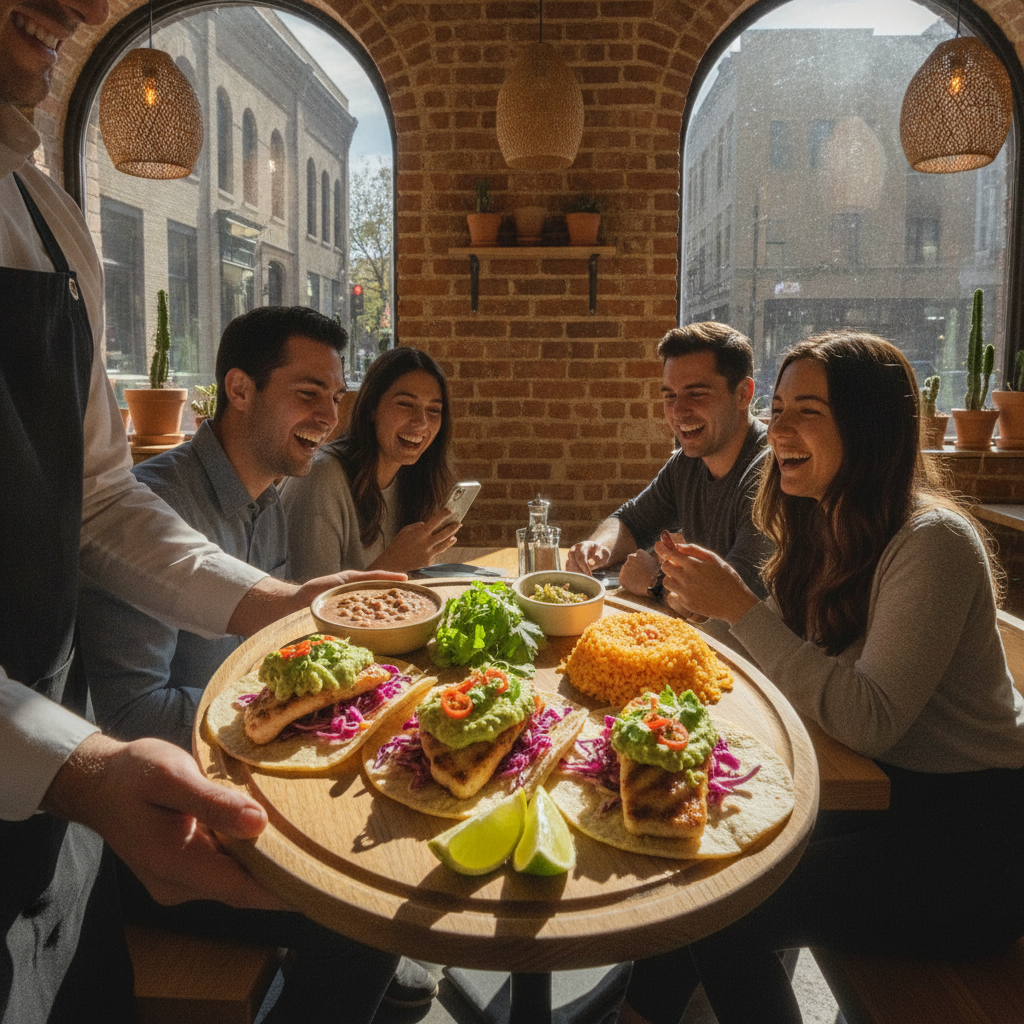
Look for simple, grill-forward dishes with clear protein choices. A focused menu—steak, chicken asado, shrimp, and a vegetarian bowl—usually means better execution and faster service.
Here are examples from our own kitchen that guests often use as a quality check:
- Rio’s Shrimp Tacos: Quick sear keeps shrimp tender; a squeeze of lime brightens the finish.
- Chicken Asado Tacos: Even caramelization on the edges is a tell for proper heat control.
- Ground Beef Tacos: Consistent seasoning and warm tortillas make a reliable starter set.
- Ground Beef Quesadilla: Crisp exterior with melted center indicates griddle balance.
- Rio’s Shrimp Quesadilla: Timing is everything—pulling it the moment cheese binds prevents sogginess.
In our experience, tight menus outperform sprawling ones for dine-in consistency. The kitchen repeats core techniques all night, which shows up in plate-to-plate reliability.
Troubleshooting: fix common dine-in snags
Most dine-in snags resolve with proactive communication: flag timing constraints early, ask for a seat move, and request a quick kitchen check on temperature or doneness. Small adjustments protect the rest of the meal.
- Long first touch: Politely ask the host to confirm your server assignment; a gentle nudge often helps during peak times.
- Too much heat: Request a milder salsa or a side of crema to soften the spike.
- Tough protein: Ask for a quick re-fire or a thinner slice; it restores tenderness.
- Noisy table: Ask for a corner, booth, or patio shift when available.
- Group off-sync: Request staggered plating for kids or seniors first; it reduces table stress.
We coach our team to solve within two minutes when possible. Rapid fixes keep the evening on track.
Advanced tips from the grill line
Ask your server which proteins are cut to order, which salsas are made today, and how the kitchen fires mixed tickets. Small tells—like fresh-cut cilantro and just-warmed tortillas—separate good from great.
- Two-salsa rule: Pair a fresh salsa verde with a roasted salsa roja for layered flavor.
- Heat pairing: Order one medium-heat item and one mild across the table to keep variety.
- Texture check: For quesadillas, request a minute more on the plancha if you like extra crisp.
- Ticket sync: For large groups, ask the server to group fire tickets so entrees land together.
- Leftover strategy: Bowls and quesadillas often reheat better than delicate shrimp tacos.
These moves are small but stack into a noticeably better experience—especially for family nights and pre-show dinners.
Planning a gathering? Our kitchen runs the same grill-first timing for dine-in and events. Explore taco bar catering or buffet-style Mexican catering for your next get-together.
FAQ: choosing a Mexican grill for dine-in
Pick faster by focusing on grill craft, salsa quality, dietary options, seating comfort, and service timing. These five signals predict a smooth dine-in experience more reliably than decor or hype.
How do I tell if a grill is truly hot enough?
Watch proteins hit the grates: you should see immediate sizzle, light smoke, and quick browning without sticking. Consistent crosshatch on steak and even caramelization on chicken are strong indicators of proper heat and clean grates.
What should families look for when dining with kids?
Ask for booth seating, confirm high-chair availability, and request staggered plating if needed. Aim for a 60–75 minute window and ask for mild salsa and warm tortillas on the side so kids can assemble at their pace.
Is a smaller menu better for dine-in quality?
Often, yes. Focused menus let the kitchen repeat core techniques, which improves timing and consistency. If your group needs variety, confirm add-ons and sides to customize plates without overwhelming the line.
How early should I join a waitlist on busy weekends?
If you’re near Trinity Bellwoods Park or pre-event at The Bentway, plan 30–45 minutes ahead and request text alerts. Share your out-by time at seating so the server can pace drinks, appetizers, and entrees accordingly.
Additional resources
Explore menu frameworks and examples to refine your dine-in checklist. Reviewing sample menus and catering formats helps you predict grill pacing, protein options, and dietary flexibility before arrival.
- Browse a regional Latin/Mexican category to see common dish patterns: Mexican & Latin category.
- Review another sample list for variety cues that match dine-in flow: Typical Mexican listings.
- Preview how grill-first pacing translates to events: Taco bar catering overview.
Key Takeaways
Evaluate grill craft, salsa brightness, dietary flexibility, seating comfort, and service timing. A quick on-site scan and a few smart questions predict a smooth, flavorful dine-in experience every time.
- Grill technique and salsa quality predict flavor more than decor.
- Share timing needs early; it aligns kitchen firing and reduces stress.
- Seating choice controls noise, comfort, and table time.
- Compact menus often deliver faster, more consistent plates.
Conclusion
The best way to choose a Mexican grill for dine-in is to run a quick, structured check: grill, salsa, swaps, seating, and timing. In Old Toronto, these five cues beat hype and photos—leading you to warm service and memorable plates.
Use the seven-step scan on your next night out. And if you’re planning a get-together, our team can mirror the same grill-first rhythm for events through buffet-style catering or a customizable taco bar.
Ready to plan? Book a relaxed tasting-style dine-in with friends, then explore event options the same week—your future self (and guests) will thank you.