How to Compare Mexican Restaurant Catering Options (2026 Guide)
Learn how to compare Mexican restaurant catering options with a clear checklist, table, and step-by-step process tailored for Old Toronto events.
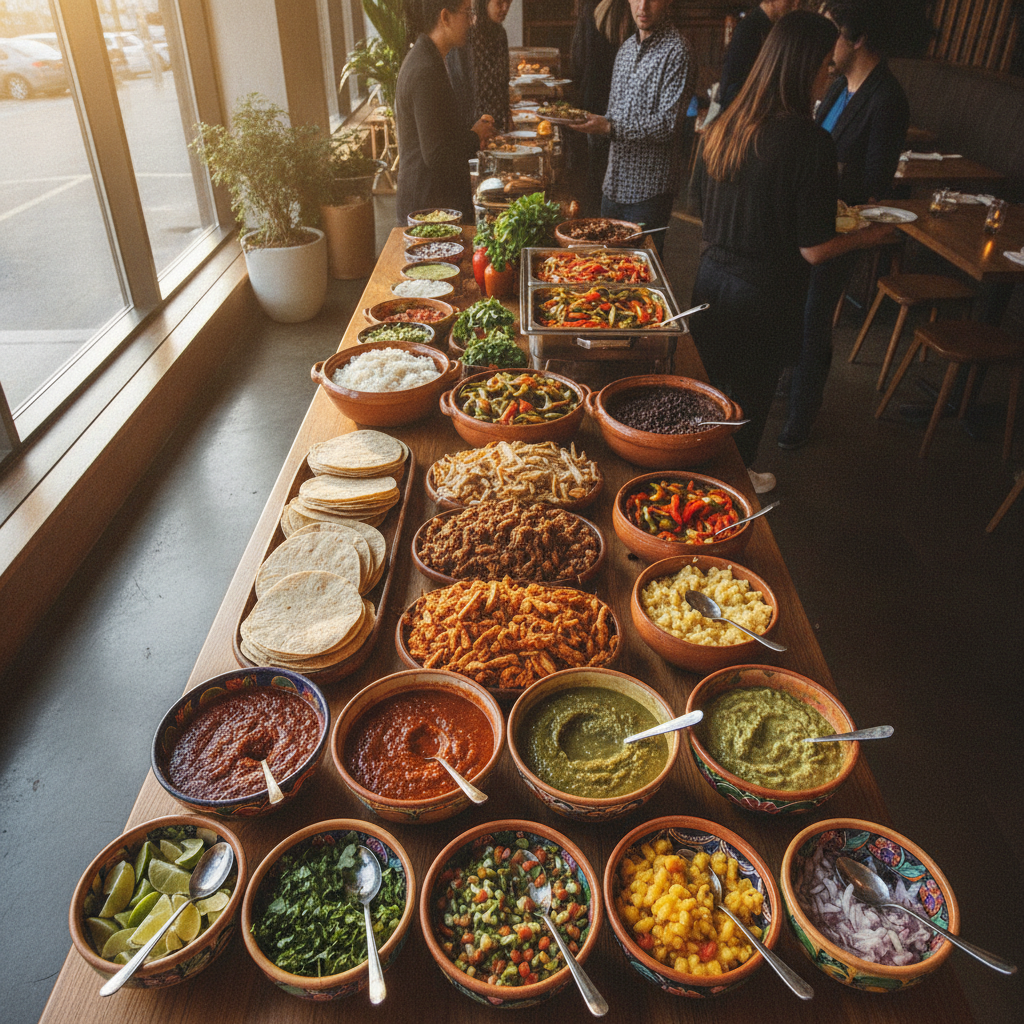
Comparing Mexican restaurant catering options is the structured evaluation of menu flexibility, dietary accommodations, logistics, and service reliability. In Old Toronto near 746 Queen St W, La Rio's Mexican Grill offers dine-in, takeout, and catering. Use this step-by-step guide to assess local providers confidently and match the right format to your event.
By Sam Patel — Founder, La Rio's Mexican Grill — Last updated: 2026-06-14
Quick Summary
Compare Mexican catering by scoring four pillars: menu variety, dietary coverage, logistics, and service reliability. Confirm hot-holding and delivery windows, request tastings or recent photos, and map portions to guest counts. Use a simple scorecard to rank providers side-by-side before you commit.
This at-a-glance overview helps you spot the best fit fast and avoid day-of surprises. You’ll weigh practical factors such as buffet setup time, vegetarian and gluten-aware balance, staffing ratios, and cleanup responsibilities. The next sections turn each decision into clear steps—with examples from our Toronto catering work.
- What you’ll learn: a comparison framework, a 12-point buying guide, a step-by-step workflow, a side-by-side table, and fix-it tips.
- Who it’s for: office managers, wedding planners, community organizers, and families planning group meals.
- Where it applies: Old Toronto and the broader Toronto metro area, from backyard gatherings to corporate meetings.
Quick baselines save time: plan 2–3 tacos per adult for lunch, 3–4 for dinner; 8–10 linear feet of table space supports a 50-guest taco bar; 1 attendant per 40–50 guests speeds lines during the first 20 minutes of service.
Before You Start (Prerequisites)
Define headcount, dietary needs, venue rules, and serving style before you compare catering. A clear brief cuts emails, yields accurate portions, and reveals which Mexican restaurants can execute your event in Old Toronto and the Toronto metro.
Great inputs produce great outcomes. Lock these details so vendors respond with precise options and you can compare apples to apples.
Local considerations for Old Toronto
- Weekend traffic and event overlaps near Trinity Bellwoods Park can add 10–30 minutes to delivery windows. Build a buffer for setup and hot-holding.
- Summer patio season and year-end holidays compress kitchen capacity. Reserve dates early and confirm equipment drop-off/pickup times in writing.
- Many venues restrict open flame. Ask for electric chafers or insulated carriers and confirm power access in advance.
Gather these details
- Guest counts and mix: adults, teens, kids; plan for seconds (2–3 tacos/adult at lunch, 3–4 for dinner).
- Dietary matrix: vegetarian, vegan, gluten-aware, dairy-free, nut-free, halal; list known allergens.
- Venue constraints: loading zone, elevators, staging area, tables, power outlets, time-in/time-out rules.
- Serving style: full-service buffet, drop-off buffet, or individually packaged meals.
- Schedule: guest arrival, service start, speeches, and end; add a 20-minute buffer for the buffet line.
At La Rio's Mexican Grill, we routinely cater across Old Toronto’s mixed venues. Clear briefs let us propose the right format—for example, a taco bar with two proteins plus a vegan pan for 80 guests, or individually packaged bowls when seating and table space are tight.
Temperature and timing are non-negotiable: hot foods should hold at 140°F/60°C or above; deliveries should land 15–30 minutes before service so lines open smoothly and guests eat on schedule.
Step-by-Step: How to Compare Mexican Restaurant Catering Options
Score each provider across nine factors: menu range, portions, dietary handling, taste/quality, delivery, setup gear, staffing, sustainability, and post-event support. Ask identical questions, capture answers in a worksheet, and total scores. The best operational fit wins.
Use this repeatable process. It’s built for busy planners who need clarity fast without missing crucial details.
- Shortlist 3–6 candidates who serve your venue and date. Include at least one buffet-first caterer and one boxed-meal option.
- Send the same brief to each. Keep headcount, dietary split, and schedule consistent so you can compare results fairly.
- Request a mini tasting or recent event photos. If tastings aren’t feasible, ask for two protein photos and a salsa lineup image from the last 90 days.
- Pressure-test logistics: delivery window, driver contact, access path, and table requirements. For buffets, plan 8–10 feet of table length per 50 guests.
- Confirm hot-holding: food should remain at 140°F/60°C+. Ask about insulated carriers, chafers (electric vs. fuel), and refill strategy.
- Map portions to your crowd: expect 4–5 oz total proteins/guest across choices, 3–4 tortillas/guest, and ample vegetables to balance plates.
- Evaluate dietary coverage: ensure at least one hearty vegan/vegetarian main and clear allergen labels at eye height.
- Right-size staffing if full-service: a 1:40–50 attendant-to-guest ratio keeps lines under 10 minutes at peak.
- Document cleanup: who removes chafers, disposables, and liners? Clarify post-event pickup windows and access.
- Score and decide: rate each factor 1–5 and total. Share the sheet with stakeholders to secure buy-in quickly.
In our experience, the two biggest differentiators are delivery discipline and labeling clarity. When arrivals hit a 20-minute buffer and every pan is labeled, lines move 30–40% faster and guests eat sooner.
Side-by-Side Comparison Table
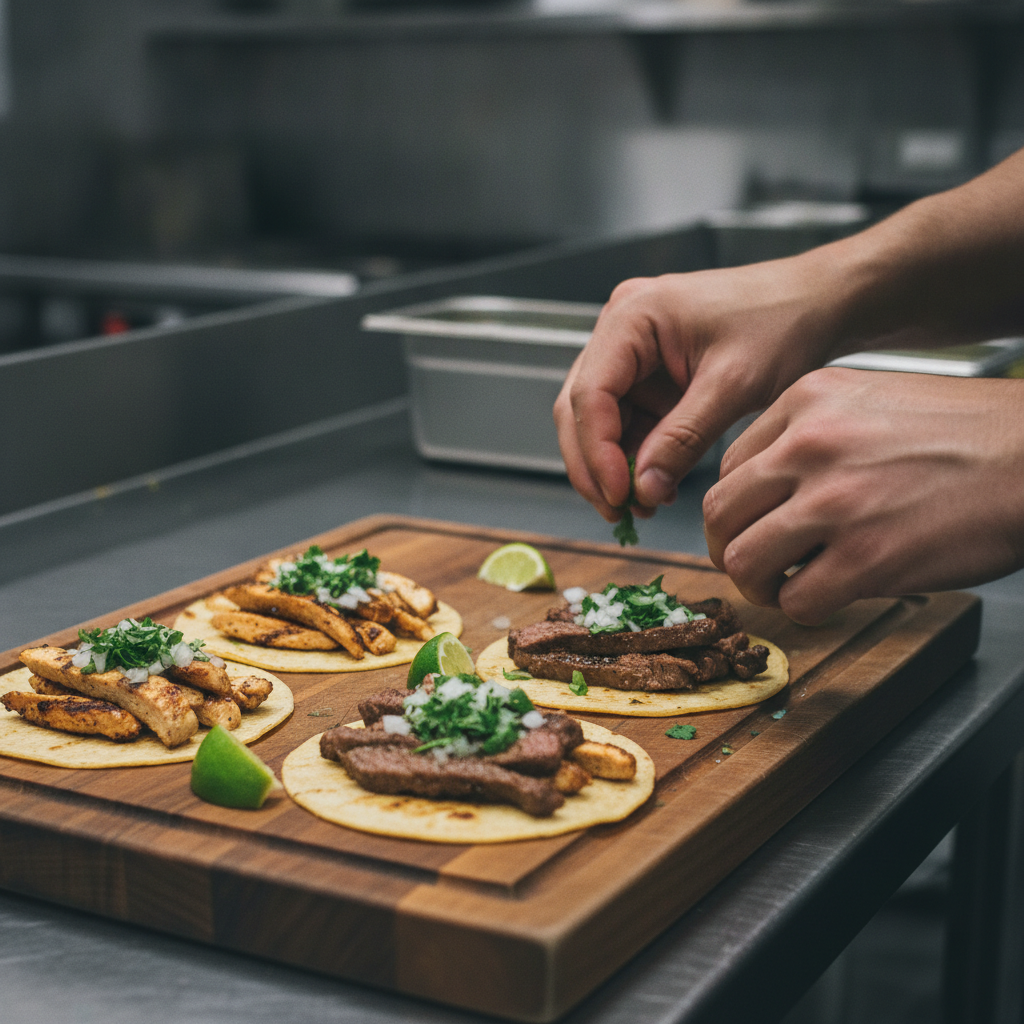
Use this matrix to compare full-service buffet, drop-off buffet, and individually packaged meals. Match your event constraints—timing, venue limits, dietary mix—to the format that keeps lines short, food hot, and guests happy in Old Toronto and metro Toronto.
| Format | Best For | Pros | Watch-outs | Equipment |
|---|---|---|---|---|
| Full-service buffet | Weddings, VIP events, 100–500 guests |
|
|
Chafers, electric or fuel heat, cambros, sneeze guards |
| Drop-off buffet | Office lunches, casual parties, 20–100 guests |
|
|
Wire racks, pans, insulated carriers |
| Individually packaged | Training days, boardrooms, outdoor events |
|
|
Food-safe boxes, labeled stickers |
For many Old Toronto offices, a drop-off taco bar balances variety with speed. Where open flame is limited, individually packaged bowls maintain temperature and labeling without chafers or fuel.
Buying Guide: 12 Criteria That Actually Matter
Judge providers with a 12-point checklist covering menu depth, dietary coverage, portion models, logistics, labeling, equipment, staffing, sustainability, packaging, communication, reviews, and post-event support. A balanced scorecard prevents flashy photos from masking execution gaps.
1) Menu depth and authenticity
- Protein range: grilled chicken, steak, al pastor, shrimp, and plant-based mains. Three or more proteins support 50–150 guests without running light.
- Signature salsas: aim for three heat levels plus fresh pico for brightness; 1 quart covers roughly 12–15 guests.
- Example: build around our classic anchor—see al pastor tacos—and add a citrus-marinated chicken for balance.
2) Dietary coverage and labeling
- Offer a complete vegan plate (protein + starch + veg), not just sides. One hearty vegan main per 20–30 guests is a practical target.
- Gluten-aware tortillas and separated utensils minimize cross-contact at busy stations.
- Clear labels at eye level reduce repeat questions and shorten lines by several minutes.
3) Portion modeling that fits your crowd
- Plan 2–3 tacos/adult at lunch, 3–4 for dinner or longer programs.
- Add 1 quart of salsa per 12–15 guests and bulk aguas frescas at about 1 gallon per ~25 people.
- Target 4–5 oz/guest across rice, beans, and vegetables to keep plates balanced.
4) Logistics and delivery discipline
- Delivery window: land 15–30 minutes before service start.
- Access notes: specify loading zones, elevators, and a day-of phone contact.
- Table footprint: expect 8–10 linear feet per 50 guests for a standard taco bar.
5) Labeling, signage, and guest flow
- Left-to-right order: plates → tortillas → proteins → hot sides → salsas → toppings. Consistent layouts cut hesitation time.
- Place tongs every 2–3 pans to keep the line moving.
- Use a two-line mirror for groups over 120 to halve queue time.
6) Equipment and temperature control
- Keep hot foods ≥ 140°F/60°C. Insulated carriers bridge transit; chafers maintain holding temps.
- Ask about electric vs. fuel heat when venues restrict open flame.
- Confirm serving utensils and backups are included to avoid mid-service shortages.
7) Staffing model (if applicable)
- Plan 1 attendant per 40–50 guests for speedy service and replenishment.
- Assign a captain for coordination and on-the-fly adjustments.
- Clarify uniform and sanitation expectations with your provider.
8) Packaging and sustainability
- Favor recyclable or compostable packaging where possible.
- Request bulk beverages over single-serve to cut waste and simplify cleanup.
- Use squeeze bottles for condiments to reduce disposables and speed service.
9) Communication and documentation
- Expect a clear confirmation: menu, counts, arrival time, pickup window, and access plan.
- Ask for a simple floor plan sketch for large events to pre-approve guest flow.
- Keep one point of contact for the event day to reduce delays.
10) Reputation and recent work
- Review recent photos (past 6 months) of taco bars and fajita stations to check presentation and labeling.
- Ask for similar-size event references when your group exceeds 150 guests.
11) Safety and allergen awareness
- Confirm separate utensils for common allergens and clear labeling language.
- Stage a dedicated vegan/vegetarian area when possible to avoid cross-contact.
12) Post-event support
- Clarify breakdown and pickup of equipment and the handoff process.
- Request a brief post-event debrief to tune future menus and flow.
Want a deeper look at formats? Explore our internal resources on buffet-style Mexican catering, taco bar catering in Toronto, and individually packaged catering. When you’re ready, share details via our catering request form.
Planning an event in Old Toronto? La Rio's Mexican Grill caters taco bars, fajita pans, and boxed bowls from our Queen St W location. See our catering overview and send your brief for tailored recommendations.
Troubleshooting: Fix Common Comparison Snags
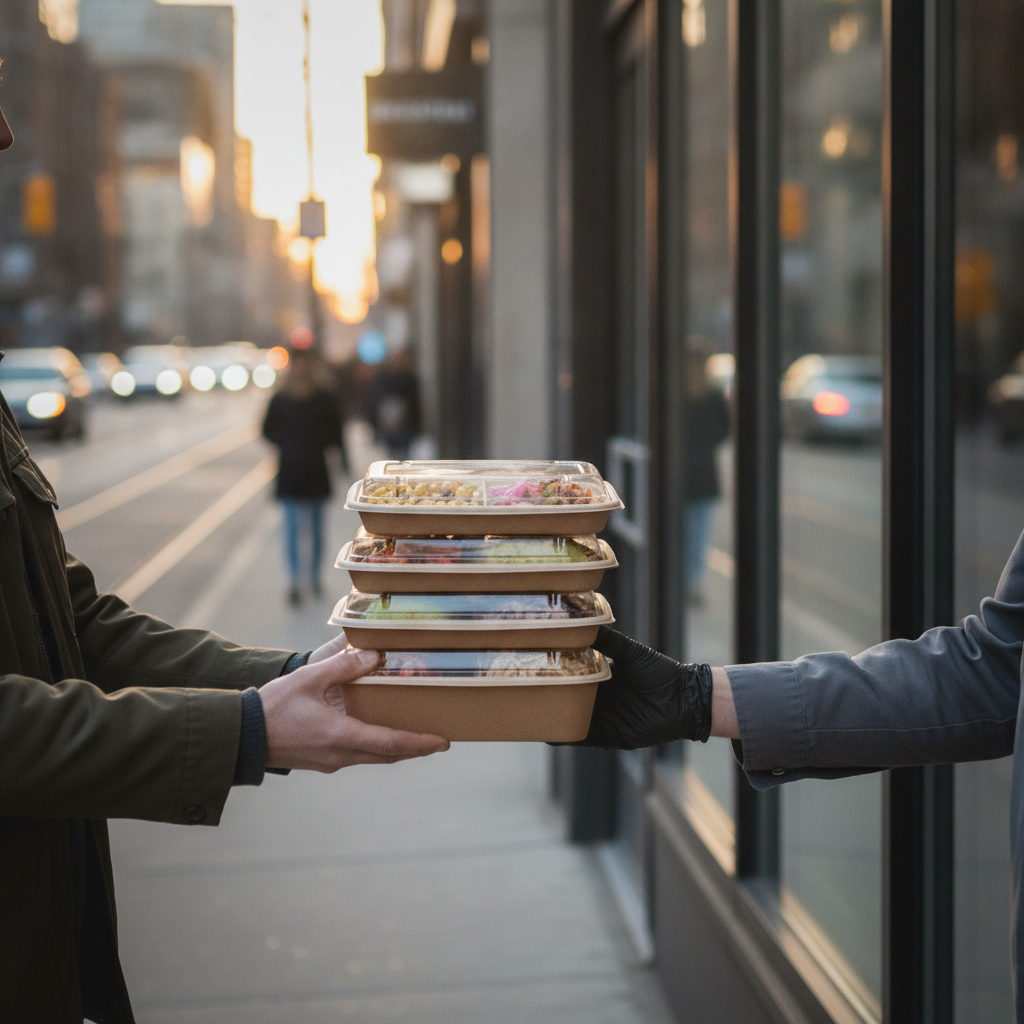
If quotes aren’t comparable, standardize your brief, ask identical follow-up questions, and build a 1–5 scorecard. For late deliveries or temperature worries, add buffers, request insulated carriers, and pre-stage tables to cut setup time.
Quotes that don’t match
- Resend the same headcount and schedule to each provider so portions align.
- Ask for line-item clarity on staffing, equipment, and packaging to avoid guesswork.
- Use a 9-factor score (menu, portions, dietary, taste, delivery, equipment, staffing, sustainability, support) to reveal the best fit.
Temperature control anxiety
- Request insulated carriers for proteins and rice/beans during transit.
- Stage chafers with hot water before pans arrive to minimize warm-up time.
- Designate a temp check before opening the line; holding at 140°F/60°C+ is the goal.
Line backups
- Mirror the line for 120+ guests to keep waits under 10 minutes.
- Use two protein pans instead of one large pan to speed service.
- Add a roaming attendant during the first 20 minutes to clear bottlenecks.
Keep a simple host kit: tape, markers, spare utensils, and a printed station map. Small touches prevent big delays and keep guests moving.
Advanced Tips for Power Planners
Lock in execution quality with small, high-impact moves: a five-minute pre-brief call, labeled dietary placards, mirrored lines, and a backup salsas tray. These steps stabilize service during the busiest 20 minutes of any event.
- Five-minute pre-brief: walk delivery path, elevator timing, and line layout to eliminate day-of surprises.
- Dietary placards: color-code vegan/vegetarian/gluten-aware items for quick scanning and fewer questions.
- Mirror stations at 120+ guests to halve queues and keep temperatures stable.
- Backup salsas in squeeze bottles for speed and cleanliness during peak service.
- Hydration corner: aguas frescas plus water pitchers near the exit relieve congestion around the buffet.
- Staggered release: dismiss tables in waves (every 3–5 minutes) to keep the line flowing.
- Venue map: a one-page diagram of table placement and power outlets reduces setup by 5–10 minutes.
If you’re weighing dine-in vs. takeout for smaller groups, remember our pillar topic: Mexican grill takeout vs. dine-in tradeoffs. For many stand-ups, individually packaged bowls beat sit-down timing and simplify cleanup.
Frequently Asked Questions
Here are concise answers to common questions about comparing Mexican catering. Each response focuses on logistics, portions, and dietary coverage so you can decide with confidence and move forward.
How many tacos per person should I plan?
Plan 2–3 tacos per adult for lunch or shorter events and 3–4 for dinners or longer agendas. Include extra vegetables and rice/beans so guests can round out plates without overloading the protein pans.
What’s the best serving style for tight venues?
Individually packaged bowls work well when staging space or open flame is restricted. They simplify labeling, reduce wait times, and keep dietary needs separate without chafing gear.
How do I compare providers fairly?
Send the same brief to each vendor, ask identical follow-up questions, and score nine factors (menu, portions, dietary, taste, delivery, equipment, staffing, sustainability, support). The highest total fit usually signals the safest choice.
Do I need staff for a taco bar?
Not always. For groups under 60 with good staging, a drop-off buffet can run smoothly. For 100+, attendants speed lines, handle replenishment, and help maintain safe holding temperatures.
Conclusion and Next Steps
Great Mexican catering comparisons are simple: align your brief, score nine factors, and choose the best operational fit. When the plan matches your venue and guests, service flows, food stays hot, and everyone eats well.
- Key takeaways:
- Standardize your brief to compare apples to apples.
- Use a 12-point checklist and a 9-factor scorecard.
- Match format to venue limits and guest mix to keep lines moving.
- Action steps:
- Review our catering overview.
- Pick a format: taco bar, buffet-style, or boxed bowls.
- Share your brief via our request form.
Book a discovery chat in Toronto: Tell us about your guest count, venue, and timing. We’ll recommend the right format, portions, and setup from our Queen St W base in Old Toronto.
Additional Resources
For broader event-planning context, review these concise checklists and guides. They help you think through delivery windows, food presentation, and catering coordination in Toronto.
See a local planning perspective in this event food planning tips article. For corporate coordination ideas, skim this corporate catering guide. For delivery expectations, review this catering delivery page.