
Carnitas at Home: Get Crispy Pork Tacos Fast in 2026
Learn how to make carnitas at home with our step-by-step method from La Rio’s in Toronto—braise, shred, and crisp for taco-night perfection.
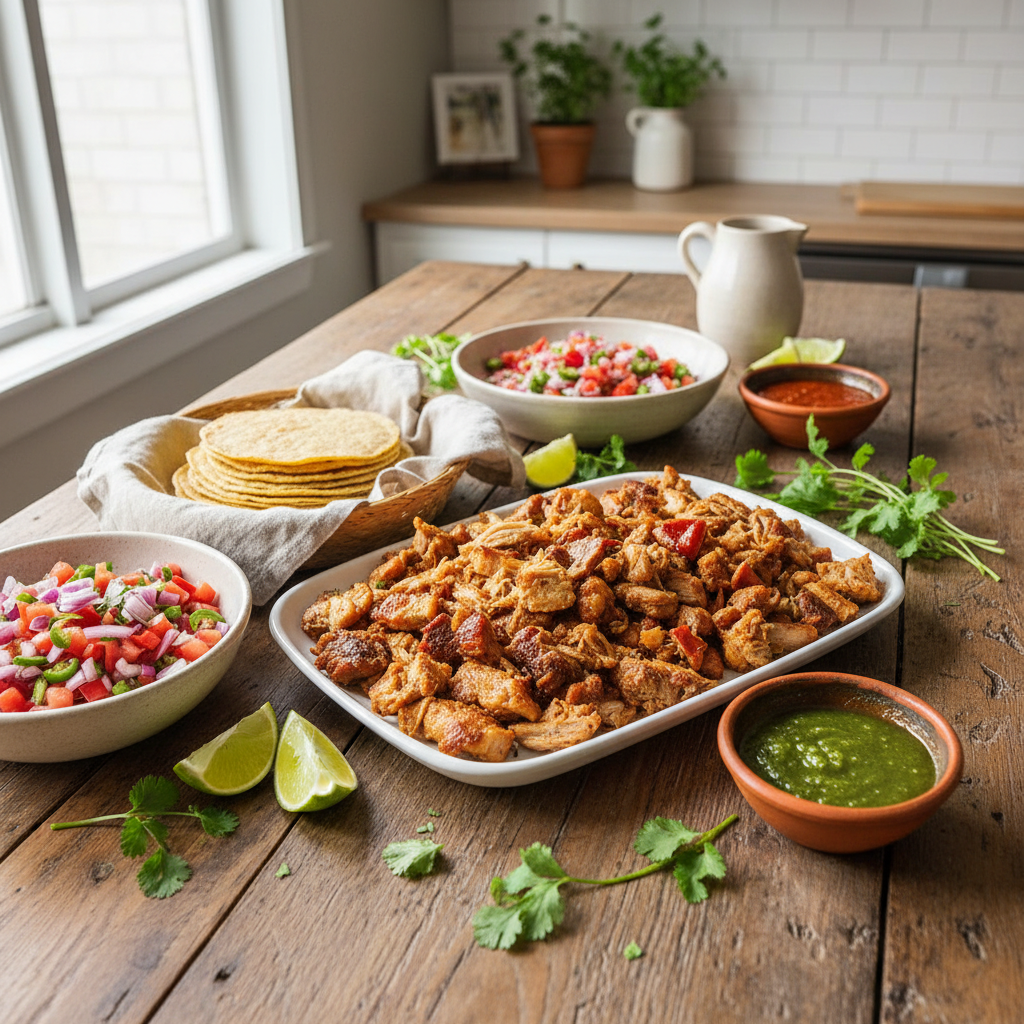
How to make carnitas at home is simple: braise pork shoulder with orange, garlic, and bay leaf until fork-tender, then shred and crisp the meat in its own fat for irresistible edges. From our kitchen at 746 Queen Street West in Toronto, we translate our Mexican grill workflow for home cooks in clear, repeatable steps.
By Sam Patel — Founder, La Rio's Mexican Grill
Last updated: 2026-05-06
Quick Summary
Make restaurant-quality carnitas by simmering pork shoulder low and slow (about 2.5–3 hours) with citrus and aromatics, then crisping the shredded meat in a skillet for 5–8 minutes. Aim for 195–205°F internal temperature for shredding, refrigerate leftovers within 2 hours, and reheat to 165°F for food safety.
Carnitas are Mexico’s crispy, juicy pulled pork. You’ll braise pork with orange, garlic, and bay leaf, shred it, then crisp the edges. Expect roughly 30 minutes of hands-on time, 2.5–3 hours total cook time, and yields that feed 6–8 people from a 3–4 lb shoulder.
- Cut size: 2–3 inch chunks for even cooking.
- Salt: about 1.5% of meat weight (7 g per 1 lb).
- Liquid: enough to barely cover meat; reduce uncovered in final 30 minutes.
- Crisping: 5–8 minutes in a hot skillet with a spoon of rendered fat.
- Storage: 3–4 days in fridge; up to 3 months frozen.
Introduction
Carnitas are pork shoulder cooked until tender, then crisped for contrast. The best home method mirrors taquería technique: slow, moist heat for collagen breakdown, followed by high-heat browning. This guide adapts our Old Toronto workflow to a home stove, oven, or pressure cooker.
At La Rio’s Mexican Grill, we focus on repeatable processes: consistent cuts, precise salting, and tight time windows for browning. Collagen converts to gelatin between 160–180°F; by 195–205°F, shoulder shreds easily. That’s your signal to crisp for texture and concentrated flavor.
Why it matters: texture sells the taco. Balanced fat rendering and surface dehydration yield those craveable, lacy edges. You’ll see the same cues we coach our team on every service. If you’re curious how carnitas differ from marinated spit-roasted pork, browse our al pastor pork tacos for a side-by-side flavor idea.
Before You Start (Prerequisites)
Choose pork shoulder (also called Boston butt), not loin. Salt to 1.2–1.8% by weight, gather orange, garlic, onion, bay leaf, and oregano, and pick your vessel: Dutch oven, heavy pot, or pressure cooker. Clear 3 hours for stovetop/oven or about 75 minutes under pressure.
What you need
- Pork shoulder: 3–4 lb yields tacos for 6–8.
- Salt: 1.5% of meat weight; pepper optional.
- Aromatics: 1 orange (halved), 6 cloves garlic, 1 onion, 2 bay leaves, 1 tsp dried oregano.
- Liquid: Water or low-sodium stock to barely cover.
- Cookware: 5–6 qt Dutch oven or Instant Pot; 12-inch skillet for crisping.
- For serving: Warm tortillas, cilantro, diced onion, lime, and salsa.
Why shoulder wins
Shoulder carries 12–20% fat with rich connective tissue. That combo prevents dryness during long cooks and provides built-in fat for post-braise crisping. Loin dries out under the same conditions. Expect roughly 30% moisture loss during braising—normal and desirable for flavor concentration.
Seasoning math (easy ratio)
- 2 lb meat → ~14 g salt (about 2 1/4 tsp fine salt).
- 3 lb meat → ~21 g salt (about 3 1/2 tsp).
- 4 lb meat → ~28 g salt (about 4 3/4 tsp).
Salting by percentage keeps batches consistent whether you’re cooking a small family dinner or prepping for a crowd. If your salt is coarse, measure by weight or season to taste as you shred and reduce.
Ingredient swaps and add-ins
- No orange? Use lime plus a teaspoon of brown sugar to balance acidity.
- No oregano? A pinch of thyme works in a pinch, though flavor changes.
- Want warmth? Add a cinnamon stick and two cloves to the pot.
- Spicy finish? Toss crisped pork with minced jalapeño or chipotle.
Local considerations for Old Toronto
- Plan weekend cooks around park picnics near Trinity Bellwoods Park; carnitas hold well and re-crisp on site in a skillet.
- Winter in Toronto slows evaporation; remove the lid for the last 30 minutes to concentrate flavors.
- Entertaining? Our dine-in, takeout, and catering teams at La Rio’s can handle tortillas, salsas, and sides so you can focus on the pork.
How to Make Carnitas at Home (Step-by-Step)
Cut shoulder into 2–3 inch chunks, salt to 1.5%, and load a Dutch oven with orange, garlic, onion, bay, and oregano. Simmer gently until 195–205°F (about 2.5–3 hours), reduce liquid, shred, then crisp portions 5–8 minutes in a hot skillet with the rendered fat.
These steps mirror our line-cook flow but scaled to a home stove. Keep heat gentle to protect juiciness, then finish with high-heat browning for contrast. The transition from moist heat to dry heat is what makes carnitas pop.
1) Prep and season (10 minutes)
- Trim excess surface fat, leaving some for flavor and browning.
- Cut into 2–3 inch chunks for even cooking and better browning area.
- Weigh meat; multiply by 0.015 for salt grams (approx. 7 g per pound).
- Optional: add 1 tsp ground cumin and 1 tsp black pepper.
2) Load the pot (5 minutes)
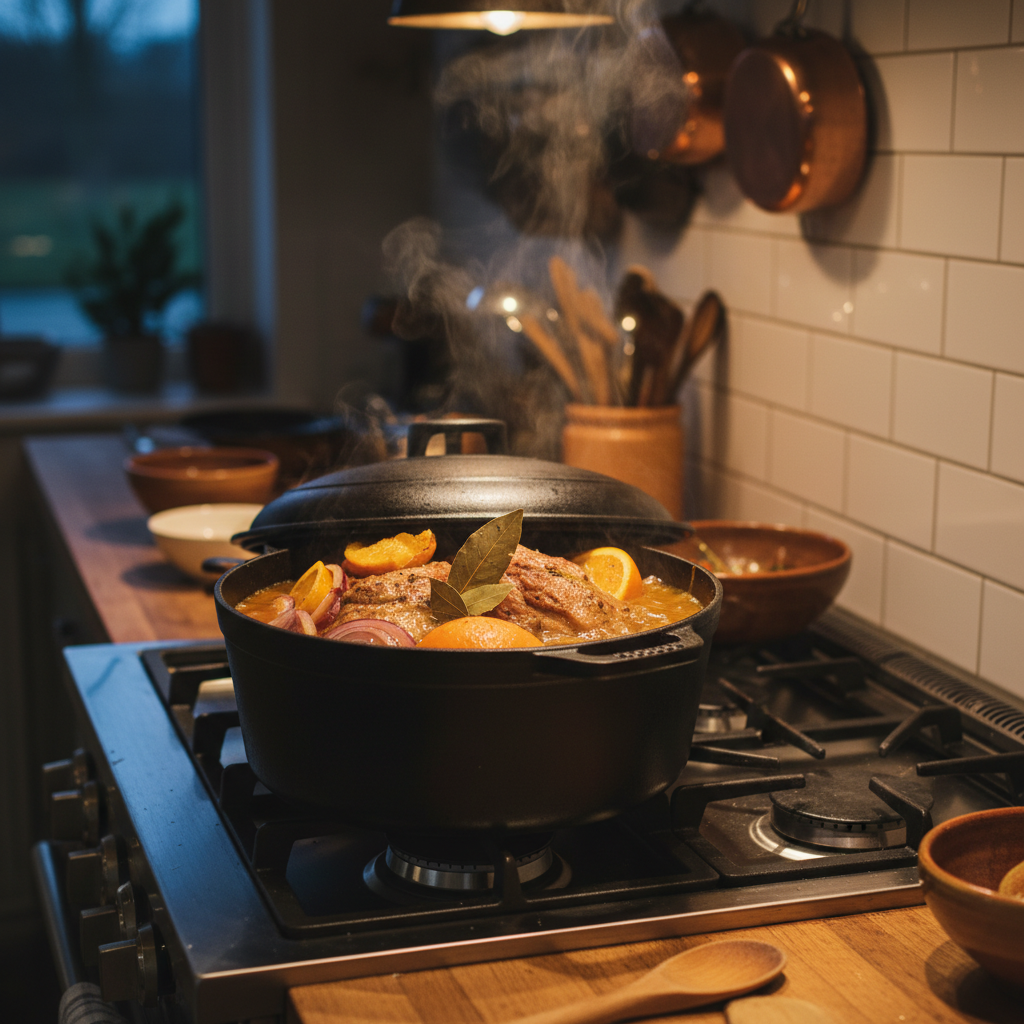
- Add pork, orange halves (squeezed), garlic cloves, onion wedges, bay leaves, oregano.
- Pour in water/stock to barely cover. Don’t drown it; excess liquid dilutes flavor.
3) Gentle simmer (2–2.5 hours)
- Bring to a bare simmer—occasional bubbles, not a rolling boil.
- Stir every 30 minutes to prevent sticking. Skim gray foam early.
- Target internal temp 195–205°F for shredding; collagen finishes converting.
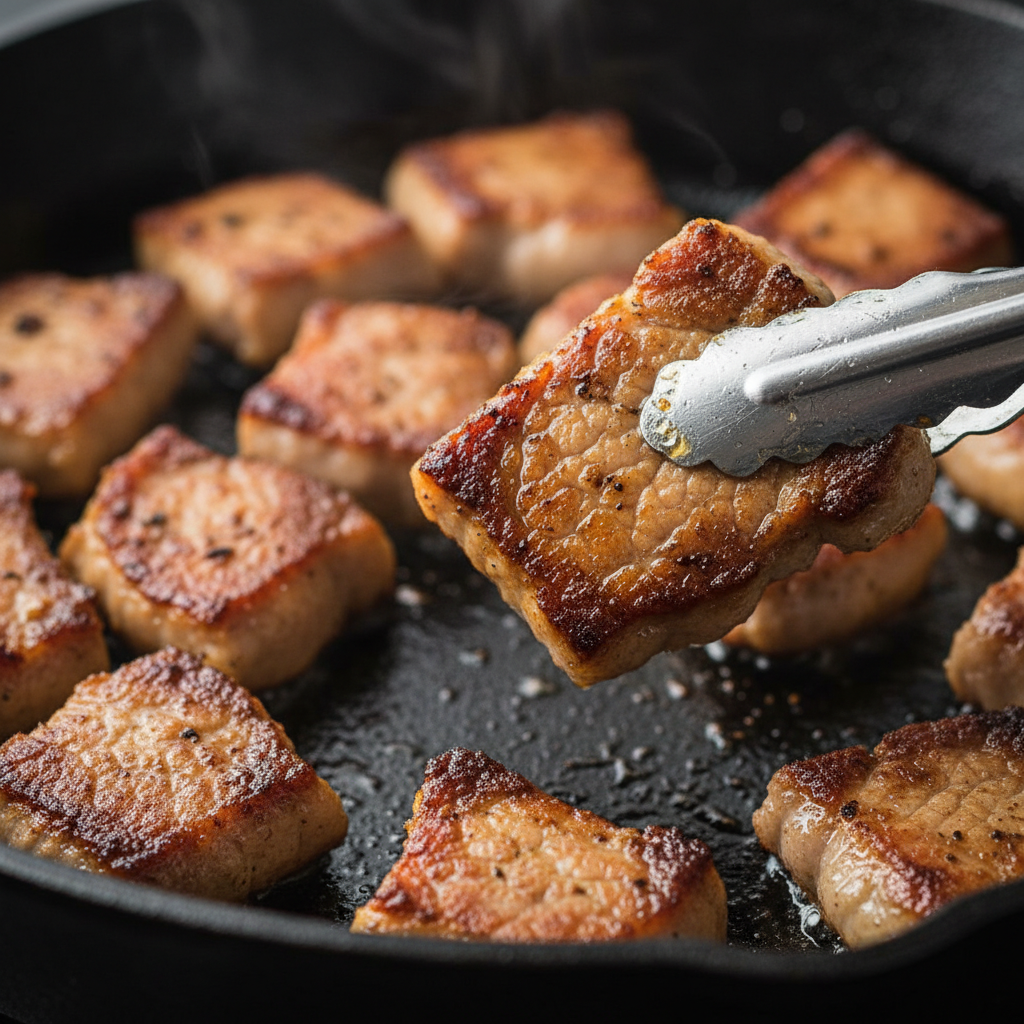
4) Reduce and concentrate (20–30 minutes)
- Remove lid for the last 30 minutes; let liquid reduce by about half.
- Rendered fat will rise—save 2–3 tablespoons for crisping later.
5) Shred (5–10 minutes)
- Lift out aromatics and bay leaves.
- Shred with two forks into bite-size strands; avoid mush by stopping once separated.
6) Crisp in batches (5–8 minutes per batch)
- Heat 1 tablespoon reserved fat in a skillet over medium-high until shimmering.
- Spread a thin layer of pork; don’t crowd. Let it sizzle undisturbed 2–3 minutes.
- Toss and repeat until edges turn golden and lacy, about 5–8 minutes total.
7) Serve and hold
- Warm tortillas 30–60 seconds per side to make them pliable and aromatic.
- Hold crisped pork on a sheet pan at 200°F for up to 30 minutes without drying.
- Leftovers roll beautifully into our style of al pastor pork burrito—just add rice, beans, and salsa.
8) Store and reheat
- Cool and refrigerate within 2 hours. Store 3–4 days; freeze up to 3 months.
- Reheat in a skillet with a splash of cooking liquid, then re-crisp 3–4 minutes.
Choose your method: stovetop, oven, or pressure cooker
| Method | Total Time | Hands-on | Best For | Notes |
|---|---|---|---|---|
| Stovetop (Dutch oven) | 2.5–3 hrs | 30 mins | Maximum control | Easy to reduce liquid in last 30 minutes. |
| Oven (300°F) | 3–3.5 hrs | 25 mins | Even heat | Uncover last 30 minutes to concentrate. |
| Instant Pot (High) | 75–90 mins | 20 mins | Weeknights | 1 cup liquid per 2 lb; 15-min natural release. |
For oven batches, use a snug Dutch oven and keep the meat mostly submerged early on. For pressure cooking, resist the urge to quick-release; a 15-minute natural release relaxes fibers for juicier shreds. Either way, always crisp right before serving for maximum contrast.
Troubleshooting and Fixes
If carnitas are dry, add back reduced cooking liquid and a spoon of fat before crisping. If soggy, spread thinner and cook hotter. If bland, your salt was low—finish with 0.25–0.5% flaky salt by meat weight and a squeeze of lime.
- Dry texture: You likely over-reduced. Moisten with 2–4 tablespoons braising liquid and re-crisp briefly.
- Greasy mouthfeel: Skim excess fat during reduction; use only 1 tablespoon fat per crisping batch.
- Not crisping: Pan is crowded or heat too low. Work in batches; listen for a lively sizzle.
- Too salty: Add unsalted stock during reduction and finish with lime to balance.
- Falls apart mushy: You shredded too aggressively; next time stop at loose strands with some intact chunks.
- Flavor feels flat: Bloom 1 tsp cumin and a pinch of oregano in hot fat, then toss pork back in.
- Acid too sharp: Add a splash of reduced liquid or a tiny pinch of sugar to round edges.
One more cue: the sound. Proper crisping sings—a bright, steady sizzle. When the pan goes quiet, moisture is pooling; spread thinner or raise the heat slightly. When it smokes aggressively, back off 10–15% and stir—brown, don’t burn.
Advanced Tips from Our Grill Line
For ultra-crisp edges, spread pork in a single layer and don’t stir for the first 2–3 minutes. For deeper flavor, bloom oregano and cumin in hot fat before adding pork. To scale, season by percentage and use sheet pans to finish under a broiler.
Flavor boosters
- Citrus blend: Use half orange, half lime for brighter acidity.
- Spice bloom: Toast cumin and oregano 30–45 seconds in fat to release oils.
- Umami bump: Add 1 tsp fish sauce to the pot; it disappears into savory depth.
- Orange peel: Add a few strips of peel during simmer; remove before shredding.
Taco bar setup
- Offer two salsas (bright and smoky), cilantro, onion, radish, and lime.
- Keep tortillas warm in a covered towel-lined basket or low oven.
- Set a small skillet on medium heat for quick re-crisping between rounds.
- Build variety: if guests want non-pork options, point them to our chicken asado tacos and shrimp tacos.
Scaling for a crowd
- Season by percentage (1.5% salt) to keep flavor consistent at any size.
- Use two Dutch ovens rather than overfilling one; depth affects reduction rate.
- Finish on sheet pans under a broiler 3–5 minutes, watching closely to avoid scorching.
- Round out the spread with a melty option like our al pastor pork quesadilla.
Make-ahead timeline
- Two days out: Braise, cool fast, and refrigerate in shallow containers.
- Day of: Reheat gently with a splash of liquid, then crisp in batches.
- Right before serving: Warm tortillas and set out garnishes.
Leftover ideas
- Carnitas fried rice with corn and scallions.
- Breakfast hash with potatoes and eggs.
- Taco salad over greens and our-style al pastor pork burrito bowl toppings.
Hosting in Toronto? Let La Rio’s handle tortillas, salsas, and sides while you master the meat. Our dine-in, takeout, and catering teams make parties smooth—so you can enjoy the tacos. Vegetarian friends? Point them to our tofu sofritas tacos.
Frequently Asked Questions
Use pork shoulder, cook to shredding temperature, and crisp right before serving. Refrigerate leftovers within 2 hours and reheat to 165°F. For weeknights, pressure cook 60–75 minutes; for best browning control, use a Dutch oven on the stovetop or oven.
What cut of pork is best for carnitas?
Pork shoulder (Boston butt) is ideal because its fat and connective tissue keep meat juicy during long cooking and provide rendered fat for crisping. Lean cuts like loin dry out. Aim for 3–4 pounds for 6–8 servings.
Can I make carnitas in an Instant Pot?
Yes. Use 1 cup liquid per 2 pounds of meat, cook on High Pressure for 60–75 minutes, then natural release for 15 minutes. Reduce the liquid in Sauté mode if needed, then crisp portions in a skillet 5–8 minutes for texture.
How do I keep carnitas crispy for a party?
Crisp in batches just before serving and hold at 200°F on a sheet pan. Keep a small pan of reduced cooking liquid to re-moisten if needed. Broil for 2–3 minutes right before service to refresh the crust.
What temperature should pork reach?
For shredding, target 195–205°F internal. For safety benchmarks, pork is considered safe at 145°F with a rest, but shoulder needs higher temperatures for tenderness. Always reheat leftovers to 165°F.
Conclusion
Great carnitas balance juicy shreds with crisp edges. Use shoulder, salt by percentage, cook gently to 195–205°F, and finish hot in a thin layer. Plan 2.5–3 hours (or 75 minutes under pressure) and serve with warm tortillas, cilantro, onion, and lime.
Whether you’re meal-prepping or feeding friends, the method doesn’t change: slow tenderness first, then focused crisping. Prefer a different taco night? Explore our beef route with ground beef tacos or keep it porky with al pastor pork tacos.
Key Takeaways
- Shoulder + slow braise = shreddable texture and built-in fat for crisping.
- Save rendered fat to power the final sear in a hot skillet.
- Crisp in thin layers, 5–8 minutes, without crowding the pan.
- Store 3–4 days refrigerated; reheat to 165°F before serving.
- For speed, use an Instant Pot; for control, use a Dutch oven.
Additional Resources
Build tacos like a pro by pairing crisp carnitas with warm tortillas, fresh salsas, and bright garnishes. For gatherings in Toronto, coordinate sides with La Rio’s team—then re-crisp carnitas just before guests arrive for restaurant-level results at home.
Ready to round out the table? Add a cheesy shareable like our al pastor pork quesadilla, keep a fresh option with chicken asado tacos, and offer a lighter bowl built like our al pastor pork burrito bowl. If home cooking has to wait tonight, our shrimp tacos and tofu sofritas tacos make an easy plan-B.