How to Choose Mexican Food for a Crowd in 2026
Learn how to pick Mexican dishes for groups with smart portion math, flexible build-your-own setups, and service style tips—tailored for Old Toronto events.
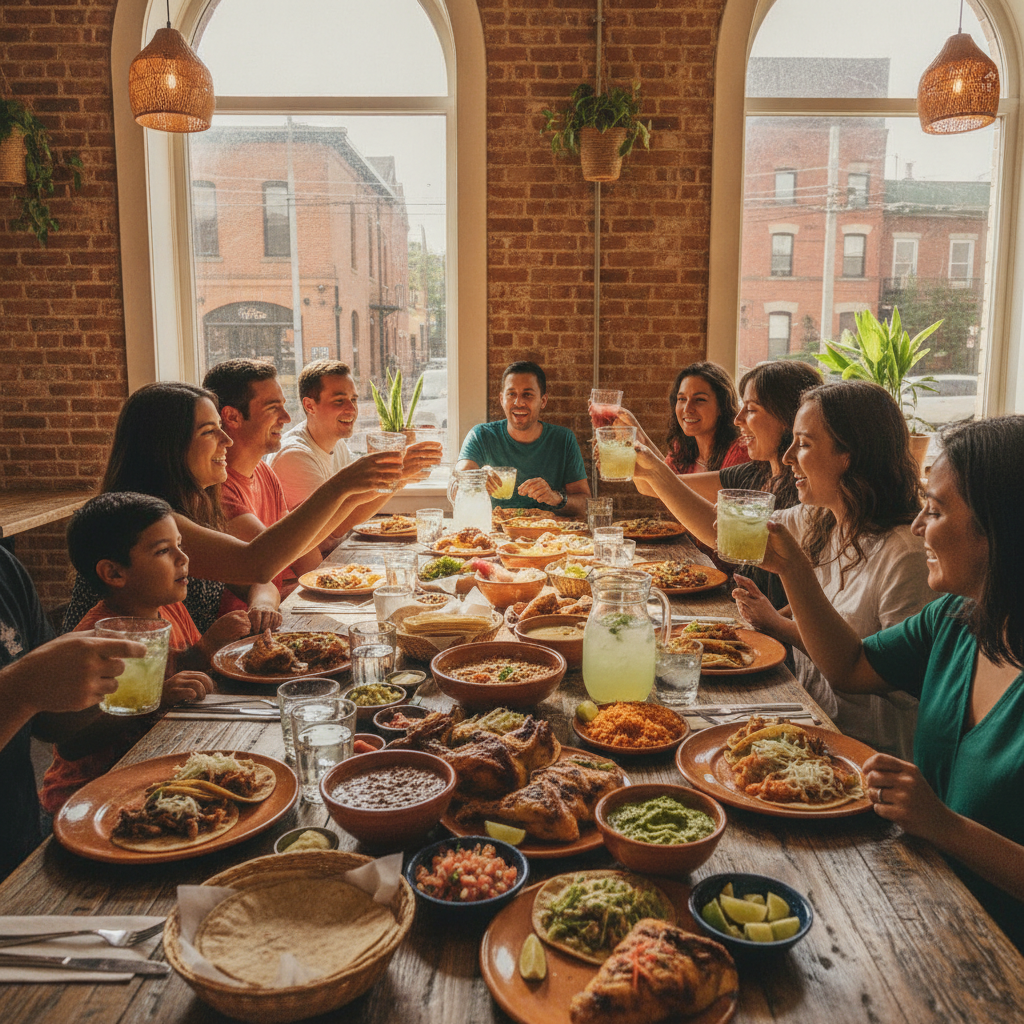
Group ordering for Mexican cuisine is the practice of planning a balanced, shareable menu that fits your headcount, dietary needs, and serving style. Aim for two proteins, three sides, and multiple salsas for variety. At La Rio’s Mexican Grill on Queen Street West in Old Toronto, this guide shows how to pick Mexican dishes for groups with confidence.
By Sam Patel • Founder, La Rio’s Mexican Grill
Last updated: 2026-06-17
Overview: At a Glance
To feed a crowd well, lock your headcount, map allergies, and choose a service style (dine-in, takeout, or catering). Plan 2–3 tacos per person, 1/2 cup rice, 1/3 cup beans, and at least three salsas. Build a mix of protein, vegetarian, and gluten-free options, then schedule pickup or delivery with time to set up.
Here’s what you’ll learn in this practical, local-first guide from our Old Toronto team:
- How to estimate portions that actually satisfy mixed appetites
- Smart menu frameworks for tacos, bowls, burritos, and fajitas
- When to choose dine-in, takeout, or full-service catering
- Dietary planning for vegetarian, gluten-free, and dairy-free guests
- Setup, transport, and safe holding temperatures for quality
We’ll use clear numbers (like 2–3 tacos per person) and real examples from La Rio’s Mexican Grill so your group meal runs on time and on taste.
Introduction
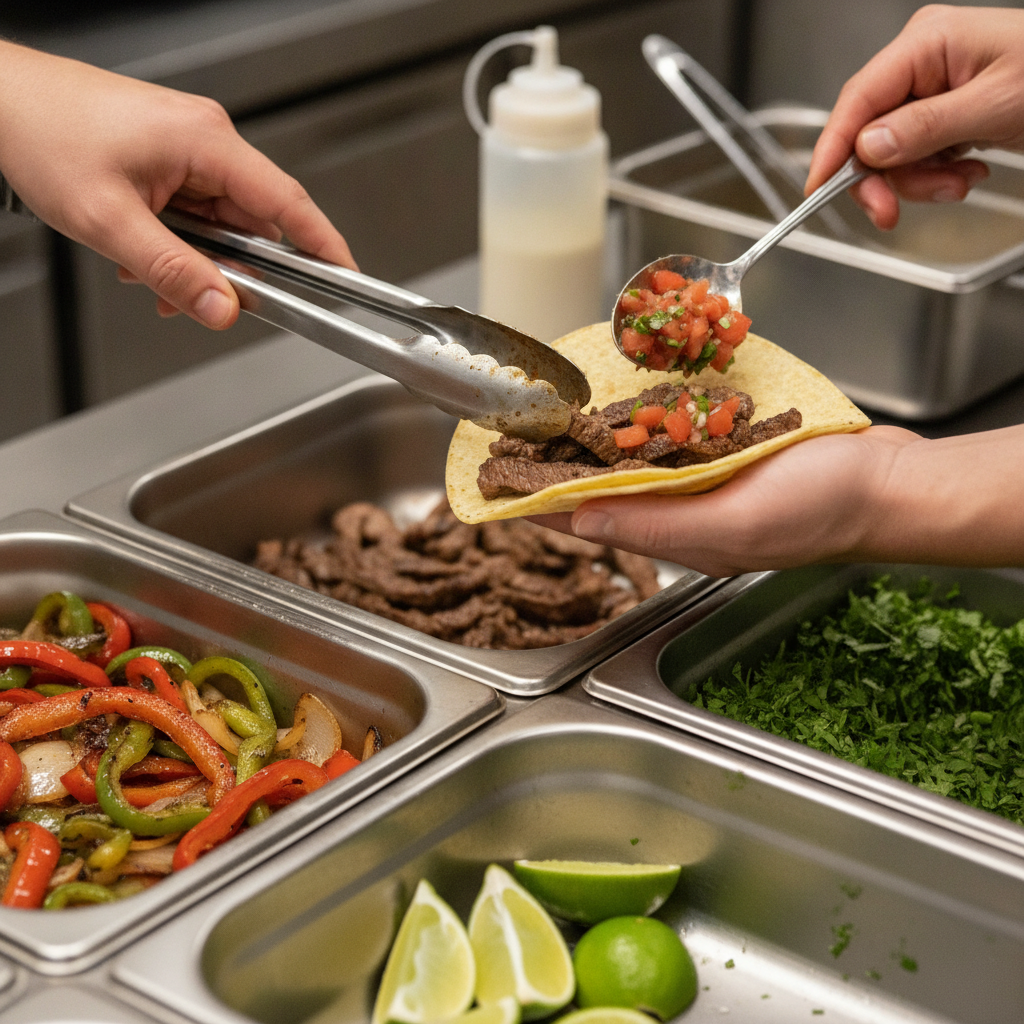
Group-friendly Mexican menus work best when you combine portion math with a simple build-your-own format. Decide on 2–3 proteins, anchor with rice and beans, add fresh toppings, and include a hearty vegetarian feature so every guest can build a full plate they’ll love.
Mexican food is made for sharing. Tacos, bowls, platters, and fajitas scale beautifully as DIY stations or family-style trays. The key is structure: predictable portions, flexible components, and a clear service plan.
- Start with a headcount window (e.g., 24–28 people) to size trays.
- Lock in a build-your-own format so guests customize without slowing service.
- Balance proteins (chicken, beef, shrimp) with vegetarian mains (grilled veggies).
- Offer gluten-free bases (corn tortillas) and clear dairy-on-the-side options.
We’ve hosted groups in our dining room, packed takeout for nearby offices, and catered outdoor events along Queen Street West—these patterns consistently deliver happy plates and clean pans.
Before You Start (Prerequisites)
Collect three essentials before choosing dishes: a confirmed headcount, dietary needs, and your serving style. With those locked, you can pick proteins, sides, and salsas that match your group’s appetite, space, and schedule without overbuying—or running short.
Gather this information first. It keeps decisions fast and accurate.
What to confirm up front
- Headcount and timing: Plan 2–3 tacos or one burrito per person for lunch; 3 tacos or one burrito + side for dinner. Add 10% buffer for late RSVPs.
- Dietary needs: Track vegetarian, vegan, gluten-free, dairy-free, and any major allergens. Keep cheese and crema on the side for flexibility.
- Service style: Choose dine-in, takeout, or catering based on space, staffing, and setup time.
Local considerations for Old Toronto
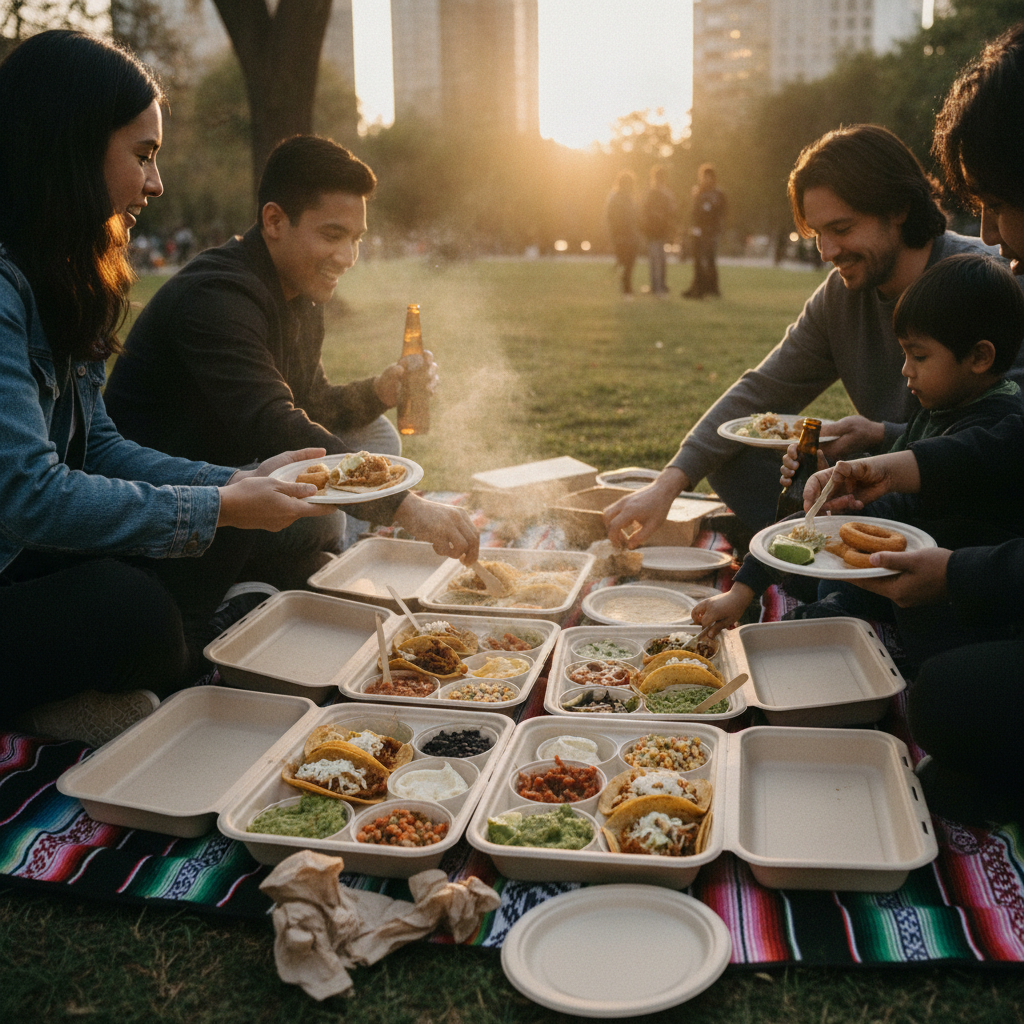
- Hosting in a nearby green space? Family-style trays travel well for picnics near Trinity Bellwoods Park; bring ice packs for cold toppings on warm days.
- Summer weekends get busy; order a day earlier and allow 20–30 minutes extra buffer for pickup traffic on Queen Street West.
- Indoor events near Fort York National Historic Site benefit from hot-hold gear; aim to set protein trays at 140°F or warmer upon arrival.
Once you’ve got those details, you’re ready to design a balanced, crowd-pleasing menu.
Step-by-Step Process
Define the event and headcount, map dietary needs, select 2–3 proteins, add vegetarian anchors, choose sides and salsas, decide on dine-in/takeout/catering, then schedule pickup or delivery with a 20–30 minute setup window. Use simple portion math to keep plates full and waste low.
Step 1: Define your event and headcount
- Headcount window: Size for your most likely total (e.g., 30) and add 10% safety (3 extra portions).
- Meal timing: Lunch appetites trend lighter; dinner portions run heavier. Plan accordingly.
- Format: DIY taco bar, burrito box line-up, fajita station, or mixed platters.
Example: A 24-person office lunch targets 48–60 tacos total, or 24 burritos with two shared sides.
Step 2: Map dietary needs into the menu
- Vegetarian baseline: Offer grilled vegetables or black beans as a complete protein pairing.
- Gluten-free path: Stock corn tortillas and rice bowls; label flour tortillas clearly.
- Dairy-flex: Serve cheese and crema on the side so dairy-free guests build freely.
Plan labeling cards for “contains dairy,” “gluten-free,” and “vegetarian.” It speeds lines and reduces questions.
Step 3: Choose 2–3 proteins that travel and serve well
- Chicken asado: Crowd-pleasing, tender, and forgiving under hot-hold.
- Beef (carne asada or ground): Satisfying and familiar for mixed groups.
- Shrimp or fish: Excellent for variety; best when served promptly after pickup.
From our menu, mixed-protein taco bars are top performers because every guest finds a favorite. See our chicken asado tacos and ground beef tacos for classic anchors.
Step 4: Build sides, toppings, and salsas
- Rice and beans: Plan 1/2 cup rice and 1/3 cup beans per person.
- Fresh toppings: Lettuce, pico de gallo, onion-cilantro, pickled jalapeños, and lime.
- Salsas: Offer three heats (mild, medium, hot) so guests self-select spice levels.
Chips and guacamole go fast. Budget 3 ounces of chips and 2 ounces of guac per person to avoid running out before the mains land.
Step 5: Decide service style: dine-in, takeout, or catering
- Dine-in: Best for zero-transport stress and fastest service cadence. Reserve seating blocks.
- Takeout: Efficient for nearby offices; schedule staggered pickups to avoid bottlenecks.
- Catering: Ideal for larger groups or off-site events; includes bulk trays and setup guidance.
Compare your options below, including when to choose each path for Old Toronto events.
| Service style | Best for | Pros | Watch-outs |
|---|---|---|---|
| Dine-in | Team socials, celebrations | No transport, hot plates, smooth pacing | Requires seating capacity and timed arrival |
| Takeout | Nearby offices, quick lunches | Fast, flexible timing, minimal setup | Heat retention; plan 10–15 minutes transit max |
| Catering | Large groups, off-site venues | Bulk trays, serving tools, setup tips | Needs 20–30 minutes for staging and labeling |
For staffed stations or buffet-style guidance, explore our buffet-style Mexican catering and taco bar catering pages.
Step 6: Do the portion math
- Tacos: 2–3 per person (3 for dinner, 2–2.5 for lunch).
- Burritos: One per person plus shared chips/salsa; add 20% burrito bowls for gluten-free eaters.
- Proteins: 4 ounces cooked protein per taco meal or 5–6 ounces for bowls/fajitas.
- Rice/beans: 1/2 cup + 1/3 cup per person keeps plates balanced.
Example: For 30 guests at dinner, plan 90 tacos, ~10 pounds cooked protein, 15 cups rice, and 10 cups beans, plus three salsas and plenty of limes.
Step 7: Schedule ordering, pickup, and setup
- Lead time: Order 24–48 hours ahead for groups of 15–50; larger headcounts benefit from earlier coordination.
- Pickup timing: Aim to serve within 15 minutes of pickup; keep hot trays covered and vented to prevent sogginess.
- Staging window: Block 20–30 minutes to set out trays, label items, and organize lines.
Labeling cards speed service by 25–40 seconds per guest. That adds up fast for teams on a tight lunch break.
Choosing Dishes by Occasion
Match dishes to the moment: tacos for casual mix-and-mingle, burritos for grab-and-go, fajitas for hot sizzle moments, and bowls for healthier or gluten-free crowds. Always anchor with a vegetarian main and a mild salsa so every guest has a confident first plate.
Casual office lunch (20–30 people)
- DIY taco bar with chicken asado and ground beef, plus grilled vegetable fajitas.
- 2 tacos per person, 1/2 cup rice, 1/3 cup beans, and chips with mild and medium salsas.
- Use flour and corn tortillas in a 60/40 split; add 20% bowls for gluten-free options.
Nearby offices often stage at conference tables; two lines serve 25–30 guests in ~12 minutes when labeled clearly.
After-hours team social
- Mixed platters of quesadillas and tacos with fresh salsas for snacking.
- Plan 1.5 snack portions per person per hour for longer events.
- Keep hot-hold above 140°F; rotate smaller trays for freshness.
Crave a melty anchor? Our ground beef quesadilla pairs well with smoky salsa and pickled jalapeños.
Outdoor meetup near Queen Street West
- Catering trays with taco fixings, sealed toppings, and plenty of lime wedges.
- Bring cooler space for salsa and crema; replenish in 20-minute intervals.
- Use corn tortillas and bowls to keep gluten-free service easy.
For variety, add shrimp tacos as a special tray—see our shrimp tacos for a seafood twist.
Dine-In vs Takeout vs Catering (Mexican Grill)
Choose dine-in when you want zero setup and hot plates; takeout for nearby teams that need speed; catering for larger headcounts or off-site venues. The best approach balances distance, seating, and how much time you can dedicate to staging and cleanup.
This decision shapes everything—packaging, timing, and even which dishes shine. It also connects to our broader pillar topic, Mexican grill takeout vs dine in, where the right fit often depends on travel time and staff support.
- Within 5–10 minutes of Old Toronto: Takeout stays hot and crisp; target 10–15 minutes door-to-plate.
- On-site celebrations: Dine-in gives you pacing and plating; reserve seating blocks.
- Larger groups/off-site: Catering adds bulk trays, serving tools, and menu planning help.
For sealed, ready-to-serve options, consider our individually packaged catering line for faster distribution at meetings.
Portion Planning and Real Examples
Use simple baselines: 2–3 tacos per person; 1 burrito per guest plus a side; 4–6 ounces cooked protein; 1/2 cup rice; 1/3 cup beans. Scale trays to your headcount, and always add a 10% buffer for late adds and big appetites.
Example A: 18-person lunch, office setting
- 36–45 tacos total: chicken asado + ground beef + grilled veggie mix.
- 9 cups rice, 6 cups beans, 1 large chips tray, and 3 salsas.
- Two serving lines cut average wait time from ~14 minutes to ~7 minutes.
Pair with a tray of quesadillas for a warm, melty option that satisfies light eaters and kids.
Example B: 40-person outdoor meetup
- 120 tacos total with 3 proteins (including shrimp), plus bowls for gluten-free guests.
- 20 cups rice, 14 cups beans, 4–5 salsa options (include one very mild).
- Staggered serving in two 20-minute windows keeps food fresh and lines moving.
Bring extra tortillas; they’re lightweight and avert shortages when appetites spike.
Example C: 24-person dinner, dine-in
- 72 tacos or 24 burritos + 2 shared sides; add a vegetarian main.
- Table service in waves (starters → mains) manages pacing for conversation.
- Consider a dessert bite bar (churro pieces with cinnamon-sugar) as a fun closer.
If you prefer hand-held simplicity, explore our burrito lineup for quick distribution to seated teams.
Troubleshooting Common Issues
Most issues stem from timing and labeling. Keep hot foods above 140°F, cold foods under 40°F, and label allergens clearly. Build two serving lines for 20+ guests, and hold back half the chips so the last guests get a fresh batch too.
Food cooled too quickly
- Use smaller, more frequent refills to keep trays hot and textures crisp.
- Vent lids slightly to limit steam buildup (prevents soggy tortillas).
- Stage proteins closest to the line start so plates get heat early.
Lines moving slowly
- Split into two parallel lines: tortillas → protein → rice/beans → toppings → salsas.
- Place utensils before plates to reduce backtracking by 10–15 seconds per guest.
- Use table tents for “mild/medium/hot” to prevent repeat questions.
Dietary mix-ups
- Color-code tongs (e.g., green for vegetarian) to avoid cross-contact.
- Keep dairy (cheese, crema) on the side; one spoon per topping.
- Offer corn tortillas and bowls for a clear gluten-free path.
When in doubt, keep components separate. Build-your-own formats protect freshness and serve diverse needs without fuss.
Advanced Tips (Optional)
Level-up your service by sequencing courses, controlling moisture, and planning flavor arcs. Use half pans for faster rotation, add a mild signature salsa for broad appeal, and design your line so each plate hits warm, crunchy, creamy, and fresh notes.
- Flavor arc planning: Start guests with mild salsa and bright lime, then suggest a medium or smoky option for plate two.
- Moisture control: Keep tortillas wrapped; refresh with a warm, damp towel between waves.
- Service cadence: For 30+ guests, plan 8–10 plates per minute across two lines once the first five guests have moved through.
- Packaging choices: Choose vented lids for crispy items and tight seals for saucy proteins.
Want a showpiece? Add a sizzling fajita tray midway through service for aroma and energy without slowing the line.
Tools and Resources
You don’t need fancy gear—just sturdy serving utensils, pans with lids, insulated carriers, and clear labels. For playbooks and menu ideas, consult reputable catering guides and local menu indexes to inspire combinations that match your crowd.
Browse local menu inspiration and group-planning primers for Toronto events. You’ll find useful structure and checklists in these resources:
- Explore a curated Mexican menu index for pairing ideas and station layouts.
- Scan a broader Mexican & Latin menu list to round out sides, desserts, and beverages.
- Review a Toronto corporate catering guide for scheduling and venue logistics.
Combine those frameworks with the portion math in this article and your event will run like clockwork.
FAQ: How to Pick Mexican Dishes for Groups
Plan 2–3 tacos or one burrito per person, include a vegetarian main, and keep dairy on the side. Choose dine-in for zero setup, takeout for speed, and catering for large or off-site groups. Label everything so lines move quickly.
What’s the easiest format for mixed dietary needs?
A build-your-own taco or bowl bar. Offer corn tortillas, rice bowls, a vegetarian main, and keep cheese and crema on the side. Guests self-select, so gluten-free and dairy-free eaters build confident plates without special handling.
How far in advance should I order for a group?
For 15–50 guests, 24–48 hours is a reliable lead time. Larger headcounts benefit from earlier coordination. Schedule pickup so you can serve within 15 minutes, with a 20–30 minute staging window for labeling and layout.
How many tacos should I plan per person?
Plan 2–3 tacos per person. Use 2–2.5 for lunch and 3 for dinner or active events. Add a 10% buffer for late additions and bigger appetites, and stock extra tortillas to smooth out demand spikes.
Which service style is best—dine-in, takeout, or catering?
Dine-in for no-setup, hot plates; takeout for nearby teams that need speed; catering for larger groups or off-site venues. Your distance from the restaurant, seating, and setup time usually determine the best fit.
Conclusion
Successful group ordering pairs simple portion math with a flexible, labeled setup. Choose proteins, anchor with rice and beans, offer three salsas, and add a vegetarian main. Then pick the service style—dine-in, takeout, or catering—that matches your timing and space.
- Lock headcount and dietary needs first.
- Pick 2–3 proteins plus a vegetarian anchor.
- Plan 2–3 tacos or one burrito per person with sides.
- Decide on dine-in, takeout, or catering based on distance and setup time.
- Label everything; aim for 140°F hot-hold and safe cold storage.
Hosting near Queen Street West? Our team at La Rio’s can help you design a menu and service plan that fits your space and schedule.
Additional Resources & Next Steps
Ready to finalize your order? Choose your service style, confirm headcount, and schedule pickup or delivery. Use our internal guides for buffet and taco bars, and leverage local menu indexes for extra pairing ideas.
- See our buffet-style catering guide for staging tips.
- Plan a taco bar catering with 2–3 proteins and three salsas.
- Prefer sealed meals? Check our individually packaged catering options for fast distribution.
Planning a team meal in Old Toronto? We’ll help you translate headcount into trays and timelines. Drop by 746 Queen St W or reach out through our website to get started.