How to Plan a Mexican Catering Menu That Keeps Guests Full
Plan a Mexican catering menu in Old Toronto with reliable portions, dietary options, and smooth logistics—so every guest leaves full and happy.
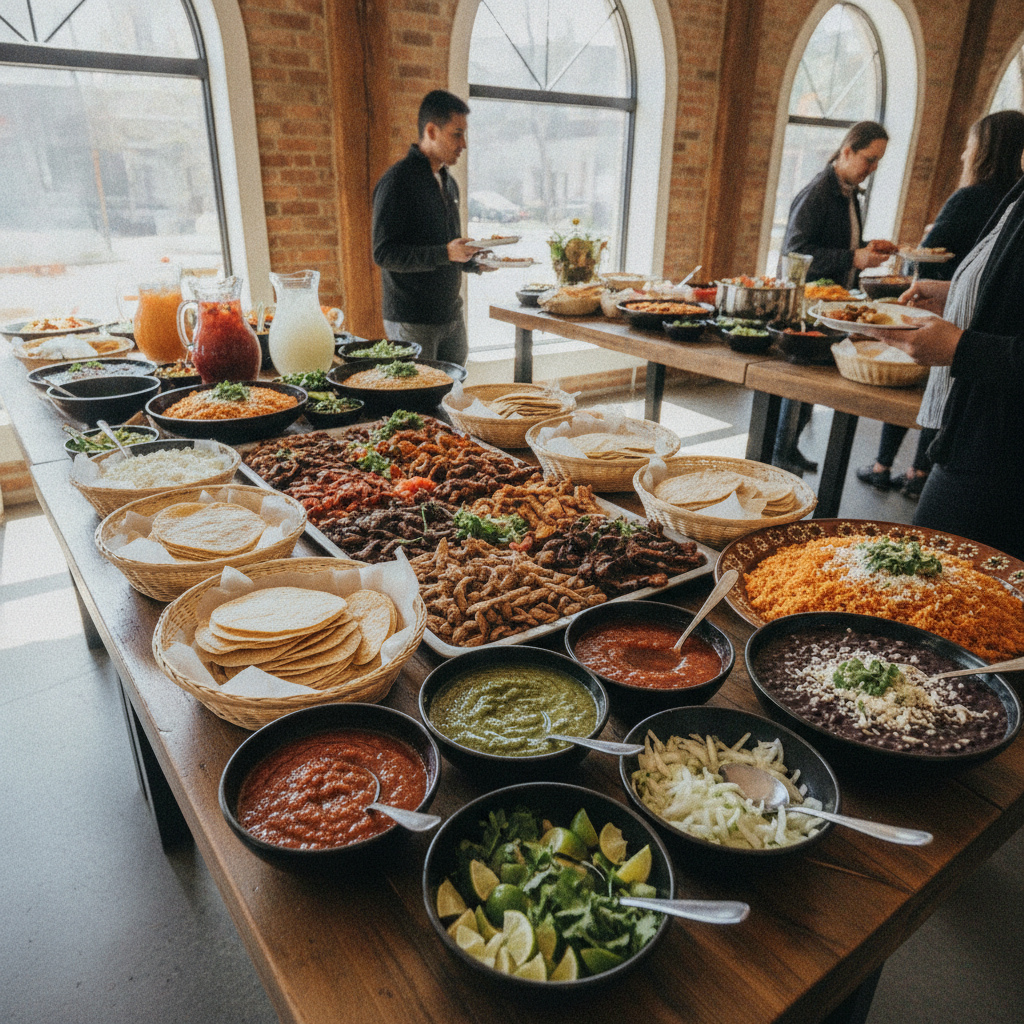
Planning a Mexican catering menu is the process of selecting proteins, sides, toppings, and service style to feed your group reliably and safely. A strong plan estimates portions per guest, accounts for dietary needs, and maps logistics from prep to pickup or delivery. In Old Toronto, this means matching flavors to your crowd and venue.
By Sam Patel · Last updated: 2026-06-23
Introduction
A smart Mexican catering plan starts with people, not plates. Define headcount, dietary needs, and time of service, then select proteins, sides, and toppings that scale. Build around a taco, fajita, or bowl bar, and lock in logistics—pickup, delivery, or on-site service—so food arrives hot, labeled, and on schedule.
At La Rio's Mexican Grill, we cater to local diners and families who love grilled specialties. We’ve planned menus for office lunches, block parties, and community events across Old Toronto. In our experience, clarity on portions, allergies, and service flow prevents shortages and stress.
- What you’ll learn: portion math, menu structure, dietary swaps, and logistics.
- Why it matters: the right plan keeps guests full and lines moving.
- How we help: flexible taco/fajita bars, individually packaged meals, and reliable timing.
Overview
Plan your Mexican catering menu by setting your guest profile, picking a service style (taco, fajita, bowl, or individually boxed), choosing 2–3 proteins plus 3–5 sides, allocating toppings, and confirming delivery or pickup timing. Label allergens, keep hot foods above 140°F, and stock backup tortillas to avoid mid-service gaps.
Use this quick checklist to align your team before you dive into details.
- Headcount bands: 10–20, 21–50, 51–100, 100+.
- Service style: taco bar, fajita bar, bowls, individually packaged.
- Proteins: 2–3 selections cover most groups (e.g., chicken asado, al pastor, veggie).
- Sides: rice, beans, roasted veggies, chips and salsa (3–5 picks).
- Toppings: salsas, pico, crema, cheese, lettuce, limes, cilantro.
- Dietary flags: vegetarian, vegan, gluten-free, dairy-free, halal-friendly.
- Logistics: serving line layout, utensils, chafers, labels, delivery window.
Local considerations for Old Toronto
- Weekend events near Trinity Bellwoods Park often surge foot traffic; plan 10–15% extra tortillas and beverages for spillover guests.
- Summer gatherings by The Bentway benefit from insulated carriers; target a 30–45 minute delivery window to maintain heat and texture.
- For condo party rooms, confirm elevator reservations and loading access; schedule a 15-minute buffer for setup and food signage.
Before You Start (Prerequisites)
Before building your Mexican catering menu, lock in headcount, time of service, venue constraints, and dietary requirements. Decide on pickup, delivery, or on-site setup, and verify tables, power, and trash access. With those details set, you can size portions, choose proteins and sides, and sequence prep efficiently.
Good inputs make great outputs. A few numbers drive nearly every choice you’ll make.
Define your guest profile
- Headcount: Plan 2–3 tacos per adult at lunch and 3–4 at dinner. For bowls, assume 1 bowl per person with 2–3 ounces of protein.
- Age mix: Kids often eat 1–2 tacos; seniors may prefer bowls with lighter toppings.
- Meal timing: Lunch crowds move faster; target 10–12 guests per minute at the line with a simple topping set.
Map dietary needs early
- Vegetarian/vegan: Expect 10–20% of guests to choose plant-forward options; include seasoned veggies or beans as a protein swap.
- Gluten-free: Stock corn tortillas and bowl bases; separate tongs reduce cross-contact.
- Dairy-free: Offer guacamole and salsa verde; keep cheese and crema in separate containers.
Lock logistics and equipment
- Service style: Choose taco bar, fajita bar, bowls, or individually packaged meals.
- Hardware: Chafing dishes, sternos, serving tongs (1 per tray), ladles for salsas, and food labels.
- Space planning: A 12–16 foot table comfortably handles a 100-guest line with proteins, sides, toppings, and plates.
For flexible menu formats, see our catering overview and consider individually packaged meals for meetings that require sealed entrées.
Step-by-Step Process
Build your Mexican catering plan in five steps: quantify portions, choose service style, select proteins and sides, finalize toppings and add-ons, and script setup-to-service timing. Confirm labeling and food safety, then place the order with buffers for tortillas, salsa, and beverages to avoid last-minute shortages.
Step 1 — Do the portion math
- Tortillas: 2–3 per adult; keep 10% extra. For 60 adults at dinner, order ~180 tortillas.
- Proteins: 2–3 ounces per taco; plan ~6–9 ounces per person for 3 tacos.
- Rice and beans: 4–6 ounces each per person; bowls skew higher than tacos.
- Salsas: 1.5–2 ounces per guest; mix mild and medium with one hotter option.
- Chips: 1–2 ounces per person as a side; increase for reception-style events.
Step 2 — Pick the service style
- Taco bar: Fast, customizable, kid-friendly. Ideal for mixed crowds and shorter lunch windows.
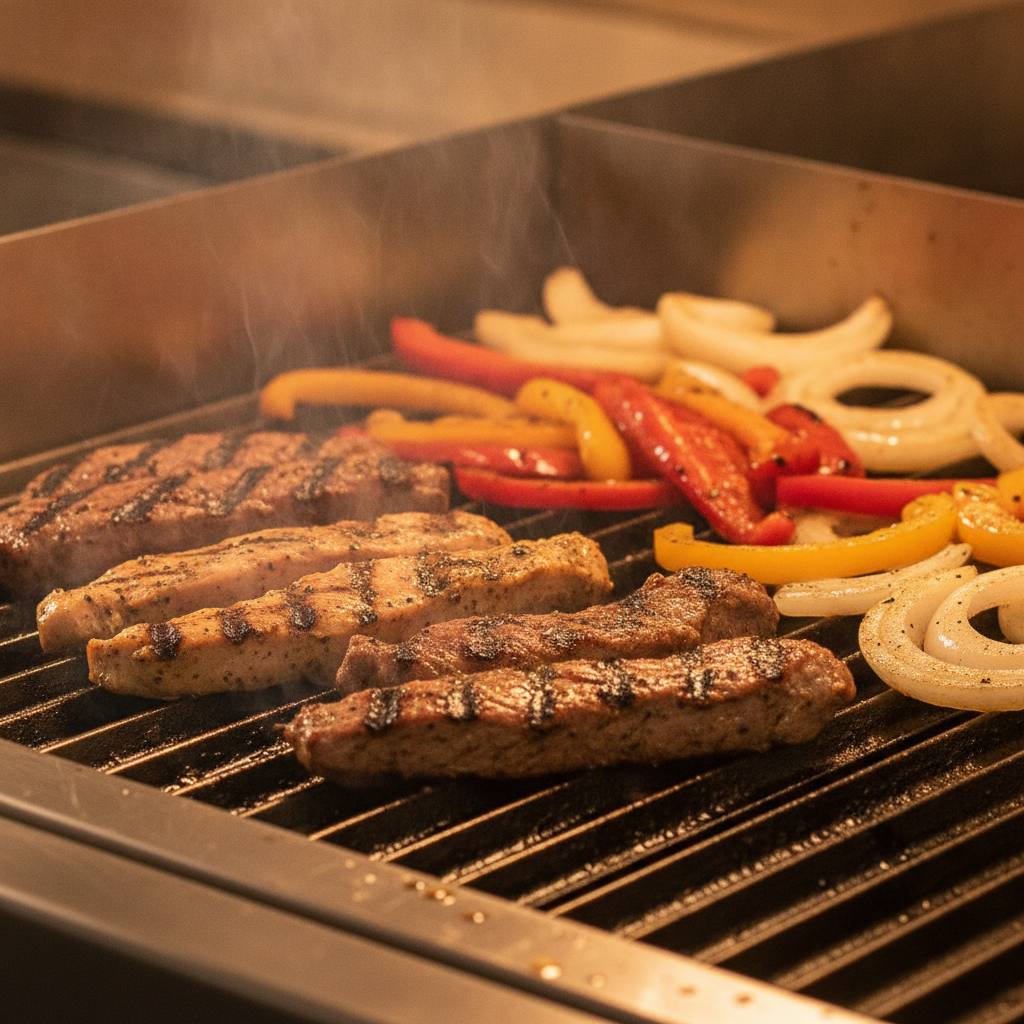
- Fajita bar: Add sautéed peppers and onions; great aroma and visual appeal.
- Bowls: Best for gluten-free and low-carb preferences; easy to label.
- Individually packaged: Speeds handoff and reduces lines; perfect for back-to-back meetings.
Explore our taco bar details and see how we stage proteins, tortillas, and toppings for quick throughput.
Step 3 — Choose proteins and a plant-forward anchor
- Grilled chicken asado: Lean, familiar, and the top pick for most office groups.
- Al pastor pork: Sweet-savory profile with pineapple; pairs well with cilantro and onion.
- Ground beef: Classic and kid-approved; great with shredded cheese and pico.
- Veggie/vegan option: Charred peppers, onions, mushrooms, or hearty beans.
To preview portions and formats, check our menu items like chicken asado tacos and ground beef tacos as examples of flavor direction and build style.
Step 4 — Select 3–5 sides your crowd will finish
- Mexican rice: Comforting base that stabilizes lines; plan 4–6 ounces per guest.
- Pinto or black beans: Protein alternative and vegan-friendly; 4–6 ounces per person.
- Roasted vegetables: Colorful, low-allergen, and reheats well.
- Chips and salsa: Crowd-pleaser and appetizer; estimate 1–2 ounces chips per guest.
Step 5 — Toppings, salsas, and finishing touches
- Mild to hot spectrum: Offer at least three: pico de gallo, salsa roja, salsa verde.
- Creamy vs. fresh: Balance crema and cheese with cilantro, onions, and lime.
- Allergen-safe layout: Keep dairy and gluten in separate containers with dedicated tongs.
Step 6 — Timeline, labeling, and service rhythm
- Arrival buffer: Aim for 20–30 minutes early to set chafers and signage.
- Line speed: One server can guide 20–25 guests every 10 minutes at a simple taco bar.
- Food safety: Hot foods stay above 140°F; cold items under 40°F. Swap trays instead of refilling to maintain temps.
When you’re ready, use our catering request form to confirm headcount, service style, and delivery window. We’ll align portions and equipment to your plan.
Service Styles Compared (Buffet, Bowls, Boxed)
Choose between buffet bars for speed and variety, build-your-own bowls for dietary clarity, and individually boxed meals for convenience. Buffets move lines fastest, bowls simplify allergen labeling, and boxed meals minimize contact and cleanup. Match the format to your venue, schedule, and guest mix for best results.
| Format | Best for | Line speed | Dietary control | Notes |
|---|---|---|---|---|
| Taco/Fajita Buffet | Mixed groups, social events | High (10–12 guests/min) | Moderate (label toppings) | Reserve 12–16 ft of table space |
| Build-Your-Own Bowls | Allergen-sensitive groups | Medium | High (clear base & add-ons) | Great for gluten-free planning |
| Individually Boxed | Meetings, trainings | Very high (grab-and-go) | Very high (sealed labels) | Minimal setup and cleanup |
If you’re weighing Mexican grill takeout vs dine-in for groups, boxed meals and bowls travel best while buffets shine for on-site, social service.
Troubleshooting
Most catering hiccups trace back to underestimating portions, late setup, or unclear labeling. Add 10% buffer on tortillas and salsa, arrive 20–30 minutes early for setup, and use simple allergen tags. Keep spare tongs, trash liners, and napkins to maintain flow when lines spike.
Common pain points we see
- Running out of tortillas: Always keep a 10–15% buffer; tortillas disappear fastest.
- Clogged lines: Pre-slice limes, open lids, and pre-label proteins to speed service.
- Heat loss: Swap entire pans instead of topping off; lids back on between waves.
- Allergen confusion: Place dairy/gluten at the end; color-code tongs if possible.
Rapid fixes on the fly
- Wave service: Serve in 10–15 minute waves for teams returning from meetings.
- Condense stations: Merge low-traffic toppings to free up space.
- Use bowls: If tortillas run low, pivot guests to bowls with rice and beans.
For hands-off events, our individually packaged catering removes line bottlenecks entirely.
Advanced Tips (Optional)
Elevate your Mexican catering with flavor pacing, smart add-ons, and logistics rehearsal. Offer one premium salsa, pre-portion guacamole cups, and stage a second protein line for groups over 80. Run a 5-minute dry run to validate layout, label clarity, and utensil count before guests arrive.
Flavor and menu design
- Heat distribution: Expect 60–70% of guests to choose mild or medium, 20–30% hot.
- Texture balance: Pair charred proteins with crunchy lettuce, creamy crema, and bright lime.
- Signature touch: Add one premium salsa or seasonal veg—small upgrades create memorable bites.
Flow, staffing, and timing
- Dual lines: Over 80 guests? Mirror the line so proteins and tortillas appear twice.
- Plate staging: Pre-open tortillas and stage plates to reduce seconds per guest.
- Replenishment cadence: Swap trays at 50–60% empty to maintain temperature and appearance.
Communication that prevents surprises
- Venue brief: Share table length, power limits, and elevator access 48 hours prior.
- Dietary list: Finalize vegetarian/vegan and gluten-free counts 24 hours out.
- Weather plan: For outdoor events, use insulated carriers and wind guards for sternos.
Need a second set of eyes? Share your headcount and venue details, and we’ll suggest portions and a setup map. Start here: request catering support.
Food Safety, Allergen Labeling, and Transport
Keep hot foods above 140°F and cold foods under 40°F, label common allergens, and secure lids during transport. Separate dairy and gluten items, dedicate tongs, and pre-chill or pre-heat carriers. A brief service script—set, label, announce—keeps lines safe and moving.
Temperature and holding basics
- Hot hold: Chafers and covered pans maintain 140°F+; swap trays rather than topping up.
- Cold hold: Use ice baths or chilled inserts to keep salsas and crema cold.
- Transport: Insulated carriers preserve texture during 30–45 minute trips across Old Toronto.
Simple allergen system
- Color-coded tongs: One color for dairy items; another for gluten-containing toppings.
- Plain-language labels: “Contains dairy,” “Gluten-free,” “Vegan” on visible tent cards.
- Line order: Place common allergens at the end so guests can skip them cleanly.
For a visual on buffet organization and portions, see this buffet-style catering overview which illustrates station planning and container flow.
Real-World Scenarios (Old Toronto)
Match menu format to your venue and agenda. For a 45-minute office lunch, boxed bowls speed service. For a park-side weekend event, taco bars encourage mingling. Keep 10–15% extra tortillas and time your delivery 20–30 minutes early to stage chafers, signage, and utensils.
- Office lunch, 35 guests: Bowls with chicken asado and veggie mix; 4 sides; labeled dairy and gluten.
- Community meetup near Trinity Bellwoods Park: Taco bar with dual salsa levels; extra tortillas and beverages.
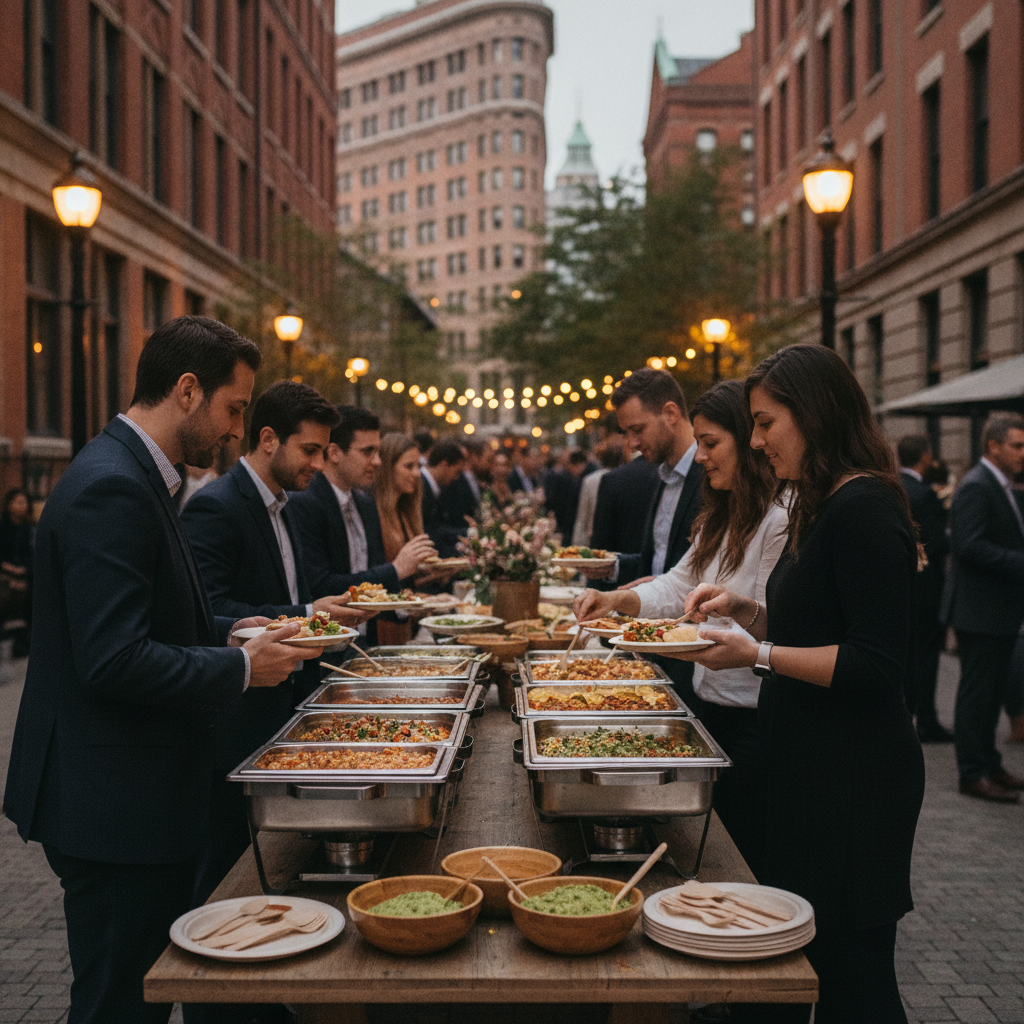
- Evening social by The Bentway: Fajita bar with peppers/onions; plan for lighting and wind guards.
For formats that minimize lines, our individually packaged catering keeps handoff simple and predictable.
Additional Resources
Use checklists and logistics guides to pressure-test your plan. Review a buffet planning overview for station flow, browse a corporate catering guide for meeting constraints, and walk through a private event checklist to confirm table layout, labels, and serving rhythm before guests arrive.
For planning prompts and team coordination ideas, this corporate catering guide covers agenda timing and room setups. For private gatherings, a succinct event checklist helps you stress-test your layout and signage.
FAQ
These quick answers solve the most common Mexican catering questions—from portions per person to the best service style for meetings. Use them to sanity-check your plan before you order.
How much meat per person for a taco bar?
Plan 2–3 ounces of cooked protein per taco. For dinner portions of 3 tacos, that’s about 6–9 ounces per adult. Keep a 10% buffer and include a hearty vegetarian option so you’re covered if demand skews plant-forward.
What’s the best service style for office meetings?
Individually boxed bowls or tacos minimize lines and cleanup, making them ideal for 30–60 minute meetings. If you prefer a social vibe, a streamlined taco bar with 2 proteins and simple toppings also works well.
How do I handle gluten-free and dairy-free guests?
Offer corn tortillas and bowl bases, keep cheese and crema in separate containers, and dedicate tongs for dairy and gluten items. Simple tent cards—“Gluten-free,” “Dairy-free,” “Vegan”—help guests navigate quickly and safely.
How early should the food arrive?
Target a 20–30 minute early arrival to set chafers, open lids, place labels, and stage utensils. For outdoor events or complex venues, extend the buffer to 30–45 minutes to account for transport and setup.
Conclusion
Anchor your Mexican catering plan in headcount, dietary needs, and timing. Choose a format—buffet, bowls, or boxed—then lock in proteins, sides, and toppings with clear labels and temperature control. Add 10% buffers on tortillas and salsa, arrive early, and your guests will leave full and happy.
- Key Takeaways
- 2–3 tacos per adult at lunch, 3–4 at dinner; keep 10% buffers.
- Pick a format that matches your schedule and venue.
- Label allergens and keep hot foods 140°F+, cold foods under 40°F.
- Dual lines over 80 guests reduce wait times dramatically.
Ready to start? Explore our catering options, see how a taco bar flows, or skip the line with boxed meals. When you’re set, request a catering quote and we’ll map portions and timing to your event in Old Toronto.