How to Plan Mexican Catering and Keep Costs Low in 2026
Plan Mexican catering for a party with step-by-step tips, menu ideas, flow mapping, and delivery logistics from La Rio’s Mexican Grill in Old Toronto.
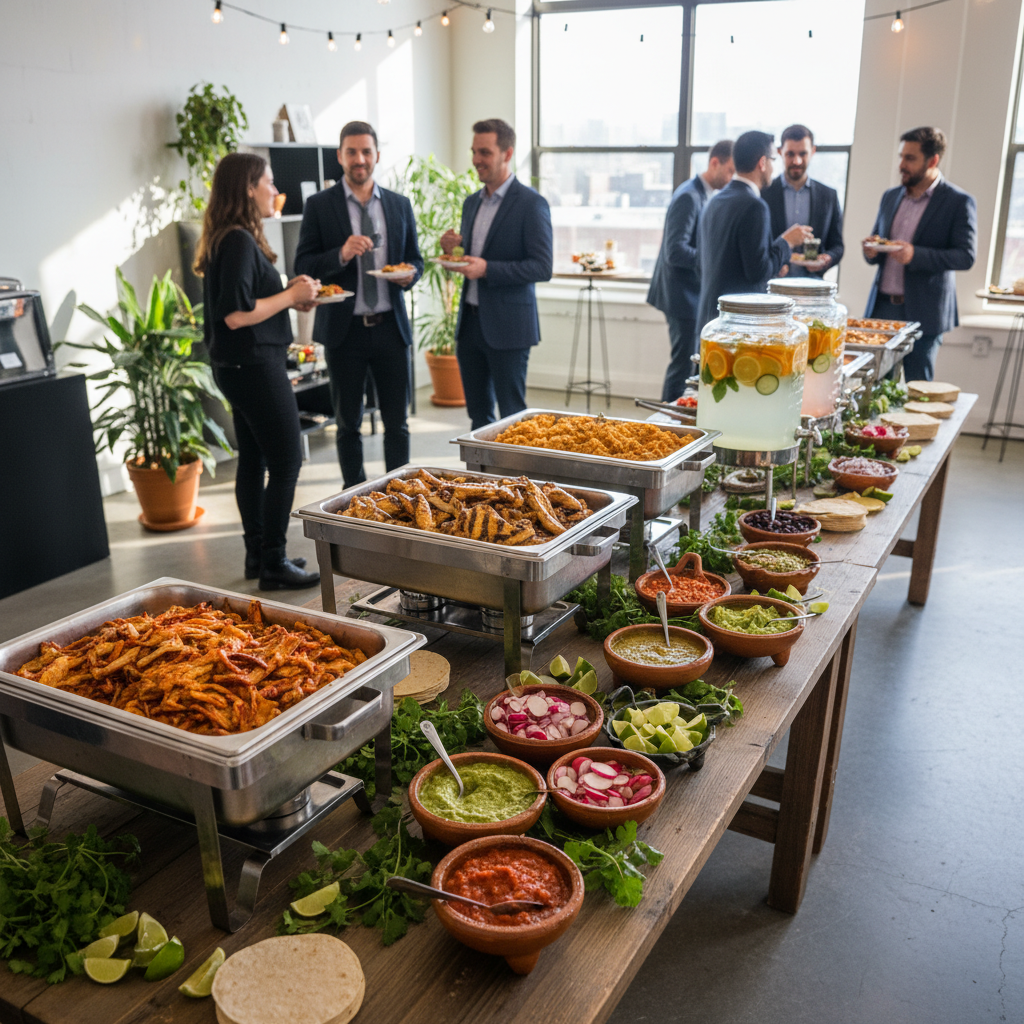
How to plan Mexican catering for a party is the process of defining headcount, service style, menu mix, and logistics so food arrives hot, safe, and on time. From our Old Toronto base at 746 Queen St W, La Rio’s Mexican Grill coordinates portions, dietary needs, and delivery windows so your celebration runs smoothly.
By Sam Patel — Founder, La Rio’s Mexican Grill
Last updated: 2026-05-06
Summary
Lock headcount, pick a service style (drop-off, set-and-serve, or on-site grill), and build a balanced taco bar with proteins, sides, and salsas. Confirm dietary flags, map buffet flow, and fix delivery/setup times. Aim for 2–3 tacos per adult and 10–15 minutes per 25 guests through a single buffet line.
Below is the exact framework we use at La Rio’s Mexican Grill for stress-free parties. You’ll get checklists, menu planning tips, and timing templates that work for apartments, offices, parks, and event spaces across Toronto.
Introduction
Planning Mexican catering succeeds when you translate your guest list into portions, match service style to your space, and schedule delivery, setup, and cleanup precisely. The simple playbook: clear counts, balanced menu, labeled allergens, and a buffet that moves people quickly without crowding.
Here’s the thing: most party stress isn’t about the food—it’s about timing and flow. We’ve catered drop-offs and staffed taco bars around Toronto, and smooth events always share four traits: accurate headcount, realistic service pace, clear labeling, and a host who knows the plan.
Before You Start (Prerequisites)
Collect event basics before you book: locked headcount, dietary needs, venue access, and timing. These inputs drive portions, equipment, and service style. A 10-minute audit now prevents shortages, slow lines, and last-minute scrambles later.
Critical details to confirm
- Headcount + age mix: Adults vs. kids guides portions (2–3 tacos per adult, 1–2 for kids) and beverage volume.
- Dietary needs: Note vegetarian, vegan, gluten-free, dairy-free, nut-free. Plan dedicated trays and separate utensils.
- Venue access: Loading area, elevators, stairs, door widths, and a staging table near the buffet path.
- Power and surfaces: Outlets for warmers, sturdy tables for chafers, and a safe zone away from foot traffic.
- Timing window: Delivery, setup, service start, speeches/activities, and cleanup. Put it on a one-page run sheet.
- Waste plan: Bins/liners for compost, recycling, landfill; clear signage keeps the space tidy.
Local considerations for Old Toronto
- Trinity Bellwoods Park picnics are popular; validate rules for open flame vs. warmers and plan for wind covers on chafers.
- Summer and holiday weekends book fast across the Toronto core; secure your date and time blocks several weeks ahead.
- Queen St W deliveries can bottleneck; assign a contact for building access and reserve a nearby staging area if possible.
In our experience, events that capture these details up front reduce day-of decisions by more than half. That means a calmer host and a better guest experience.
Step-by-Step Process
Use a 10-step playbook: confirm headcount, pick service style, build a balanced menu, plan for dietary needs, map buffet flow, set timing, assign roles, prep the space, finalize 72 hours out, and collect feedback. Each step removes risk and maintains food quality.
1) Confirm your headcount and portions
- Set a RSVP deadline: Lock numbers 3–5 days out; your portions, trays, and labels depend on it.
- Heuristics that work: 2–3 tacos per adult; 1–2 for kids; 4–6 ounces total protein per adult for mixed platters.
- Drinks and sides: Balance with rice, beans, salad, chips, and a salsa bar so guests can round out plates.
We’ve found portion ranges keep waste low while protecting against late appetites. For office lunches, add extra tortillas—people go back for seconds.
2) Choose a service style
- Drop-off: We deliver hot, labeled trays; you place and serve. Fast, flexible, works in small spaces.
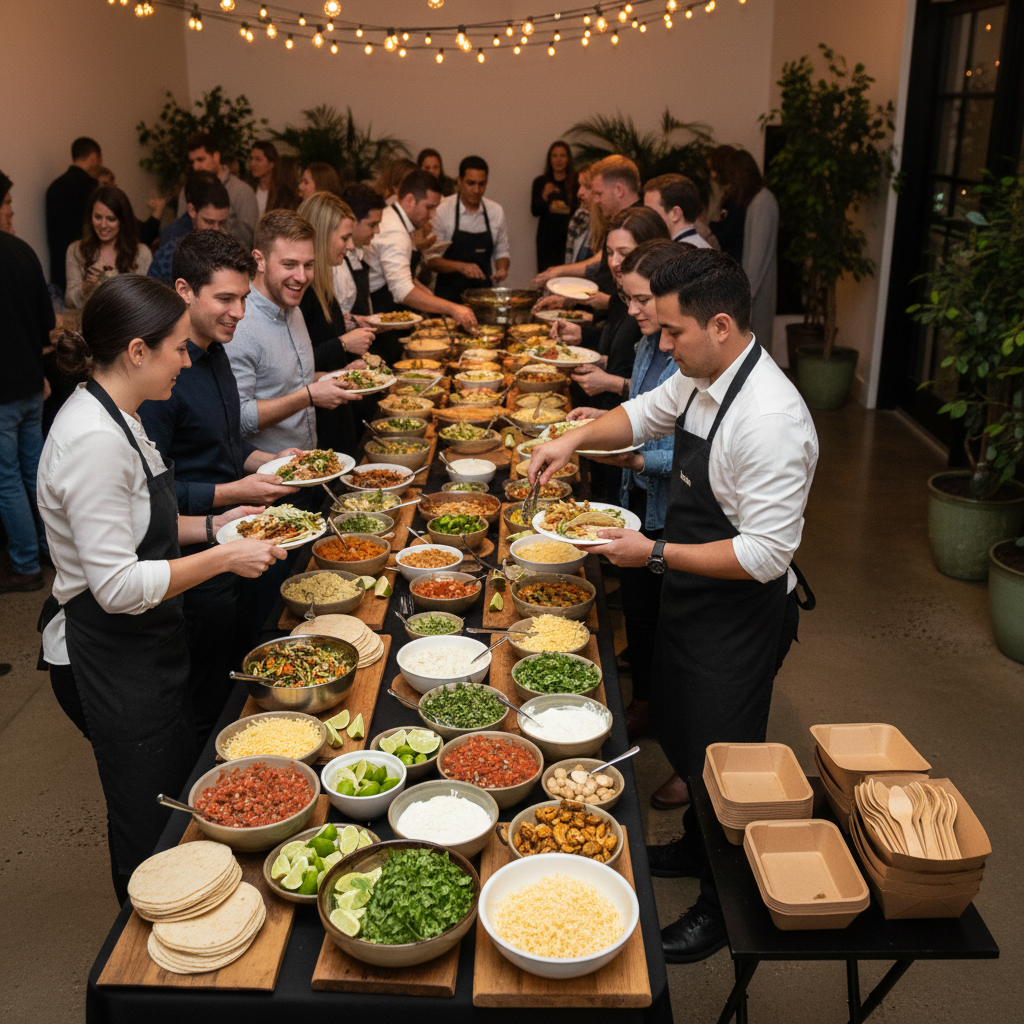
- Set-and-serve: Our team sets the buffet and refreshes trays for the first service wave; ideal for 40–120 guests.
- On-site grill: Live action and aroma; best when outdoor space/ventilation allows and you want a showpiece.
Pick based on venue, guest count, and vibe. Small condo party? Drop-off shines. Company milestone? Set-and-serve handles volume with polish.
| Style | Best for | Space needs | Speed | Notes |
|---|---|---|---|---|
| Drop-off | 10–50 guests, tight spaces | 1–2 tables, outlets optional | Fast setup | Host manages line and replenishment |
| Set-and-serve | 40–120 guests, paced service | 2–3 tables, nearby outlets | Consistent | Team refreshes, host greets guests |
| On-site grill | Outdoor/open-air venues | Ventilation, power, safety zone | Moderate | Peak freshness and showmanship |
For more detail on styles, see our buffet-style overview and the taco bar catering guide.
3) Build a balanced menu
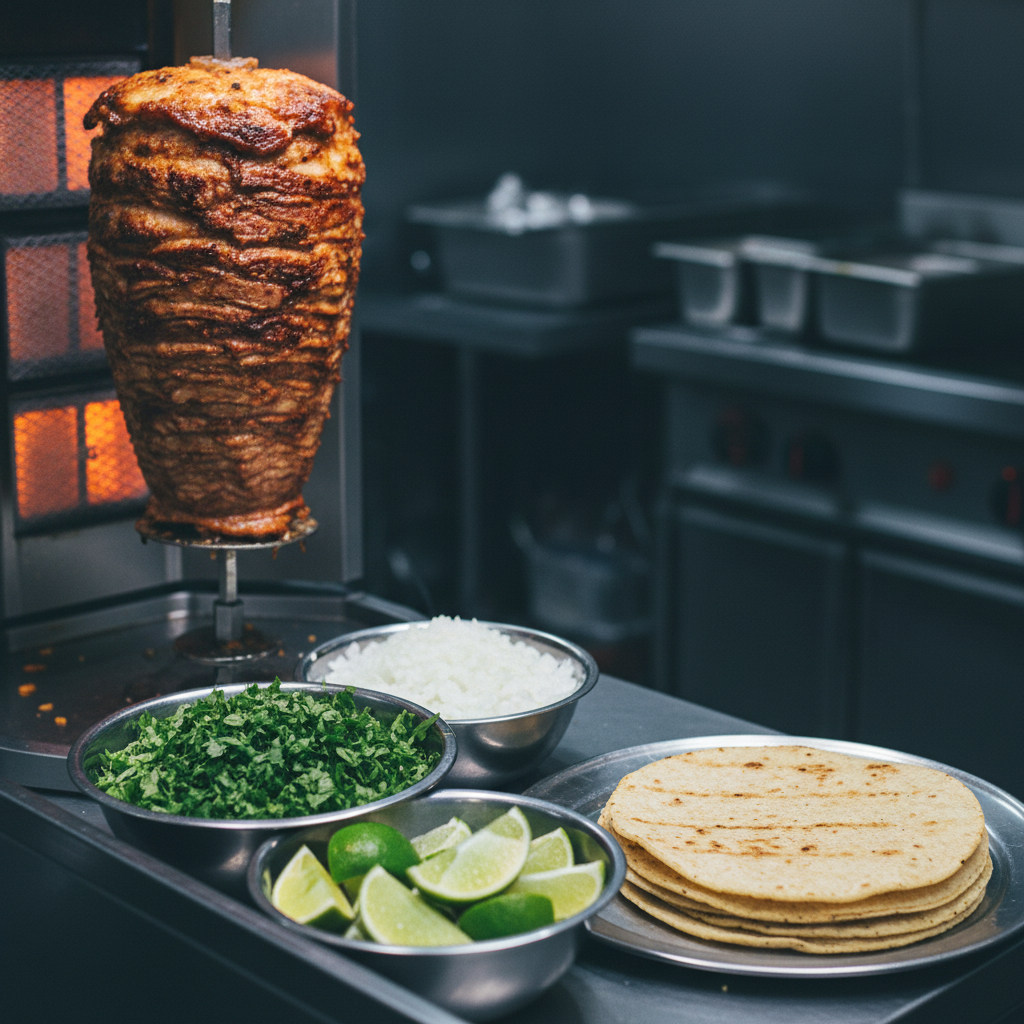
- Proteins: A mix like al pastor pork, grilled chicken, and a vegetarian protein keeps everyone happy.
- Sides: Rice, beans, slaw or salad, and chips with guacamole and salsas add variety and fill plates.
- Heat levels: Offer at least one mild and one hot salsa; label clearly.
- Texture plan: Keep tortillas warm and pliable; hold proteins hot; replenish in small, frequent batches.
We often anchor menus with tacos, then add a hearty side and a crisp salad. It’s flavorful, customizable, and quick to serve.
4) Plan for dietary needs
- Dedicated trays: Keep vegetarian/vegan items physically separated and use distinct utensils.
- Clear labels: Note dairy, gluten, and nuts; place labels before guests arrive to avoid mix-ups.
- Backup swaps: Stock extra corn tortillas and veg protein; demand tends to spike mid-service.
Inclusive planning builds trust. A labeled vegan tray that’s easy to spot prevents awkward lines and questions.
5) Map the buffet and guest flow
- Sequence: Plates → tortillas → proteins → toppings → sides → salsas → napkins/utensils → beverages.
- Line speed: One line serves ~100–150 guests per hour. Two mirror lines halve wait times.
- Bottleneck control: Put chips and salsas after mains to prevent early pile-ups.
Good flow is invisible. Guests move naturally, and the host stays free to mingle.
6) Lock timing: delivery, setup, service, cleanup
- Setup window: 30–60 minutes before the first plate. Longer if elevators or security checks are required.
- Service pacing: Release guests by table/team to avoid first-wave congestion.
- Cleanup cue: Close the line 10–15 minutes before speeches or activities begin.
When timing is clear, everything else gets easier. Your MC and your buffet shouldn’t compete for attention.
7) Assign event roles
- Buffet guide: Welcomes guests and nudges the line when needed.
- Replenisher: Swaps trays before they run low; small, frequent refills keep food hot and fresh.
- Cleanup lead: Watches waste stations and high-touch areas; resets the space between waves.
Small teams beat heroic solo hosts. With roles set, your line stays smooth even when the crowd peaks.
8) Prepare your space and equipment
- Tables and height: Buffet at comfortable reach; keep kids’ self-serve areas lower and safer.
- Power: Extension cords taped down; outlets tested in advance.
- Safety: Hot-holding away from edges; clear walking lanes; water/sanitizer station for quick wipes.
These basics prevent 90% of service hiccups: wobbly tables, tripped cords, and crowded corners.
9) Communicate final details (72 hours out)
- Final guest count: Lock portions and any special meals.
- Access notes: Door codes, elevators, parking, and security contacts.
- Run sheet: Delivery time, setup start, first plate, speeches, wrap time—all on one page.
Clear details reduce calls and texts on event day. Everyone knows where to be and when.
10) Enjoy and gather feedback
- Pulse checks: Ask three guests about line speed and food temperature midway through service.
- After-action notes: What ran out? What overproduced? Adjust next time by 10–15%.
- Thank-yous: A quick follow-up message keeps the event vibe strong beyond the night.
Great hosts learn with each event. Your next party will be even smoother.
Thinking about a taco bar? Explore our catering options, including individually packaged meals for offices and taco bar setups for family celebrations. When you’re ready, send your event details through our quick request form.
Troubleshooting
Most issues trace to heat, humidity, and line speed. Keep tortillas warm and covered, refill proteins in small batches, mirror your buffet for larger groups, and stage backup utensils. A 60-second reset every 10 minutes prevents sogginess and bottlenecks.
Common problems and fast fixes
- Soggy tortillas: Use insulated warmers; vent brief steam bursts; replenish in small stacks.
- Cold proteins: Rotate half-pans more often; lid between refills; keep serving utensils off hot pans.
- Line jams: Add a second salsa station; pre-position plates/napkins; split into two mirror lines at 60+ guests.
- Allergen concerns: Separate utensils and trays; label before the first plate is served.
- Late arrivals: Hold a small reserve tray warm; reopen briefly once speeches end.
What most people don’t realize: micro-adjustments beat big changes. A second tongs set or a new tray at 70% empty keeps momentum.
Advanced Tips (Optional)
Refine throughput and flavor with small levers: dual lines, heat-level signage, and timed replenishment. Pair a veg-forward tray with crowd favorites, and add a late-wave taco refresh to keep energy high without overproducing.
Throughput boosters
- Mirror lines: Two identical lines outperform one long line; place beverages away from the buffet.
- Label heat clearly: Mild/medium/hot icons reduce questions and speed choices.
- Batch refills: Swap at 70% empty; small batches stay hotter and taste fresher.
Flavor and experience
- Contrast textures: Crisp slaw beside tender proteins; warm tortillas with cool salsas.
- Seasonal add-ons: Fresh corn salad in summer; hearty beans when evenings run cool.
- Late-night tray: A compact second wave keeps the dance floor going.
Plan with real examples
- Apartment birthdays benefit from compact buffet setups and a single, well-placed line.
- Office lunches run smoother with individually packaged options and timed pickup windows.
- Backyard milestones shine with a build-your-own taco bar and a labeled salsa trio.
Frequently Asked Questions
Plan 2–3 tacos per adult, book several weeks ahead for prime weekends, and keep vegetarian, vegan, and gluten-free trays separate with dedicated utensils. You can mix staffed service with drop-off if your venue allows it.
How many tacos should I plan per person?
Plan 2–3 tacos per adult and 1–2 for kids, plus sides like rice, beans, and salad. Keep tortillas warm and replenish proteins in small batches to maintain quality during service.
How far in advance should I book Mexican catering?
Secure your date several weeks ahead for weekends in Toronto, especially in summer or around holidays. Lock final headcount and access details 72 hours before your event so portions, labels, and equipment match your space.
Can you accommodate vegetarian, vegan, and gluten-free guests?
Yes. We separate trays, use distinct utensils, and label allergens. Stocking extra corn tortillas and a dedicated veg protein ensures inclusive choices without slowing the line.
What service style works best for small apartments?
Drop-off is usually best. It minimizes equipment needs and setup time while keeping food hot in labeled trays. A single buffet line along a wall preserves floor space for guests.
Can I mix staffed service and drop-off at the same event?
You can. A common approach is drop-off for appetizers and a brief staffed window for the taco bar’s first wave. This keeps lines fast without overcomplicating logistics.
Additional Resources
Use planning frameworks from experienced caterers to refine headcount, buffet flow, and staffing. Cross-check your run sheet with venue rules and build a simple labeling system to keep guests moving and informed.
For deeper event-planning context, browse these practical perspectives on setup flow and guest experience. You’ll find ideas you can adapt to your venue and timeline without reinventing the wheel—especially helpful for first-time hosts.
Helpful perspectives on service flow and organization are covered in these guides: a Toronto-focused overview of corporate catering logistics, a digest on making events feel simple from a local operator’s catering playbook, and a venue-side look at menu balance in a convention center guide.
Conclusion
Great Mexican catering is planned, not left to chance. Confirm headcount, match service style to your space, label clearly, and time delivery, setup, and cleanup. With roles assigned and a smart buffet map, you’ll serve hot, flavorful food without lines or stress.
- Key takeaways:
- Lock numbers and dietary needs early; finalize 72 hours out.
- Pick the right service style for your space and vibe.
- Map the buffet; use small, frequent refills for freshness.
- Assign three roles: guide, replenisher, cleanup lead.
- Mirror lines and clear labels speed service for larger groups.
Ready to plan your event? Explore our catering options and send details via the request form. We’ll align portions, labeling, and setup to your venue in Old Toronto.