Mexican Catering: Make Office Lunches Easy in 2026
Your guide to Mexican catering for office lunches in Old Toronto—formats, portions, logistics, and labels for fast, inclusive, on-time team meals.
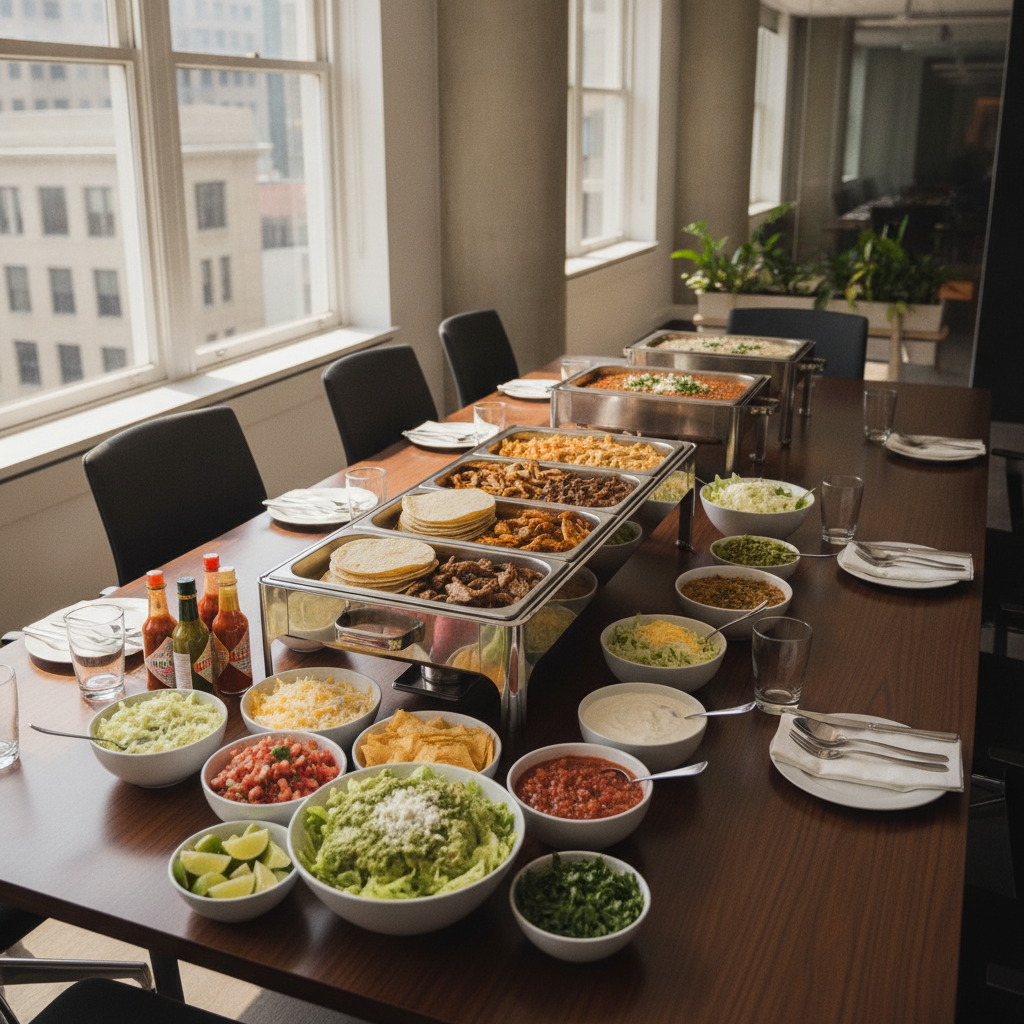
Mexican catering for office lunches is the organized delivery and setup of tacos, bowls, salads, and grill-focused dishes tailored to workplace teams in Old Toronto. It standardizes portions, labeling, and timing so lunch runs on schedule. The result is higher turnout, fewer dietary issues, and satisfying flavors that feel both familiar and fun for mixed groups.
By Sam Patel — Founder, La Rio's Mexican Grill
Last updated: 2026-07-05
Planning an office meal shouldn’t be a juggling act. In this complete guide from La Rio’s Mexican Grill, we’ll show you how to order, stage, and serve a Mexican lunch that your team will actually finish — with repeatable steps, templates, and Old Toronto tips you can reuse all year.
Summary
For smooth office lunches, pick a caterer that offers clear allergen labeling, reliable downtown delivery buffers, and build-your-own options. Choose two proteins plus a vegetarian base, add rice and beans, fresh toppings, and three salsa heat levels. Label everything and open the line left-to-right to keep queues moving.
Here’s what you’ll find in this guide:
- What Mexican office catering covers and why it works for mixed diets
- Step-by-step planning (headcount, portions, day-of setup)
- Formats that fit: boxed, buffet, and build-your-own taco bars
- La Rio’s best practices designed for Old Toronto buildings
- Tools and checklists you can copy for your next meeting
Table of contents
- What is Mexican catering for office lunches?
- Why Mexican office catering matters
- How Mexican office catering works (step-by-step)
- Formats and menus that work
- Best practices we follow at La Rio’s
- Tools and resources for coordinators
- Old Toronto logistics: what to know
- Real-world office lunch examples
- FAQ
- Key takeaways
- Conclusion and next steps
- Related reading from La Rio’s
What is Mexican catering for office lunches?
It’s a workplace meal service delivering Mexican dishes—tacos, bowls, salads, and grill items—packaged for groups with dietary needs in mind. Teams get predictable portions, fast setup, and familiar flavors. Orders include labeled proteins, vegetarian choices, and crowd-pleasing sides like rice, beans, chips, and salsa.
In practice, Mexican office catering means hot mains and fresh toppings arrive in insulated carriers with serving utensils and labels. A typical spread includes warm tortillas, grilled chicken or steak, roasted or fajita-style vegetables, beans, rice, and salsas that range from mild to hot.
- Core components: tortillas, proteins (grilled chicken, steak, or seasoned ground beef), plant-forward base (beans or roasted vegetables), rice, and toppings.
- Diet-friendly layout: keep vegetarian and dairy-free items separate with dedicated utensils to avoid cross-contact.
- Speed of service: a tidy taco bar can comfortably move 12–18 people every five minutes when staged left-to-right.
From our team’s on-site experience, the most successful office lunches follow a simple rule of thumb: offer choice without chaos. Two protein options, one vegetarian base, a grain, a legume, and a trio of salsas cover 90% of preferences while keeping lines short and predictable.
Why Mexican office catering matters
Mexican catering boosts meeting attendance, keeps breaks on schedule, and offers natural variety for mixed diets. Build-your-own formats reduce waste and meet diverse preferences, while reliable delivery windows minimize disruption so teams return to work energized and on time.
Food brings people together. When your lunch actually works—arrives hot, serves quickly, and tastes great—engagement rises. In our experience catering downtown gatherings, offices that switch to a consistent lunch cadence see stronger meeting turnout and fewer mid-day slumps.
- Engagement effect: a shared meal gives teams a reason to show up and stick around after the presentation.
- Predictability: standardized portions and labeled options prevent bottlenecks and guesswork.
- Diet inclusivity: tacos and bowls make it easy to avoid dairy, gluten, or certain proteins without isolating anyone.
- Operational rhythm: delivery buffers and staged setups keep the agenda intact.
Here’s the thing: you don’t need a dozen dishes to make people happy. You need a dependable lineup that’s easy to read at a glance. That’s why our builds use consistent labeling, color-coded garnish cues, and a mild-first approach with optional heat on the side.
How Mexican office catering works (step-by-step)
Plan headcount and dietary notes, pick a service format, confirm delivery and setup timing, then finalize your hot mains and sides. On the day, you’ll get a tidy layout, labeled ingredients, and serving guidelines that keep lines moving and portions consistent for every attendee.
- Lock the date and window. Hold a 45–60 minute serving window that covers arrivals and stragglers.
- Collect headcount and notes. Track RSVPs and flag vegetarian, vegan, dairy-free, or gluten-friendly needs.
- Choose the format. Boxed bowls, a shared buffet, or a build-your-own taco bar (details below).
- Pick mains and sides. Two proteins plus a vegetarian base; rice, beans, chips, a fresh salad, and salsas.
- Confirm building access. Note security, freight elevators, loading areas, and a day-of contact.
- Approve labeling. Finalize allergen and heat-level labels so guests can self-serve with confidence.
- Stage the room. Plan a left-to-right flow with plates first, tortillas warmed mid-line, and salsas last.
- Open the line and guide. A quick “start here, end there” announcement keeps everything moving.
- Store leftovers safely. Refrigerate promptly; keep hot holdings above safe temperatures during service.
Actionable tip: Place proteins after tortillas but before rice/beans. When guests lead with protein, they portion more consistently and your sides stretch further for late arrivals. It’s a small tweak with a big impact on flow and fairness.
Formats and menus that work
For offices, three formats dominate: boxed bowls for trainings, buffets for speed, and build-your-own taco bars for engagement. Pair two proteins with a plant-forward base, add rice and beans, a crunchy side, and a trio of salsas from mild to hot with clear labels.
| Format | Best for | Pros | Watch-outs |
|---|---|---|---|
| Individually boxed | Workshops, exams | Fast distribution; neat; easy counts | Less customization; packaging volume |
| Shared buffet | Large groups | Speed; flexible portions | Needs line management and serving tools |
| Build-your-own taco bar | Team socials | Interactive; suits many diets | Requires setup space and signage |
At La Rio’s, we operate all three. If you prefer boxed convenience, see our individually packaged catering. For a classic communal feel, explore our buffet-style Mexican catering. And when you want an instant crowd-pleaser, a taco bar catering setup wins over even cautious eaters.
Menu building blocks
- Proteins: grilled chicken, marinated steak, or seasoned ground beef; tofu or roasted veggies for plant-forward guests.
- Bases: cilantro-lime rice, Spanish rice, or greens; black or pinto beans for fiber and balance.
- Toppings: pico de gallo, shredded lettuce, cilantro, diced onions, jalapeños, and lime wedges.
- Salsas: mild tomato, medium verde, and a roasted hot option for heat-seekers.
- Sides: chips and salsa, warm queso or guacamole, and a bright salad to refresh the plate.
Rule of thumb: plan two tacos or one hearty bowl per person for standard lunches, with 10–15% extra for last-minute attendees. Keep mild as the default and make heat clearly optional. It’s inclusive, fast, and still flavorful.
Best practices we follow at La Rio’s
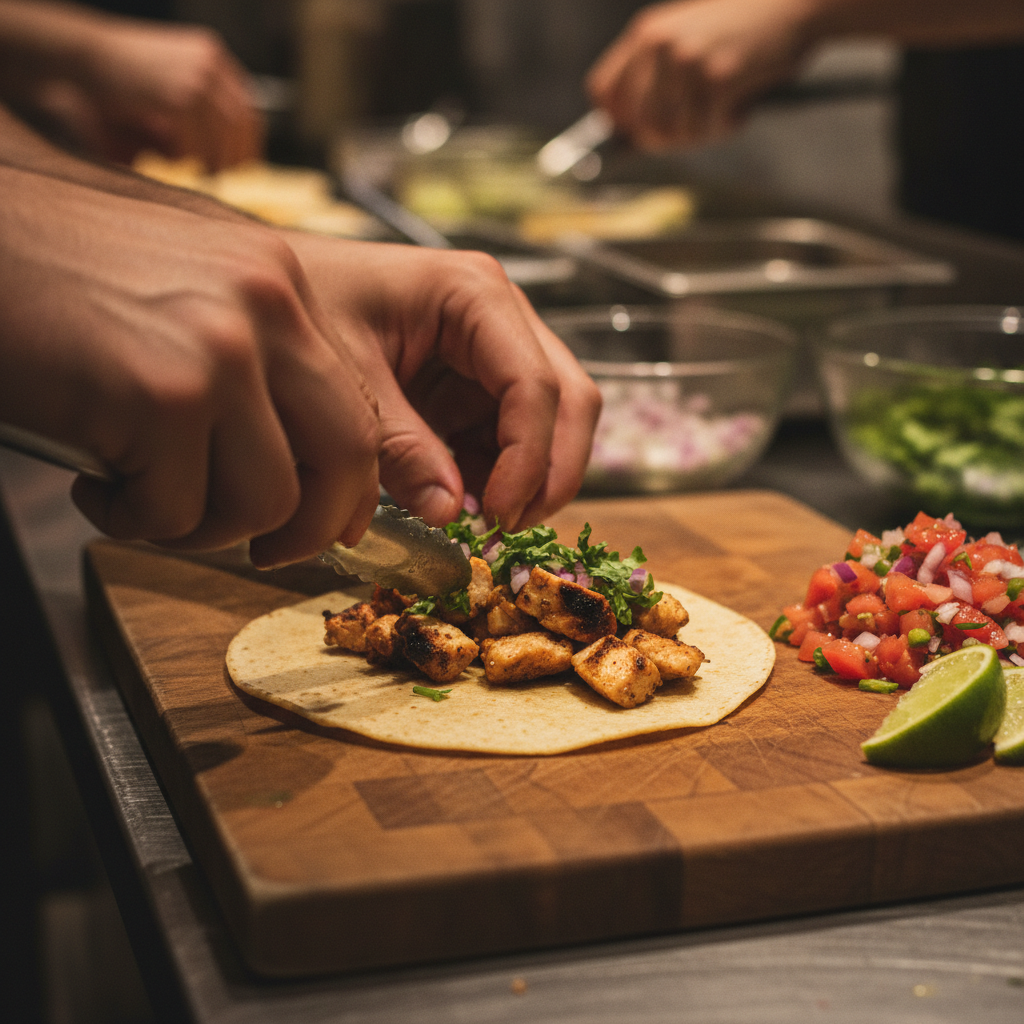
We standardize portions, label clearly, stagger delivery buffers for downtown traffic, and bring backup serving gear. We also map building access in Old Toronto, confirm elevators, and set lines to flow left-to-right so service stays under 10 minutes per 20 guests.
Operational habits that keep lunch on time
- Buffer planning: we add 15–30 minutes to account for loading, elevator holds, and Queen West congestion.
- Thermal control: hot mains ride in insulated carriers; cold toppings arrive chilled and crisp.
- Redundancy: extra tongs, spoons, and gloves—because one missing utensil can slow a whole line.
- Labeling: large, plain-language labels with heat icons; vegetarian and dairy-free called out.
- Line design: plates → tortillas → proteins → bases → toppings → salsas → napkins for a natural flow.
Food safety and comfort
- Hot stays hot: keep warm proteins above safe-hold temperatures during service.
- Cold stays cold: rotate salsa and salad pans from chilled reserves when the line is long.
- Allergen separation: dedicated utensils and station spacing prevent cross-contact.
- Leftover stewardship: pack, label, and refrigerate promptly for team members who missed lunch.
Consistency is everything. Our teams do dozens of downtown setups each quarter, and the same small habits—clear labels, utensil backups, and predictable line order—deliver the biggest wins on speed and satisfaction.
Tools and resources for coordinators
Use a headcount tracker, an allergen checklist, and a simple room layout. Add a delivery window buffer and a short volunteer list for setup and line guidance. With these tools, office lunches run predictably well—even when calendars shift last minute.
Copy-and-use checklists
- Headcount + diet tracker: Name, attending (Y/N), vegetarian/vegan, dairy-free, gluten-friendly.
- Allergen notes: egg, milk, sesame, soy, peanuts/tree nuts, fish, shellfish, wheat.
- Room layout: tables for line, beverages, and waste; space for a quick welcome announcement.
- Delivery details: building name, loading dock or street entry, security desk, freight elevator access, day-of contact.
- Cleanup plan: compostables and recycling labeled; storage containers identified in advance.
Coordinator pro tips
- Place napkins and cutlery at the end of the line to prevent backtracking traffic.
- Keep mild salsa closest to the flow; put hot salsa last with a clear heat cue.
- Assign two volunteers: one to greet and point, one to restock and keep the line tidy.
- Stage a small “dietary table” with the vegetarian base and dairy-free toppings to reduce wait times.
Need help translating headcount to portions? Our team can advise based on your schedule and meeting format—start at our catering page or request a catering quote with your headcount range and dietary notes.
Old Toronto logistics: what to know
Downtown deliveries work best with 15–30 minute buffers, clear building access notes, and a designated day-of contact. Around Queen West, time your drop before the lunch rush and account for elevator traffic so food lands hot and lines open on schedule.
Local considerations for Old Toronto
- If your meeting is near Trinity Bellwoods Park, schedule a slightly earlier drop so your team can enjoy a quick walk and still eat within the lunch window.
- Hosting close to STACKT market? Reserve freight elevator time if your building offers it; lobby holds can add unplanned minutes at peak times.
- Winter months call for extra insulated carriers; in summer, confirm an indoor staging area to keep greens and salsas crisp.
Wayfinding matters downtown. Provide the suite number and the service elevator location to your caterer, plus a phone number for the person on-site. A single point of contact shortens check-in time and keeps your agenda intact.

Real-world office lunch examples
Training day? Choose boxed bowls with clear labels. All-hands? Run a taco bar with two proteins and a veggie base. Wellness week? Lead with salads and grilled chicken. Small teams thrive on variety; large teams favor speed and predictable lines.
Scenario 1: Quarterly town hall (100–150 guests)
- Format: Build-your-own taco bar, mirrored into two identical lines.
- Menu: grilled chicken and marinated steak; fajita veggies; cilantro-lime rice; black beans; pico, lettuce, cilantro, onions; three salsas.
- Why it works: mirror lines cut wait times; the veggie base covers many diets without a separate station.
Scenario 2: New-hire orientation (20–30 guests)
- Format: Individually boxed bowls.
- Menu: chicken or tofu bowls; rice and beans; mild salsa on the side; greens included for freshness.
- Why it works: quick handout and easy seating; labels reduce confusion when names are still new.
Scenario 3: Client workshop (40–60 guests)
- Format: Shared buffet.
- Menu: rice, beans, fajita veggies, grilled chicken; salsas at three heat levels; chips and a bright side salad.
- Why it works: steady pacing between sessions; guests can adjust portions without slowing the group.
Explore bowl-forward ideas on our menu: try the hearty option showcased on our ground beef salad bowl page or a plant-forward pick like the bean burrito bowl. For vegan-friendly events, coordinators often ask us to feature a tofu sofritas bowl similar to the one on our tofu sofritas page.
FAQ
Plan for clear labels, a mix of proteins and veggies, and confirmed delivery buffers. Choose boxed for trainings, buffets for speed, and taco bars for engagement. Share allergen notes early and assign a day-of contact to keep setup focused and fast.
What should I include in a Mexican office lunch order?
Aim for two proteins, one vegetarian base, warm tortillas, rice, beans, fresh toppings, and salsas from mild to hot. Add clear labels, serving utensils, and a simple line layout so guests can self-serve quickly without crowding.
How do I handle allergens and dietary preferences?
Collect notes during RSVP and label ingredients clearly. Keep vegetarian, dairy-free, and gluten-friendly items separate with dedicated utensils. Post a basic allergen list near the line so people can double-check at a glance.
Which catering format serves fastest?
Buffets move fastest for big groups because multiple guests can serve at once. For small teams, boxed bowls distribute quickly. Taco bars are efficient when staged left-to-right with tortillas warmed and salsas last.
How far in advance should I book?
Book as soon as your meeting is set. For peak weekdays, a week’s notice helps us map delivery buffers and building access. If you’re on a tight timeline, share headcount and diet notes early so we can confirm a reliable window.
Key takeaways
Keep menus simple, delivery buffers realistic, and labels clear. Choose the format that matches your meeting, then stage the line left-to-right with mild-first salsas. These small choices drive faster service and happier teams—without overcomplicating your order.
- Two proteins + one vegetarian base cover most diets.
- Boxed for trainings; buffets for speed; taco bars for engagement.
- Delivery buffers of 15–30 minutes protect your agenda.
- Labels and utensil discipline keep lines moving.
- Mirror lines for 100+ guests to cut wait times in half.
Conclusion and next steps
The easiest office lunches share three traits: clear menu choices, reliable timing, and simple staging. Lock your headcount, pick the right format, and plan a left-to-right flow. With those in place, Mexican catering becomes a repeatable win for every team meeting.
Ready to plan your next lunch in Old Toronto? Start at our catering page for a quick overview, or request a catering quote with your headcount, dietary notes, and preferred drop window. We’ll map delivery buffers, label clearly, and set you up for an on-time, good-looking spread.
Related reading from La Rio’s
Curious which format fits your event? Our overview of buffet-style Mexican catering explains how to pace large groups, while the individually packaged catering page shows how to keep trainings tidy. Want interaction? Explore our taco bar catering setup for team socials.
For additional context on office meal planning and local norms, you might review a Toronto-focused office catering overview or skim a brief office lunch catering explainer. Teams organizing larger events often find value in a broader corporate catering guide that covers venue and scheduling considerations.
Plan your next office lunch with La Rio’s
- Tell us your headcount range and dietary notes.
- Pick boxed, buffet, or a build-your-own taco bar.
- Choose two proteins, one vegetarian base, and your favorite salsas.
We’ll stage the line, label everything, and build a delivery buffer that fits your agenda. Start here: request a catering quote.