Mexican Catering: Get the Timeline Right in 2026
Use this four-phase Mexican catering order planning timeline for Toronto events: scope, confirm, finalize, execute. Keep lines moving and guests happy.
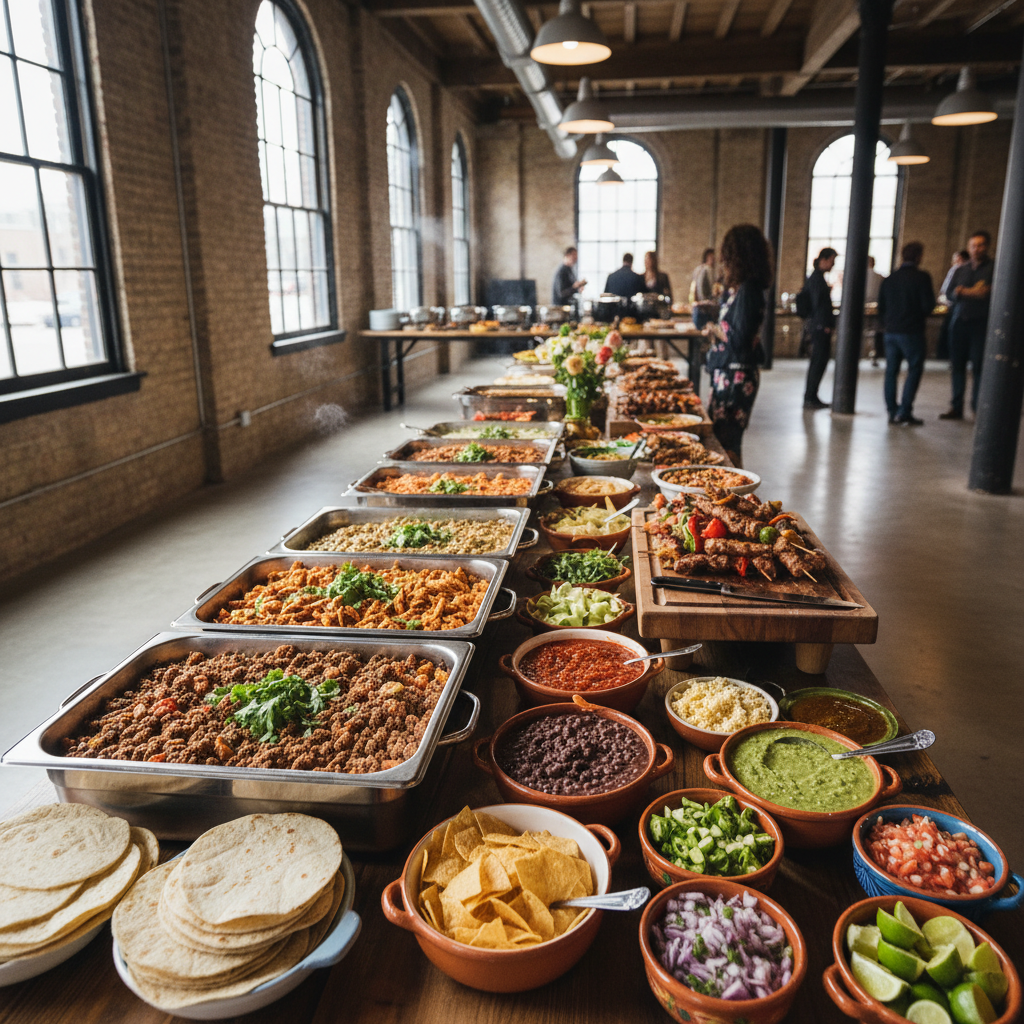
Mexican catering order planning timeline refers to the week-by-week schedule you follow to size portions, lock menus, and coordinate delivery and staffing. For events near 746 Queen St W in Old Toronto, La Rio’s Mexican Grill simplifies this process with dine-in, takeout, and full catering options so your plan stays on track.
By Sam Patel — Founder, La Rio’s Mexican Grill
Last updated: 2026-05-06
At a Glance
Plan Mexican catering on a four-stage timeline: discovery (4–3 weeks), confirmation (2 weeks), finalization (1 week), and execution (event day). Size portions by headcount, confirm dietary needs, schedule delivery windows, and assign buffet roles. This simple structure prevents over-ordering, delays, and service bottlenecks.
Here’s the quick view you can reference before diving into the full guide.
- 4–3 weeks out: Define goals, guest count ranges, and service style (taco bar, fajita bar, boxed lunches, family-style).
- 2 weeks out: Confirm headcount, collect dietary needs, and submit your preliminary order.
- 1 week out: Lock the menu, delivery window, equipment, and serving plan.
- Event day: Stage the buffet, check temperatures, and pace refills.
What Is a Mexican Catering Order Planning Timeline?
A Mexican catering order planning timeline is a structured schedule for sizing portions, choosing a service style, gathering dietary needs, and coordinating delivery, setup, and staffing. It turns a complex event into four clear milestones so food arrives hot, lines move quickly, and every guest gets what they want.
In practice, the timeline is your event’s backbone. It aligns decisions across food, logistics, and staffing. Without it, even great food can stumble due to slow lines or missing utensils.
- Scope control: Prevents scope creep by giving each week a distinct purpose.
- Fewer surprises: Surfaces constraints (elevators, loading docks, no-gas venues) earlier.
- Better guest experience: Smooth flow, right portions, and confident dietary accommodations.
At La Rio’s Mexican Grill, we use this same structure for office lunches, neighborhood gatherings, and weekend celebrations. It’s consistent, quick to follow, and flexible for headcount changes.
Why the Timeline Matters (Results You Can Measure)
Timelines reduce waste, protect guest experience, and de-risk logistics. With clear milestones, you avoid last‑minute add‑ons, confirm dietary needs early, and schedule delivery to match venue access. The result: hot food, shorter lines, and fewer leftovers.
Here’s why a simple, dated plan consistently outperforms ad hoc coordination.
- Predictable portions: When headcount is locked one week out, over-ordering drops dramatically.
- Dietary clarity: Early collection of allergens and dietary patterns reduces menu edits later.
- On-time delivery: Pairing your agenda with a 20–30 minute delivery window keeps sessions on schedule.
- Line flow: Spacing proteins, toppings, and beverages prevents logjams at the start of the buffet.
We’ve found that buffets set 20–30 minutes before the stated lunch break have the smoothest lines, while boxed meals are best staged 10 minutes before a meeting ends. That simple buffer reduces crowding and keeps temperatures in the safe zone.
How the Timeline Works: Step-by-Step
Use four phases: Discovery (4–3 weeks), Confirmation (2 weeks), Finalization (1 week), and Execution (event day). In each phase, make a handful of decisions: guest count, menu, dietary needs, delivery windows, equipment, and staffing. This cadence keeps momentum and prevents scramble.
Phase 1: Discovery (4–3 weeks out)
- Choose service style: Taco bar, fajita bar, family-style platters, or individually packaged meals.
- Estimate headcount bands: Plan for a low, likely, and max number (e.g., 45 / 60 / 75).
- Pick venue constraints: Elevators, loading dock windows, parking, and table availability.
- Shortlist menus: Align proteins and spice heat with your audience (mild, medium, hot lines).
- Internal link a plan: Explore our catering overview to see styles that fit your event.
Phase 2: Confirmation (2 weeks out)
- Collect dietary needs: Allergen disclosures, vegan/vegetarian, gluten-aware, halal-friendly requests.
- Lock rough headcount: Aim for an 80–90% accurate count now; refine next week.
- Reserve your slot: Submit your preliminary order and delivery window.
- Menu detail: Pair a mild and a medium protein to serve most guests comfortably.
- Helpful reference: See a Toronto-focused corporate overview from Lunchlink’s guide for venue-flow reminders.
Phase 3: Finalization (1 week out)
- Finalize headcount: Share the final number; add a 3–5% buffer for walk-ins.
- Lock menu SKUs: For example, confirm al pastor and a poultry option plus sides.
- Confirm delivery timing: Target 20–30 minutes before service for hot buffets.
- Layout plan: Decide table flow, utensil stations, and signage needs.
- Checklist: Use our buffet-style checklist to stage trays, sterno, and serving gear.
Phase 4: Execution (Event Day)
- Arrival and staging: Clear a staging table near the buffet; confirm elevator access if needed.
- Temperature checks: Hot items should be kept hot; cold items cold for quality and safety.
- Line pacing: Start two lines for 60+ guests; separate beverages from the main buffet.
- Refill cadence: Small, frequent refills keep food fresh and reduce waste.
- Wrap-up: Box leftovers promptly and tidy the space.
Mexican Catering Order Planning Timeline: Week-by-Week
For Old Toronto and the wider Toronto metro, a four-week catering plan works best: Week 4 scopes your event, Week 2 confirms details, Week 1 locks the plan, and Event Day executes. This cadence fits local venue access, traffic timing, and typical office schedules.
Use the following sequence as a plug-and-play template for your team’s calendar.
| Lead Time | Key Decisions | Typical Actions |
|---|---|---|
| 4–3 weeks | Service style, headcount bands, venue constraints | Shortlist taco/fajita bar vs. boxed; check table and power access |
| 2 weeks | Dietary needs, preliminary order, delivery window | Collect allergens; submit time and address; share building notes |
| 1 week | Final headcount, menu lock, equipment | Confirm SKUs; staging diagram; assign buffet roles |
| Event day | Setup and service | Staging table; temperature checks; refill pacing; wrap-up |
Types of Mexican Catering Styles (When to Use Each)
Choose taco bars for interactive lines, fajita bars for hearty hot entrées, family-style platters for table sharing, and individually packaged meals for strict dietary separation. Match the style to venue flow, time constraints, and your audience’s comfort with self-serve setups.
Taco Bar (most flexible)
Guests build tacos with proteins, toppings, and salsas. Great for mixed preferences.
- Best for: 25–150 guests; open spaces; varied spice preferences.
- Pro tip: Split mild and medium proteins into separate chafers to shorten decisions at the front of the line.
- Explore options: See our buffet taco setups for staging ideas.
Fajita Bar (hearty & filling)
Grilled meats and peppers served with tortillas and sides; warm and satisfying.
- Best for: Cooler months or evening events; 30–120 guests.
- Pro tip: Position tortillas mid-line to prevent early bottlenecks.
Family-Style Platters (shared at table)
Platters circulate at each table, encouraging conversation and portion variety.
- Best for: Seated events with fixed tables; 20–80 guests.
- Pro tip: Add a small vegan platter per table to cover diverse diets without a separate line.
Individually Packaged Meals (dietary precision)
Pre-labeled boxes keep allergens and dietary preferences clearly separated.
- Best for: Training rooms, boardrooms, and quick-turn meetings.
- Pro tip: Place vegan and gluten-aware stacks closest to the door for easy access.
- Planning help: Browse our individually packaged options.
Portioning and Menu Logic (Never Run Short)
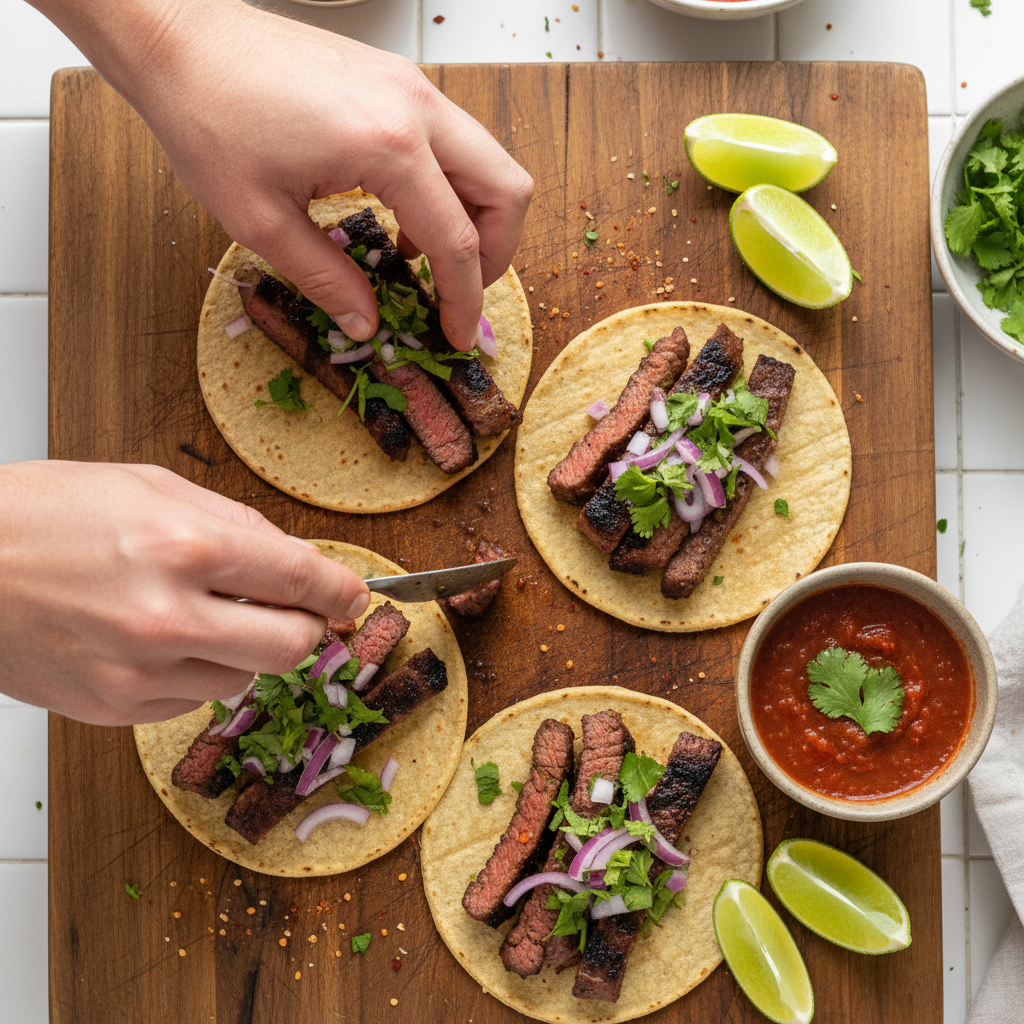
Portion by headcount bands, not a single guess. For taco bars, plan 2–3 tacos per person, 4–6 ounces of protein, and sides sized for 1.25 servings per guest. Add a 3–5% buffer for walk-ins. This keeps lines moving and plates full without overspending.
Menu planning is both math and empathy — you’re predicting appetite and preference.
- Taco math: 2–3 tortillas/person, 4–6 oz protein, 2–3 toppings, plus one salsa per heat level.
- Balanced proteins: Pair a familiar option (e.g., chicken) with a signature (e.g., beef tacos or al pastor).
- Sides cadence: Rice, beans, and a fresh item (salad or slaw) keep plates varied and satisfied.
- Dietary coverage: Include a vegan or vegetarian protein pan for every 25 attendees.
For packed schedules, individually labeled boxes remove decision time. For social lunches, buffets win for variety and speed.
Logistics, Delivery, and Setup (No-Bottleneck Playbook)
Schedule delivery 20–30 minutes before service, stage a separate utensil-and-napkin table, and split the buffet into two mirrored lines for groups over 60. Confirm building access notes in advance to prevent delays and elevator gridlock.
- Access plan: Share loading instructions and a contact who can answer the phone on arrival.
- Table map: Buffet against a long wall; beverages away from the food line; dessert last.
- Staff roles: Greeter, refill lead, and a runner to clear empty pans.
- Venue realities: Lunch windows are tight; a 10-minute delay can double the line length.
Simple touches — like pre-opening lids and setting tongs at 45 degrees — remove friction for every guest. For corporate floors, two condensed lines often beat one extra-long run.
Food Safety and Quality Without the Stress
Keep hot items hot and cold items cold, protect against cross-contact for allergens, and refresh pans in small batches. Label dietary items clearly and separate serving utensils. These basics protect guests and preserve flavor and texture.
- Hot-hold discipline: Rotate smaller pans more often to keep food fresh and safe.
- Allergen separation: Dedicated utensils and clear labeling prevent cross-contact.
- Leftover handling: Box promptly and refrigerate per your organization’s policy.
Food quality and guest trust rise when labeling is clear and proteins are refreshed in smaller increments. It’s not just safety — it’s better eating.
Best Practices and Common Pitfalls
Lock headcount one week out, confirm dietary needs early, and choose a service style that fits your venue. Avoid last-minute menu changes, single-line buffets for 60+ guests, and unlabeled dietary items. These few rules eliminate most event-day stress.
- Do: Use headcount bands (low/likely/max) from week four onward.
- Do: Mirror lines for 60+ guests; beverages separate.
- Do: Combine one familiar and one signature protein.
- Avoid: Announcing food before the buffet is staged; it creates instant bottlenecks.
- Avoid: Placing napkins at the front; move them off-line to speed entry.
When in doubt, keep the line moving and the labeling obvious. Everything else becomes easier.
Tools and Resources (Templates You Can Use)
Use a one-page timeline, a headcount-and-dietary tracker, and a buffet layout sketch. These lightweight tools prevent last-minute surprises and help teams share the plan quickly. Pair them with a simple run-of-show for your on-site lead.
- Ordering hub: Start with our catering overview to match styles and timelines.
- Dietary tracker: A shared sheet listing guest name, dietary notes, and meal assignment.
- Layout sketch: A phone photo of your room with arrows for traffic flow works wonders.
- External perspective: Skim this Toronto office overview from Lunchlink for venue timing tips.
- Comparative idea: For a different cuisine lens on planning cadence, see this event catering post.
- Explore taco bars: Review a focused page on taco bar catering to visualize throughput.
Local considerations for Old Toronto
- Weekday events near Trinity Bellwoods Park see pedestrian-heavy lunch hours; pad delivery windows by 10–15 minutes.
- Winter setups benefit from fajita bars and hot-hold gear; summer evening socials favor taco bars and lighter salsas.
- For downtown towers, pre-clear elevator access and security sign-ins to keep staging on time.
Mini Case Studies (What Works in the Real World)
Successful events match service style to venue flow and finalize headcounts early. Office lunches move fastest with mirrored lines; boardroom trainings excel with boxed meals. Clear labeling and small-pan refills lift satisfaction and reduce leftovers.
Office Lunch, Old Toronto (80 guests)
- Goal: 45-minute lunch window between sessions.
- Style: Taco bar with two mirrored lines and beverages off-line.
- Outcome: Full service in 35 minutes; minimal leftovers; positive feedback on variety.
Training Day, Toronto Core (35 guests)
- Goal: Zero-interruption schedule with dietary precision.
- Style: Individually packaged meals with visible labels.
- Outcome: Five-minute distribution, no line, confident allergen handling.
Community Social, Near Trinity Bellwoods (120 guests)
- Goal: Casual mingle with broad age range.
- Style: Fajita and taco combo bar; mild and medium proteins.
- Outcome: Steady flow, strong feedback on grilled flavors, quick cleanup.
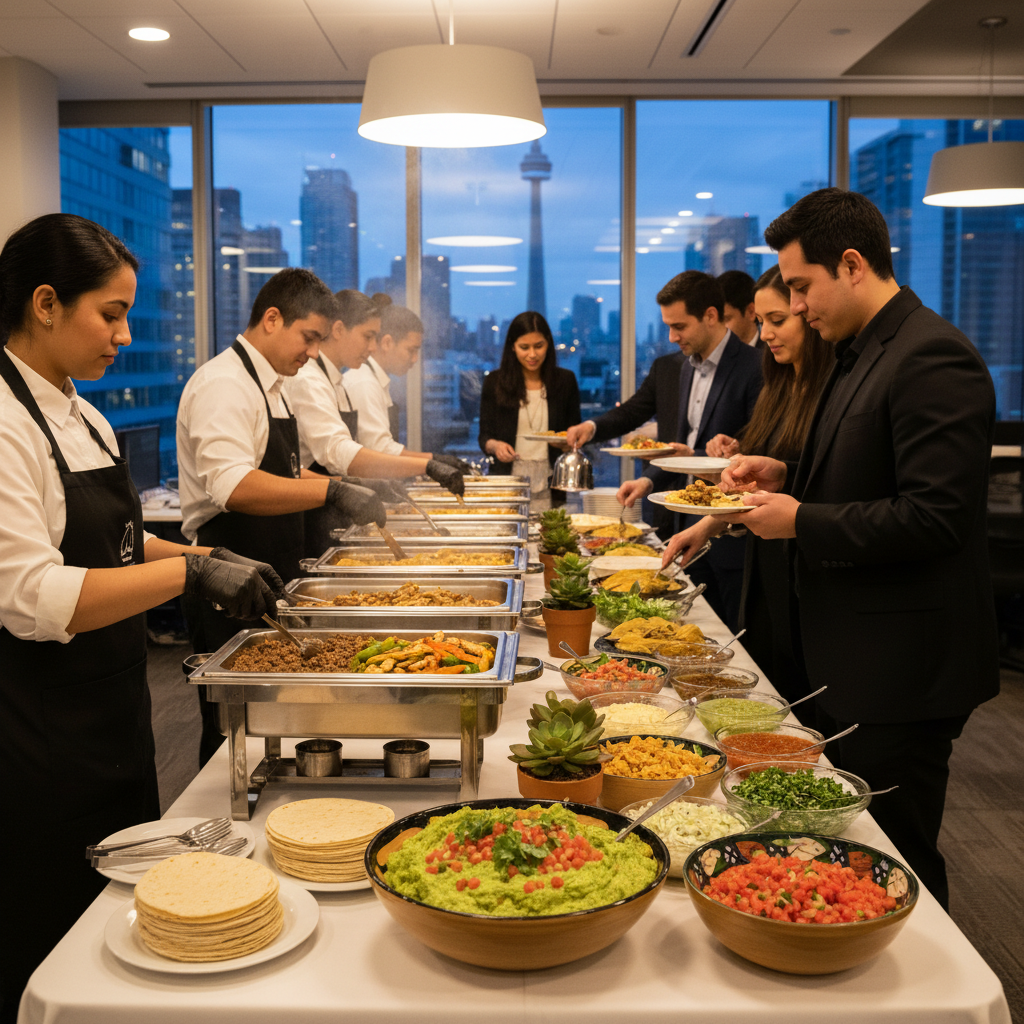
Plan with us: If you already know your date and headcount band, share it through our catering request form. We’ll map the four phases to your agenda and venue.
FAQ: Mexican Catering Order Planning Timeline
Most groups succeed with a four-phase plan: scope 4–3 weeks out, confirm at 2 weeks, finalize at 1 week, then execute on event day. Time delivery 20–30 minutes before service, mirror lines for 60+ guests, and label dietary items clearly.
How far in advance should I book Mexican catering?
Aim to start planning 4–3 weeks out, reserve your slot at 2 weeks, and finalize headcount and menu 1 week before. This cadence protects delivery windows and ensures accurate portions and dietary coverage.
What serving style is fastest for office lunches?
For 60+ guests, mirrored taco or fajita lines move faster than a single long buffet. Place beverages on a separate table and stage napkins and utensils off-line to reduce congestion.
How do I handle dietary restrictions without slowing the line?
Gather dietary needs two weeks out, include a vegan/vegetarian protein for every 25 guests, and label items clearly. For strict separation, use individually packaged meals with visible labeling and separate pickup points.
When should food arrive on event day?
Schedule arrival 20–30 minutes before service for hot buffets. That buffer allows for elevator time, setup, and temperature checks while keeping food hot and fresh.
What if my final headcount changes last minute?
Use headcount bands from day one and keep a 3–5% buffer. Communicate changes as soon as possible; the timeline is flexible enough to absorb small shifts without affecting service quality.
Key Takeaways and Next Steps
Break planning into four phases, lock headcount one week out, and design your buffet for flow. With clear labeling and mirrored lines, you’ll keep guests happy and on schedule. Share your agenda and headcount band, and we’ll align the plan to your venue.
- Use a four-phase timeline and headcount bands.
- Match service style to venue flow and timing.
- Label dietary items and separate utensils.
- Stage beverages off the main buffet for speed.
- Send us your date and delivery window to start.
Ready to map your event? Visit our catering overview or send details through the request form. We’ll tailor the plan to your space in Old Toronto and the greater Toronto area.