Mexican Catering Guide: Choose Better Food in 2026
Toronto guide for Mexican catering service comparison: taco bars vs buffets vs boxed meals, step-by-step ordering, buyer’s checklist, and local tips.
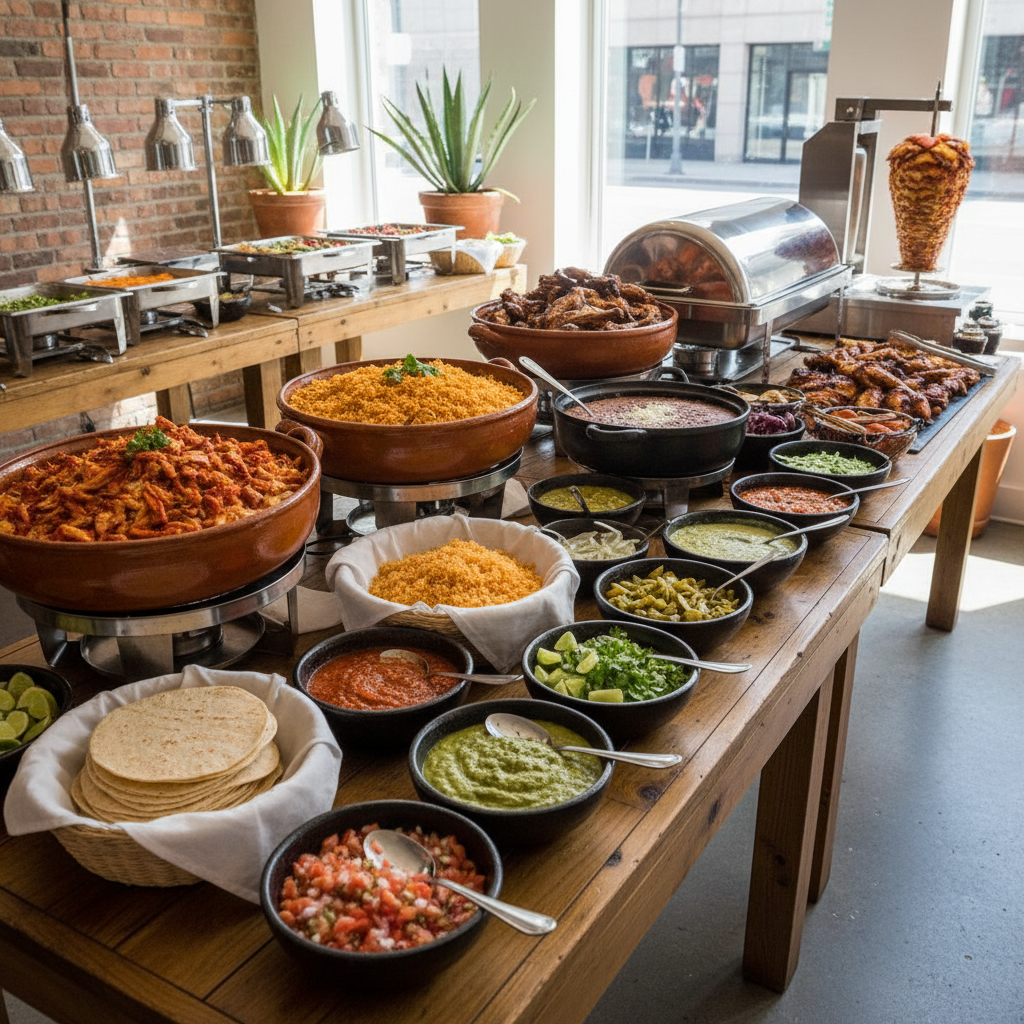
Mexican catering service comparison is the side‑by‑side evaluation of caterers, menus, formats, and logistics to match your event goals. For Old Toronto planners near 746 Queen St W, La Rio’s Mexican Grill simplifies decisions with clear options, reliable timelines, and flexible dietary accommodations so you can serve great food without stress.
By Sam Patel — Founder, La Rio’s Mexican Grill
Last updated: 2026-05-06
Overview and Table of Contents
This complete guide compares Mexican catering styles, outlines a step-by-step ordering process, and shares pro tips for Toronto events. You’ll see a clear comparison table, a buyer’s checklist, and examples drawn from La Rio’s Mexican Grill on Queen St W to help you choose confidently.
Planning food should feel organized, not overwhelming. Use this guide to scan formats, match them to your guest list, and lock in delivery and setup with confidence.
- Quick Summary
- What Mexican catering service comparison means
- Why comparison matters for Toronto events
- How the catering process works (step-by-step)
- Types of Mexican catering and when to use each
- Head-to-head comparison table
- Buyer’s checklist and best practices
- Tools, timelines, and resources
- Local considerations for Old Toronto
- Case studies and real examples
- FAQ
- Conclusion and key takeaways
Quick Summary
Choose the right Mexican catering by matching service style to event goals, headcount, venue rules, and dietary needs. Taco bars fit interactive office lunches, buffets suit family-style gatherings, and individually packaged meals excel for meetings with strict dietary and timing constraints.
Here’s the gist for fast decisions. Start with your event goal, then choose the service model that aligns with service level and space. Lock in logistics, and confirm final counts the week of your event.
- Best for speed: Individually packaged boxes keep lines short and portions consistent.
- Best for interaction: Build‑your‑own taco bars encourage mixing and conversation.
- Best for variety: Buffet spreads deliver multiple proteins, sides, and salsas at once.
- Headcount planning: Confirm a final RSVP list 3–5 days before delivery to keep portions aligned.
- Dietary coverage: Plan at least two vegetarian mains and one dairy‑free salsa for mixed groups.
Local considerations for Old Toronto
- Weekend deliveries near Trinity Bellwoods Park can face heavier pedestrian traffic—add 10–15 extra minutes to the delivery window.
- Winter weather swings affect holding temperatures at outdoor venues—request insulated carriers and confirm an indoor staging area.
- Venue loading near Fort York National Historic Site often requires clear signage—share contact info for your onsite lead so drivers can reach you quickly.
What is Mexican catering service comparison?
Mexican catering service comparison evaluates providers, menus, formats, and logistics side by side. It clarifies fit for headcount, venue rules, dietary needs, and service level, so planners pick the style—taco bar, buffet, or boxed—that best meets event goals.
In practice, it’s a structured way to choose between options instead of guessing. At La Rio’s Mexican Grill, we frame the decision around four lenses: menu fit, service model, logistics, and dietary coverage.
- Menu fit: Proteins, sides, salsa heat levels, and signature items that match your audience.
- Service model: Full‑service buffet, self‑serve taco bar, or individually packaged meals.
- Logistics: Drop‑off vs. staffed, setup time, table space, warming equipment, and cleanup plan.
- Dietary coverage: Vegetarian, vegan, gluten‑sensitive, and dairy‑free accommodations clearly labeled.
When you compare along the same axes, the right choice emerges quickly—and you avoid last‑minute surprises.
Why comparison matters for Toronto planners
Comparing Mexican catering options prevents under‑ordering, long buffet lines, and allergen confusion. In Toronto, venue restrictions and traffic windows add complexity, so selecting the right service model upfront keeps food hot, lines short, and guests happy.
Events in the Toronto core move fast. Elevators, loading zones, and meeting agendas often leave narrow setup windows. Choosing a model that fits those constraints is the difference between a smooth lunch and a scramble.
- Traffic timing: Build a 15–30 minute buffer for downtown deliveries, especially during rush periods.
- Elevator access: Boxed meals travel faster than chafers when freight elevators are tight.
- Venue rules: Some offices limit open‑flame or sternos—confirm approved warming methods in advance.
- Allergens: Labeling and separation reduce cross‑contact risk in shared serving lines.
- Meeting agendas: If attendees have 20 minutes to eat, individually packaged meals protect time.
At our Queen St W location, we guide organizers through these trade‑offs every week so food quality arrives intact and on time.
How the catering process works (step‑by‑step)
Plan your Mexican catering in five steps: define goals, select service model, finalize headcount and dietary needs, confirm delivery logistics, and review setup/cleanup. This sequence locks in quality and timing while keeping decisions simple.
- Define the event goal: Celebration, training, board meeting, or family gathering? That guides format and portions.
- Pick a service model: taco bar, buffet, or individually packaged.
- Gather counts and needs: Guests, vegetarian/vegan counts, gluten‑sensitive needs, and heat preferences.
- Confirm logistics: Delivery window, access instructions, table space, and serving equipment.
- Lock details: Share the onsite contact and room number; set a short buffer before guests arrive.
When everything is aligned, place your order through our catering page or request help via get a quote. We’ll review details and flag improvements before confirming.
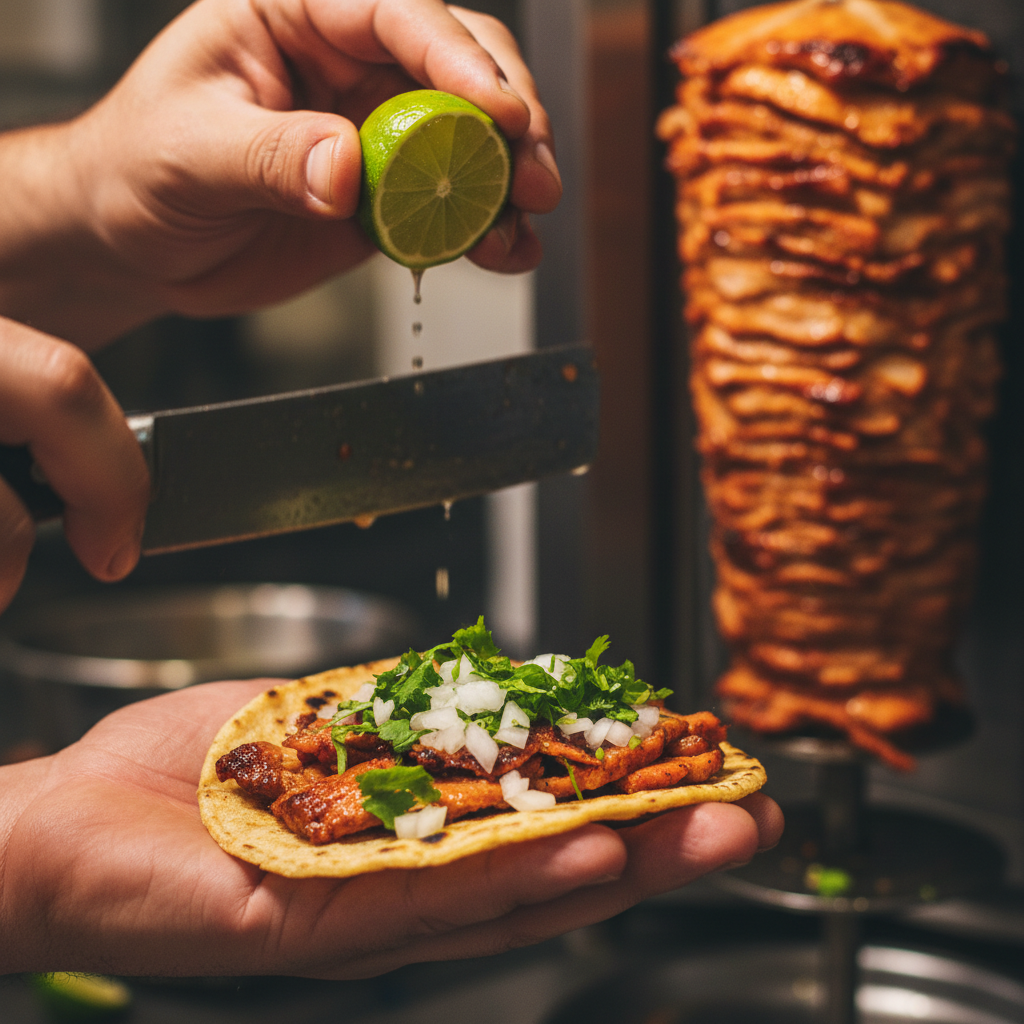
Types of Mexican catering (and when to use each)
Choose taco bars for interactive lunches, buffets for variety and pace, individually packaged meals for tight schedules, and full‑service for formal events. Match service style to agenda, space, and guest preferences.
Taco bar (build‑your‑own)
- Best for: Office lunches and team mixers where guests customize flavors.
- Why it works: High engagement and flexible portions keep lines moving.
- La Rio’s example: Our taco bar catering supplies tortillas, proteins, veggies, salsas, and toppings with clear labels.
- Tip: Place proteins first in the line so guests build balanced plates.
Buffet (family‑style)
- Best for: Larger gatherings needing multiple proteins and sides at once.
- Why it works: Streamlined service with consistent portions and hot holding.
- La Rio’s example: Our buffet setup includes warmers and signage for smooth flow.
- Tip: Stage two serving lines for 80+ guests to reduce wait times.
Individually packaged meals
- Best for: Tight agendas, training sessions, or venues with limited space.
- Why it works: Predictable portions and simpler allergen management.
- La Rio’s example: See individually packaged catering for clear labeling and quick distribution.
- Tip: Color‑code bag stickers by dietary category for speed.
Full‑service (staffed)
- Best for: Formal receptions or events needing onsite support.
- Why it works: Staff manage timing, replenishment, and presentation.
- La Rio’s example: Ask through get a quote to discuss onsite service details.
- Tip: Assign one staffer per 40–50 guests for smooth service intervals.
Head‑to‑head comparison table
This table compares taco bars, buffets, boxed meals, and full‑service across logistics, dietary handling, setup time, and best‑fit use cases. Scan it to align your event’s pace and space with the most practical service model.
| Service Style | Setup Time | Dietary Handling | Space Needed | Best For | Staffing | Notes |
|---|---|---|---|---|---|---|
| Taco Bar | 20–35 min | Clear labels; separate pans | Two 6–8 ft tables | Interactive lunches | Drop‑off or light staff | Great for mixed tastes |
| Buffet | 30–45 min | Signage + server guidance | Two+ 8 ft tables | Large groups, variety | Drop‑off or staffed | Fast throughput at scale |
| Boxed Meals | 10–20 min | Individual labels | One staging table | Meetings, trainings | Drop‑off | Zero line congestion |
| Full‑Service | 45–60 min | Server oversight | Tables + service area | Formal receptions | Staffed | Polished presentation |
Use the table as a filter. If your meeting offers a 20‑minute lunch break, boxed meals win. If you want connection and conversation, let guests build tacos with multiple toppings and heat levels.
Buyer’s checklist and best practices
Great Mexican catering comes down to crisp headcounts, smart line flow, clear labels, and a simple plan for drop‑off and cleanup. Use this checklist to prevent shortages, confusion, and long lines.
Checklist: before you order
- Finalize date, time, and venue (with loading details and room number).
- Get a guest list and note vegetarian/vegan and gluten‑sensitive needs.
- Pick a service model: taco bar, buffet, or boxed.
- Decide on serving order: proteins first, then toppings, then sides.
- Confirm table space and access to power if warmers are required.
Best practices: on the day
- Stage the line with clear signage and visible allergen notes.
- Keep backup utensils and gloves at the end of each table.
- Use separate tongs for vegetarian items to reduce cross‑contact.
- Place drinks and desserts at a second station to avoid bottlenecks.
- Snapshot the setup for post‑event learnings and future orders.
We provide labels and simple visual cues so guests find what they want quickly without interrupting the flow.
Tools, timelines, and resources
Lock in quality with a short planning timeline, labeled menus, and a single point of contact. Use checklists, room diagrams, and a delivery buffer to protect serving temperatures and guest experience.
- 4–6 days out: Confirm counts and dietary needs; choose the service model.
- 2–3 days out: Share delivery instructions and building access details.
- Event day: Prep staging tables and confirm the onsite contact meets the driver.
For additional local guidance on office catering planning, see this overview of corporate catering in Toronto. For ideas on recurring office meals, review office catering options and team lunch formats. Teams with specific dietary frameworks can also explore corporate catering choices across the city.
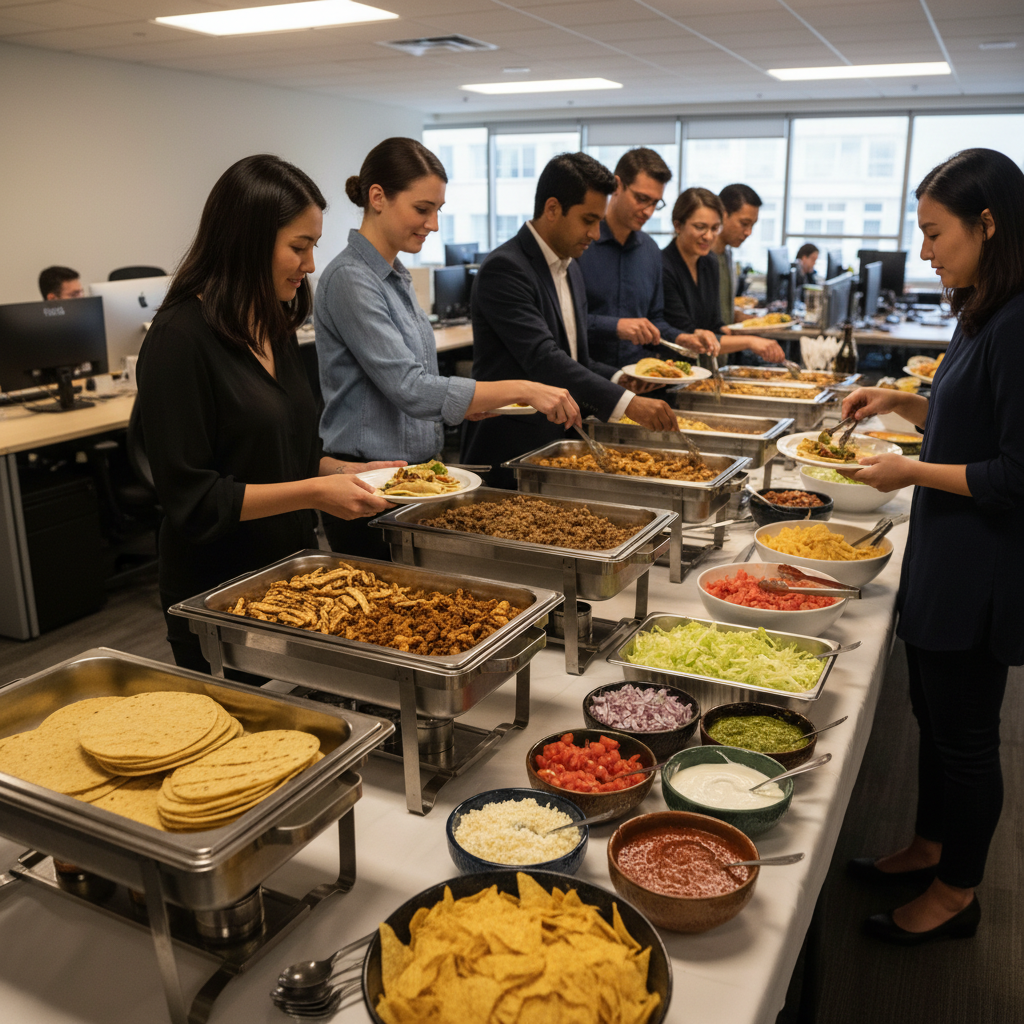
How to match menu to guests
Balance proteins, sides, and heat levels to satisfy mixed groups. Offer at least one chicken, one vegetarian/vegan main, two salsas with different heat, and a neutral side like rice or salad for broader appeal.
- Proteins: Rotate grilled chicken, slow‑cooked beef, or veggie fajitas for range.
- Sides: Pair rice and beans with a crisp salad to cover lighter eaters.
- Salsas: Provide mild and medium options; add a hot salsa off to the side.
- Toppings: Cilantro, onion, lime, crema, and pickled jalapeños for flexibility.
- Allergens: Separate dairy‑based toppings from the main line.
La Rio’s offers grilled specialties and Mexican cuisine staples that travel well. For special requests, connect through our quote form—we’ll recommend a balanced set tailored to your crowd.
Dine‑in, takeout, or catering?
Choose dine‑in for social gatherings, takeout for small teams on the go, and catering for groups needing coordinated delivery, labeling, and setup. The right path depends on headcount, timing, and venue policies.
- Dine‑in: Great for celebrations when you want the ambiance of La Rio’s Mexican Grill.
- Takeout: Efficient for 6–12 person teams; add extra napkins and utensils.
- Catering: Best for 15+ guests, signage, and temperature‑controlled service.
If you’re nearby, stop by our Queen St W location to sample flavors before your event—or order a small trial through our catering page.
Allergy and dietary management
Protect guests with clear labels, separate utensils, and a simple map of vegetarian/vegan options. Keep dairy‑based toppings in a separate zone, and communicate heat levels to avoid surprises.
- Labeling: Put item names and potential allergens at eye level.
- Separation: Dedicated utensils for vegetarian items minimize cross‑contact.
- Communication: Share a quick menu map with your team before serving begins.
Our individually packaged option simplifies this further with labels on each box. When in doubt, include a few extra vegetarian boxes—they disappear quickly in mixed groups.
Logistics and setup for smooth service
Reserve table space, set an arrival buffer, and plan guest flow from plates to proteins to toppings. A two‑line setup halves wait times for groups over 80 and keeps the room on schedule.
- Tables: Reserve two 6–8 ft tables for taco bars; three for larger buffets.
- Flow: Plates and tortillas first, proteins second, toppings third, sides last.
- Timing: Stage desserts and drinks away from the main line to reduce congestion.
We include a simple line diagram by request so your team can build the room before the driver arrives.
Case studies and real examples
Real Toronto events show how service models perform. Office teams favor taco bars for collaboration, while training sessions choose boxed meals for speed and clarity. Family celebrations lean buffet for variety and pace.
- Old Toronto office lunch (60 guests): Dual‑line taco bar with two proteins, two salsas, rice, and salad. Result: sub‑10‑minute wait times.
- Training day (30 guests): Individually labeled taco boxes delivered to room. Result: lunch finished in 18 minutes without disrupting the agenda.
- Family celebration (75 guests): Buffet with staffed replenishment. Result: steady pacing and consistent portions throughout.
Each format has a sweet spot. If your schedule is tight, boxed wins. If you want people to mingle, taco bars deliver energy and conversation.
How La Rio’s supports your event
We help you plan, label, and stage Mexican catering that fits your room and agenda. From build‑your‑own taco bars to boxed meals, our team aligns menu, setup, and timing so food hits the table hot and organized.
- Menu curation: Grilled specialties and staples that travel well.
- Clear labeling: Dietary cues and heat levels at a glance.
- Flexible delivery: Short buffers to protect temperature and schedule.
Start on our catering page or tap get a quote for tailored recommendations.
Need a 10‑minute menu plan?
Share your guest count and dietary mix. We’ll suggest a right‑sized taco bar, buffet, or boxed plan and flag room setup tips for your venue.
Mexican catering service comparison in Old Toronto
In Old Toronto, the best Mexican catering choice balances delivery windows, elevator access, and guest mix. Taco bars suit collaborative teams; boxed meals protect tight agendas; buffets scale for large groups in multi‑purpose spaces.
Our Queen St W team is familiar with neighborhood access, from small creative studios to larger offices near the lake. Share your building’s delivery specifics and we’ll calibrate the plan.
Common pitfalls to avoid
Avoid vague headcounts, unclear labels, and single‑line setups for big groups. These three mistakes cause shortages, confusion, and long waits—fix them with a clear plan and simple signage.
- Soft RSVPs: Push for a list lock 3–5 days out; add a small buffer for late adds.
- Label gaps: Use large, legible labels—especially for vegetarian and heat levels.
- Single line: For 80+ guests, split into two mirrored lines.
Our team reviews your plan before confirming, so these issues don’t surface during service.
Buying guide: what to ask a caterer
Ask about service style, labeling, delivery windows, space needs, and cleanup. A good caterer answers clearly, shares setup diagrams, and confirms how allergies are handled in taco bars, buffets, and boxed meals.
- How do you label allergens and heat levels?
- What table space do you need for a taco bar or buffet?
- How do you handle vegetarian/vegan and gluten‑sensitive orders?
- What arrival buffer do you recommend for our building?
- Who should the driver call on arrival?
When details are crisp, service runs on rails. If you’d like a checklist pre‑filled to your venue, reach out through get a quote.
Frequently Asked Questions
These quick answers cover lead time, group size, dietary needs, and choosing between taco bars, buffets, and boxed meals. Each response is direct so you can plan faster.
How far in advance should I book Mexican catering?
Book once your date and venue are set and you have a draft headcount. Many organizers confirm 4–6 days out, then provide final numbers 2–3 days before delivery so labeling and portions align.
Which is better for office lunches: taco bar or boxed meals?
Taco bars are best for collaboration and variety; boxed meals protect tight schedules and elevator constraints. If guests have under 25 minutes to eat, choose boxed. If you want interaction and range, go taco bar.
How do you handle vegetarian and gluten‑sensitive needs?
We separate utensils, label clearly, and stage vegetarian items away from meat proteins. Boxed meals can be labeled by diet for simple distribution and reduced cross‑contact risk.
Do you offer dine‑in tastings before we decide?
Yes—visit La Rio’s Mexican Grill on Queen St W for a dine‑in experience, or request a small trial order through our catering page to sample flavors before your event.
Conclusion and key takeaways
Pick your service style based on time, space, and guest mix. Taco bars drive engagement, buffets scale for variety, and boxed meals keep meetings on schedule. A clear plan, labels, and a small delivery buffer protect food quality.
- Match the model: Taco bar for interaction, buffet for scale, boxed for speed.
- Protect the timeline: Add a delivery buffer and stage two lines for large groups.
- Label everything: Allergen and heat labels reduce confusion and support inclusivity.
- Ask the right questions: Space needs, staffing, delivery, and cleanup.
- Get help quickly: Start on our catering page or request a plan.