Mexican Cuisine: Avoid Bad Picks at Casual Spots in 2026
A Mexican cuisine comparison for casual dining in Old Toronto: match tacos, burritos, bowls, fajitas, and quesadillas to your moment for dine-in, takeout, or catering.
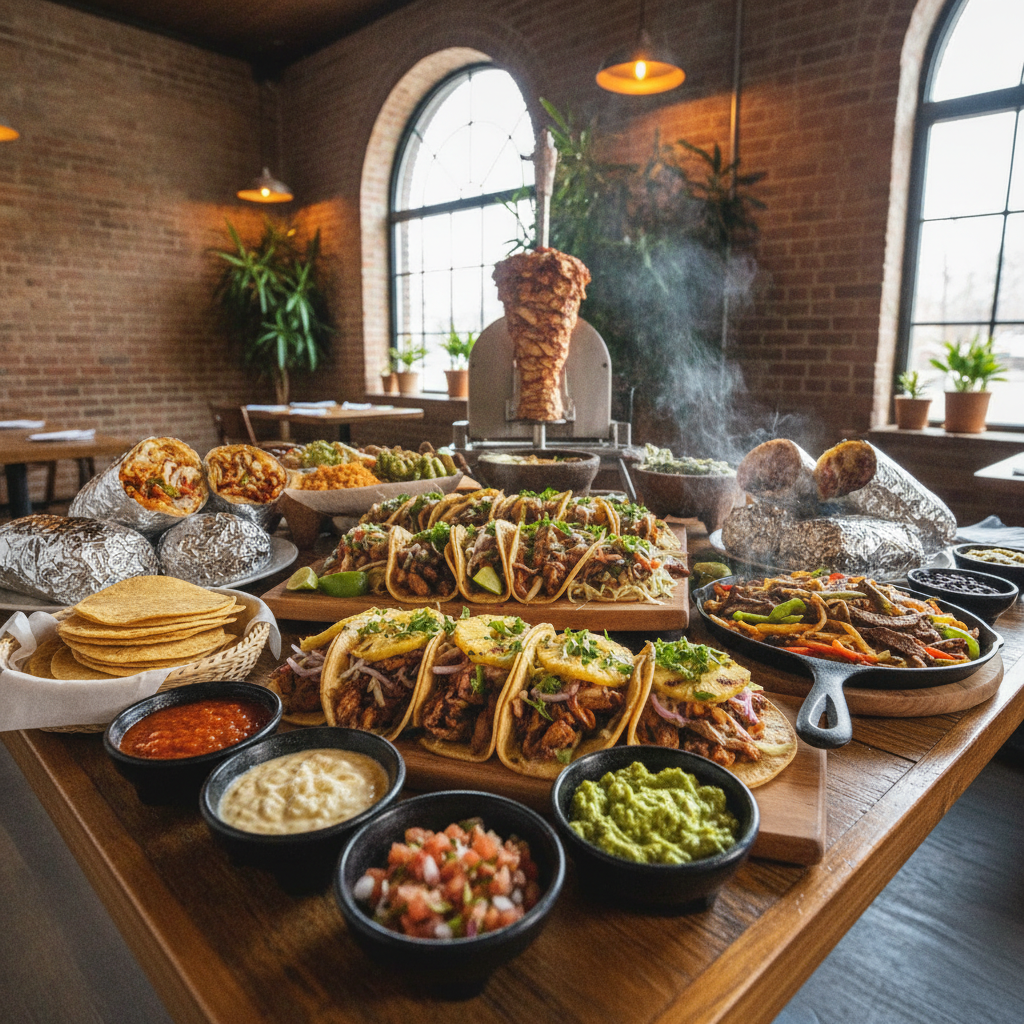
Mexican cuisine comparison for casual dining is the side-by-side evaluation of tacos, burritos, bowls, fajitas, and quesadillas by flavor, portability, and occasion. In Old Toronto, this helps you pick dishes that travel well, please mixed diets, and suit dine-in, takeout, or catering—so your order from La Rio’s Mexican Grill lands delicious every time.
By Sam Patel • Last updated: 2026-06-30
Overview and what you’ll learn
This complete guide shows how to compare Mexican grill favorites for casual dining, when to choose each dish, and the common mistakes to avoid. You’ll get a comparison table, local Old Toronto tips, actionable checklists, and real examples using La Rio’s dine-in, takeout, and catering services.
Think of this as your menu decoder for fast, confident ordering. We’ll map dishes to moments—family nights, office lunches, picnics, and game days—so textures stay crisp, heat holds, and everyone gets what they love. You’ll see how to customize spice, sides, and sauces without overcomplicating your order.
- How to match tacos, burritos, bowls, fajitas, and quesadillas to real-life scenarios
- What to avoid so meals don’t arrive soggy or over-sauced
- Kid-friendly, vegetarian, and gluten-conscious ideas that still feel indulgent
- Simple matrices and checklists for dine-in, takeout, and catering
- Local insights tailored to Old Toronto’s commutes, seasons, and park picnics
What is “Mexican cuisine comparison” for casual dining?
Mexican cuisine comparison for casual dining is a practical framework for evaluating tacos, burritos, bowls, fajitas, and quesadillas by portability, mess factor, dietary fit, and shareability. The aim is simple: match the dish to your moment so food travels well, eats cleanly, and makes every guest happy.
We use this approach daily at La Rio’s Mexican Grill. Instead of guessing, you’ll align each order to the context: weekday lunch at your desk, a relaxed dine-in with sizzle, or a picnic that needs one-hand bites. The framework removes second-guessing and reduces leftovers.
How this guide stays practical
- Real scenarios: Family nights, office huddles, commuting lunches, and park days.
- Clear choices: Two or three best-fit dishes per situation, not a hundred options.
- Actionable tweaks: Sauce strategy, topping timing, and heat management you can use today.
You’ll also see where bowls, burritos, tacos, fajitas, and quesadillas shine—and where they don’t. The result is a repeatable ordering playbook you can rely on any day of the week.
Why this matters for Old Toronto diners
Choosing the right Mexican grill dish reduces mess, waste, and stress. In Old Toronto, factors like weather, commute time, and company—kids, coworkers, or friends—shape the best pick. Aligning orders to context means better textures, happier eaters, and fewer leftovers.
Here’s the thing: the same dish behaves differently across settings. A fajita skillet thrills tableside with aroma and sear; on a 25-minute streetcar ride, steam softens tortillas. A burrito keeps its structure during a walk-and-talk lunch; a taco with heavy crema might not. Small decisions—sauce placement, topping timing, and protein choice—change outcomes.
- Weather swings: Bowls and burritos hold heat on cold nights; tacos win under summer sun.
- Commute math: Over 20 minutes? Choose compact builds with sauces on the side.
- Group dynamics: DIY bars beat pre-built plates when tastes vary.
We’ve found that family groups lean toward shareable sizzles and taco flights, while office orders favor bowls and burritos that stay neat. Matching dish-to-moment is the easiest way to make every setting feel like a win.
How the comparisons work
We compare dishes using six diner-friendly factors: portability, shareability, dietary flexibility, mess factor, reheating potential, and crowd appeal. Pick the scenario, score constraints, then choose the dish that wins most factors for your context—dine-in, takeout, picnic, or catering.
Use this five-step method the La Rio’s team coaches guests to follow:
- Define the moment: dine-in, commute takeout, picnic, or meeting.
- List constraints: time window, utensils, heat source, and dietary needs.
- Map dish to constraints: see the comparison table below.
- Pair sides and salsa: add crunch, acid, or heat to balance richness.
- Right-size portions: avoid over-ordering; use shareables for groups.
| Dish | Best For | Portability | Mess | Dietary Flex | Reheat | Crowd Appeal |
|---|---|---|---|---|---|---|
| Tacos | Variety, picnics | High (soft) | Low–Med | High | Med | High |
| Burritos | Office lunch, travel | Very high | Low | Med–High | High | High |
| Bowls | Commutes, light eaters | High | Low | Very high | High | High |
| Fajitas | Dine-in sizzle | Low (packed) | Med | High | Med | Very high |
| Quesadillas | Kids, snacks | High | Low | Med | Med | High |
Want a quick rule of thumb? Over 20 minutes in transit favors bowls and burritos; under 15 minutes opens the door to tacos and quesadillas. If your group spans multiple diets, bowls or a DIY taco bar offer the most flexibility without slowing the line.
Dish types and when to choose each
Choose tacos for variety and picnics, burritos for travel-friendly lunches, bowls for customizable nutrition, fajitas for lively dine-in, and quesadillas for kid-friendly simplicity. Match salsa heat and sides to your setting so textures shine without spills or sogginess.
La Rio’s menu revolves around these five casual-dining workhorses. Each one fits a different moment, and small tweaks—like where you place sauces or when you add crunchy toppings—make a big difference.
Tacos: variety without over-committing
Tacos let each person sample two or three fillings, trimming order regret. Soft tortillas travel better than hard shells, and protein swaps handle most diets. For park days, pack lime wedges and a medium salsa; save crema for the table to avoid sogginess.
- Best for: Variety seekers, picnics, game nights.
- Pro tip: Double up soft tortillas for stability; keep salsa sealed until serving.
- Avoid: Heavy creams on long rides; choose bright salsas instead.
Burritos: the spill-proof lunch hero
A well-wrapped burrito keeps hands clean and heat locked in. Ask for rice on the bottom for structure, then protein, beans, and crisp veg on top for contrast. If timing is uncertain, a bowl with a warm tortilla on the side gives you flexibility.
- Best for: Office lunches, longer commutes, walk-and-talk meetings.
- Pro tip: Halve the burrito for portioning; foil helps retain heat.
- Consider: Swapping to a bowl if your schedule is unpredictable.
Bowls: maximum flexibility, minimum mess
Bowls handle gluten-conscious, dairy-light, or lighter-eating goals without sacrificing flavor. They reheat well and invite smart swaps: grilled proteins, extra veggies, or salsa verde for brightness. For commutes, keep crunchy toppings separate until you arrive.
- Best for: Mixed-diet groups, meal-prep style takeout, reheats.
- Explore: Our burrito bowls lineup for easy customization.
- Try: The bright, lean feel of a shrimp burrito bowl or plant-forward tofu sofritas bowl.
Fajitas: best enjoyed hot on-site
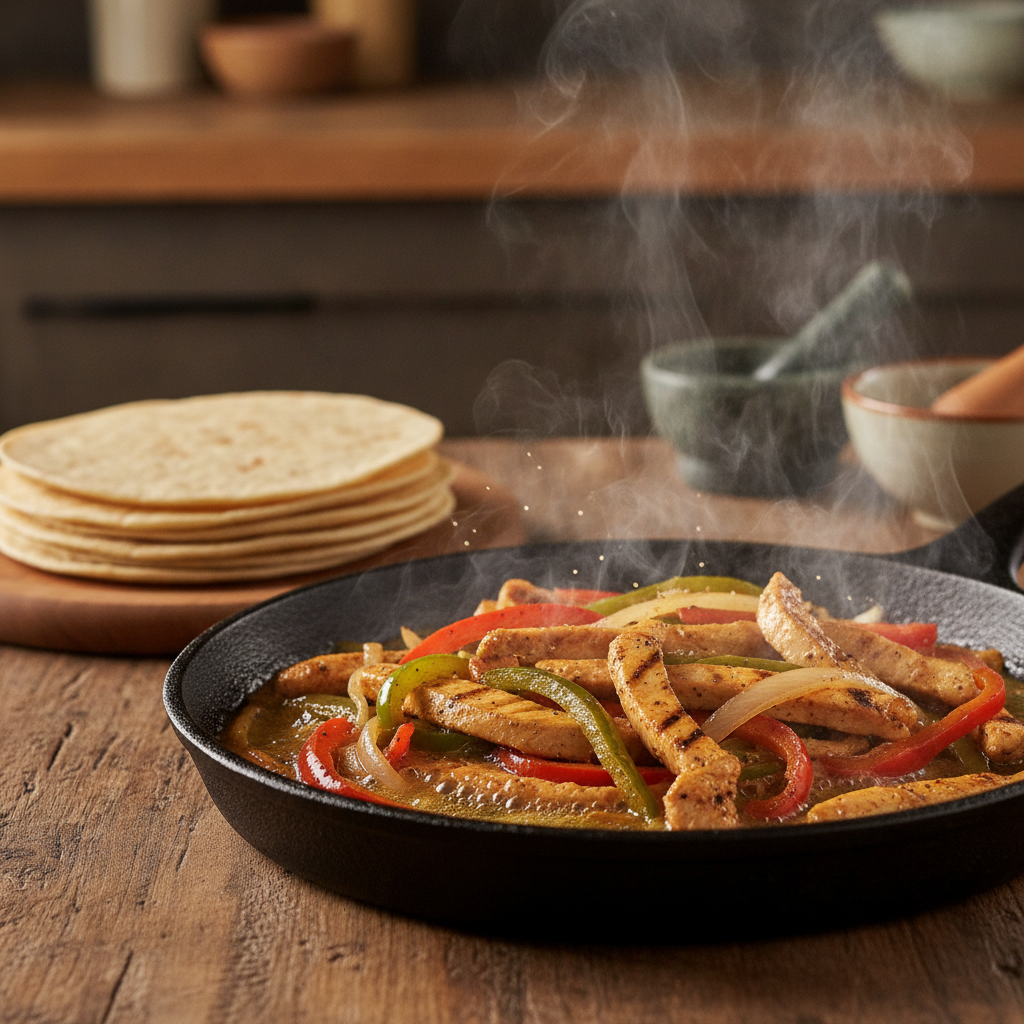
Fajitas win on aroma and sizzle for dine-in nights. They’re interactive and great for groups, but steam in transit softens tortillas. If you must go to-go, keep tortillas and veggies separate, then assemble at the table for best texture.
- Best for: Lively dine-in, celebrations, shareable centerpieces.
- Pro tip: Time sides to land with the skillet so nothing cools prematurely.
- Backup plan: If the ride is long, pick bowls instead.
Quesadillas: the kid-friendly crowd pleaser
Quesadillas are easy to share and dip. They travel well and crisp back up in a pan in minutes. Offer mild salsa or pico for kids, and a spicier salsa roja for adults. Add a small side salad or black beans to round out the plate.
- Best for: Kids, snacks, late-night bites.
- Pro tip: Reheat on a dry pan for 2–3 minutes to restore crunch.
- Pair with: A bright slaw for balance.
Best practices for dine-in, takeout, and catering
For dine-in, lean into sizzle and texture (fajitas, grilled mains). For takeout, favor compact, layered builds (burritos, bowls). For catering, choose modular platters with separate salsas and toppings so every guest customizes without slowing the line.
In our experience, success comes from a few repeatable moves. These are the habits we coach Old Toronto diners and hosts to use whether they’re eating at La Rio’s, grabbing a quick takeout on Queen West, or feeding a team in the neighborhood.
Dine-in moves that elevate the meal
- Anchor the table with one sizzling centerpiece—fajitas or a grilled specialty.
- Layer shareables: a taco flight, rice and beans, chips with two salsas.
- Stagger hot and cold sides so heat and crunch don’t collide.
- Keep crema and cheese optional to accommodate different preferences.
Takeout habits that preserve texture
- Choose bowls and burritos for commutes over 20 minutes.
- Request sauces on the side to reduce sogginess.
- Ask to keep crunchy toppings sealed until serving.
- Reheat bowls briefly, then add fresh elements for contrast.
Catering strategies that actually scale
- Favor build-your-own bars so guests assemble their ideal plate.
- Offer one grilled protein and one vegetarian protein to cover most diets.
- Label components to keep the line moving—tongs and spoons matter.
- Right-size spreads to reduce leftovers; add chips or slaw for crunch.
Planning a team meal? Explore our individually packaged catering for quick distribution or our buffet-style catering for a social vibe. For taco-centric events, see this concise taco bar overview to sketch your lineup fast.
Local considerations for Old Toronto
- For a relaxed picnic near Trinity Bellwoods Park, pack tacos, chips, and sealed salsas; bring napkins and a small cutting board for limes.
- On busy event nights at STACKT market, pre-order bowls and burritos; they hold heat better if lines run long or plans shift.
- Winter tip: for longer streetcar rides, bowls with grilled proteins reheat best; keep crunchy toppings sealed until you arrive.
Need a hand planning? Our team builds quick menus for office huddles, family nights, and neighborhood gatherings. Reach out when you want a lightweight plan—burrito halves for the meeting, a DIY taco bar for the watch party, or bowl kits for all-diet ease.
Tools and resources for smarter orders
Use a simple matrix—moment, constraints, dish, and sides—to plan orders. Check allergen notes and nutrition guidance, pre-order during peak hours, and request sauces on the side to preserve texture and reduce waste during transit.
Menu planning doesn’t need spreadsheets. A one-page checklist covers most situations. Start by defining the moment and constraints, pick one or two winning dishes, then finish with a flavor-balancing side or salsa strategy.
- Matrix prompts: Who’s eating? How far is the commute? Any reheating? What utensils?
- Modular defaults: One grilled protein, one vegetarian protein, rice, beans, and two salsas (mild + medium).
- Texture plan: Add chips or slaw to counter richness; hold crunch for the table.
- Peak-time tip: Pre-order to avoid delays and keep food in its heat window.
For hosting confidence, review concise corporate catering basics and practical planning insights. Then adapt the playbook to Mexican fare: bowls for long agendas, tacos for social breaks, and fajitas when you can serve sizzling, on time.
Case studies and real-world examples
Old Toronto guests choose different builds for different days. Family dine-in leans fajitas and shareables; weekday takeout favors bowls and burritos; office catering thrives on DIY taco or bowl kits with clearly labeled components and sauces kept on the side.
Family night (dine-in)
A group of four orders chicken fajitas, a taco trio to share, rice and beans, and a side salad. We stage tortillas warm and dry, keep peppers sizzling, and time sides to land with the skillet. Kids split a cheese quesadilla; parents try a medium-heat salsa flight.
- Why it works: Aroma and sear sell the experience; sides arrive hot.
- What to copy: Time sides with your centerpiece; keep optional dairy on the side.
Lunch on the go (takeout)
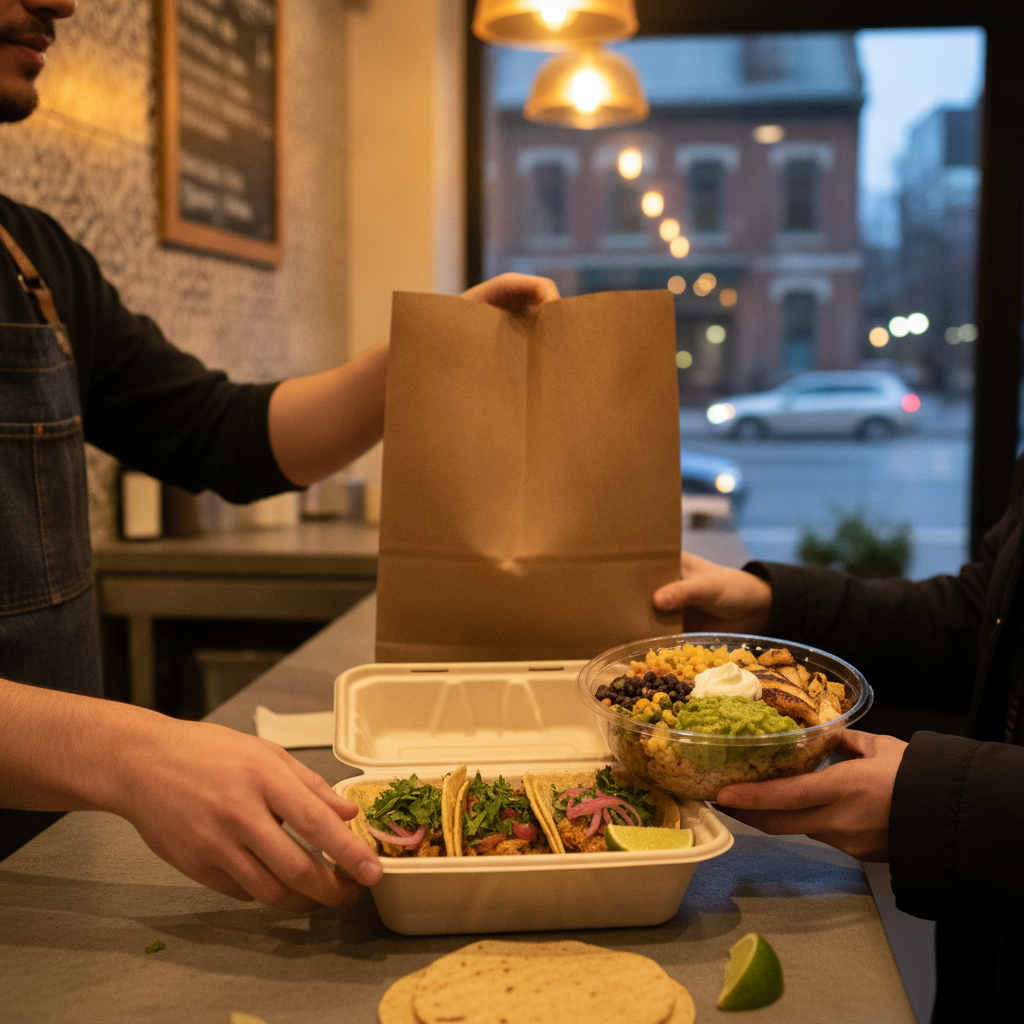
Two coworkers heading east pick one burrito and one bowl. We pack chips separately, secure salsa lids, and tuck lime wedges. Their commute is about 25 minutes, so we hold crema on the side and add extra slaw for crunch at arrival.
- Why it works: Layered builds resist spills; separate sauces protect texture.
- What to copy: Choose compact formats for longer rides; add fresh crunch tableside.
Office huddle (catering)
A ten-person standup needs quick service and easy cleanup. We recommend a taco bar with two proteins, fajita veggies, rice, beans, and labeled toppings. Utensils and tongs keep the line moving; sauces travel in sealed jars; tortillas stay wrapped for warmth.
- Why it works: Modular setup fits mixed diets without slowing the room.
- What to copy: Offer two proteins and two salsas; label everything; keep crunch separate.
Late game night (light bites)
Friends watching a late game choose quesadillas and a small taco assortment. We portion chips and salsas into shareable bowls and keep heavier sauces off until serving. The focus is on crisp, handheld bites that don’t distract from the action.
- Why it works: Minimal mess; easy pairing with drinks; simple cleanup.
- What to copy: Pick one-hand foods; avoid saucy items that require utensils.
Frequently Asked Questions
These quick answers address the most common diner decisions: what travels best, how to keep food crisp, and when to pick bowls over burritos. Each response is concise for fast scanning and ideal for voice results.
What Mexican grill dish travels best for takeout?
Burritos and bowls travel best. They’re compact, layered to retain heat, and resist spills. Ask for sauces on the side to keep textures crisp. For longer commutes, bowls with grilled proteins and separate crunchy toppings hold up especially well.
How do I keep tacos from getting soggy?
Use double tortillas, pack fillings dry, and keep salsas separate until serving. Add lettuce or slaw just before eating for crunch. If the ride is long, consider bowls or burritos, then add a warm tortilla on the side at home.
Is fajitas a good idea for delivery?
Fajitas are best for dine-in. For delivery or longer rides, request tortillas and veggies packed separately and assemble at the table. This preserves texture and reduces steam-softened tortillas. If timing is uncertain, bowls are a safer bet.
What should I order for a mixed-diet group?
Choose a modular spread: one grilled protein, one vegetarian protein, rice, beans, fajita veggies, tortillas, and two salsas. Keep cheese and crema separate. This setup lets everyone build to their needs without slowing the line.
Conclusion and next steps
Match the dish to the moment: tacos for variety, burritos and bowls for travel, fajitas for dine-in flair, and quesadillas for kid-friendly shareables. Separate sauces, right-size portions, and plan for heat. That’s the casual-dining formula that delivers every time.
- Key takeaways: Context first; sauces on the side; balance heat, acid, and crunch.
- Action steps: Decide tacos or bowls, add a protein duo, then layer salsas and a crunchy side.
- Try next: Explore ground beef bowls for easy reheats or mix a taco trio with a side salad for balanced plates.
Related topics in our Mexican cluster
Interested in planning beyond a single meal? Explore topics like choosing Mexican catering in Toronto, hosting a Mexican food dinner party, and what to expect at a Mexican grill restaurant—so every gathering runs smoothly.
- How to choose Mexican catering in Toronto for mixed-diet groups
- Game-night menu planning with tacos and bowls
- Family dinner ideas at a Mexican grill
- How Mexican grill restaurants handle large orders
- Mexican takeout strategies for busy weeknights