Mexican Flavors: Learn the Key Taste Signs in 2026
A practical guide to Mexican cuisine flavor profiles—heat, acid, herbs, umami—built in Old Toronto at La Rio’s. Learn balance and try our tacos tonight.
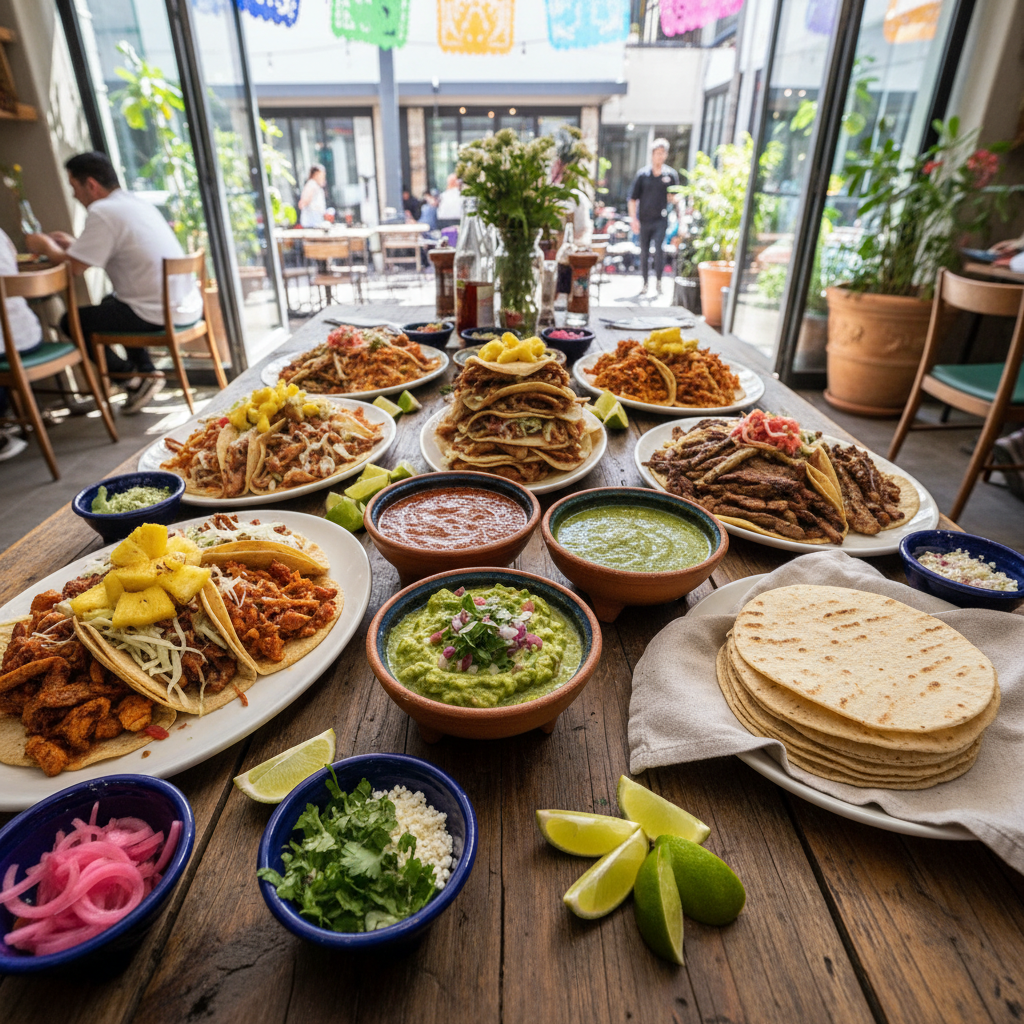
Mexican cuisine flavor profiles are the characteristic balances of chiles, herbs, acids, slow-cooked sauces, and grilled meats that define Mexican dishes. At La Rio’s Mexican Grill in Old Toronto (746 Queen St W, Toronto), we bring these profiles to life for dine-in, takeout, and catering, so you can taste how heat, brightness, and depth play together.
By Sam Patel — Founder, La Rio’s Mexican Grill
Last updated: 2026-05-06
Overview & Table of Contents
This guide explains Mexican flavor building blocks and shows how to balance heat, acidity, umami, and aromatics in real dishes. Use the table of contents to jump to definitions, methods, regional styles, best practices, tools, and La Rio’s examples that you can apply at home or order from our kitchen.
Here’s how to use this complete guide:
- Understand what a flavor profile is and why it matters for everyday cooking.
- Learn the step-by-step process for building tacos, bowls, and enchiladas with confidence.
- Compare regional taste signatures and ingredients at a glance.
- Apply pro tips we use in our Old Toronto kitchen to get consistent results.
- Explore our menu items for practical, local examples you can try tonight.
- What Is a Mexican flavor profile?
- Why flavor profiles matter
- How flavor building works
- Types, methods, and regional approaches
- Best practices
- Tools and resources
- Case studies and examples from La Rio’s
- Frequently Asked Questions
- Conclusion and next steps
At a Glance Summary
Mexican flavors balance four levers—chiles, acidity, herbs/aromatics, and slow-cooked depth—on a corn or tortilla base. Master heat with dried and fresh chiles, brighten with lime and vinegar, add herbs like cilantro and oregano, and build body with stocks, tomatoes, and long simmers.
- Base: Corn tortillas, rice, beans, or masa anchor the dish.
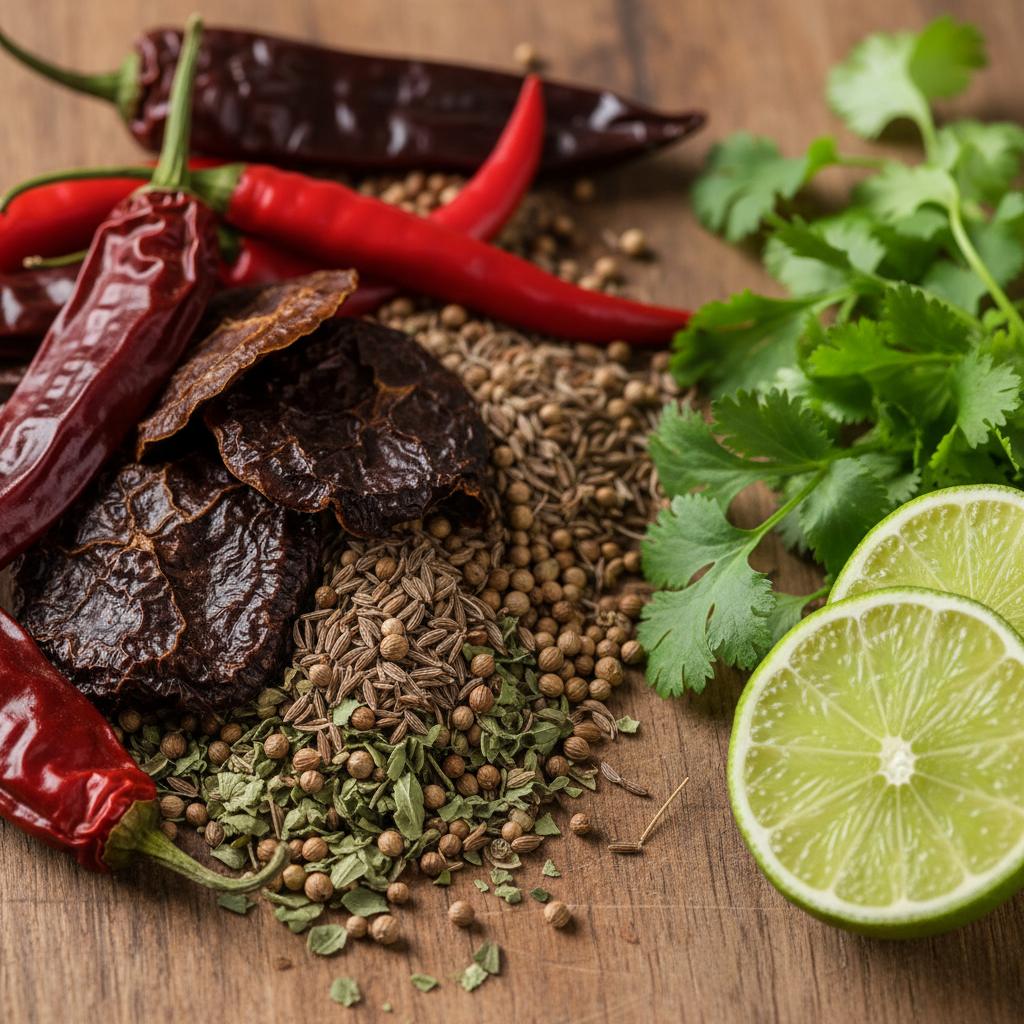
- Heat: Fresh jalapeño to serrano; dried ancho to guajillo offer smoky to bright heat.
- Brightness: Lime, tomatillo, and vinegar lift rich meats and beans.
- Depth: Charred tomatoes, slow-cooked meats, and toasted spices create umami.
- Finish: Cilantro, onion, radish, crema, and queso balance texture and flavor.
What Is a Mexican Flavor Profile?
A Mexican flavor profile is the repeatable balance of heat, acidity, aromatics, and slow-cooked richness on a corn or tortilla base. In Old Toronto’s La Rio’s kitchen, we build these profiles by pairing grilled meats with bright salsas, fresh herbs, and textural toppings for harmony.
Think of a flavor profile as a blueprint. It maps how ingredients contribute heat, brightness, richness, and aroma so the end result tastes complete. For Mexican cuisine flavor profiles, corn and chiles lead, while acids, herbs, and cooking methods fine-tune balance.
- Structure: Base (tortilla/rice/beans) + protein or veg + salsa + fresh finish.
- Primary drivers: Chiles (fresh/dried), tomatoes/tomatillos, onions, garlic.
- Balancers: Lime, vinegar, crema, queso, avocado, radish.
- Textures: Charred edges, tender braise, crunchy veg, creamy elements.
When guests ask why one taco “pops” and another tastes flat, it’s usually about balance. Add a squeeze of lime, a sprinkle of salt, or a spoon of salsa verde, and suddenly the profile lands where it should.
Why Flavor Profiles Matter
Flavor profiles guide consistent results. They help cooks hit the same delicious balance every time and help diners recognize regional signatures. For restaurants, they drive menu clarity, faster training, and reliable quality across dine-in, takeout, and catering orders.
Here’s why this matters to you:
- Predictable enjoyment: Once you learn the “dial positions,” you can adjust heat and brightness to taste.
- Smarter ordering: When you see salsa roja, verde, or asada, you’ll anticipate the profile and choose confidently.
- Better home cooking: The same blueprint works in any kitchen, from a studio apartment to commercial line.
- Restaurant consistency: Prep cooks and line cooks can reproduce La Rio’s profiles under rush pressure.
We’ve found that when guests understand profiles, they assemble tacos that taste better—just from choosing a complementary salsa and remembering to add acidity at the end.
How Mexican Flavor Building Works
Build Mexican flavor in layers: toast spices and dried chiles, char aromatics, simmer for body, then finish with fresh acids and herbs. On the line, combine a base, a seasoned protein, a salsa, and a crisp, creamy finish to lock in contrast and balance.
Four levers that drive balance
- Heat and smoke (chiles): Ancho is sweet and smoky; guajillo is bright and fruity; arbol is sharp and fiery; jalapeño is grassy and fresh.
- Acidity: Lime juice, tomatillos, or a splash of vinegar cuts richness and wakes up the palate.
- Umami and body: Tomatoes, stock, long simmers, and caramelization add depth.
- Aromatics and herbs: Onion, garlic, cilantro, and Mexican oregano add high notes and aroma.
Step-by-step: Assembling a balanced taco
- Warm two corn tortillas until pliable and aromatic.
- Add seasoned protein (e.g., carne asada or chicken tinga) in a modest layer.
- Spoon on salsa that contrasts the protein (smoky roja for bright meats, verde for rich cuts).
- Finish with fresh onion and cilantro; add radish for crunch.
- Squeeze lime; taste. Add a pinch of salt if needed to “turn on” flavors.
Comparison table: Common chiles and their roles
| Chile | Heat | Flavor notes | Best in |
|---|---|---|---|
| Ancho (dried poblano) | Mild | Sweet, raisin-like, smoky | Red enchilada sauce, adobo, mole bases |
| Guajillo | Mild–medium | Bright, berry, lightly tannic | Salsa roja, birria, marinades |
| Chile de árbol | Hot | Sharp, grassy heat | Table salsas, finishing oils |
| Jalapeño (fresh) | Mild–medium | Green, fresh, slightly bitter | Salsa verde, pico de gallo |
| Serrano (fresh) | Medium–hot | Clean, bright, crisp heat | Salsa cruda, aguachile |
Small adjustments change everything. Toasting a dried chile for a few seconds unlocks aroma; adding salt at the very end can make lime taste more lively without adding more juice.
Types/Methods/Approaches: Regional Flavor Profiles
Regional Mexican cooking expresses flavor through its terrain: coastal regions lean bright and herbal, central highlands favor corn and slow-cooked sauces, and the north highlights grilled meats. Knowing the region helps you predict heat level, acidity, and texture before you take a bite.
Northern Mexico: Grilled and robust
- Signature: Mesquite-grilled beef (carne asada), flour tortillas in some areas, simple salsas.
- Profile: Char, salt, fresh lime, and clean chile heat.
- Try locally: Our ground beef tacos pair charred richness with bright pico and lime.
Central Mexico: Sauces and slow-cooked depth
- Signature: Complex red and green sauces, adobos, and long simmers.
- Profile: Deeper umami with balanced heat; corn tortillas as the base.
- Try locally: Our saucy enchiladas showcase ancho and guajillo depth.
Western/Central Highlands: Bright and herby
- Signature: Tomatillo salsas, cilantro, and fresh cheese.
- Profile: Tangy verde, crisp onion, fresh herbs.
- Try locally: Our chicken asado tacos shine with salsa verde and citrus.
Coastal regions: Citrus and heat
- Signature: Seafood, citrus marinades, serrano heat.
- Profile: Zesty, clean, refreshing with quick, direct heat.
- Try locally: Taste the balance in our shrimp tacos with lime and cilantro.
Regions overlap and share ingredients, but the ratios change. That’s why two red salsas can taste totally different—same core elements, new balance.
Best Practices for Balancing Mexican Flavors
Taste early and late, layer heat from mild to hot, and never skip acidity at the end. Use texture for contrast—crunchy veg and creamy elements—so the profile lands in the center, not heavy or sharp on any one note.
Chef-tested practices from our Old Toronto line
- Toast before you blend: Dried chiles and whole spices bloom aroma with a light toast.
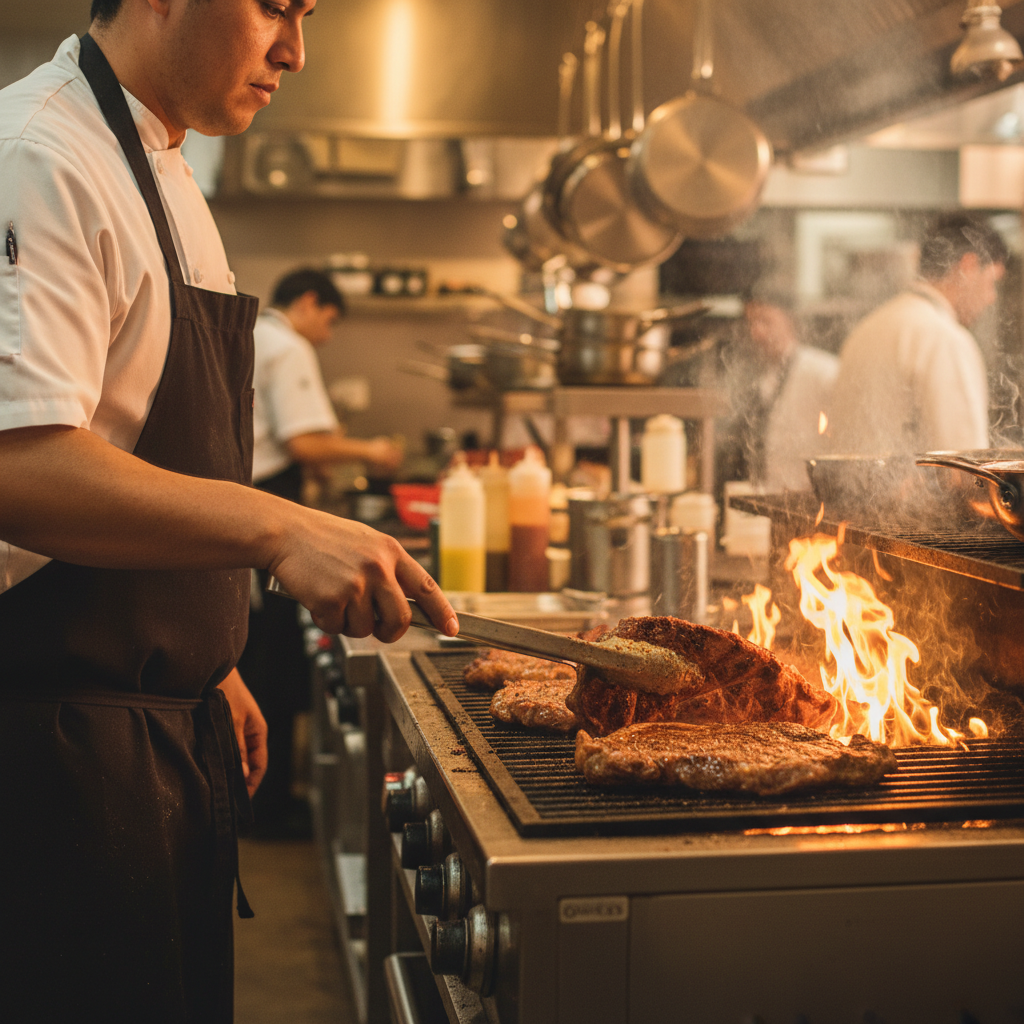
- Char for depth: Blacken tomatoes, onions, and garlic to add body without greasiness.
- Finish with lime and salt: A final squeeze plus a pinch of salt can “turn on” muted flavors.
- Balance heat: Start with ancho/guajillo; add arbol or serrano drop by drop to avoid overshooting.
- Mind texture: Add radish, cabbage, or crema to counter soft fillings.
Local considerations for Old Toronto
- Weekend crowds near Trinity Bellwoods Park
- Cold snaps make guests crave richer profiles—slow-cooked sauces and warm tortillas carry better on windy evenings.
- Game days and museum nights at Fort York National Historic Site drive catering trays—assemble toppings separately so textures stay crisp.
If you’re planning a group order, our buffet-style Mexican catering and taco bar catering let guests customize heat and brightness at the table—an easy way to keep everyone happy.
Tools & Resources for Tasting and Cooking
You don’t need fancy gear. A good skillet, blender, and citrus juicer unlock most Mexican flavor profiles. Use deli cups to portion salsas by heat and acidity so you can layer flavors consistently during busy service or at-home meal prep.
- Cast-iron or carbon-steel skillet: For charring veg and searing meats.
- Blender or food processor: Smooth, emulsified salsas with consistent texture.
- Fine-mesh strainer: Optional—yields glossy, restaurant-style sauces.
- Citrus press: Essential for final acid adjustment.
- Portion cups: Keep roja, verde, and crema separate so textures stay sharp.
Menu planners and corporate admins looking for reference menus can browse an external Mexican menu overview and a broader Mexican & Latin category for inspiration when scoping large orders.
Case Studies & Examples from La Rio’s
We apply the same flavor logic across tacos, enchiladas, and quesadillas. Char or slow-cook for depth, pair with a contrasting salsa, and finish fresh. These examples show how to adjust heat and acidity so each bite stays bright, balanced, and craveable.
Carne asada: Char + bright finish
- Build: Grilled beef, salsa verde, onion, cilantro, lime.
- Why it works: Char equals depth; verde adds tang and herbal lift.
- Try it: Our beef-forward ground beef tacos bring sear plus freshness.
Chicken asado: Citrus + gentle heat
- Build: Citrus-marinated chicken, guajillo-ancho roja, crunchy radish.
- Why it works: Mild dried chiles deliver warmth and fruit without overpowering.
- Try it: Our chicken asado tacos and quesadillas.
Saucy enchiladas: Comfort + contrast
- Build: Corn tortillas, ancho-guajillo sauce, melty cheese, onion, crema.
- Why it works: Slow-cooked sauce coats every bite; crema and onion add lightness.
- Try it: Our saucy enchiladas keep balance front and center.
Shrimp tacos: Coastal brightness
- Build: Quick-cooked shrimp, lime, serrano-punched salsa cruda, cilantro.
- Why it works: Clean seafood + high acid = refreshing bites.
- Try it: Our shrimp tacos deliver zesty balance.
Planning a meeting or park picnic? Our buffet-style Mexican catering lets each person dial heat up or down. Keeping salsas and crunchy toppings separate preserves contrast through the last serving.
For a broader context on how regional street-food cultures build flavor, explore this cross-cuisine look at street-food balance. The principles of heat, acid, and texture travel well.
Frequently Asked Questions
These quick answers cover chile choices, salsa pairings, and how to tune heat and acidity at the table. Each tip maps back to the core levers—heat, brightness, umami, and aromatics—so you can fix a flat bite fast.
What’s the fastest way to fix a taco that tastes flat?
Add a squeeze of lime and a small pinch of salt, then taste. If it still feels heavy, add a spoon of salsa verde for acidity and herbs. If it needs heat, add a drop of chile de árbol salsa.
How do I choose between salsa roja and salsa verde?
Use salsa roja (often ancho/guajillo) to add warmth and smoke to lighter meats. Use salsa verde (tomatillo/jalapeño) to cut through rich fillings like slow-cooked beef or cheesy enchiladas. Pick the opposite of your protein’s dominant note.
Which chiles should beginners start with?
Start with mild dried chiles like ancho and guajillo. They add color and fruit without aggressive heat. For fresh heat, use jalapeño sparingly. Build toward serrano or árbol once you’re comfortable balancing acidity and salt.
What’s the core of Mexican cuisine flavor profiles?
Corn-based foundations, layered chile flavor (fresh and dried), bright acidity (lime, tomatillo, vinegar), and depth from charring and long simmers. Finish with fresh herbs and crisp textures to complete the balance.
Conclusion & Next Steps
Mexican cuisine flavor profiles are simple levers you can learn: heat, acid, umami, and aromatics on a corn base. Taste as you go, finish with lime and salt, and use texture to balance richness. Apply the blueprint at home or let our kitchen prep the components.
- Key Takeaway 1: Build in layers—char, simmer, then finish fresh.
- Key Takeaway 2: Match salsa to protein by contrast, not similarity.
- Key Takeaway 3: Keep crunchy, creamy, and bright elements separate until serving.
Next steps:
- Practice the five-step taco assembly to lock in muscle memory.
- Host a DIY taco night with our taco bar catering so everyone can tune their own profile.
- Craving dinner now? Explore quesadillas and chicken tacos that showcase balanced profiles.
Planning a team lunch or family gathering in Toronto? Book a flavor-focused taco bar with us and pick up at 746 Queen St W—easy customization, consistent balance, and crowd-pleasing variety.
Want personalized pairing tips? Tell us your preferred heat level, and we’ll recommend salsas and toppings that match—perfect for offices near Trinity Bellwoods or events headed toward Fort York.