Mexican Dinners: Make Weeknights Easy & Delicious 2026
Your complete guide to Mexican cuisine for casual dinners—formats, portions, reheating, and Old Toronto tips—plus dine-in, takeout, and catering options.
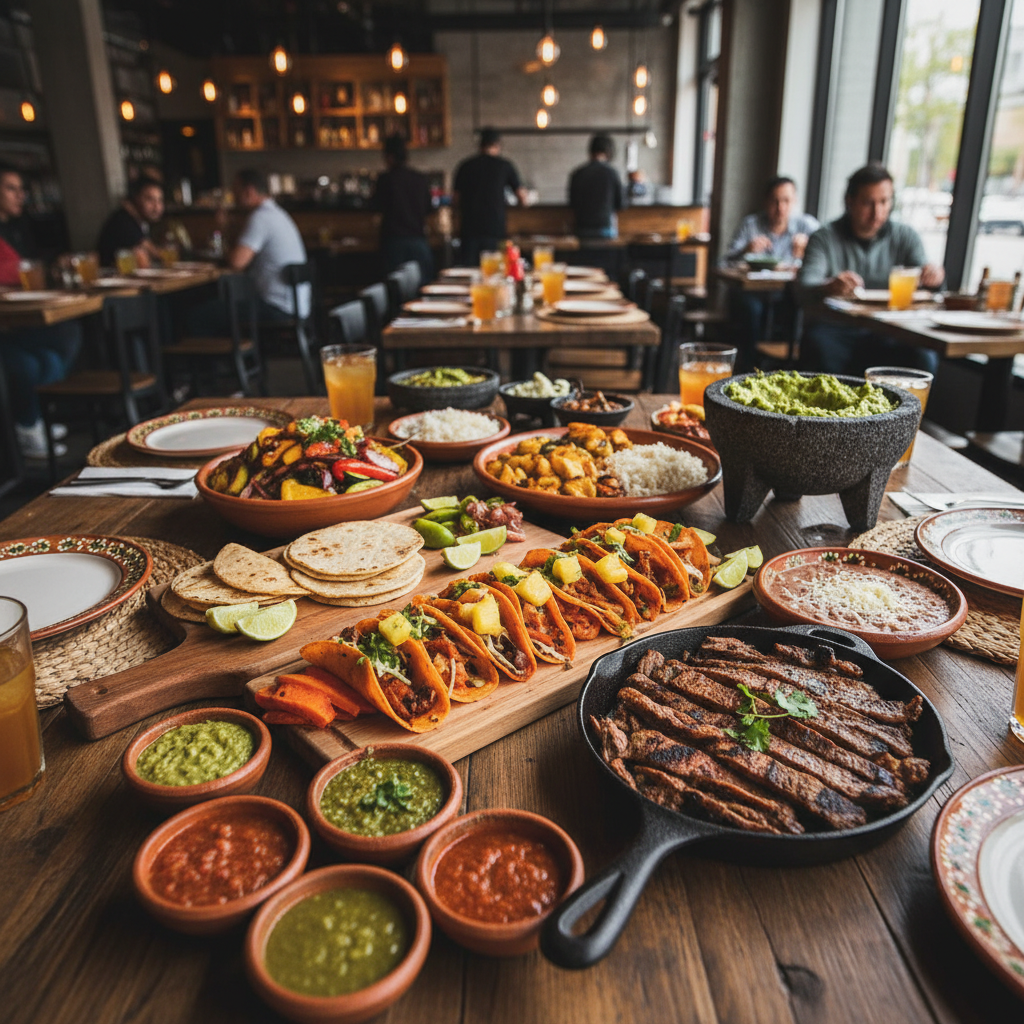
Mexican cuisine for casual dinners is a flexible, flavor-first way to feed family and friends fast. At La Rio’s Mexican Grill in Old Toronto (746 Queen St W), dine-in, takeout, and catering keep weeknights simple. Build taco bars, fajita platters, or bowls in minutes using grilled mains, warm tortillas, beans, and bright salsas.
By Sam Patel — Founder, La Rio’s Mexican Grill
Last updated: 2026-06-01
Above-Fold: Hook + Table of Contents
Casual Mexican dinners work because the parts are modular: one grilled protein, a plant-based option, tortillas, beans, rice, and a few toppings. Mix-and-match builds speed and variety, so everyone eats well with minimal prep and near-zero decision fatigue on busy nights.
Here’s how this guide helps you plan stress-free, delicious weeknights while using La Rio’s dine-in, takeout, or catering options when you want restaurant ease at home.
- What you’ll learn: formats, portions, reheating, and menu rotation
- Why it matters: faster dinners, happier eaters, fewer separate meals
- How to use it: cook once/eat twice, or assemble using takeout
- Local angle: tips for Old Toronto weeknights and gatherings
- What is the casual-dinner format?
- Why casual Mexican matters
- How the format works
- Types and approaches
- Best practices
- Tools and resources
- Case studies & examples
- FAQ
- Conclusion
Overview
Mexican weeknight dinners are built from simple building blocks: grilled mains, plant proteins, tortillas, rice, beans, salsas, and fresh toppings. Rotate textures—crispy, sautéed, melty—to keep meals interesting. This guide shows you how to cook once, assemble twice, and lean on takeout or catering when time is tight.
When schedules stack up, a modular dinner plan saves 20–30 minutes compared to cooking separate entrées. One skillet, two sheet pans, and a small toppings tray typically serve four adults with leftovers for lunch. For most families, two proteins per week—one animal, one plant—cover variety and dietary needs.
Local considerations for Old Toronto
- Hosting near Trinity Bellwoods Park? Pack warm tortillas in foil and keep cold toppings in a cooler. Assemble on-site so everything stays fresh and crisp.
- Toronto winters run cold and windy; plan indoor reheating windows of 15–20 minutes to keep tortillas pliable and proteins juicy before serving.
- Friday evenings in Old Toronto are busy. Order takeout 30–45 minutes ahead so your taco bar lands right as guests arrive.
What is Mexican cuisine for casual dinners?
It’s a weeknight-friendly approach to Mexican food that assembles at the table, not the stove. You pair one grilled protein with warm tortillas, a plant protein, rice or beans, and a few bright toppings. The format scales from two people to a dozen without extra cooking.
Think taco bars, fajita platters, and burrito bowls. Each uses the same backbone: protein (4–5 ounces per adult), 2–3 tortillas, and about 1/2 cup each of rice and beans. A duo of salsas—one mild, one hot—lets everyone dial flavor to taste. Add crunch with shredded cabbage, radish, or lettuce for texture balance.
For nights when you need speed and consistency, you can source mains and salsas ready-to-serve from us and focus on plating. Our taco bar catering format and buffet-style Mexican catering give you the same building blocks we use in-house, timed to your schedule.
Why casual Mexican dinners matter for busy households
Casual Mexican dinners reduce decision fatigue and support dietary flexibility. The same spread can fit vegetarian, gluten-free, and dairy-free needs. Shared components invite more vegetables and help families serve balanced plates without cooking separate meals.
Choice architecture nudges better eating. When pico de gallo, romaine, roasted corn, and grilled peppers sit side-by-side, most diners add two or more vegetables without prompting. On average, DIY taco bars cut plating time by 25–35% compared to single-plate entrées because guests self-serve and customize at once.
In our experience with Toronto families and office groups, “assemble-at-table” formats also cut food waste by 10–20%. People take what they want—no untouched sides. For bigger nights, pre-portion proteins into 4–6 ounce scoops so lines move smoothly and servings stay consistent.
When you don’t want to cook, a fast pickup keeps the pattern intact. Grab mains and tortillas, then add pantry beans and a quick slaw. For menu inspiration, you can browse external menu patterns from a regional aggregator like this Mexican menu overview or its Mexican & Latin category for common components and pairings.
How the format works on weeknights
Start with one grilled protein and one plant protein. Add warm tortillas, a salsa duo (mild + hot), and two crunchy toppings. With a 15–20 minute reheating window and smart holding, you’ll plate a balanced spread that feels restaurant‑level on any Tuesday.
- Pick mains: grilled chicken, carne asada, shrimp, or mushrooms.
- Add plants: black or pinto beans plus peppers/onions.
- Warm carriers: tortillas (corn or flour) and a rice base.
- Flavor pops: guacamole (creamy) and pico or salsa verde (bright).
- Crunch: romaine, radish, cabbage, pickled onions for snap.
Holding and warming: keep hot items above about 140°F until serving; wrap tortillas in foil and warm at 300°F for 8–10 minutes for pliability. Most stovetops reheat sliced grilled meats in 4–6 minutes on medium heat; sheet-pan vegetables refresh in 6–8 minutes at 350°F without losing texture.
Process comparison: dine-in vs takeout vs catering
| Format | Best for | Prep effort | Speed to table | Leftovers |
|---|---|---|---|---|
| Dine-in | Fresh-off-the-grill flavor, date nights | None | Immediate | Eat now |
| Takeout | Family nights, game day | Open & plate | 10–15 min | Next-day lunch |
| Catering | Groups 10–50+ | Set & serve | Scheduled | Planned portions |
Want to shortcut a Tuesday? Pair pantry rice and beans with our ready mains. Our ground beef tacos and shrimp quesadilla options slot perfectly into a fast taco bar or a melty quesadilla night.
Types and approaches you can rotate all month
Rotate five formats—taco bars, fajitas, burrito bowls, quesadillas, and grilled salad bowls. Reuse the same components with different textures and plating. That’s how you keep variety high while cooking time stays low across a busy month.
Taco bar (15–20 minutes)
- Corn tortillas, carne asada or chicken, diced onions, cilantro, lime
- Add-ins: roasted corn, pickled onions, shredded cabbage, jalapeños
- Serve with 2 salsas; plan 2–3 tacos per adult
Fajitas (20–25 minutes)
- Sauté peppers/onions until blistered; rest sliced steak or portobellos
- Warm flour tortillas; add crema or guacamole for richness
- Tip: slice against the grain for tender texture
Burrito bowls (15–18 minutes)
- Rice + beans base; top with protein, salsa verde, crunchy slaw
- Add charred corn and avocado for fiber and healthy fats
- Batch rice once; use twice in two days
Quesadillas (10–12 minutes)
- Skillet-melt with leftover chicken and peppers; flip once when golden
- Serve with salsa roja and lime; great for kids and late arrivals
- Try seafood: our shrimp quesadilla is a fast weeknight win
Grilled salad bowls (12–15 minutes)
- Char corn and romaine; add black beans, avocado, citrus dressing
- Top with sliced steak or mushrooms; crumble queso fresco if desired
- Crunch + brightness curb heavy “weeknight” feel
Looking for a crowd format? Our buffet-style catering and taco bar catering bring these same components in heat-safe trays, keeping tortillas warm and vegetables crisp for 60–90 minutes of easy service.
Best practices for casual Mexican dinners
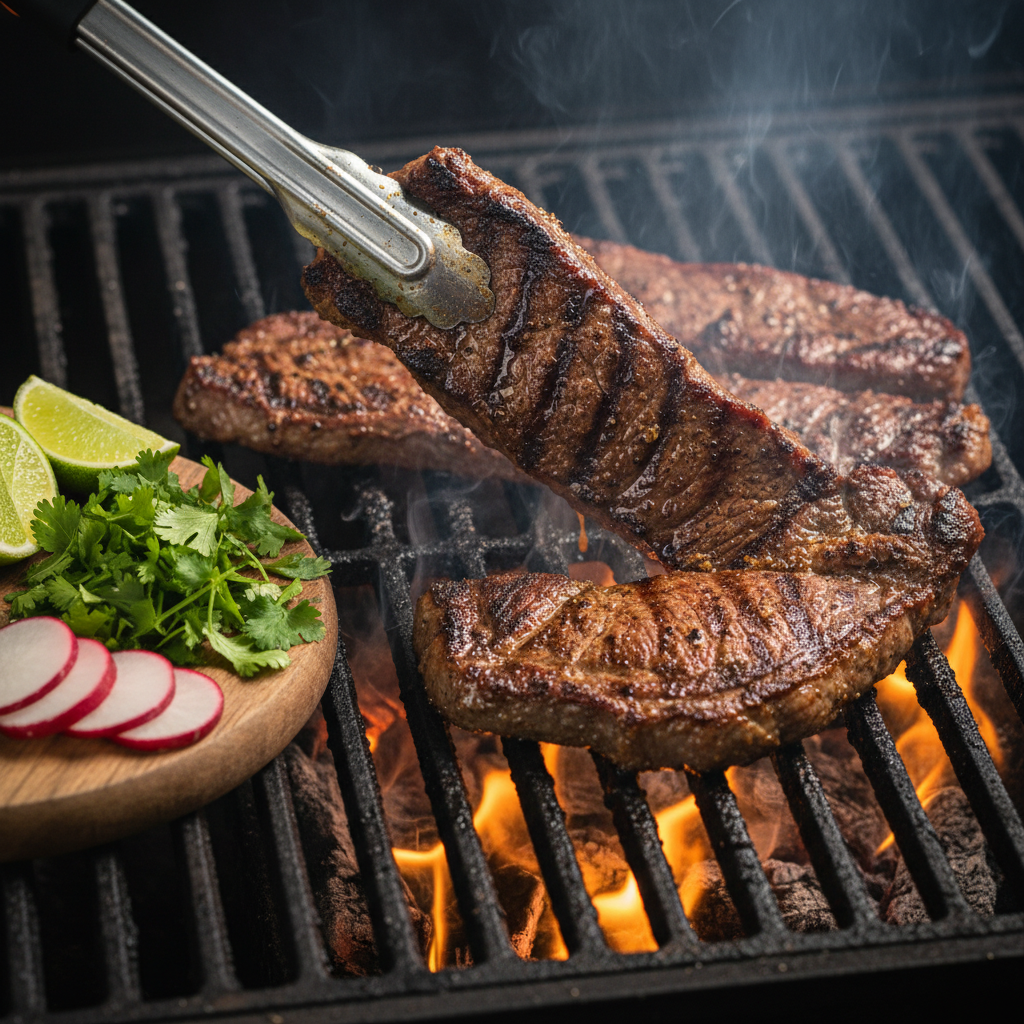
Batch once, dine twice. Grill or pick up enough protein for two nights, prep a toppings tray, and keep a mild and a hot salsa on hand. Wrap tortillas tightly until warming, and plan a 15–20 minute window right before serving to refresh everything together.
Portions that just work
- Protein: 4–5 ounces per adult for tacos; 6–7 ounces for bowls
- Tortillas: 2–3 per adult; keep 1–2 extra for late arrivals
- Sides: 1/2 cup rice + 1/2 cup beans per plate
- Toppings: 2 tablespoons per item keeps plates balanced
Reheating and holding
- Wrap tortilla stacks in foil; warm at 300°F for 8–10 minutes
- Skillet-refresh sliced meats 4–6 minutes on medium heat
- Sheet-pan vegetables: 6–8 minutes at 350°F to revive texture
- Keep hot items around 140°F+ until serving; chill cold toppings
Make it inclusive without extra work
- Offer one animal + one plant protein; beans or mushrooms cover many diets
- Use corn tortillas for a gluten-free lane
- Serve crema/cheese on the side for dairy-free guests
- Label bowls simply: “mild”, “spicy”, “pickled”, “crunchy”
Shortcut nights are welcome. Grab a few mains and build at home: our ground beef burrito and ground beef tacos pair with pantry rice and canned beans to feed four in under 25 minutes.
Tools and resources
You don’t need specialty gear. A cast-iron skillet, sheet pans, foil, and reliable tongs do the heavy lifting. Stackable containers make cleanup simple, and an instant-read thermometer keeps reheating on point so everything tastes freshly cooked.
- Kitchen basics: cast-iron skillet, rimmed sheet pans, foil, tongs, thermometer
- Pantry kit: tortillas, beans, rice, canned tomatoes, chipotles, dried oregano
- Fridge kit: peppers, onions, cilantro, limes, avocados, romaine or cabbage
- Time-saver: assemble with restaurant mains and salsas on busy nights
Searching for pairing ideas? External menu roundups like this Mexican menu overview or broader Mexican & Latin category can spark combinations. Planning a vegetarian-heavy spread? This quick party snack primer from a local publisher offers texture ideas for produce-forward platters: vegetarian party planning.
Case studies and real-world examples
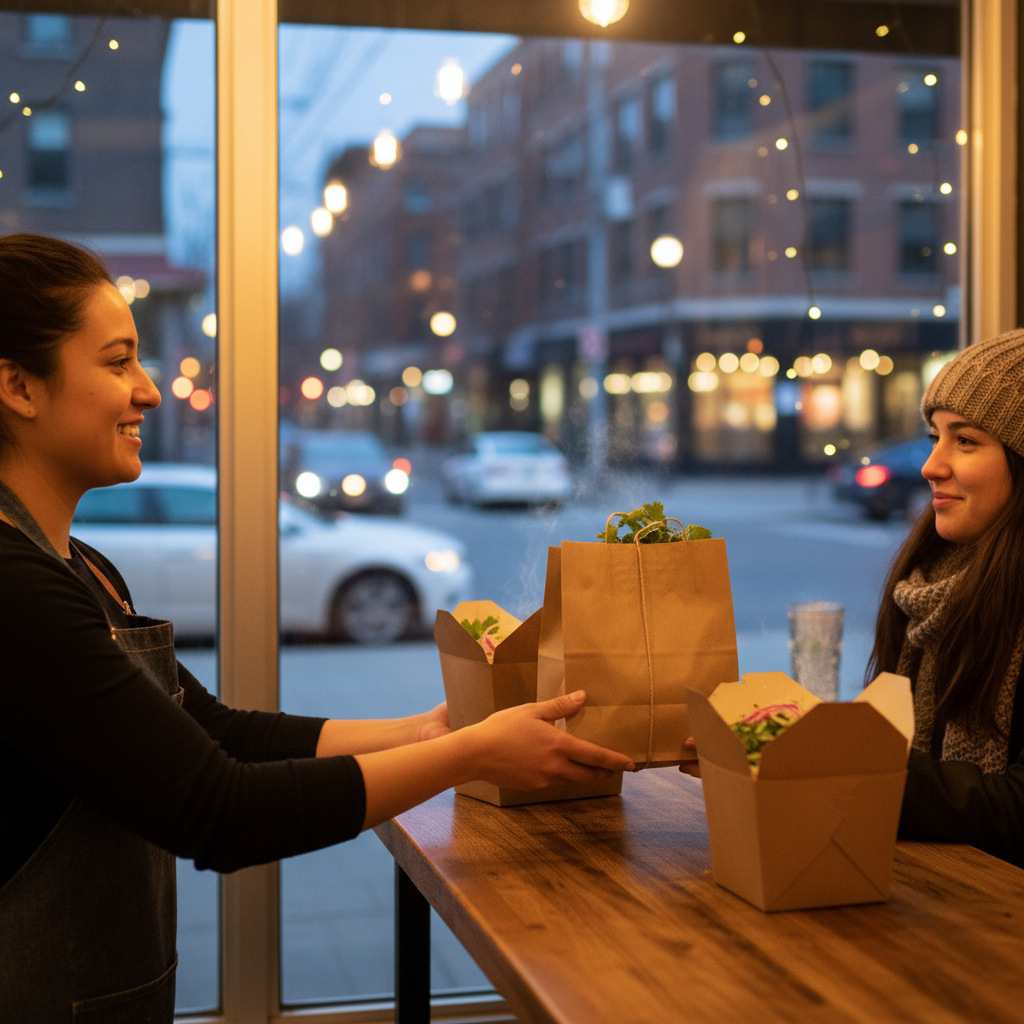
These short snapshots show how neighbors around Old Toronto simplify weeknights using the same core kit—grilled mains, tortillas, beans, and salsas. Dine-in for fresh-off-the-grill, take out for speed, or schedule catering when the guest list grows.
Family of four — weeknight takeout
- Pickup window: 6:15 p.m.; dinner plated by 6:35 p.m. (20 minutes)
- Kit: 12 tortillas, grilled chicken, pico, salsa verde, cabbage slaw
- Leftovers become two burrito bowls with rice and beans for lunch
Birthday near Trinity Bellwoods Park — fajita-style catering
- Warm tortillas wrapped; peppers/onions kept separate to stay crisp
- Protein scooped in 4–6 ounce portions to keep lines moving
- Service window targeted for 60–90 minutes with insulated carriers
Friday dine-in — shareable platters
- Table shares carne asada, grilled vegetables, rice, and beans
- Next-day: leftovers rebooted as quesadillas in under 10 minutes
- Melty format keeps kids engaged; adults add pickled jalapeños
Want a seafood rotation? Try a melty night anchored by our shrimp quesadilla, then switch to bowls the next day by adding charred corn and citrusy slaw. Prefer hearty classics? Keep it simple with enchiladas for dinner, then fold remaining fillings into quesadillas for tomorrow’s lunch.
Frequently Asked Questions
These quick answers cover the most common weeknight questions—fastest formats, tortilla care, vegetarian swaps, and reheating basics—so you can serve confidently any night of the week.
What is the fastest format for a casual Mexican dinner?
Taco bars and quesadillas win for speed. Warm tortillas, refresh a grilled protein, open two salsas, and set out crunchy toppings. Most homes plate a full spread in 15–20 minutes with minimal cleanup.
How do I keep tortillas soft?
Wrap stacks in foil and warm in a 300°F oven for 8–10 minutes. Keep wrapped until serving. A clean, slightly damp towel inside the foil helps retain steam so tortillas stay pliable.
What are easy vegetarian swaps?
Use black or pinto beans, charred mushrooms, or grilled zucchini as mains. Add guacamole for richness and a crunchy slaw for texture. Chili, cumin, and lime bring depth without extra time.
Is takeout safe to reheat for next-day lunch?
Yes—reheat hot foods until steaming and keep cold items chilled until plating. Refresh sliced grilled meats for 4–6 minutes in a skillet and warm tortillas right before serving for best texture.
Conclusion
Mexican cuisine for casual dinners thrives on simple building blocks and smart rotation. Pair one grilled protein with plant options, tortillas, rice, beans, and bright toppings. Assemble fast, eat well, and reuse components tomorrow—dine-in, takeout, or catering keep the pattern easy.
Here are the key moves to remember.
- Cook once, assemble twice: batch mains; remix into bowls or quesadillas.
- Two proteins: one animal, one plant covers most diets.
- Prep a toppings tray: one creamy, one bright, one crunchy.
- Warm right before serving: 15–20 minutes is the sweet spot.
- Scale with ease: switch to takeout or catering when guests multiply.
Soft CTA: Planning a weeknight, a park meetup, or a team dinner? If you’re near Queen St W, our taco bar catering and buffet-style setup make Mexican weeknights effortless.
Key takeaways
- Modular builds keep dinners under 30 minutes with restaurant flavor.
- Shared components reduce waste and fit mixed dietary needs.
- Rotate textures—melty, crispy, saucy—to keep interest high.
- Use takeout or catering as a time-saving extension of your kitchen.