Mexican Cuisine: Serve Easy Food Guests Will Love (2026)
Plan Mexican cuisine for casual gatherings with tacos, bowls, and fajitas. Portion tips, timelines, and local hosting advice for Old Toronto events.
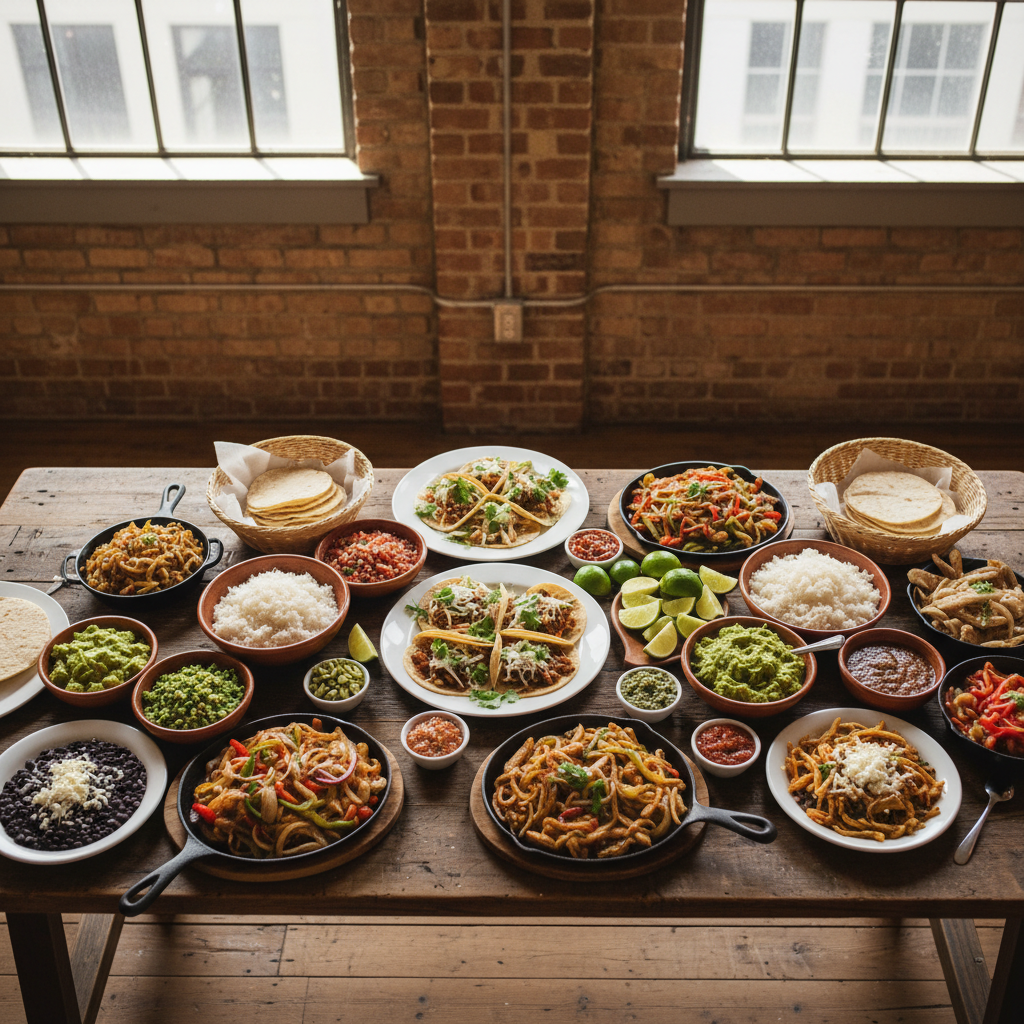
Mexican cuisine for casual gatherings is a flexible, crowd-pleasing way to feed family, friends, or teams with minimal stress. From build-your-own taco bars to fajita platters, it scales up or down fast. Near 746 Queen Street West in Old Toronto, La Rio’s Mexican Grill supports dine-in, takeout, and catering so you can host with confidence.
By Sam Patel — La Rio’s Mexican Grill
Last updated: 2026-05-06
At a Glance: How to Plan a Casual Mexican Spread
Plan your menu around mix-and-match staples (tacos, bowls, fajitas), estimate 2–3 tacos or 4–6 ounces of protein per adult, and offer at least three salsas plus a vegetarian option. Confirm pickup or delivery windows early. In Old Toronto, La Rio’s provides reliable dine-in, takeout, and catering for smooth hosting.
Here’s what you’ll find in this complete, actionable guide that’s tailored to local hosts in Toronto:
- Clear definitions and planning frameworks for different serving styles
- Portion and timeline formulas you can copy
- Dietary swaps for vegan, vegetarian, and gluten-free guests
- Food safety and holding guidance for warmers and short commutes
- Sample menus and real Toronto use cases you can adapt
- Quick Table of Contents
- What it is
- Why it matters
- How planning works
- Serving styles and formats
- Best practices
- Tools and resources
- Local logistics for Old Toronto hosts
- Case studies and examples
- FAQ
- Key takeaways
- Conclusion
What Is Mexican Cuisine for Casual Gatherings?
Mexican cuisine for casual gatherings is a modular, build-your-own meal format centered on tacos, bowls, and fajitas with fresh toppings. Hosts set out proteins, tortillas, rice, beans, and salsas so guests serve themselves. It’s fast to set up, easy to customize for diets, and scales for 8–80+ people.
Think of it as a flavor-forward toolkit. You combine crowd favorites—seasoned proteins, warm tortillas, sauces, and crunchy add-ons—so everyone eats how they like. It works for birthday parties, game nights, office lunches, or neighborhood block meetups.
- Core components: tortillas, proteins, rice, beans, salsas, vegetables, lime
- Common proteins: chicken, beef, shrimp, tofu/sofritas
- Vegetarian backbone: beans, rice, fajita veggies, guacamole
- Allergen flexibility: corn tortillas for gluten-sensitive guests, dairy on the side
At La Rio’s in Toronto, we see hosts succeed by keeping the base simple and the toppings colorful. When flavors are balanced and the bar is intuitive to navigate, guests move quickly and lines stay short.
Why Mexican for Casual Gatherings Matters
It matters because Mexican-style spreads please mixed crowds, respect dietary needs, and streamline hosting. One setup can cover meat-eaters, vegetarians, and gluten-sensitive guests. It also reduces prep time, speeds serving lines, and keeps food hot, which leads to happier guests and less host stress.
Here’s the thing: casual doesn’t mean careless. A few smart choices—like pre-sliced limes, labeled salsas, and a clear flow from warm foods to toppings—transform a good meal into a smooth experience.
- Universal appeal: handheld tacos and bowls fit social settings
- Speed: self-serve bars move 20–40 people in minutes when stations are clear
- Diet coverage: one vegetarian protein plus beans satisfies many non-meat eaters
- Waste control: portioning by “2–3 tacos per adult” reduces leftover risk
When we support gatherings from Old Toronto offices to nearby community meetups, we coach organizers to anchor the menu around a simple base and two sauces—then add a third “wild card” salsa for heat lovers.
How Planning Works (Timeline, Portions, Flow)
Start planning 5–7 days out, lock headcount 48 hours before, and stage serving in this order: warm proteins and tortillas first, then rice/beans, then salsas and toppings. Aim for 2–3 tacos or 4–6 oz protein per adult. Keep vegetarian and gluten-free paths clear and labeled.
Use this simple planning framework to go from idea to satisfied guests:
Seven-step planning framework
- Define headcount by audience type (kids often eat 1 taco; adults 2–3).
- Choose a format: taco bar, fajita bar, bowls, or a hybrid.
- Pick two proteins plus one vegetarian anchor (beans/fajita veggies).
- Confirm sides: rice, beans, chips, and at least three salsas.
- Decide logistics: dine-in, takeout pickup, or catering delivery.
- Plan setup for flow: warm items first, toppings second, beverages last.
- Label clearly: protein names, heat levels, and any allergens.
Portioning cheat sheet
- Adults: 2–3 tacos or a 24–32 oz bowl plate; 4–6 oz protein
- Kids: 1 taco or mini bowl; 2–3 oz protein
- Rice/beans: ~1 cup total per adult; ~1/2–3/4 cup per child
- Tortillas: 3 small corn or 2 flour per adult; 1–2 per child
- Salsa/guacamole: 1.5–2 oz salsa and 1–2 oz guacamole per person
In our experience supporting office lunches in downtown Toronto, these ranges keep lines moving without running short. For groups over 40, we recommend a second line or mirrored station to halve queue time.
Serving Styles and Formats (Taco Bar vs. Bowls vs. Fajitas)
Choose the serving style that fits your venue and guests: taco bars emphasize speed and variety; bowls simplify seating and utensils; fajitas bring sizzle and aroma. For mixed groups, pair a taco bar with a simple bowl station for anyone who prefers utensils over handhelds.
Each format shines in different settings. Here’s how to match them to your crowd and space.
Taco bar
- Best for: fast-moving, social groups; standing rooms
- Strengths: customizable, easy to scale, familiar to most guests
- Host tip: keep tortillas warm and replenish in small batches
Planning a taco bar in Toronto? Review our practical overview on the taco bar catering page when you’re picking proteins and add-ons.
Bowls (build-your-own)
- Best for: seated lunches; office desks; park picnics
- Strengths: fork-friendly, neat, easy for dietary labeling
- Host tip: place greens first, then warm items, then salsas
Fajita platters
- Best for: families and teams that love the sizzle and aroma
- Strengths: theatrical, hearty, satisfying with peppers/onions
- Host tip: pre-portion peppers/onions to maintain balance
For buffet setups, you can dive into our buffet-style catering overview to align equipment with your headcount and venue constraints.
| Format | When to choose | Pros | Watch-outs |
|---|---|---|---|
| Taco Bar | Open house, game night, community mixer | Fast flow; high variety; fun for kids | Keep tortillas hot; label heat levels |
| Bowls | Desk lunches, outdoor picnics, seminars | Neat; easy dietary control; fork-friendly | Needs sturdy bowls; watch salad wilting |
| Fajita Platters | Family-style dinners; small celebrations | Theatrical sizzle; hearty servings | Manage pepper/onion portions; keep warm |
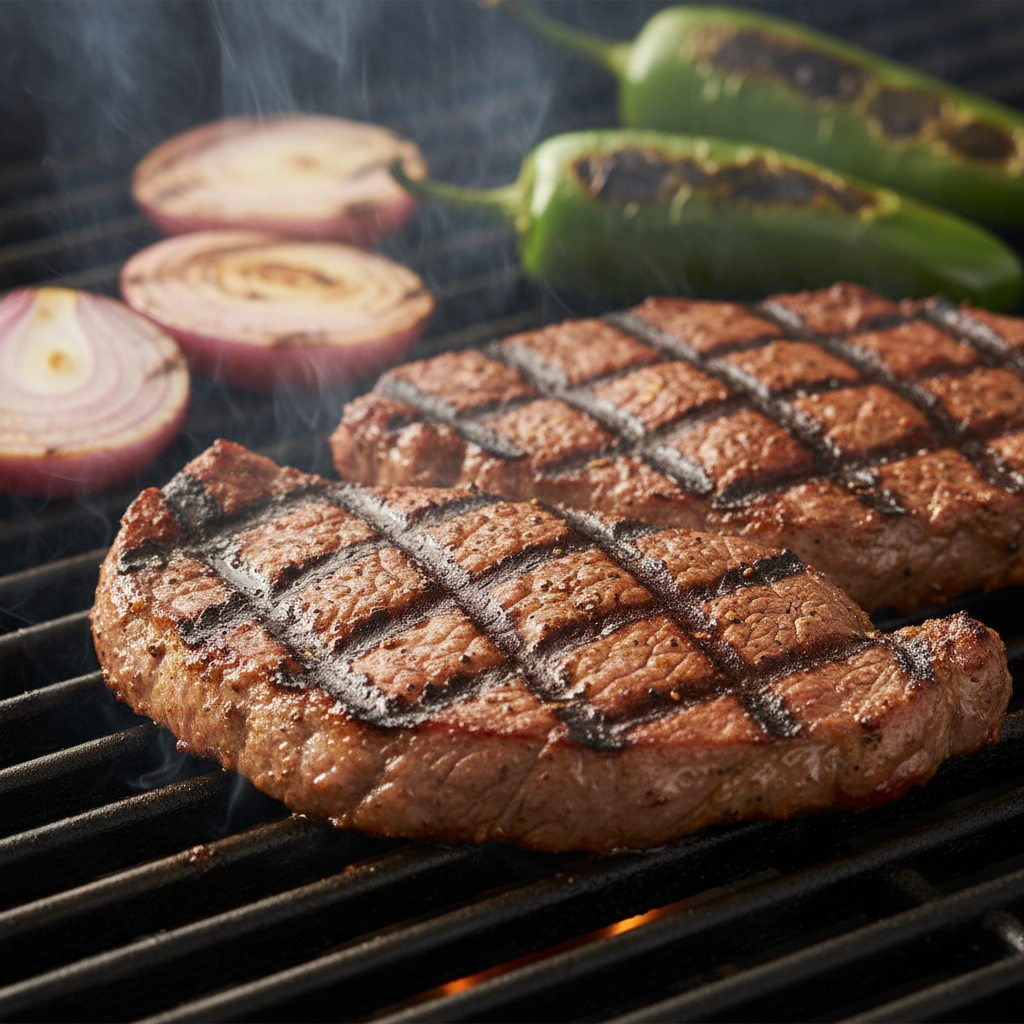
Best Practices: Flavor, Freshness, and Safe Holding
Balance flavor with freshness by pairing one bold protein with one mild option, staging toppings in small bowls, and using warmers for proteins and tortillas. Keep vegetarian items separate, label allergens, and refresh salsas often. Clear signage plus a left-to-right flow speeds lines and reduces waste.
Flavor strategy guests remember
- One bold, one mild: pair a spicier protein with a gentler option.
- Texture mix: crunchy slaw, creamy crema or guacamole, bright lime.
- Three-salsa rule: mild, medium, and “wild card” (roasted or extra hot).
Freshness and heat management
- Small-batch refills: refill bowls halfway to keep ingredients vibrant.
- Warmers and wraps: keep tortillas wrapped; rotate proteins frequently.
- Serving line flow: warm foods first, then beans/rice, then toppings.
Dietary clarity and separation
- Gluten-aware: offer corn tortillas; keep flour tortillas in a separate basket.
- Vegetarian-first: dedicate tongs/spoons to beans, rice, and veggies.
- Allergen notes: label dairy-containing toppings and shellfish clearly.
For hosts who prefer ultra-clear labeling and neat packs, consider individually packaged catering to eliminate utensil sharing and simplify cleanup.
Tools and Resources: Checklists, Timelines, and Easy Wins
Use a simple staging checklist, a 5–7 day planning timeline, and two contact moments with your restaurant partner. Keep a thermometer, foil, and extra serving utensils on hand. When in doubt, mirror the line to cut wait times and pre-label vegetarian, gluten-free, and dairy-free items.
Staging checklist
- Insulated carrier or warmers for proteins and tortillas
- Two sets of tongs per protein (backup prevents bottlenecks)
- Foil and clean towels to retain heat around tortillas
- Small bowls for salsas; refill every 15–20 minutes during rush
- Trash and recycle clearly separated at the line’s end
Planning timeline (copy/paste)
- 7 days out: pick the format; estimate headcount.
- 5 days out: confirm dietary needs; select proteins and salsas.
- 3 days out: finalize sides; plan table flow and signage.
- 48 hours out: lock your count; confirm pickup/delivery window.
- Day-of: set warmers, lay out labels, and stage utensils.
When you’re ready to lock details, our team can help match your plan to either a buffet-style layout or a taco bar configuration based on your venue and time window.
Local Logistics for Old Toronto Hosts
Hosting in Old Toronto? Plan for short, walkable pickups near Queen Street West and consider staggered arrivals for larger groups. Venues by Trinity Bellwoods Park benefit from bowl-friendly setups, while downtown offices often prefer mirrored taco lines to keep meetings on schedule.
Local considerations for Old Toronto
- Weekend afternoons near Trinity Bellwoods Park get busy; schedule earlier pickups to avoid lines and keep proteins hotter.
- Winter commutes are colder and slower; use insulated carriers and request tortillas in smaller, wrapped bundles to maintain warmth.
- Office towers favor clean handoffs; pre-label vegetarian and gluten-free containers for quick conference-room setups.
Case Studies and Examples (Toronto Hosts)
Toronto hosts succeed by matching format to venue: bowls travel best for park picnics, taco bars thrill game nights, and fajita platters shine at family-style dinners. In each scenario, two proteins plus a vegetarian base, three salsas, and clear labels deliver fast lines and happy guests.
Neighborhood picnic by the park
- Order: bowls with chicken and tofu/sofritas, plus chips and salsa trio
- Why it works: fork-friendly, easy to eat seated on the grass
- Tip: keep greens separate until serving to avoid wilting
Old Toronto office lunch
- Order: taco bar with chicken and beef, corn and flour tortillas
- Why it works: quick self-serve; mirrored lines keep meetings on time
- Tip: label heat levels; park beverages at the line’s end
Family-style dinner at home
- Order: fajita platters with peppers/onions, warm tortillas, and rice/beans
- Why it works: hearty servings; the sizzle elevates the vibe
- Tip: replenish tortillas in small bundles to keep them steamy
Sample proteins guests ask for again and again include house-seasoned chicken asado, ground beef with mild heat, tofu/sofritas for plant-based diners, and shrimp for seafood lovers. Explore examples like chicken asado tacos, ground beef tacos, and tofu/sofritas tacos when you’re sketching a menu.
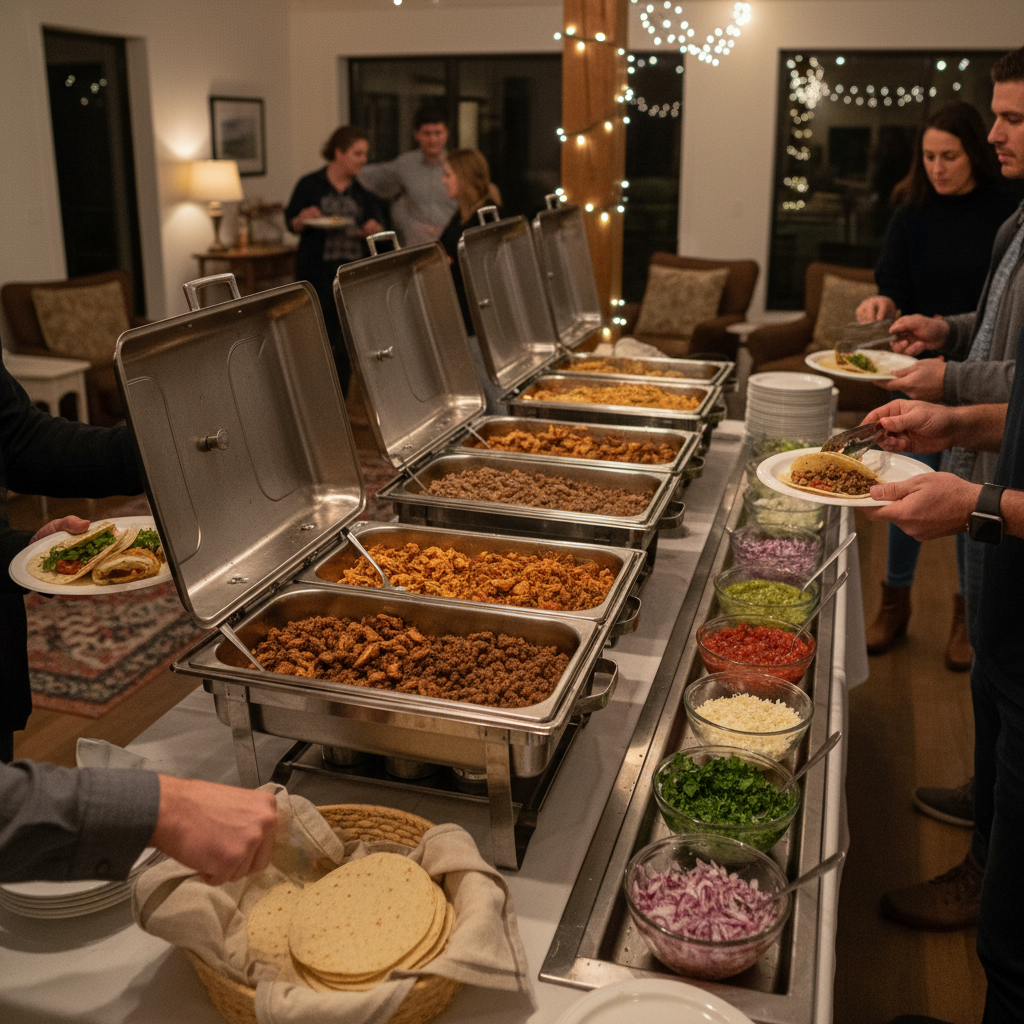
Menu Ideas and Sample Spreads
Keep menus simple but colorful: two proteins, one vegetarian base, rice/beans, three salsas, and fresh add-ons. Offer both corn and flour tortillas. For seafood lovers, add shrimp tacos as a premium touch. This balance serves most palates without overcomplicating prep or setup.
8–12 guests (cozy night in)
- Proteins: chicken asado + tofu/sofritas
- Base: rice and black beans
- Salsas: mild pico, roasted medium, heat-forward verde
- Add-ons: lime, cilantro, pickled onions, crunchy slaw
20–30 guests (birthday or game night)
- Proteins: chicken asado + ground beef
- Base: rice and pinto beans
- Salsas: pico, smoky chipotle, creamy jalapeño
- Add-ons: queso, crema, guacamole, sliced jalapeños
40–60 guests (office mixer)
- Proteins: chicken asado + beef + vegetarian fajita veggies
- Base: rice and black beans; chips and salsa trio
- Salsas: pico, roja, extra-hot “wild card”
- Flow: mirrored lines or two stations to cut queues in half
Want seafood in the mix? Consider our shrimp tacos as a rotating feature for gatherings that want an extra pop.
A Soft Assist While You Plan
If you have a date and a headcount, you’re 80% of the way there. Share your format and dietary needs, and we’ll suggest a right-sized menu and pickup or delivery window that keeps food hot and lines short.
Ready to move from notes to a plan? Our catering team can translate your headcount and venue into a clear setup—whether you need a taco bar for a team huddle or a buffet-style layout for a neighborhood social.
Frequently Asked Questions
Hosts ask about portions, dietary accommodations, warming methods, and timelines. Plan for 2–3 tacos per adult, add a vegetarian base, keep tortillas wrapped and warm, and lock headcount 48 hours out. Clear labels and a left-to-right flow keep lines moving.
How many tacos should I plan per person?
Plan 2–3 tacos per adult and 1–2 per child. Offer both corn and flour tortillas if possible and keep tortillas warm in wrapped bundles. Add rice and beans so lighter eaters can build bowls or stretch portions without feeling rushed.
What’s the best serving order to keep lines moving?
Stage warm proteins and tortillas first, then rice and beans, followed by salsas and toppings. Place beverages and napkins at the end. This sequence prevents backtracking and keeps the line moving, especially when you mirror the setup for larger groups.
How can I accommodate vegetarian and gluten-free guests?
Provide a plant-based protein (tofu/sofritas or fajita veggies), rely on rice and beans as a backbone, and offer corn tortillas. Keep vegetarian utensils separate and label dairy-containing toppings. Clear signage makes it easy for guests to build plates confidently.
When should I finalize my catering headcount?
Lock your headcount about 48 hours before the event so your restaurant partner can prep proteins, tortillas, and sides to the right volumes. For groups over 40, consider mirrored lines or a second station to keep the serving window tight.
Key Takeaways
Keep it simple and colorful, label clearly, and plan your flow. Two proteins plus a vegetarian base, three salsas, and warm tortillas please almost any crowd. Confirm timing 48 hours out and choose the serving format that fits your venue and vibe.
- Anchor your menu on mix-and-match staples and three salsas
- Plan 2–3 tacos or 4–6 oz protein per adult
- Separate vegetarian items and label allergens
- Mirror the line for groups of 40+ to cut wait times
- Use wrapped bundles to keep tortillas hot and pliable
Conclusion
Mexican cuisine for casual gatherings succeeds because it’s modular, flavorful, and friendly to diverse diets. With a simple plan and a clear serving flow, you’ll keep guests happy and lines short. When you’re ready, La Rio’s can support dine-in, takeout, or full catering.
Hosting soon in Toronto? Share your headcount, dietary needs, and venue details, and we’ll help translate that into a right-sized menu and timeline. From full-service catering guidance to fast individually packaged options, we’ll set you up to serve confidently.