Is Mexican Food Healthy? Get Straight Answers in 2026
Explore Mexican cuisine health benefits with grilled proteins, beans, and veggies. Practical tips for diners in Old Toronto at La Rio’s Mexican Grill.
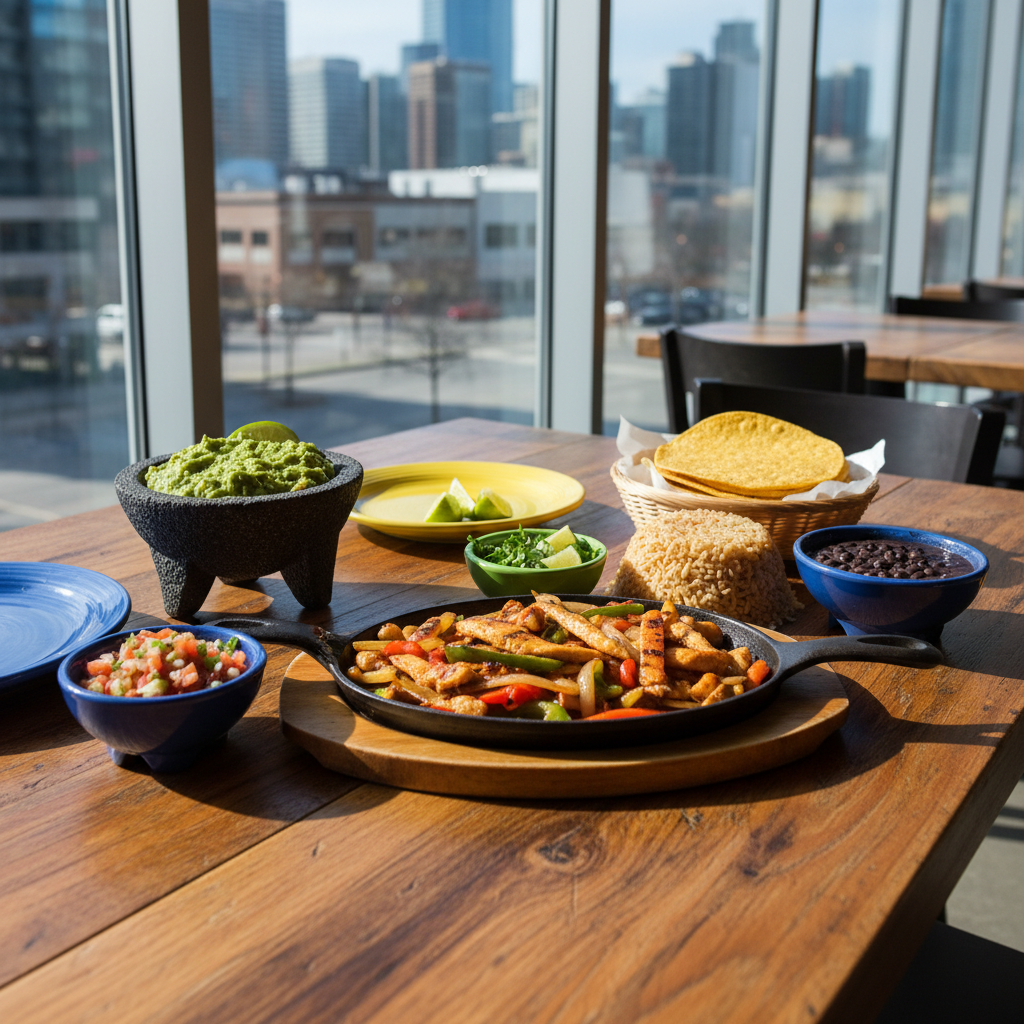
Mexican cuisine health benefits come from fiber-rich beans, whole corn, vegetables, lean grilled proteins, and antioxidant-packed chiles and herbs. At La Rio’s Mexican Grill in Old Toronto (746 Queen St W), our grilled specialties, bowls, and veggie-forward sides show how balanced, traditional flavors can support everyday wellness without sacrificing taste.
By Sam Patel, Founder — La Rio’s Mexican Grill
Last updated: 2026-05-06
At a Glance
A healthy Mexican plate balances grilled protein, beans, corn tortillas, and colorful vegetables with salsas over heavy sauces. Portion control, fiber, and smart cooking methods deliver steady energy and heart-friendly nutrition while keeping the bold flavors you love.
This complete guide explains what “healthy Mexican” actually looks like, how traditional ingredients support wellbeing, and how to order or build balanced meals at La Rio’s.
- What makes Mexican food healthy vs. heavy
- How beans, corn, peppers, and spices support health
- Simple swaps to reduce sodium and saturated fat
- Step-by-step: build a balanced burrito bowl
- Real examples for dine-in, takeout, and catering
What Are Mexican Cuisine Health Benefits?
Mexican cuisine health benefits center on high fiber from beans and corn, antioxidants from chiles and herbs, and lean proteins from grilled meats or tofu. When paired with portion-aware tortillas and fresh salsas, these elements help support heart health, gut health, and steady energy.
At its best, Mexican cooking is a produce-forward, bean-powered, corn-based tradition. It’s not the heavy stereotype. Classic combinations—black beans with corn, bright salsas, crunchy vegetables, and citrus—deliver fiber, vitamins, minerals, and phytonutrients with satisfying flavor. Grilling concentrates taste without deep-frying.
Core benefits in plain language
- Heart-friendly balance: Grilled chicken, tofu, or fish with black beans keeps saturated fat in check while providing quality protein.
- Fiber for fullness: A cup of black beans offers roughly 15 grams of fiber, which supports digestion and satiety.
- Antioxidants for defense: Chiles, tomatoes, onions, cilantro, and lime supply vitamin C, carotenoids, and other plant compounds.
- Smart carbs: Corn tortillas and brown rice offer complex carbohydrates that pair well with protein and fat for steady energy.
In our kitchen on Queen Street West, we prioritize the grilled side of Mexican cooking—char, citrus, herbs, and fresh toppings—so you can enjoy bold flavor and everyday balance.
Why Eating Mexican the Smart Way Matters
Eating Mexican the smart way means leaning on beans, vegetables, and grilled proteins instead of deep-fried items and heavy sauces. This approach supports healthier blood pressure and cholesterol numbers, steadier energy, and easier portion control—without losing the flavors that make the cuisine special.
Food choices shape how you feel all day. Balanced Mexican meals can reduce midday slumps and help you meet nutrition targets across fiber, protein, and micronutrients. Sauces and toppings drive big differences. Bright salsas, pico de gallo, and guacamole align with a healthier pattern than sour-cream-heavy or cheese-loaded options.
What most diners get wrong
- Over-indexing on cheese: Cheese is great sparingly, but doubling it quickly crowds out fresher toppings.
- Fried as a default: Crispy textures are fun; choose grilled for most meals and save fried for the occasional treat.
- Flour-over-corn habit: Corn tortillas are naturally portion-sized and often a better fit for balanced plates.
- Forgetting fiber: Skipping beans means missing the most reliable fullness-supporting element on the plate.
We see this every week with dine-in guests and takeout orders. Small swaps—corn over flour, salsa over creamy sauce, grilled over fried—change the nutrition profile fast while keeping the dish craveable.
How Traditional Ingredients Power Health
Traditional Mexican ingredients—beans, corn, tomatoes, onions, peppers, citrus, and herbs—combine to deliver fiber, vitamins, minerals, and protective plant compounds. Pair them with grilled proteins and olive or avocado oil to build meals that are satisfying, nutrient-dense, and naturally portion-friendly.
Healthy Mexican plates aren’t complicated. They rely on layered flavors from plants and handheld carbs sized for moderation. Here’s how the staples work hard for you:
Beans and legumes
- What they add: Plant protein, fiber, iron, potassium, and magnesium.
- Why it matters: Fiber supports gut health and steadier blood sugar; potassium helps counterbalance sodium.
- How we serve: Black beans in bowls, burritos, or quesadillas for extra fullness without heaviness.
Corn and whole grains
- What they add: Complex carbs, fiber, and essential minerals in a portion-friendly package (tortillas).
- Why it matters: Corn tortillas reduce the temptation to oversize like large flour wraps sometimes do.
- How we serve: Soft corn tortillas with tacos and fajitas; brown rice options in bowls.
Colorful produce and herbs
- What they add: Vitamin C, vitamin A precursors, folate, and phytonutrients.
- Why it matters: Chopped salsas add volume and brightness with minimal sodium or saturated fat.
- How we serve: Pico de gallo, roasted peppers and onions, cilantro, and lime on almost everything.
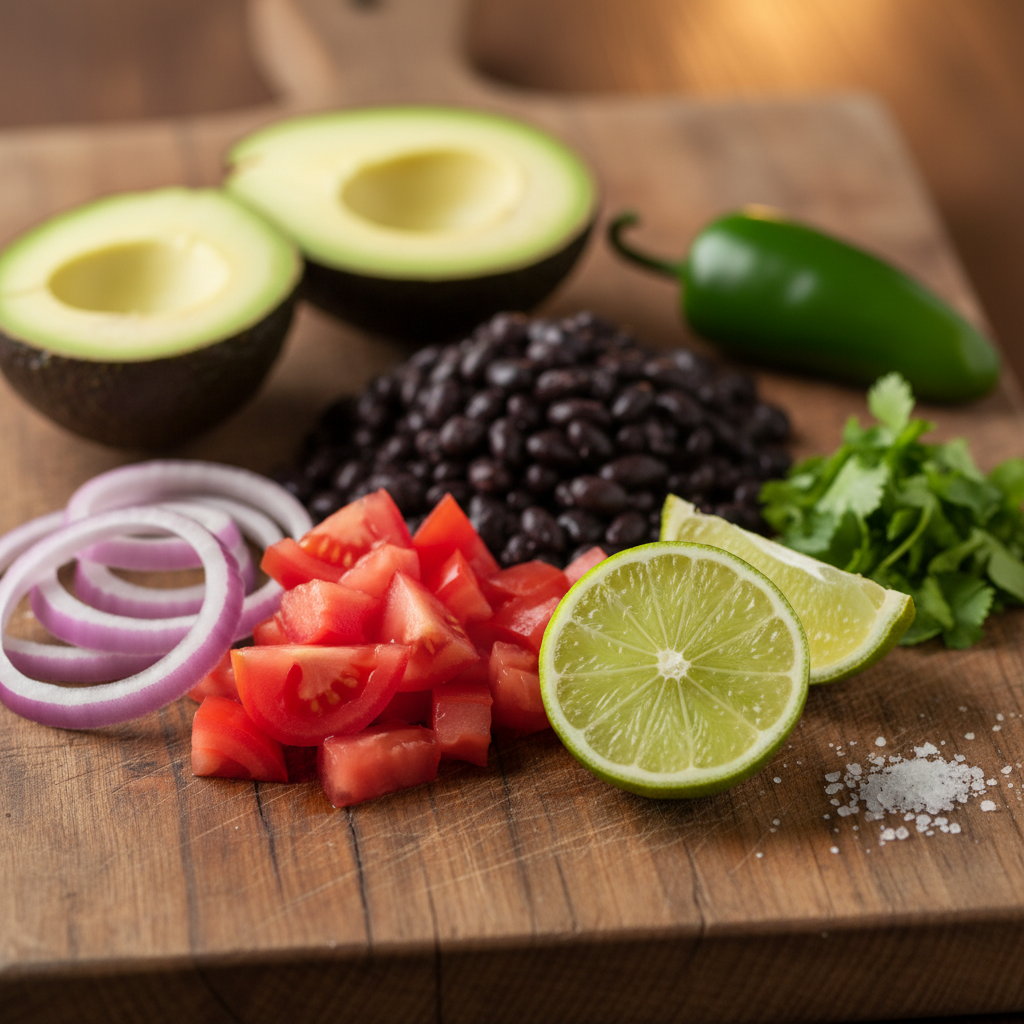
Healthy fats and seasoning
- What they add: Avocado and a drizzle of oil carry flavor and help absorb fat-soluble nutrients.
- Why it matters: Seasonings like cumin, oregano, and chile deliver big taste so you can rely less on heavy sauces.
- How we serve: Fresh guacamole and citrus-forward marinades over creamy, sodium-heavy toppings.
In our experience, guests feel fuller longer when beans play a starring role and salsas do the heavy lifting for flavor. That’s the traditional pattern—and it still works.
Cooking Methods and Smart Swaps
Choose grilling, roasting, and sautéing over deep-frying; pick corn tortillas, salsas, and veggies over heavy sauces and extra cheese. These simple swaps consistently reduce calories, saturated fat, and sodium while preserving the core flavors of Mexican food.
Preparation style is often the biggest lever. Grilling intensifies flavor via char and caramelization without a deep-fryer. Roasting peppers and onions brings sweetness that pairs with tangy salsa. Here are the most reliable upgrades we use at La Rio’s.
Cooking choices that pay off
- Grill it: Chicken asado, peppers, and onions deliver smoke and sweetness without breading.
- Roast it: Roasting tomatoes or tomatillos for salsa adds depth without cream.
- Sauté smart: Use a light oil and keep portions measured.
Swap these, keep the flavor
- Corn for flour: Corn tortillas help with built-in portion control and bring whole-grain benefits.
- Salsa for heavy sauce: Pico de gallo, salsa verde, or roasted salsa add brightness with minimal sodium.
- Beans for extra cheese: Fiber and protein over more saturated fat.
- Veggies for rice top-ups: Grilled peppers, onions, lettuce, and tomato keep volume high and energy steady.
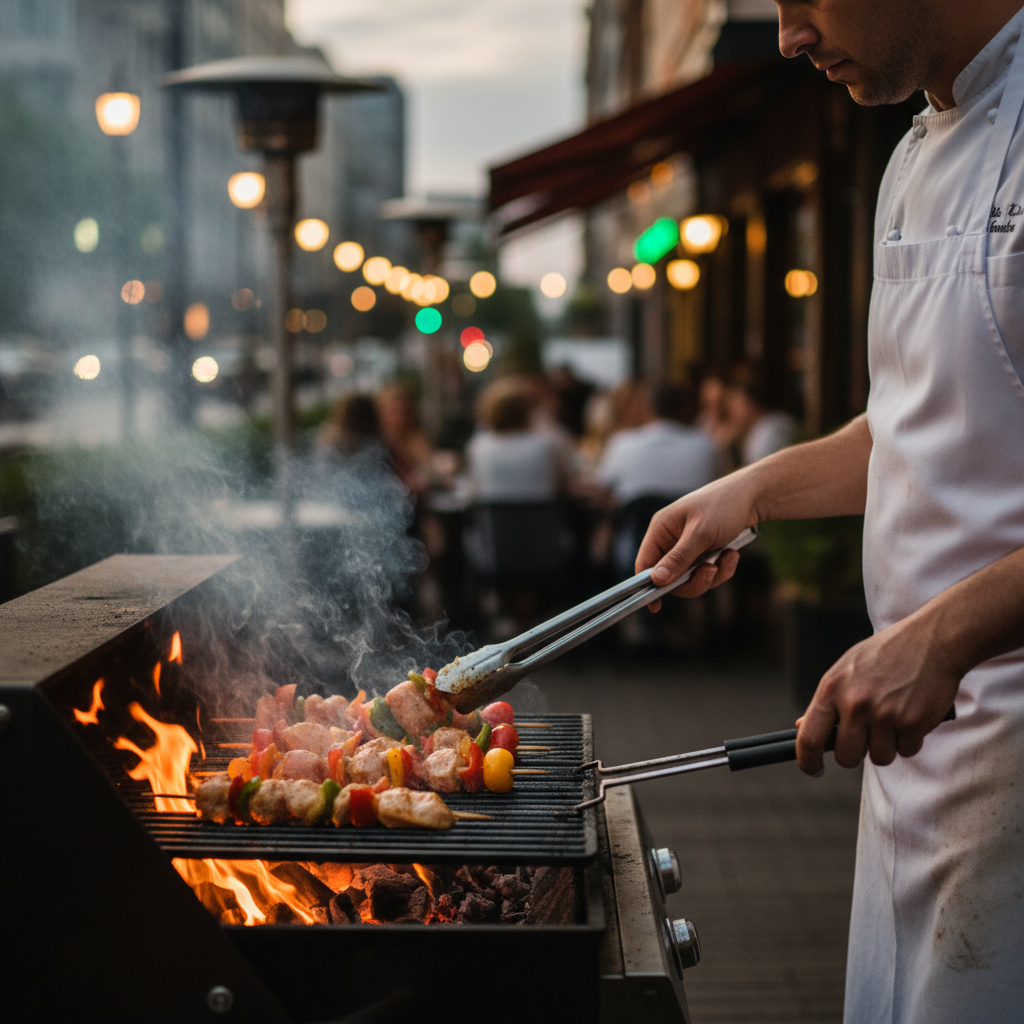
We apply these swaps across our menu—from tacos to bowls—so you can order confidently, whether you’re grabbing takeout or sitting down after a walk through Trinity Bellwoods Park.
Step-by-Step: Build a Balanced Burrito Bowl
Build a balanced bowl by combining a lean protein, a fiber base (beans and brown rice), a rainbow of vegetables, and fresh salsas. Finish with avocado or a light cheese sprinkle. This structure keeps portions sensible while delivering flavor, protein, and fiber.
Use this simple process to assemble an anytime bowl that hits taste and nutrition targets.
- Start with fiber: Black beans plus a modest scoop of brown rice.
- Add lean protein: Grilled chicken asado or tofu sofritas.
- Layer veggies: Roasted peppers and onions, lettuce, tomato.
- Add salsas: Pico de gallo, salsa verde, or roasted tomato salsa.
- Top mindfully: Sliced avocado or a light cheese sprinkle; finish with lime.
| Component | Best choices | Why it helps |
|---|---|---|
| Protein | Grilled chicken, tofu sofritas | Protein supports fullness; grilling avoids extra oil |
| Fiber base | Black beans + brown rice | Fiber steadies energy and supports gut health |
| Veg volume | Peppers, onions, lettuce, tomato | Micronutrients and low-calorie volume |
| Salsas | Pico, salsa verde | Flavor lift without heavy sauces |
| Finishers | Avocado, lime | Healthy fats and brightness |
Prefer a ready-made option? Our burrito bowl lets you customize proteins, beans, and toppings with the same framework.
Ordering Smart at La Rio’s (Dine-in, Takeout, Catering)
Order smart by choosing grilled proteins, adding beans, and loading up on salsas and vegetables. Opt for corn tortillas and ask for sauces on the side. For groups, buffet-style catering makes balanced builds easy with clear stations for protein, beans, vegetables, and salsas.
We built our ordering flow so healthy choices are the default—not an afterthought. Here are guest-tested approaches you can use today.
Great picks for dine-in or takeout
- Grilled chicken quesadilla (light cheese): Try our chicken asado quesadilla with extra pico and lettuce on the side.
- Bean-forward option: Our bean and cheese quesadilla packs fiber; ask for salsa verde to brighten it up.
- Plant-powered swap: Choose the tofu sofritas quesadilla and add guacamole for healthy fats.
- Taco night structure: With our ground beef tacos, add black beans and grilled peppers to round out the plate.
- Flexible bowl: Start with our burrito or burrito bowl and customize the fiber-veg-salsa balance.
Buffet-style catering that stays balanced
For teams and families, a build-your-own spread makes healthy assembly easy. Our buffet-style Mexican catering separates proteins, beans, vegetables, tortillas, and salsas so everyone can create a plate that fits their goals.
Healthy Mexican in Old Toronto: Local Context
In Old Toronto, quick, walkable meals matter. La Rio’s sits near community green space and arts hubs, so we designed bowls, tacos, and quesadillas that travel well, reheat cleanly, and keep you energized for city life—without relying on heavy sauces or deep-fried sides.
Neighborhood rhythms shape how we menu-plan and prep. We see weekday lunch rushes, weekend strolls, and evening takeout lines. Our goal is consistent: make healthier defaults simple, quick, and satisfying.
Local considerations for Old Toronto
- Plan a balanced picnic after a walk through Trinity Bellwoods Park: bowls and tacos hold up well with beans, veggies, and corn tortillas.
- Cold months call for warm, grilled comfort: roasted peppers, onions, and chicken asado keep flavors bright when it’s gray outside.
- Event nights near The Bentway: order catering with clear protein–bean–veg stations so guests can build balanced plates fast.
Traditional vs. Tex‑Mex vs. Ultra‑Processed
Traditional Mexican leans on beans, corn, vegetables, and grilled proteins; Tex‑Mex often adds more cheese and sour cream; ultra‑processed kits pack extra sodium. Choosing the traditional pattern—or Tex‑Mex with smart swaps—delivers the most reliable health benefits with the same core flavors.
It’s helpful to name the patterns, so you can spot and balance them on your plate.
| Pattern | Defining features | Common pitfalls | Smart adjustments |
|---|---|---|---|
| Traditional Mexican | Beans, corn tortillas, salsas, grilled proteins, lots of produce | Too little protein if beans are skipped | Add lean grilled protein or tofu; keep beans central |
| Tex‑Mex | Cheese, sour cream, larger flour tortillas | Extra saturated fat, oversized wraps | Light cheese, salsa swaps, corn tortillas |
| Ultra‑processed | Pre‑packaged kits, sauces, chips | High sodium, low fiber | Use fresh toppings and beans; limit packaged sauces |
We design our menu to make the “traditional” foundation easy, with Tex‑Mex favorites still available—just built on grilled proteins, beans, vegetables, and bright salsas.
Tools and Resources You Can Use
Use simple tools to keep Mexican meals balanced: a build-your-bowl checklist, serving-size cues (corn tortillas help), and office-lunch planning guides. For teams, healthy catering layouts with clear stations make balanced eating effortless at events or meetings.
If you’re planning group meals, outside inspiration can help organize ideas. For Toronto teams looking for lighter spreads, resources that showcase “healthy fresh” layouts can spark practical menus and plating sequences that avoid heavy sauces and fried defaults.
- Explore menu layouts that emphasize greens, beans, and grilled proteins with this overview of healthy fresh options.
- For workplace planning, this healthy office lunch guide outlines simple approaches that pair well with build-your-own taco bars.
- Curious how produce supports oral health, too? See this note on foods that strengthen teeth—crunchy veggies and vitamin C show up all over Mexican plates.
At La Rio’s, we translate these frameworks into clear buffet lines and default toppings that naturally skew toward beans, vegetables, and grilled items. It keeps choices simple when the line is long and time is short.
Mini Case Examples From Our Kitchen
When guests organize plates around beans, grilled proteins, and salsas, they report better afternoon energy and fewer “post-lunch slumps.” Our Old Toronto team sees this pattern daily across dine-in, takeout, and catering orders.
Family after the park
A family stops in after a morning at Trinity Bellwoods Park. They choose ground beef tacos on corn tortillas, add black beans and grilled peppers, skip heavy sauces, and share guacamole. The result: a colorful, fiber-rich meal that keeps everyone satisfied until dinner.
Office lunch near The Bentway
A team orders buffet-style catering before an evening event. With clear protein–bean–veg stations, most plates follow the balanced bowl template automatically. Guests tell us they feel lighter and more focused for the program that follows.
Quick takeout on Queen Street West
A regular grabs a tofu sofritas quesadilla with extra pico and a side of beans. They love the flavor punch from roasted salsa and lime—and appreciate how well it reheats later that night.
Frequently Asked Questions
Healthy Mexican meals emphasize beans, vegetables, corn tortillas, and grilled proteins with fresh salsas. Keep cheese and creamy sauces modest, and portion rice thoughtfully. This balance supports heart health, gut health, and steady energy while preserving bold flavor.
Is Mexican food healthy or unhealthy?
It depends on choices. Traditional plates with beans, corn tortillas, vegetables, and grilled proteins are nutrient-dense and fiber-rich. Heavy sauces, deep-fried sides, and oversized flour wraps push meals in the other direction. Lean on salsas, beans, and grilled items for everyday balance.
What are quick healthy swaps when ordering?
Pick corn tortillas over large flour wraps, choose grilled over fried proteins, add beans for fiber, and use pico or salsa verde instead of creamy sauce. Ask for cheese and rich sauces on the side so you control portions while keeping flavor.
How can I make a burrito bowl more filling without overdoing calories?
Add black beans for fiber and protein, load up grilled peppers and onions, and include pico de gallo for volume and brightness. Choose a lean protein like grilled chicken or tofu, and finish with avocado for satisfaction.
Does spicy food offer health benefits?
Chiles contribute antioxidants and can encourage mindful eating by slowing the pace of a meal. If you enjoy heat, salsa and fresh chiles are an easy way to add flavor without relying on heavy sauces or extra salt.
Key Takeaways
Build meals around beans, vegetables, corn tortillas, and grilled proteins. Use fresh salsas for flavor, keep cheese and creamy sauces moderate, and watch rice portions. This simple blueprint unlocks the core health benefits of Mexican cuisine while preserving the bold, satisfying taste.
- Beans are the fiber anchor—keep them central.
- Corn tortillas and portioned rice support balance.
- Grilling, roasting, and salsa-first toppings protect flavor without heaviness.
- Buffet-style setups make healthy choices automatic for groups.
Next Steps
Put this into practice today: order grilled, add beans, choose corn tortillas, and top with salsa. Whether you dine in, take out, or cater, this four-step pattern delivers the core health benefits of Mexican cuisine—flavor-forward, fiber-rich, and satisfying.
Ready to apply these tips? Visit us on Queen Street West for dine-in or takeout, or plan a balanced taco bar for your team with our buffet-style Mexican catering. We’ll set up clear protein–bean–veg stations so healthy choices are the easy choices.