Mexican Grill Catering Costs: Save More in 2026 Today
Plan Mexican grill catering cost factors in Toronto: headcount, menu scope, staffing, logistics, and venue rules—value-forward without pricing talk.
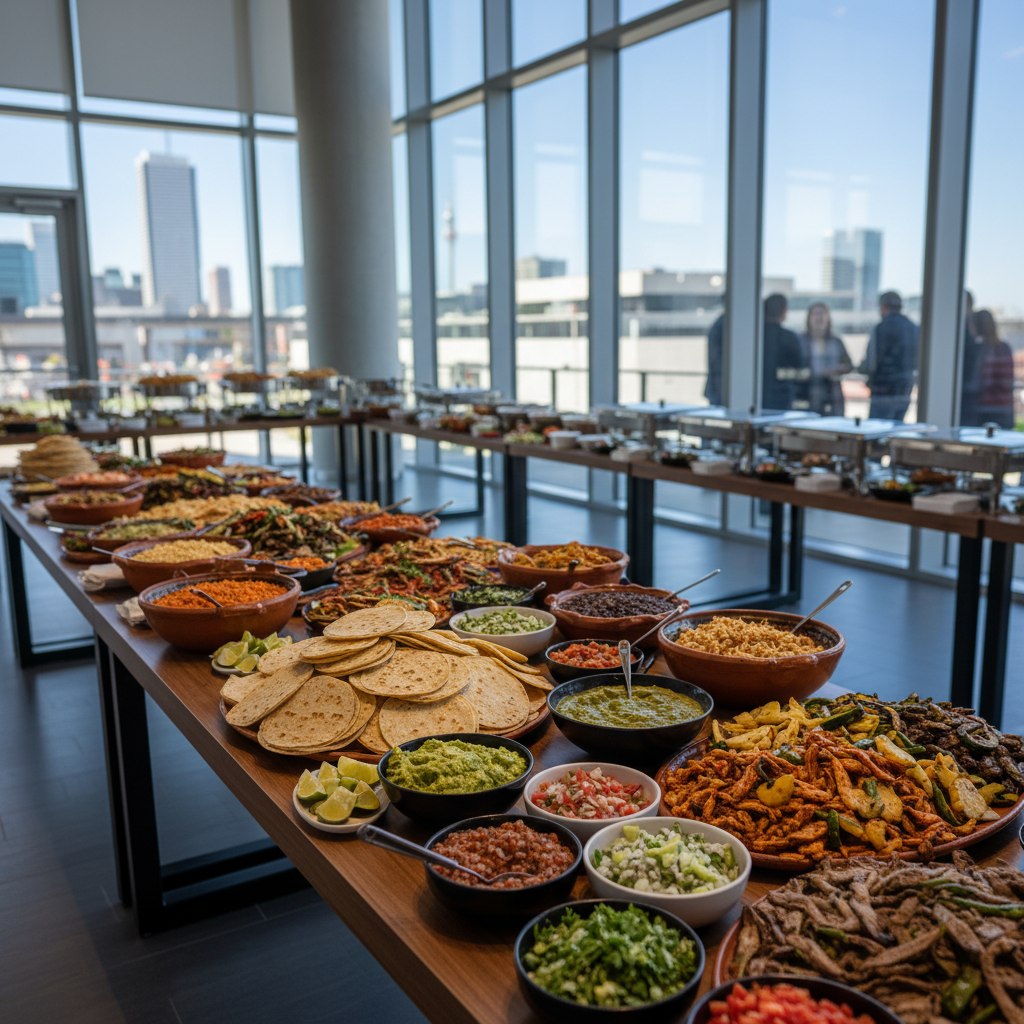
Mexican grill catering cost factors are the ingredients behind your final event total: guest count, menu complexity, staffing level, equipment, logistics, venue rules, timing, and sustainability choices. From our Old Toronto base at 746 Queen St W, La Rio’s Mexican Grill plans around these inputs to keep your event smooth and value-forward.
By Sam Patel · Last updated: May 6, 2026
At a Glance
The fastest way to shape an efficient Mexican grill catering plan is to lock your headcount, clarify menu tiers, and confirm delivery and setup logistics. With those three items set, you can align staffing, equipment, and packaging to prevent waste, avoid delays, and deliver consistent portions for every guest.
This overview orients you to the major levers that influence outcomes. You’ll see what each factor means, why it matters, and how to manage it confidently—without talking in prices. We’ll use real examples from La Rio’s Mexican Grill catering across Toronto offices, schools, and neighborhood gatherings.
- What you’ll learn: the core cost drivers and how to control them
- What you’ll use: planning timelines, portion standards, logistics checklists
- What you’ll avoid: last‑minute headcount swings, under-portioned bars, avoidable overtime
What Is Mexican Grill Catering?
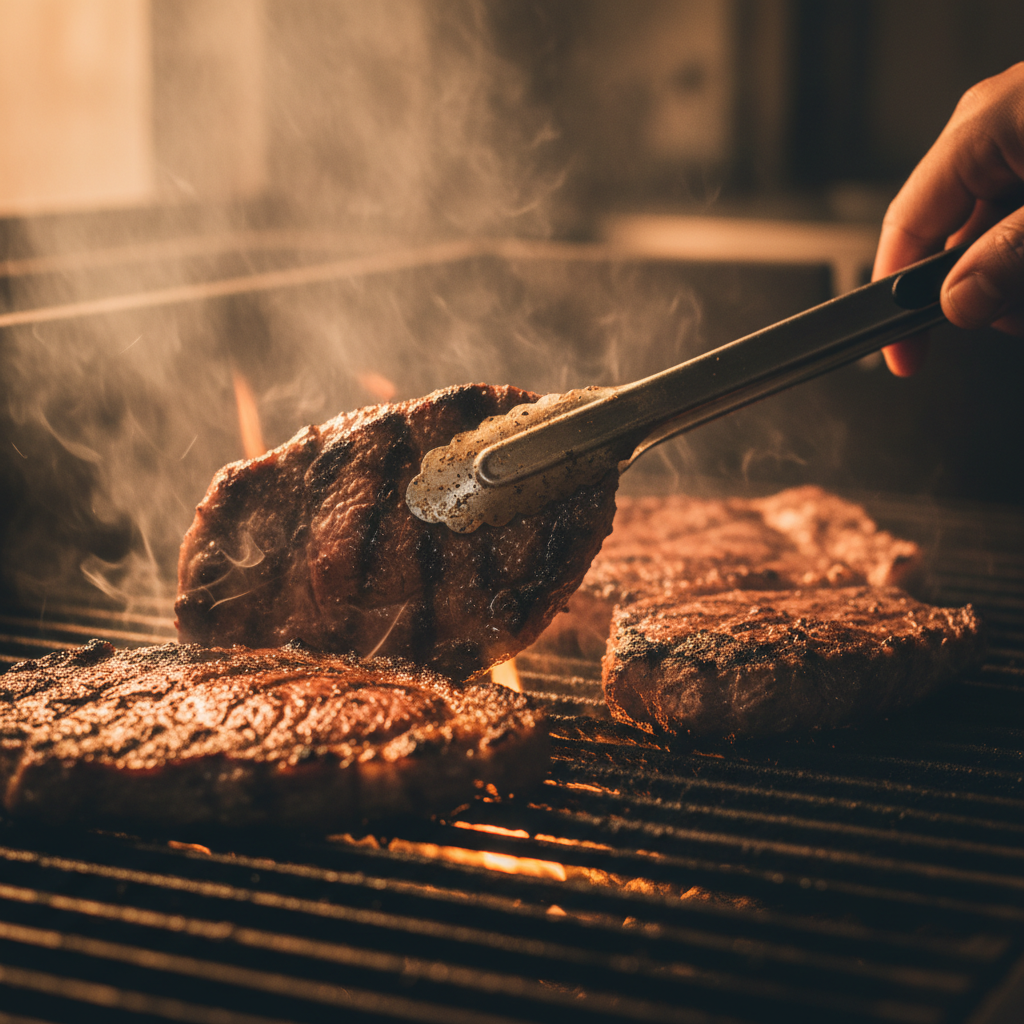
Mexican grill catering is the end-to-end service of preparing, transporting, and serving grilled Mexican dishes—like tacos, fajitas, and bowls—for events. It covers menu planning, hot holding, delivery, setup, and breakdown. The format can be buffet, taco bar, or boxed meals, each with distinct staffing and logistics needs.
In practice, this means aligning food production, transport temperatures, on-site assembly, and guest flow. We coordinate timing so proteins rest properly, salsas stay chilled, and tortillas arrive warm—not soggy. That orchestration is what separates a good meal from a great event experience.
- Service formats: buffet lines, taco/fajita bars, and individually packaged meals
- Serving models: drop-off only, drop-off + setup, full service with on-site staff
- Menu building blocks: proteins, tortillas, toppings, sides, beverages, desserts
- Portion planning: 2–3 tacos per guest or equivalent in bowls/platters for balanced plates
Curious how formats translate locally? See our buffet-style Mexican catering options or explore individually packaged catering for meetings that prefer sealed meals.
Key Mexican Grill Catering Cost Factors in Toronto
The primary cost drivers are headcount accuracy, menu complexity, staffing intensity, equipment and rentals, distance and timing logistics, venue rules, seasonality, and sustainability packaging choices. In Old Toronto and across the metro, these levers determine labor hours, prep volume, and transport planning.
Here’s how each lever affects planning and outcomes.
Headcount and portions
- Accuracy matters: Lock RSVP numbers 5–7 days out to prevent last-minute scramble.
- Standard portions: Plan ~2–3 tacos per person plus 6–8 ounces of sides.
- Buffering: Add 5–10% overage only for open-invite or drop-in events.
Right-sizing portions avoids both shortages and waste. We calibrate bar refills to live guest flow, not guesses.
Menu complexity
- Protein count: More choices increase prep lines and garnishes.
- Hot/cold balance: Mixed items require separate holding equipment and staging.
- Sauces and salsas: Each additional house-made salsa adds prep time and cooling needs.
A focused menu keeps service quick and food consistent. Our taco bar catering in Toronto demonstrates how two proteins plus classic toppings satisfy most palates.
Staffing level
- Drop-off only: Minimal labor after prep and packing.
- Drop-off + setup: Adds on-site table staging and chafing management.
- Full service: Includes attendants for portion control, line flow, and resets.
Staffing aligns to venue layout and guest flow. Wider rooms or multi-floor offices often benefit from an extra attendant to manage satellite lines.
Equipment and rentals
- Hot holding: Chafers, insulated boxes, and fuel maintain safe temperatures.
- Cold holding: Cambros, ice, and pans keep salsas, crema, and greens crisp.
- Presentation: Risers, signage-free labels, and garnish trays improve navigation.
We match equipment to menu and room constraints so guests move quickly and food integrity stays high.
Logistics: distance, timing, access
- Distance and traffic: Plan buffers for rush-hour corridors and elevator timing.
- Load-in rules: Confirm docks, stairs, and elevator access with your coordinator.
- Service window: Short windows compress setup; build adequate lead time.
Simple note with big impact: reserve loading zones in advance when possible. It protects food temperature and staff timing.
Venue rules and compliance
- Food safety: Hot items should be held at or above 140°F, cold at or below 40°F.
- Allergens: Separate utensils and serving lines for dairy-free and gluten-friendly items.
- Waste handling: Understand on-site composting and recycling requirements.
Clear rules lower risk and keep service smooth. We label pans discreetly and maintain separate tongs for major allergens.
Seasonality and sustainability
- Seasonal produce: Off-peak produce can affect availability and lead times.
- Eco packaging: Compostable trays and cutlery help meet corporate goals.
- Weather: Heat waves or winter storms require extra temperature control buffers.
Season-aware planning keeps quality consistent year-round. Ask about our eco-forward packaging for recurring programs.
Why These Cost Factors Matter
Managing cost factors protects food quality, service speed, and guest satisfaction. When headcount, menu scope, and logistics align, you get steady portions, shorter lines, and better reviews. Small planning choices—like fewer proteins or pre-labeled pans—translate into faster service and less waste.
In our experience, the best events feel effortless to guests. That’s not luck—it’s structure. Portion standards, staging diagrams, and realistic timelines make outcomes predictable. The payoff is simple: it tastes better when it’s planned better.
- Quality: Proper hot/cold holding preserves texture and flavor.
- Speed: Streamlined lines reduce wait time during peak 12:00–1:00 p.m. lunch rush.
- Consistency: Portion guides prevent “first-plate heavy, last-plate light.”
- Inclusivity: Clear dietary labeling encourages confident choices.
We’ve seen upticks in guest satisfaction when lines clear in under 8 minutes per 50 people. Fewer bottlenecks create a calmer room and better meal memories.
How Mexican Grill Catering Works (Step-by-Step)
The catering workflow moves from discovery and headcount to menu selection, logistics planning, prep and packing, delivery and setup, service, and wrap-up. Each step has clear owners and time boxes. Get headcount and logistics confirmed first; everything else flows from those two pillars.
- Discovery call: Purpose, date, venue rules, and dietary needs.
- Headcount lock: Confirm guest numbers and serving style.
- Menu selection: Choose proteins, sides, and toppings that travel well.
- Logistics plan: Map access points, loading, elevators, and setup windows.
- Prep and packing: Batch-cook proteins, chill salsas, and stage equipment.
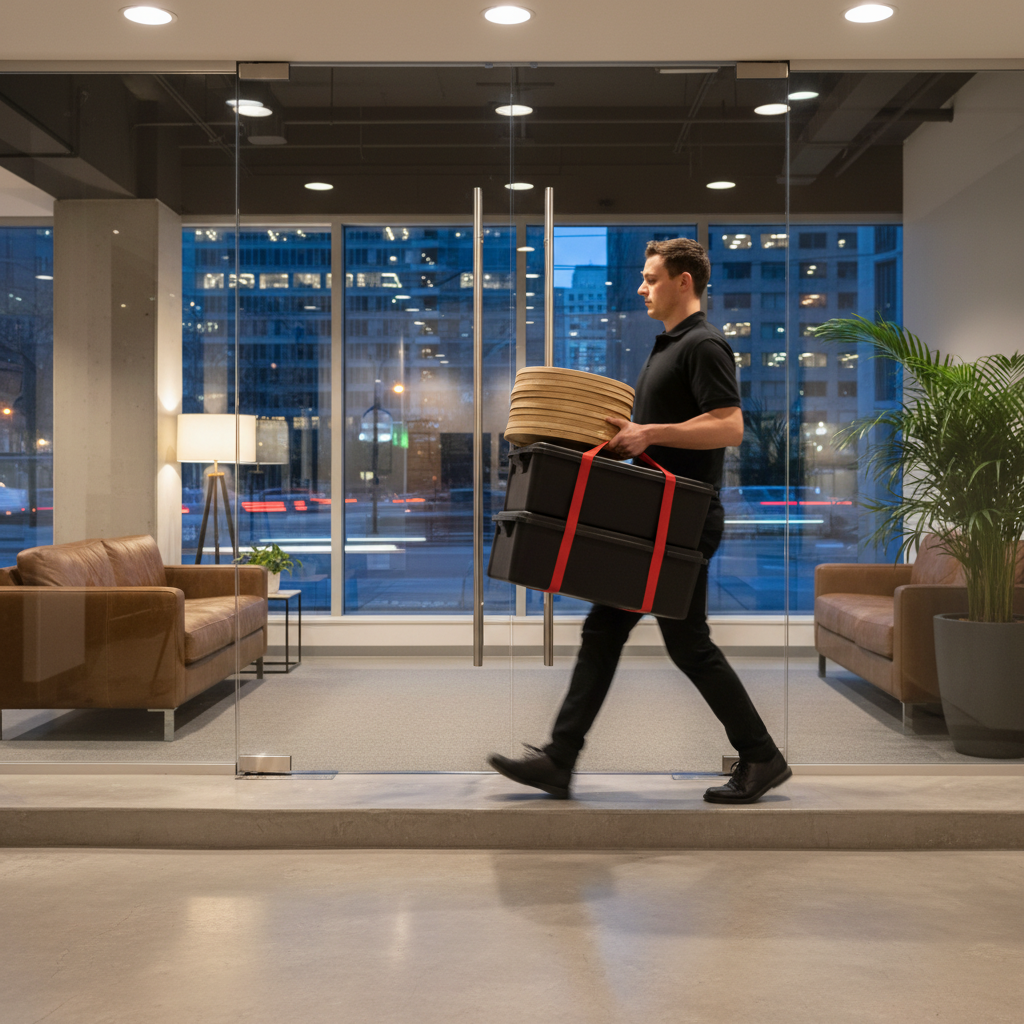
- Delivery and setup: Insulated transport, line layout, and temperature checks.
- Service: Portion control, refills, and clearing.
- Wrap-up: Breakdown, waste handling, and leftover guidance.
Ready to see formats? Our catering page outlines service models for offices, schools, and private events.
Types and Service Methods
Mexican grill catering formats include buffet lines, taco/fajita bars, and boxed meals. Service methods range from simple drop-off to full-service staffing. Choose a format that matches guest flow, dietary needs, and venue constraints—then scale staffing to keep lines moving and food at its best.
Common formats
- Buffet line: Efficient for 40–150 guests with clear plate progression.
- Taco/fajita bar: High engagement; guests customize with toppings.
- Boxed meals: Fast distribution, ideal for trainings or boardrooms.
Drop-off vs. full service
- Drop-off: Best for short meetings where hosts manage refills.
- Drop-off + setup: We stage lines, light fuel, and set garnish flow.
- Full service: We staff the line, portion proteins, and maintain temperature.
Looking for staffed taco bars? Explore taco bar catering for interactive service that stays tidy.
Format Comparison: What Affects Planning
Buffets favor speed and simplicity; taco bars trade speed for customization; boxed meals prioritize control and portability. Match the format to your room, agenda, and staffing tolerance. The right fit reduces waste, shortens lines, and keeps every guest equally served.
| Format | Guest Experience | Staffing Intensity | Equipment Needs | Best Use Case |
|---|---|---|---|---|
| Buffet | Fast, straightforward | Low–Medium | Chafers, risers | Large groups, limited time |
| Taco/Fajita Bar | Custom, engaging | Medium | Hot & cold holding, garnish pans | Mixed diets, interactive events |
| Boxed Meals | Controlled, portable | Low | Insulated carriers | Trainings, boardrooms, travel |
Best Practices to Control the Variables
The simplest way to control catering variables is to finalize headcount early, narrow the menu, and align staffing to your room flow. Use labeled pans, portion scoops, and pre-mixed garnishes to improve speed. A 10-minute earlier setup window often saves far more time during service.
Headcount discipline
- Set RSVP deadlines and send one reminder at T‑7 days.
- Lock final numbers 5–7 days pre-event and share diet counts.
- Build a modest 5% buffer only for open-door events.
Menu focus
- Favor two proteins and classic toppings to speed choices.
- Pick sides that hold texture well (rice, beans, slaws).
- Keep sauces to three staples for clarity and flow.
Line design
- Place tortillas first, proteins second, garnishes third.
- Use 6–8 oz ladles and tongs sized for consistent scoops.
- Stage plates and cutlery after proteins to reduce double-backs.
These patterns have helped us clear 100-person lunches in roughly 15–18 minutes with steady portions and minimal waste.
Tools and Resources You Can Use
Use a headcount tracker, menu matrix, and a simple logistics checklist. Add a 2-column prep schedule for hot vs. cold items and a staging diagram for the room. These lightweight tools eliminate guesswork and keep your team aligned under real-world time pressure.
- Headcount tracker: Guests, dietary flags, and RSVP status.
- Menu matrix: Proteins, toppings, sides, and allergen notes.
- Logistics checklist: Access points, elevators, parking, setup window.
- Staging diagram: Buffet layout with labeled stations and refills.
- Temperature log: Arrival and mid-service checks for hot/cold holding.
Want structured help? Browse our catering overview and send your details via get a quote for catering. We’ll map the plan around your schedule and venue rules.
Local Logistics: Old Toronto Considerations
Old Toronto venues often involve tight loading zones, elevators, and short setup windows. Build 10–15 minutes of buffer and confirm access rules early. For nearby events around Trinity Bellwoods Park or the Fort York National Historic Site area, traffic timing and parking permits can shape delivery windows.
Local considerations for Old Toronto
- Reserve suitable load-in time and confirm elevator access; older buildings may have narrow corridors that change cart strategy.
- Watch seasonal surges during summer festivals and December gatherings; traffic and elevators stay busy.
- For outdoor activations near Trinity Bellwoods Park or around Fort York National Historic Site, confirm park or site rules about food handling and waste.
We know these blocks well from our location at 746 Queen St W, which makes short-notice drop-offs feasible when schedules shift.
Mini Case Studies: What Works in Practice
Successful outcomes come from tight headcounts, focused menus, and room-aware staging. In practice, locking numbers a week out and limiting to two proteins improves speed and consistency. These brief case notes show how small planning choices improved flow and guest feedback.
Downtown lunch-and-learn (60 guests)
- Format: Taco bar; two proteins, three salsas, rice and beans.
- Move: One extra attendant during the 12:10–12:30 peak cleared the line.
- Outcome: All guests served within 14 minutes; balanced plates to the end.
Community celebration near Queen St W (120 guests)
- Format: Buffet line with fajitas; separate vegetarian station.
- Move: Doubled tortillas up front to reduce turn-backs.
- Outcome: Even flow; refills timed to crowd peaks.
Boardroom training (24 guests)
- Format: Individually packaged bowls, labeled for dietary needs.
- Move: Pre-sorted boxes by seat row; zero congestion.
- Outcome: 5-minute distribution; session started on time.
These are common patterns in Toronto offices and community venues. The constants: portion standards, clear line design, and a realistic setup window.
Food Safety, Labeling, and Accessibility
Food safety and clear labels protect your guests and speed service. Hold hot items at safe temperatures, separate utensils for allergens, and provide concise ingredient cues. Accessible line heights and uncluttered paths help every guest serve themselves with confidence and comfort.
- Temperature control: Keep hot foods at or above 140°F; cold at or below 40°F.
- Allergen protocol: Dedicated tongs and pans for dairy-free and gluten-friendly items.
- Label clarity: Use simple names (no jargon) and icons sparingly.
- Line access: Avoid tight turns; keep aisles clear for mobility devices.
For planning benchmarks and examples, see a local catering calculator guide and a corporate catering overview. To compare packaging formats in-market, review this regional catering packaging example. These resources illustrate how organizers document headcounts, diet flags, and delivery windows.
How to Choose Your Menu Without Overcomplicating
Start with one chicken or beef option plus a vegetarian protein, then add two sides and three salsas. That mix satisfies most groups without slowing the line. Skip fringe toppings that add prep time but don’t change guest satisfaction in a measurable way.
- Proteins: One crowd-pleaser (e.g., chicken) and one vegetarian (e.g., beans/veggies).
- Sides: Rice, beans, or slaw for texture and balance.
- Salsas: Mild, medium, and a smoky or verde to finish.
- Extras: Lime wedges and cilantro uplift plates without adding complexity.
If you’re planning a themed event, we can tailor garnish colors and setups while keeping the same fast-moving core.
Planning Timeline and Checklist
A reliable timeline starts at 30 days with venue rules and ends at 0 hour with temperature checks and a photo of the final setup. Work backward from your meal time, pad deliveries, and confirm elevator access. A short, clear checklist reduces stress on event day.
- T‑30 to T‑21 days: Book venue; confirm load-in rules; draft guest list.
- T‑14 days: Choose format and menu; share dietary needs.
- T‑7 days: Lock headcount; finalize room layout.
- T‑3 days: Reconfirm access points and setup window.
- T‑24 hours: Share delivery contact and signage instructions.
- T‑0 hour: Temperature checks; photo of final line for records.
We use the same cadence for everything from quick lunches to multi-room town halls. It keeps surprises in check.
FAQ: Mexican Grill Catering
These quick answers cover planning, lead times, and service options. They’re designed for fast scanning and voice responses. If you don’t see your scenario, reach out—our team can map your requirements to a simple plan that fits your agenda.
How far in advance should I book Mexican grill catering?
Aim for 2–4 weeks for standard lunches and 4–6 weeks for larger or multi-room events. This window locks headcounts, venue access, and dietary needs so we can align prep, staffing, and transport for on-time service.
Can you handle different dietary needs in one setup?
Yes. We label items clearly and stage separate utensils for common allergens. Vegetarian and dairy-free options can run on dedicated pans with their own tongs to keep lines inclusive and safe.
What group sizes work best for taco bars vs. boxed meals?
Taco bars shine for 40–150 guests where customization adds energy. Boxed meals suit trainings and boardrooms because they’re fast to distribute and easy to eat without queuing.
Do you provide drop-off only or full service?
Both. We offer drop-off, drop-off with setup, and full-service staffing. The right fit depends on your room layout, headcount, and schedule. We’ll recommend a model that keeps plates hot and lines short.
Conclusion and Next Steps
When you control headcount, simplify menus, and match staffing to your room, Mexican grill catering delivers hot, fast, and consistent plates. The best results come from small, early decisions that remove friction on event day. Start with headcount, logistics, and one focused menu.
- Key takeaways: headcount accuracy, menu focus, and line design drive success.
- Lock logistics early: loading zones, elevators, and setup windows shape everything.
- Pick the right format: buffet for speed, taco bar for engagement, boxes for control.
Planning an event in Toronto? Explore La Rio’s catering formats or send details via our quote form. We’ll tailor a plan around your venue, schedule, and guests.