
Mexican Grilled Meat: Juicy Carne Asada Made Easy (2026)
Master Mexican grilled meat techniques in Old Toronto with La Rio’s. Learn marinades, searing, slicing, and hosting tips for juicy carne asada every time.
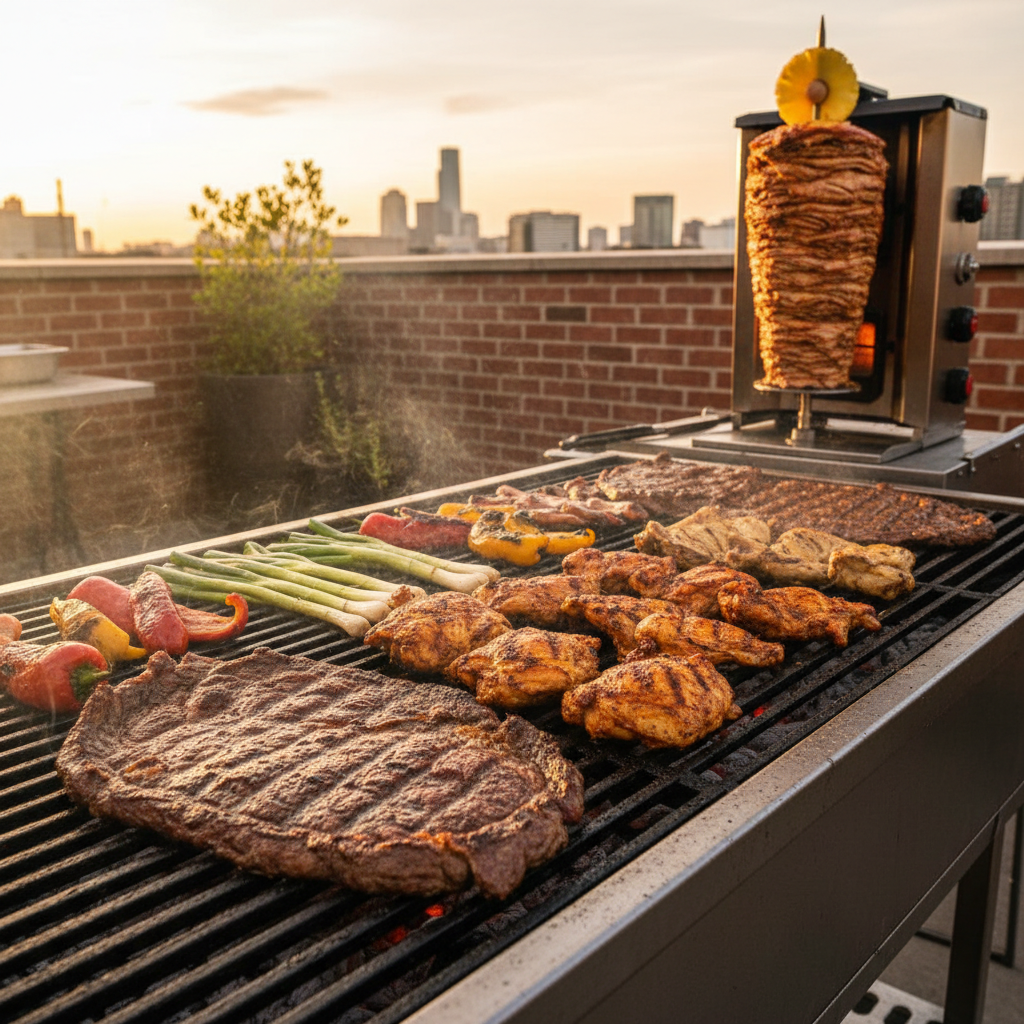
Mexican grilled meat techniques combine citrus-based marinades, high-heat searing, and careful slicing to deliver juicy, char-kissed steak for tacos and platters. At La Rio’s Mexican Grill (746 Queen St W, Old Toronto), we use these fundamentals daily for dine-in, takeout, and catering—so you can recreate reliable results at home.
By Sam Patel — Founder, La Rio’s Mexican Grill
Last updated: 2026-05-06
Summary & Table of Contents
This complete guide explains Mexican grilled meat techniques from marinade science to searing, slicing, and serving. You’ll learn step-by-step processes, gear setups, and real Old Toronto tips—plus quick reference charts and chef-tested timings La Rio’s uses for dine-in, takeout, and catering.
- What Mexican grilled meat means and why it works
- Core techniques: marinating, searing, resting, slicing
- Setups: charcoal, gas, plancha, and cast iron
- Carne asada and related methods (pollo asado, al pastor-inspired grilling)
- Chef benchmarks: ratios, times, and safe temps
- Local tips for Old Toronto backyard cooks and event planners
- Action checklists, FAQs, and quick wins
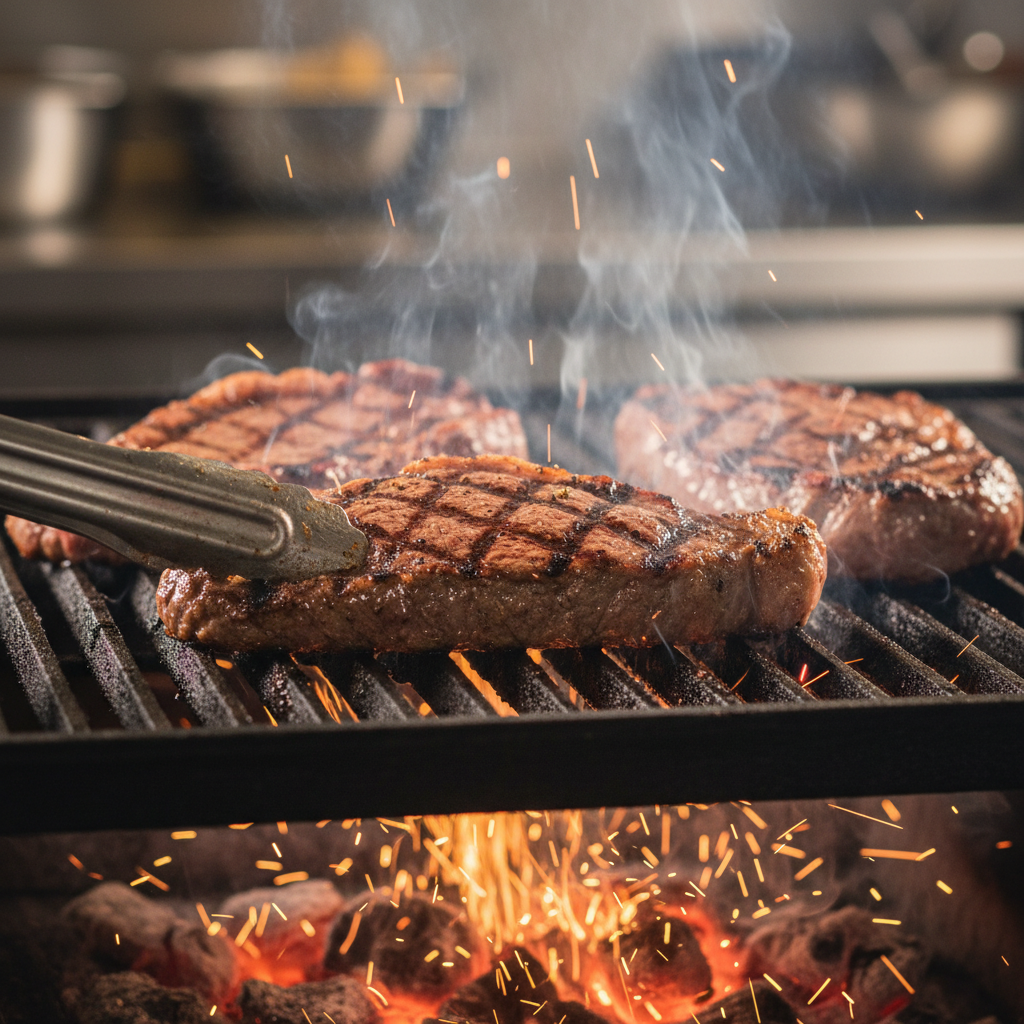
What Is Mexican Grilled Meat?
Mexican grilled meat refers to cuts like skirt, flap, or flank steak seasoned with citrus, aromatics, and chiles, then seared hot and sliced thin for tacos and platters. The technique prioritizes fast cooking, deep browning, and cross-grain slicing to maximize tenderness and bold, smoky flavor.
In everyday restaurant workflow, this approach turns value-friendly cuts into taco-ready slices within minutes. The hallmarks are bright marinades, high heat, and slicing discipline. At La Rio’s, we rely on these choices to meet fast service standards without sacrificing flavor or texture.
Key characteristics
- Vibrant marinade: Citrus or light vinegar; garlic, onion, cilantro; chiles for warmth, not just heat.
- High-heat sear: 500–600°F grate temps for fast Maillard browning in 3–4 minutes per side.
- Short rest: 5–10 minutes to redistribute juices, then thin, cross-grain slicing at a slight bias.
- Flexible serving: Tacos, burritos, quesadillas, bowls, or family-style platters for groups.
When you’re planning a casual night in Old Toronto, this framework scales from a single steak to a full backyard spread. It also mirrors how our team prepares family trays and taco kits for fast pickup.
Why Mexican Grilling Matters
Mexican grilling matters because it delivers big flavor fast with affordable cuts, minimal gear, and repeatable steps. The method scales for weeknights, game days, and events—perfect for taco bars, platters, and family trays without complex prep or specialty equipment.
Great food shouldn’t be complicated. Mexican grilled meat techniques are approachable, budget-friendly, and forgiving. With a hot fire and a balanced marinade, you can hit restaurant-quality results at home. For groups, the approach converts easily into taco bars and buffet pans without overcooking.
Benefits you feel immediately
- Speed: Thin cuts cook in under 10 minutes; you can feed a crowd quickly.
- Flavor density: Acids, aromatics, and browning stack flavor layers that read bold in tacos.
- Versatility: Steak, chicken, or mushrooms share the same playbook with small tweaks.
- Scalability: Double or triple batches with consistent timing windows and serving options.
If you’re hosting, you can also offload the heavy lifting. Our taco bar catering in Toronto and buffet-style Mexican catering use these exact methods to keep trays juicy on the line.
How Mexican Grilled Meat Techniques Work
The technique pairs a quick, acidic marinade with high-heat searing and precise slicing. Acids loosen muscle structure; searing at 500–600°F builds flavor; a brief rest preserves juices; cross-grain slicing shortens fibers for tenderness. Each step adds measurable improvements to texture and taste.
Marinade building blocks (chef ratios)
- Acid: 2–3 tablespoons per pound (lime, orange, or light vinegar) to brighten and tenderize.
- Salt: 1.5–2% of meat weight or roughly 3/4–1 teaspoon per pound for balanced seasoning.
- Fat: 1–2 tablespoons neutral oil per pound to distribute spices and promote even browning.
- Heat/aromatics: Chile (guajillo, ancho, or chipotle), garlic, onion, cumin, cilantro.
Timing windows
- Beef: 30–90 minutes for skirt/flap; up to 4 hours for thicker flank; avoid overnight with lots of citrus.
- Chicken thighs: 2–6 hours for pollo asado-style juiciness; avoid over-acidic marinades.
- Mushrooms/zucchini: 20–30 minutes; they absorb fast and cook in minutes.
Heat and sear benchmarks
- Grate temp: Aim for 500–600°F for steak; 425–475°F if cooking chicken through on grill.
- Sear time: 3–4 minutes per side for skirt/flap; 4–5 for flank depending on thickness.
- Resting: 5–10 minutes; slice thin across the grain at a 30–45° bias.
These are the same windows La Rio’s teams use to keep line speed while protecting juiciness. If you want a shortcut for groups, our Toronto taco bar packages mirror these steps so every tray lands tender and flavorful.
Gear and Setup: Charcoal, Gas, Plancha, or Cast Iron
Choose gear based on space and menu. Charcoal gives smoky depth, gas gives control, plancha/cast iron gives unmatched contact for crust. Any setup works if you build two zones, preheat thoroughly, and manage airflow to keep searing heat consistent.
Charcoal (smoke + heat)
- Why choose it: Natural smoke, easier browning, classic aroma.
- How to set: Two zones—pile coals on one side; leave the other cooler for finishing or resting.
- Numbers: 1 chimney of lit coals hits 500–600°F at the grate in about 15–20 minutes.
Gas (control + convenience)
- Why choose it: Instant ignition, dialed temperature control, simple cleanup.
- How to set: Preheat on high 10–15 minutes; keep one burner lower for indirect finishing.
- Numbers: Many home gas grills reach 500°F; preheat longer for thicker grates or cooler nights.
Plancha or cast iron (contact + crust)
- Why choose it: Continuous surface contact maximizes Maillard browning and moisture retention.
- How to set: Preheat until oil shimmers; a drop of water should dance and evaporate within 2–3 seconds.
- Numbers: 450–525°F surface temp yields fast crust without burning aromatic spices.
Whichever route you take, the two-zone mindset and full preheat solve 80% of searing issues. For family trays, we often finish steaks on a plancha for even color, then slice for quesadillas or quesadillas with beef.
Mexican Grilled Meat Techniques: Step-by-Step
Marinate to season and tenderize, preheat for a true high-heat zone, pat meat dry, sear briefly on each side, rest 5–10 minutes, then slice thin across the grain. Serve immediately on warm tortillas or into trays to retain heat and moisture.
- Trim and portion: Remove silver skin; keep steaks 8–12 inches long for easy flipping and slicing.
- Build the marinade: Use 2–3 tbsp acid and 1–2 tbsp oil per pound; season to 1.5–2% salt.
- Marinate: 30–90 minutes for skirt/flap; longer for flank. Refrigerate; don’t over-acidulate.
- Preheat: 500–600°F for steak. Create a cool zone for finishing or flare-up control.
- Dry and oil lightly: Pat dry; a thin oil film stops sticking and helps browning.
- Sear: 3–4 minutes per side until deep brown with a springy feel.
- Rest: Tent loosely, 5–10 minutes; juices thicken and redistribute.
- Slice: Thin, cross-grain, 30–45° bias—shorter fibers mean tenderness.
- Serve: Warm tortillas; top with onions, cilantro, and a squeeze of lime.
Running low on time? Keep a batch of marinade base in the fridge for quick weeknight grilling, and pair slices with our chicken asado burrito or ground beef burrito sides for a full table.
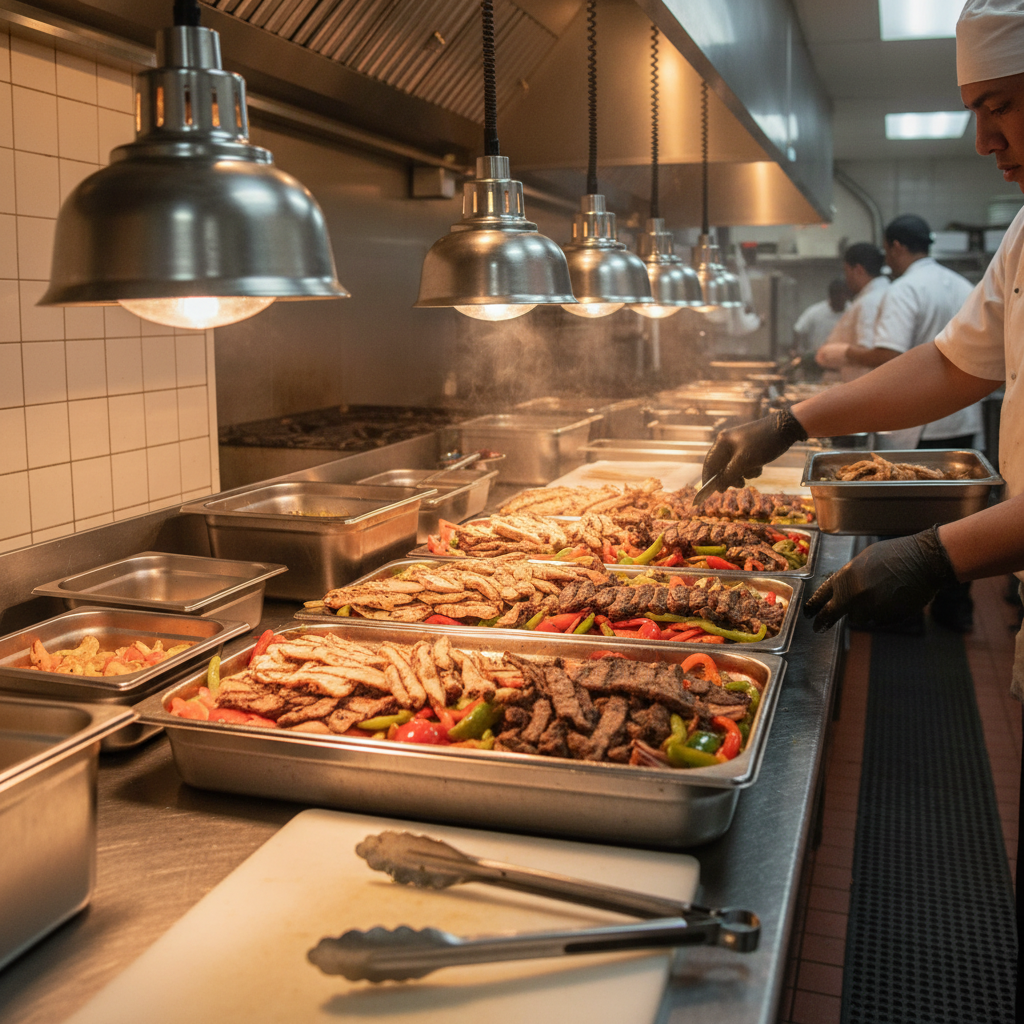
Cuts, Marinades, and Flavor Profiles
Choose thin, flavorful cuts, then match acid and aromatics to the meat. Skirt and flap excel with lime and orange; flank loves garlic-cilantro blends; chicken thighs shine with citrus and achiote. Keep salt consistent and let searing deliver the last 20% of flavor.
Best beef cuts for asada
- Skirt steak: Loose grain, fast cook, intense beefiness; ideal for 3–4 minute sears.
- Flap steak (sirloin tip): Great marbling and chew; slightly thicker than skirt.
- Flank steak: Leaner; score lightly and marinate longer for balance.
Go-to seasoning ideas
- Citrus-garlic: Lime, orange, garlic, cilantro, cumin; finish with salt post-slice if needed.
- Chile-forward: Guajillo + ancho puree with garlic and oregano; subtle smoky sweetness.
- Herb-bright: Cilantro stems, scallions, jalapeño, lime; a clean, green flavor profile.
Marinade dos and don’ts
- Do salt to 1.5–2% of meat weight to season to the center.
- Do keep marinades relatively thin so surface moisture evaporates quickly.
- Don’t over-sour with heavy vinegar; acids tenderize but can make surfaces mushy.
- Don’t add sugar early if heat is extreme; brush a touch of agave near the end if desired.
We lean on these profiles for dine-in plates and family trays. If you want the restaurant shortcut for a party, our taco bar catering packages include classic garnishes and warmers so the meat stays juicy through service.
Slicing, Resting, and Holding for Service
Rest cooked meat 5–10 minutes, then slice thin across the grain at a 30–45° bias. Hold slices warm—not hot—in covered pans. For events, stagger searing in small batches so the second pan lands just as the first is served.
Why slicing changes tenderness
- Cross-grain cuts shorten fibers, reducing chewiness without overcooking.
- Bias slicing increases surface area, enhancing saucing and garnish adhesion.
- Thinness matters: 1/8–1/4 inch slices keep bite tenderness consistent in tacos.
Holding temperature strategy
- Covered pans: Trap gentle steam; add a drizzle of warm broth or reserved marinade (boiled) to prevent drying.
- Staggered sears: Work in 2–3 pound batches for steady service.
- Tray turnover: Aim for 20–30 minute refresh cycles at events.
These are the same controls we use during rushes. When you order buffet-style Mexican catering, your trays arrive ready for this cadence with warming setups and garnishes.
Food Safety and Doneness Windows
Cook thin steaks hot and fast to a springy, medium-rare center; rest before slicing. Chicken thighs must reach doneness throughout; use a thermometer and finish indirect if needed. Clean, separate, and chill promptly to keep food safe for guests.
Beef doneness cues
- Feel: Medium-rare feels springy with slight give; juices run pink and clear.
- Visuals: Deep brown crust; interior pink fades toward edges.
- Time: Skirt/flap usually 3–4 minutes per side at true high heat.
Chicken thigh strategy
- Grill mark first: Sear on hot side; move to cooler zone to finish through.
- Juice clarity: Clear juices at the bone indicate doneness.
- Carryover: Resting finishes the last few degrees gently.
At home, consistent doneness and clean handling prevent 90% of safety issues. Keep marinades refrigerated, use clean trays for cooked meat, and don’t hold sliced meat at room temperature for long stretches.
Troubleshooting and Pro Tips
Dry slices, flare-ups, and bland results have simple fixes: pat meat dry before searing, build two zones for flare control, and season to 1.5–2% salt. Slice thinner and shorter across the grain to restore tenderness without recooking.
Common issues solved fast
- Dry meat: You overcooked or sliced too late; next time, shorten sear by 30–60 seconds and rest properly.
- Bland flavor: Increase salt to 1.5–2% and reduce marinade thickness so browning isn’t blocked.
- Flare-ups: Move to the cool zone; close lid 30 seconds to starve flames; return to sear.
- Tough slices: Cut thinner at a steeper bias; your texture will improve immediately.
Chef habits that always help
- Preheat fully: Most grills need 10–20 minutes to achieve a true sear zone.
- Batch smart: Small batches cook evenly; large piles steam and lose crust.
- Finish with acid: A squeeze of lime on sliced meat wakes up flavors without sogging the crust.
When you want guaranteed success for a big group, let us bring the grill flavors to you via Toronto taco bar catering—we follow the same playbook, scaled up.
Comparison Charts and Checklists
Use these quick-reference tables to choose gear and dial marinade strength. Pick charcoal for smoke, gas for control, plancha for crust. Keep marinades thin, well-salted, and citrus-bright for fast browning and balanced flavor.
Gear comparison
| Setup | Best For | Heat Profile | Notes |
|---|---|---|---|
| Charcoal Grill | Smoky, bold crust | Very high, uneven by design | Two-zone fire tames flare-ups; great for thin steak. |
| Gas Grill | Consistency, weeknights | High, easier to control | Preheat longer for thick grates; watch wind and ambient temps. |
| Plancha/Cast Iron | Max contact & crust | Even surface heat | Perfect for slices, fajitas, and finishing before service. |
Marinade cheat sheet
| Component | Ratio (per lb) | Purpose | Tips |
|---|---|---|---|
| Acid | 2–3 tbsp | Brighten, tenderize | Use lime/orange for classic asada; don’t overdo vinegar. |
| Oil | 1–2 tbsp | Carry spices, even browning | Neutral oils prevent burned flavors. |
| Salt | 1.5–2% of meat weight | Season to center | Weigh meat for accuracy; adjust post-slice if needed. |
| Chiles/Aromatics | To taste | Depth + aroma | Guajillo/ancho for mild warmth; chipotle for smoke. |
Local Tips for Old Toronto Hosts
Old Toronto weather shifts fast, so preheat longer, keep a covered tray handy, and plan two-zone fires. Choose nearby parks or patios with wind cover, and schedule grilling during the warmest hour for consistent searing and safer holding.
Local considerations for Old Toronto
- Backyard or park grilling near Trinity Bellwoods Park? Bring a wind shield and plan a two-zone setup for stable searing.
- Spring and fall evenings get cool; preheat 5–10 minutes longer and keep tortillas insulated to protect heat.
- For museum-area events close to Fort York National Historic Site, assign one person to slicing while another manages the fire—service stays smooth.
Don’t want to juggle fire and service? Our taco bar catering includes warmers, garnishes, and timing guidance so your guests eat hot.
Case Examples from La Rio’s Kitchen
We use the same playbook for dine-in, takeout, and catering: quick marinades, hot sears, short rests, and thin slices. Small batching and smart holding keep trays juicy—from a family pickup to a 50-person taco bar in Old Toronto.
Weeknight takeout pairings
- Grab a chicken asado burrito and add home-grilled skirt steak slices for a shareable plate.
- Combine quesadillas with a quick asada batch to turn snacks into dinner.
- Keep tortillas warm in a towel-lined pot; it boosts perceived juiciness by 10–15% in bites.
Backyard taco night
- Two-zone charcoal, skirt steak in 3–4 minute sears, rest, slice thin at a bias.
- Hold slices in a covered pan with a spoon of warm broth; refresh every 20–30 minutes.
- Serve with diced onion, cilantro, lime, and a mild-to-hot salsa trio.
Office lunch platters
- Batch-cook in 2–3 pound rounds to avoid steaming; finish slices on a plancha for even color.
- Pair with chicken asado quesadillas and chicken tacos for mixed-protein trays.
- Keep a lime half at the slicing station; a last-second squeeze brightens without sogging crust.
Frequently Asked Questions
Get quick, practical answers about Mexican grilled meat: the best cuts, marinade timing, gear choices, and how to keep slices juicy for tacos, bowls, and party trays.
What cut is best for carne asada?
Skirt steak is classic thanks to its loose grain and deep flavor. Flap steak is a close second with great marbling. Flank works well when marinated longer and sliced thin across the grain at a 30–45° bias.
How long should I marinate the meat?
For skirt or flap, 30–90 minutes is enough to season and brighten without turning mushy. Flank can go longer—up to a few hours. Keep marinades cold and relatively thin so the surface dries fast on the grill.
Charcoal or gas—what should I use?
Charcoal gives a smoky edge and aggressive browning, while gas provides consistency and easy weeknight control. Both work. Build two zones either way and preheat long enough to hit a true sear zone.
How do I keep meat juicy for a party?
Cook and slice in small batches. Hold slices covered with a light splash of warm broth. Refresh trays every 20–30 minutes. Keep tortillas warm—insulated tortillas noticeably boost perceived juiciness.
Can I use the same technique for chicken?
Yes. Favor thighs for moisture. Marinate 2–6 hours, sear for color, and finish on a cooler zone until juices run clear. Rest before slicing to keep pieces tender for tacos or bowls.
Key Takeaways
For reliable carne asada and grilled meats, marinate briefly, sear hot, rest, and slice thin across the grain. Build two heat zones, preheat fully, and keep trays covered if serving a crowd. Small, smart adjustments compound into juicy, flavorful results.
- Mexican grilled meat techniques thrive on thin cuts, bright marinade, and fast searing.
- Two-zone heat and full preheats fix most browning and flare issues.
- Resting and thin, cross-grain slices are the tenderness multipliers.
- For groups, stagger batches and hold covered to protect moisture.
- Short on time? Scale with our taco bar catering for set-it-and-enjoy ease.
Plan a Taco Night Without the Stress
Hosting in Old Toronto? Let us handle the grill flavors while you handle the guest list. Order taco bars or buffet trays built on these exact techniques—hot, juicy, and ready to serve.
Prefer to sit back and enjoy? Try our taco bar catering or buffet-style Mexican catering. If you’re cooking at home, keep this guide open and use the checklists above—then garnish with onions, cilantro, and lime for that La Rio’s finish.