Mexican Restaurant Guide: Get Better Tables in 2026
Mexican restaurant reservation tips for better tables, shorter waits, and smoother nights in Old Toronto—put them to work at La Rio’s Mexican Grill.
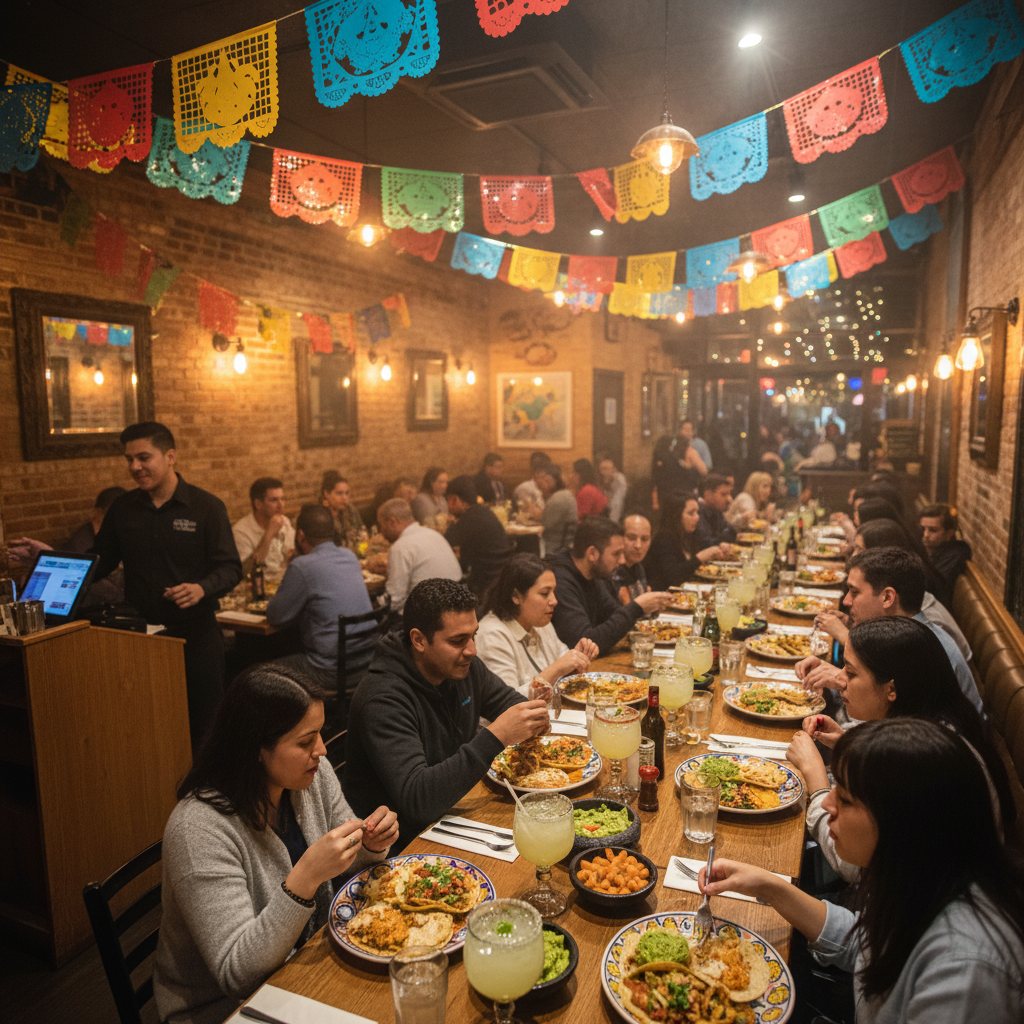
Mexican restaurant reservation tips are simple moves to secure better tables and on-time seating at La Rio’s Mexican Grill, 746 Queen Street West, Toronto. Book early, add clear notes, and keep a 10–15 minute buffer. In Old Toronto, these steps reduce weekend waits and keep your night smooth from first salsa to last bite.
By Sam Patel — Founder
Last updated: 2026-05-06
At a Glance: Better Reservations, Better Nights
Book earlier than you think, confirm politely, and arrive prepared. The best Mexican restaurant reservation tips combine timing, clear notes (dietary or seating), and flexibility. Aim for off-peak margins near the top or bottom of the hour to reduce waits and boost table choice without derailing your plans.
Before you dive into the details, here’s a quick overview of how to use this guide at La Rio’s for dine-in, takeout coordination, and even early-stage catering planning for gatherings.
- Understand how hosts manage time slots, party sizes, and notes.
- Pick the right method: online, phone, walk-in with waitlist, or bar/patio.
- Follow a four-step playbook: plan, book, confirm, adapt.
- Match tactics to the occasion: dates, families, and groups.
- Account for Old Toronto foot traffic and event surges.
- What these tips mean
- Why strategy matters here
- How reservations work behind the scenes
- Types of bookings that work
- Step-by-step to the best table
- Best practices by occasion
- Tools and resources to help
- Mini case studies
- Reservation etiquette and communication
- Timing windows: peaks and lulls
- Sync dine-in, takeout, and catering
- Accessibility and dietary requests
- Mexican restaurant reservation tips checklist
- FAQ
- Key Takeaways
- Conclusion
What Are Mexican Restaurant Reservation Tips?
Mexican restaurant reservation tips are simple, repeatable steps that improve your odds of getting the time and table you want. They focus on early booking, clear communication, and flexible backups so your meal starts on time—and your tacos arrive while you’re relaxed, not rushed.
Think of these tips as your playbook: when to book, what to say, and how to adapt if timing shifts. At La Rio’s Mexican Grill, that means knowing high-demand windows (Friday/Saturday 6:30–8:30 pm), adding dietary details in the notes, and signaling any preference for booths, bar seating, or the patio.
In our experience, noting a 10–15 minute arrival buffer helps the host stand pace the room. For tables of 2–4, that cushion often means you’ll be seated close to your requested time; for tables of 6–8, it can be the difference between a short lobby pause and immediate seating.
Why Reservation Strategy Matters
A strong reservation strategy reduces waits, secures better seating, and makes service smoother. In Old Toronto’s busy dining scene, prime windows fill quickly. Clear notes and punctuality help teams pace the kitchen and host stand, leading to faster seating and a more relaxed, flavorful meal.
For families and groups, a few details—stroller space, high chair count, or wheelchair accessibility—can change the entire night. Sharing those needs during booking lets the team stage the right table and sequence your service. It also helps the kitchen time salsas, shareables, and grilled specials so nothing feels rushed or delayed.
Good planning also unlocks options. If your request includes “open to bar seating,” you can often shave 10–20 minutes off a prime-time wait. If you mention “patio if available,” you’ll be first in line when weather cooperates and the outdoor seats turn over.
How Restaurant Reservations Actually Work
Behind the scenes, hosts juggle time slots, party sizes, and table turns. Notes you add—like allergies or patio preference—feed that system. The more precise your info, the easier it is to seat you on time and minimize waitlist risk during peak Mexican dining hours.
Most casual restaurants blend online requests, phone confirmations, and a dynamic waitlist. The host considers your headcount, expected dining duration (often 75–105 minutes for 2–4 people), and any special accommodations. That internal pacing governs when appetizers hit the pass and when grills fire for mains.
Accuracy matters. If your four-top becomes six 30 minutes before arrival, a quick call helps the team reshuffle. If you’ll be 10 minutes late, a heads-up protects your place in the flow and prevents a chain reaction of delays for the guests after you.
Reservation Types and Approaches
There are four reliable paths: online booking, phone reservations, walk-ins with waitlist, and bar/patio seating. Each has trade-offs. Use online for speed, phone for nuance, waitlists for spontaneity, and bar/patio for flexibility and faster seating during the rush.
Online booking
- Speed: Quick visibility into open times and party sizes.
- Notes: Add seating preferences and dietary considerations once, then reuse.
- Best for: Dates and small groups who value certainty (2–4 guests).
Phone reservations
- Nuance: Explain stroller space, high chairs, or accessibility needs clearly.
- Host insight: Ask about patio, bar seats, or quieter corners before you commit.
- Best for: Families and groups with specific requests (5–8 guests).
Walk-ins + waitlist
- Spontaneity: Great if you’re nearby and flexible with seat type.
- Timing: Arrive slightly before the hour for better odds of quicker seating.
- Best for: Couples or duos open to bar seating or patio high-tops.
Bar and patio seating
- Often faster: Turnover can be quicker than dining room tables in peak windows.
- Social: Ideal for shareable appetizers and drink-forward nights.
- Best for: 2–3 guests comfortable with high-tops or outdoor ambiance.
Step-by-Step: Book the Best Table
Pick your time window, add precise notes, confirm, and arrive with a buffer. If plans shift, update the host early. A simple four-step flow—plan, book, confirm, and adapt—protects your night and keeps tacos, fajitas, and grill specials coming out on time.
- Plan the window: Choose a 60–90 minute dining block (90–120 for 6–8 guests). Identify first and second-choice times.
- Book with notes: Include allergies, stroller space, accessibility, and preference (booth, bar, patio).
- Confirm politely: A same-day check-in message (3–4 hours ahead) aligns the host stand.
- Adapt on arrival: Be open to bar or patio for faster seating if the room is peaking.
| Method | Speed | Control | Flexibility | Best For |
|---|---|---|---|---|
| Online | High | Medium | Medium | Dates, small groups |
| Phone | Medium | High (nuance) | Medium | Families, special requests |
| Walk-in | Variable | Low | High | Spontaneous diners |
| Bar/Patio | High | Medium | High | Duos, social nights |
Coordinating pickups? If you plan to grab takeout for a friend after dinner, align your pickup time with your expected table turn. Our online menu helps you time that handoff without waiting around.
Best Practices for Different Occasions
Match your approach to the occasion. Dates need certainty and ambiance; families need space and pacing; groups need coordination. Clear notes, smart timing, and a backup seat type keep each scenario smooth—so the focus stays on flavor, not logistics.
For date nights
- Book early evening or late prime to avoid crowded peaks (arrive 5–10 minutes early).
- Request a quieter corner or patio table if weather permits; mention “no drafts.”
- Add a note for shareable appetizers to pace the kitchen and set the tone.
For families
- Mention high chairs, stroller space, or allergy info; ask for a booth for comfort.
- Target early dinner (5:00–6:00 pm) to reduce wait and improve table options.
- Consider share-friendly mains and sides to simplify ordering.
For groups
- Choose a firm headcount and designate a point person for the host to contact.
- Consider family-style platters; see our buffet-style Mexican catering ideas for inspiration.
- Confirm 24 hours ahead and arrive as a full party to prevent seating delays.
Local considerations for Old Toronto
- Weekend foot traffic near Trinity Bellwoods Park can spike walk-in demand—reserve earlier.
- Patio plans? Check the forecast and have an indoor fallback during colder months.
- Neighborhood events may tighten parking; plan 10 extra minutes for arrival.
Tools and Resources That Help
Use a calendar, reservation platform, and reminder system. Add your notes once and reuse them. For allergies and accessibility, keep a simple checklist so you never forget crucial details during booking or check-in.
- Calendar blocks: Hold a 15-minute arrival buffer so you’re not rushing.
- Reservation apps: Get quick visibility into open slots and push notifications.
- Shared notes: Save recurring needs (high chair, booth, patio) for one-tap reuse.
- Allergy checklist: Keep specifics handy to share accurately with the host.
Coordinating office dining? For broader planning ideas, you can review a local corporate catering overview or browse a regional Mexican/Latin sample menu to spark ideas for group-friendly spreads. Examples include a corporate catering guide and a concise Mexican & Latin menu sampler that can inspire family-style ordering notes.
Mini Case Studies: Putting It Into Practice
Concrete planning beats wishful thinking. These brief scenarios show how clear notes, smart timing, and flexibility turn potential waits into smooth, flavorful nights at a casual Mexican grill.
Birthday dinner for six
- Plan: Two weeks out, select early prime; add booth preference and allergy note.
- Notes: Discreet cake handoff and one vegan guest—mention both for staging.
- Result: Staged table, paced shareables, relaxed celebration without delays.
Family taco night
- Plan: Book early evening; mention two high chairs and stroller space.
- Notes: Peanut and dairy allergies; booth request to keep kids comfy.
- Result: Quick seating, confident ordering, steady meal pace.
Date night on Friday
- Plan: Choose late prime; arrive five minutes early and request a quieter table.
- Notes: Shareable appetizer to start; patio preferred if the weather is warm.
- Result: Minimal wait, great ambiance, unhurried meal.
For group inspiration, our taco bar catering ideas can help you visualize platters and sides that translate well to large tables. If you’re moving toward a private event, scan our core catering overview to align timelines and headcounts.
Reservation Etiquette and Communication
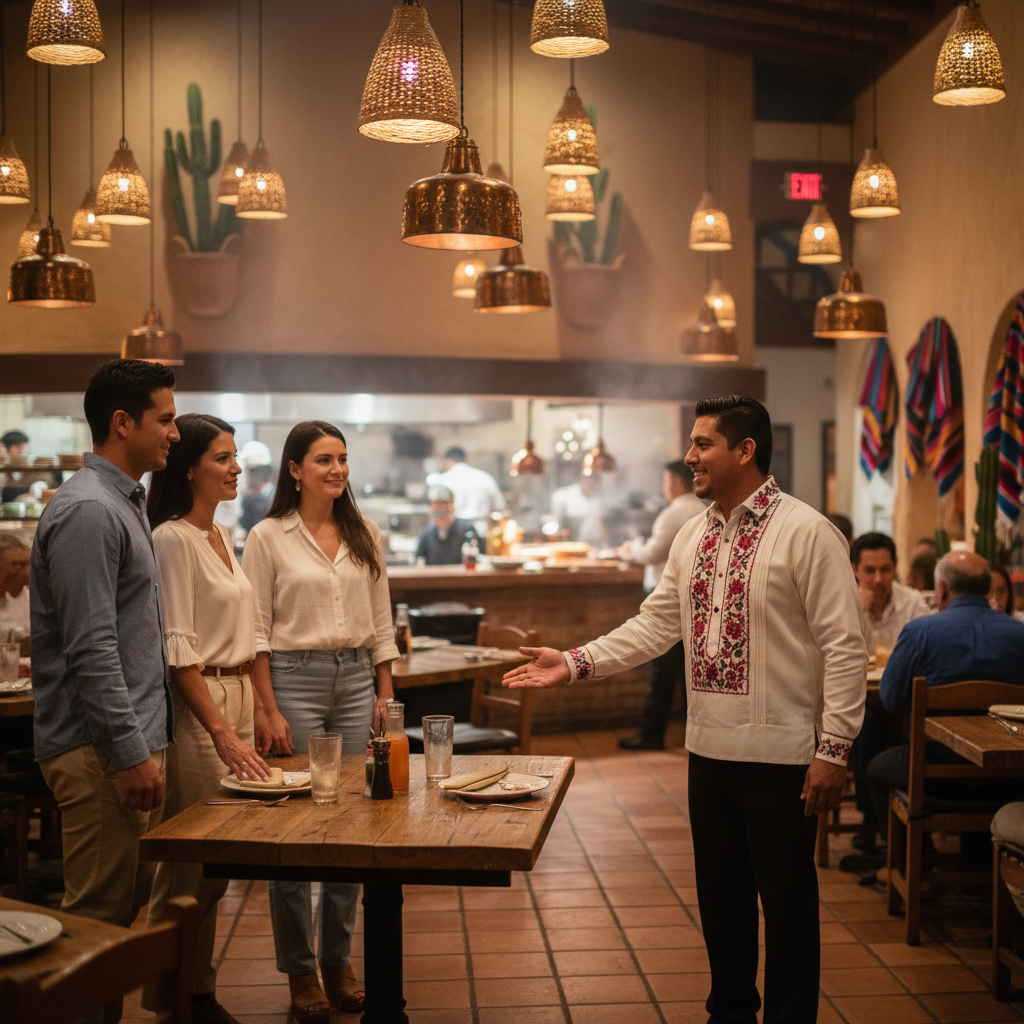
Be clear, be kind, and keep the host updated. Concise notes, a quick same-day confirmation, and prompt arrival signal reliability. If your plans shift, notify the team early so they can reseat efficiently and protect your place in the flow.
Etiquette is operational. Hosts track dozens of details per hour—when you communicate well, your table benefits. Great notes look like this: “2 adults, 1 toddler, high chair, booth preferred, dairy allergy, patio okay.” That one line saves multiple back-and-forths and helps the kitchen time dishes.
- Confirm 3–4 hours before your slot if it’s a weekend prime time.
- Arrive within a 10–15 minute window of your time to keep pacing intact.
- Update the host immediately if your headcount or ETA changes.
- Respect the next seating; if you plan a long evening, request a slower pace.
Timing Windows: Peaks and Off-Peaks
Peaks cluster around Friday and Saturday 6:30–8:30 pm. Off-peak edges—early evening and late prime—offer better odds of immediate seating. A 5–10 minute head start at the host stand can move you ahead of walk-in waves on busy nights in Toronto.
We’ve found that early evening (5:00–6:00 pm) works beautifully for families. Late prime (after 8:15 pm) suits dates who want a quieter room. Midweek nights typically run smoother for groups of 6–8, especially if you request booths or adjacent tables for shared platters.
- Early evening: 5:00–6:00 pm (family-friendly, lower noise).
- Prime: 6:30–8:30 pm (highest demand, best to pre-book).
- Late prime: 8:15–9:30 pm (cozier vibe, faster bar/patio turns).
Want to align a group order with your table’s timing? Review our individually packaged catering format to see how shared and individual mains can be staged without slowing the evening.
Coordinating Dine-In, Takeout, and Catering
Sync your dine-in schedule, any post-meal takeout pickup, and future catering chats. A single plan—arrival, table turn, and a brief host check-in—keeps everything on track without extra waits or missed handoffs.
If you’re exploring a future event, ask for a two-minute check-in during dessert. That’s the perfect time to note headcount ranges (20–40, 50–75), serving style, and tentative dates. Our catering overview and request-a-quote form make next steps straightforward.
- Dine-in to-go sync: Place a small to-go add-on 20–30 minutes before you expect to leave.
- Event scoping: Share headcount bands and seating style you liked (booth vs. banquettes).
- Serving style: For large tables, preview buffet-style options to keep pacing smooth.
Looking for additional planning ideas for workplace teams? This regional story on feeding crews efficiently offers practical timing insights you can adapt to group nights out: feeding teams efficiently.
Accessibility and Dietary Requests
Share accessibility and dietary needs in your initial request. Mention wheelchairs, high chairs, stroller space, or allergies succinctly. Clear notes let the team stage the right table and pace the kitchen so your night feels thoughtful and unhurried.
Good notes are specific but short: “1 wheelchair, aisle access,” or “peanut, dairy allergies.” If you’re booking for a mixed group, flag vegan/vegetarian preferences and any guests who prefer milder spice. That information supports the kitchen in sequencing salsas and grills without surprises.
- Seating: Booth vs. table, aisle clearance, and proximity to restrooms.
- Mobility: Space for wheelchairs or strollers; request minimal obstructions.
- Diet: Note allergens and heat tolerance so staff can guide choices.
Mexican Restaurant Reservation Tips Checklist
For faster seating and better tables, book early, include precise notes, and keep a 10–15 minute arrival buffer. Stay flexible on seat type—booth, bar, or patio—and confirm politely on busy nights. Small steps like these consistently shorten waits and smooth your meal.
- Lead time: reserve several days ahead for Friday/Saturday prime windows.
- Arrival: 10–15 minute buffer protects your place in the flow.
- Notes: allergies, stroller space, accessibility, and seat preference.
- Backup: open to bar or patio seating when the room is peaking.
- Confirm: same-day check-in 3–4 hours before your slot.
Frequently Asked Questions
Most questions center on timing, party size, and special requests. Book early for weekends, include precise notes, and arrive with a small buffer. If plans change, update the host quickly to keep seating smooth for everyone.
When should I make a reservation for a weekend dinner?
As early as you can once plans firm up. For popular Friday and Saturday windows, booking at least several days in advance helps. Include any seating or dietary notes so the host can stage the best table for your party.
What details should I add to my reservation?
Add headcount, stroller or wheelchair needs, high chairs, and any allergies. If you prefer a booth, bar, or patio, say so. Clear notes help the host plan seating and pace the kitchen so your meal flows.
Is bar seating usually faster?
Often, yes. Bar and patio seats can turn faster than dining room tables, especially for duos. If you’re flexible on seat type, your wait time may drop during peak hours.
What if my group changes size last minute?
Message the host stand as soon as possible. A quick update allows the team to reseat or re-stage tables. Arriving as a complete party helps keep seating smooth for your group and others.
Key Takeaways
Book early, share clear notes, and stay flexible. Those three moves secure better times and smoother service, especially on busy nights. A small arrival buffer is your insurance policy for great tacos without the wait.
- Early plans win prime times; a buffer protects your night.
- Notes about seating, allergies, and space needs guide hosts.
- Flexibility (bar/patio) can trim waits during peak windows.
- Confirm politely—3–4 hours ahead improves pacing.
Conclusion
Great reservations aren’t luck—they’re planned. Choose your window, communicate needs, and stay flexible. Do that, and your Mexican grill night runs on time, with flavor front and center.
Use these Mexican restaurant reservation tips at La Rio’s Mexican Grill to make dine-in seamless, sync takeout pickups with your table’s timing, and coordinate catering discussions without guesswork. When the plan is clear, the only surprise is how easy dinner feels. If you’re exploring an event, start with our catering overview and send details via the quote request form.