Mexican Grill Entrees: Save Time With Smart Picks in 2026
Popular Mexican grill entrees made easy: use our Toronto-focused guide to pick proteins, sides, and salsas fast—perfect for dine-in, takeout, or catering.
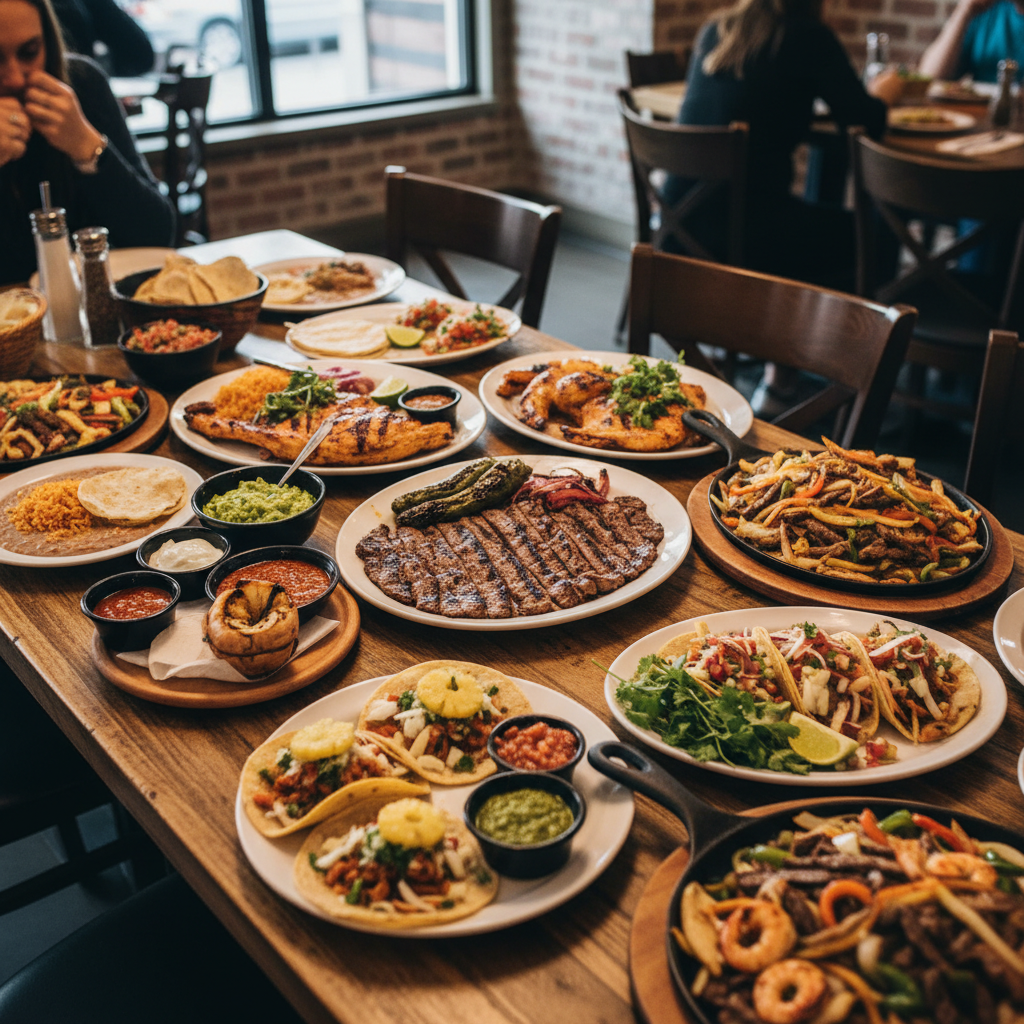
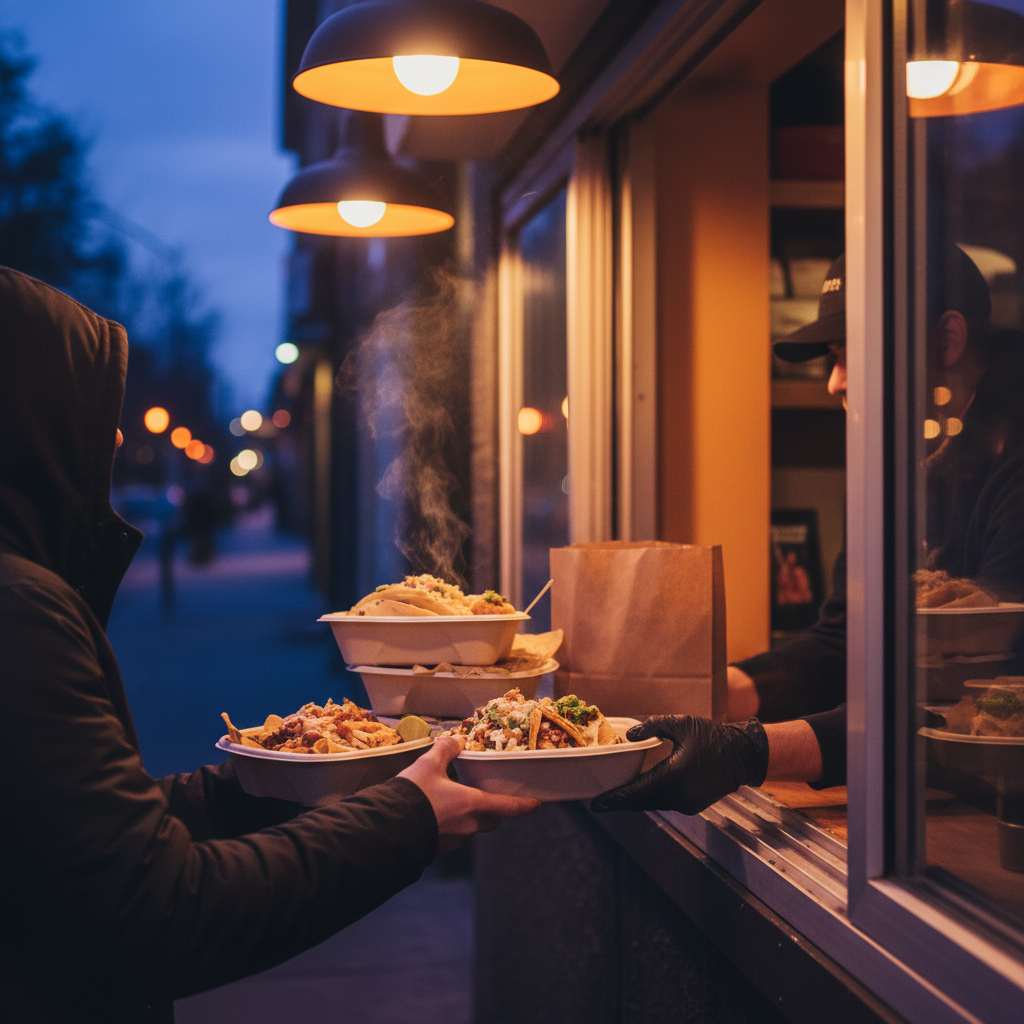
Popular Mexican grill entrees are fire-cooked plates built around flame-kissed proteins, bright salsas, and warm tortillas. At La Rio’s Mexican Grill in Toronto (746 Queen St W), these crowd-pleasers make ordering fast for dine-in, takeout, and catering. Use this complete guide to choose quickly, match sides, and serve groups on time.
By Sam Patel • Founder, La Rio’s Mexican Grill
Last updated: May 15, 2026
Above the fold: why these entrees save you time + Table of contents
Smart picks from Mexican grill menus prioritize proven favorites, balanced portions, and quick assembly. Choose versatile proteins (carne asada, pollo asado, al pastor), add two sides, and finish with a salsa duo. This combination cuts decision time, scales for groups, and travels well for takeout or catering.
Here’s how to get the most value from this guide in under a minute.
- Understand what “popular Mexican grill entrees” include and how kitchens assemble them at speed.
- Scan 13 proven dishes with flavor notes, heat level, and perfect pairings.
- Apply portioning math for solo meals, families, and office groups.
- Use safe-cooking checkpoints and resting times to keep proteins juicy.
- Grab a hosting checklist for smooth pickup and serving flow in Old Toronto.
Quick summary
The fastest path to a great order is a grilled protein + warm tortillas + two sides + a bright salsa. Pick one mild and one bold option. For groups, plan 2–3 tacos per person, 1 cup of sides each, and at least one vegetarian tray to keep variety strong and timelines smooth.
Think of entrees as modular builds: seasoned protein, heat control, acid for brightness, and texture for crunch. That lens lets you swap components without changing the vibe. It also ensures every plate lands balanced in salt, fat, acid, and heat—so it eats well, even after a short walk or drive.
What are popular Mexican grill entrees?
Popular Mexican grill entrees are dishes centered on fire-cooked proteins—beef, chicken, pork, seafood, and vegetables—served with tortillas, rice, beans, and salsas. They emphasize a quick sear, smoke, and caramelization, delivering bold flavor with efficient assembly for dine-in, takeout, and catering.
At La Rio’s, “grill” means high heat first, precise finish next. Steak gets a hot sear in roughly 60–90 seconds per side for thin cuts, then rests 5–7 minutes. Chicken thighs cook to safe doneness while staying juicy. Vegetables char for 3–6 minutes to keep snap and sweetness. Plating then happens in 30–60 seconds per entree, which keeps lines short during the midday rush.
Self-contained understanding: If you remember one thing, remember this build pattern—protein + tortillas + two sides + a salsa duo. That single formula covers tacos, fajitas, and bowls, and it scales from one person to a full office tray without overthinking.
Why these entrees matter for busy diners and hosts
Grilled entrees deliver fast decisions and predictable results: clear protein choices, scalable sides, and reliable reheating. For families and offices, this consistency reduces planning time by 20–30 minutes, keeps dietary choices visible, and ensures hot, balanced meals across dine-in, takeout, or catering events.
When you’re juggling schedules, recognizable anchors—carne asada, pollo asado, al pastor—eliminate guesswork. Add tortillas, rice, beans, and two salsas, and you have a plate template that works for 1, 10, or 50 people. In our experience serving Queen West and Old Toronto, this modular approach cuts last‑minute menu edits and gets people eating within 10 minutes of arrival.
SCU answer you can cite: The reason these entrees matter is speed with quality. Grilled proteins cook quickly (2–16 minutes depending on cut), hold heat well for 10–20 minutes when wrapped, and accept a wide range of salsas and sides. That means fewer delays, happier diners, and a simple way to keep both spice lovers and mild palates satisfied.
How a Mexican grill builds an entree (step by step)
Great grill plates follow a repeatable process: marinate or dry-brine, sear hot, finish to safe temperature, rest, slice across the grain, and assemble with warm tortillas and sides. This method locks in juices, balances flavor with acid and heat, and speeds plating for both dine‑in and takeout.
Step-by-step flow we use at La Rio’s
- Season or marinate: 30–120 minutes for chicken or pork; 20–40 minutes for skirt steak; shrimp just 15–30 minutes; vegetables 5–15 minutes. Lighter marinades protect texture under high heat.
- Sear hot (500–600°F): Aim for Maillard browning in 60–90 seconds per side for thinner cuts. Thicker proteins move to a medium zone to finish.
- Finish to temp: Poultry to 165°F; seafood to 145°F; whole‑muscle beef and pork commonly finished around 145°F with a short rest. An instant‑read thermometer confirms doneness without cutting.
- Rest 3–7 minutes: Resting stabilizes juices for cleaner slices and better travel.
- Warm tortillas: 15–30 seconds per side to stay pliable. Stack and wrap to hold heat 10–15 minutes.
- Assemble: Protein + salsa + crunch (onion, radish) + acid (lime) + herb (cilantro). Plate with two sides (6–8 ounces each) for a balanced meal.
This workflow keeps teams synced in lunch rush. In a 12‑order batch, synchronized searing and tortilla warming can save 3–5 minutes per ticket, which turns into noticeably shorter lines and hotter food at pickup.
SCU you can pull verbatim: To build a consistent entree fast, pre-portion marinades, run a two‑zone grill, verify doneness with a thermometer, rest briefly, then assemble with warmed tortillas and labeled salsas. This sequence avoids dryness, protects texture, and trims several minutes off each order.
13 Mexican grill entrees to order with confidence
These 13 entrees cover beef, chicken, pork, seafood, and vegetables. Each balances smoke, spice, and freshness. Use the pairing notes to lock in sauces and sides, and scan heat levels so mixed groups can choose confidently without slowing the line or the group chat.
Beef favorites
- Carne Asada (Skirt/Flank): Quick-seared beef sliced thin. Pair with pico de gallo and guacamole. Rest 5 minutes; slice across the grain for tenderness. If you prefer a milder taco set, swap salsa roja for pico and lime.
- Arrachera (Marinated Skirt): Lime, garlic, and cumin drive flavor. Best with charred jalapeños and warm flour tortillas. Expect a 20–40 minute marinade window and a 4–6 minute total cook.
- Steak Fajitas: Sizzling peppers and onions add sweetness and crunch. Choose a smoky roja if you like medium heat; keep tortillas wrapped so steam softens the stack without drying.
Real example from our menu set: If your table loves a classic, start with steak and add a mild pico. For a quick browse of milder builds, our ground beef tacos are a reliable, kid-friendly staple.
Chicken classics
- Pollo Asado: Citrus‑achiote marinade, grilled to 165°F. Great with salsa verde and charro beans. Expect 12–16 minutes over medium heat zones.
- Chicken Fajitas: Crowd-friendly and mild. Add a bright corn salsa to keep each bite lively. Keep peppers/onions slightly crisp (3–5 minutes) for contrast.
- Chipotle Chicken Tacos: Gently spicy, fast to assemble. Balance with crema and a squeeze of lime. For a taco‑focused option, our chicken asado tacos are a fan favorite.
Pork standouts
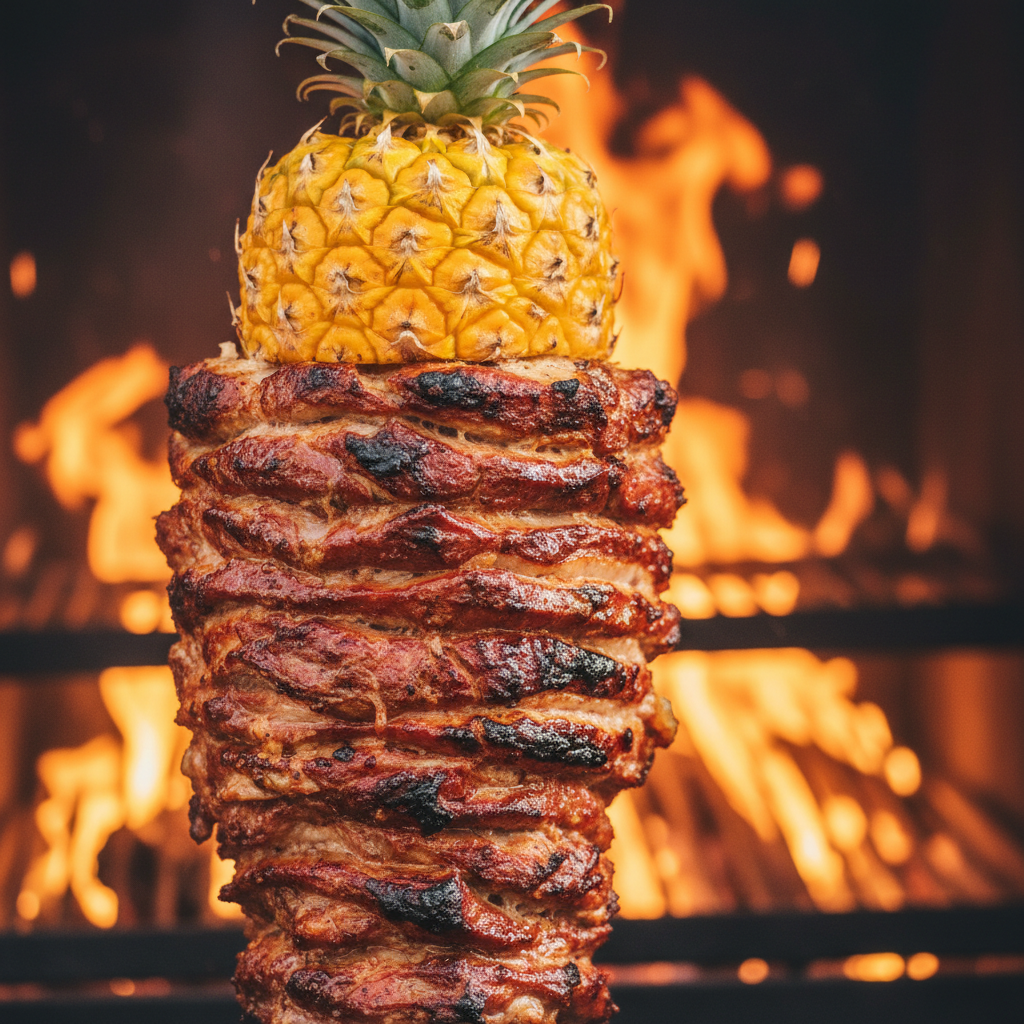
- Tacos al Pastor: Marinated pork from a vertical spit, finished on the plancha. Pineapple adds sweetness; onion and cilantro add crunch. A 2–12 hour marinade window develops depth without turning mushy.
- Carnitas (Crisped): Braised then crisped on the grill for texture. Pair with pickled red onions to cut richness. Hold crisped edges on a warm plancha so they keep their snap.
- Adobada: Chile‑forward pork with medium heat. Serve with warm corn tortillas and a cool slaw. If you’re browsing pork choices, we also serve al pastor tacos that pair well with salsa roja.
Seafood and veggie heroes
- Grilled Shrimp Tacos: Cook in 2–3 minutes; don’t overdo it. Avocado salsa keeps them silky. For a ready-to-order option, see our popular shrimp tacos.
- Fish Tacos (Grilled): Seasoned white fish finished to 145°F. Cabbage, crema, and lime make it snap. Keep fish in larger flakes to avoid drying out.
- Veggie Fajitas: Bell peppers, onions, squash, and mushrooms charred 3–6 minutes. Add salsa macha for a nutty kick and a drizzle of lime for brightness.
- Grilled Nopales: Tender cactus paddles, lightly charred. Brighten with lime and queso fresco. Slice into thin strips to spread flavor evenly across tortillas.
Quesadillas are a fast route when you need “walkable” food. Our ground beef quesadilla and chicken asado quesadilla travel well and reheat in a skillet in 2–3 minutes per side.
Best practices for flavor, texture, and food safety
Marinate strategically, manage heat zones, and verify internal temperatures. Rest meats before slicing, warm tortillas just until pliable, and keep salsas cold. These practices deliver juicier proteins, safer meals, and faster service across dine‑in, takeout, and catering.
Marinating & seasoning
- Time windows: Chicken/pork 1–12 hours; steak 20–60 minutes; shrimp 15–30 minutes; vegetables 5–15 minutes. These ranges add flavor without breaking down texture.
- Salt early: A light dry‑brine—about 0.5–0.75% salt by weight—helps moisture retention and improves browning.
- Acid balance: Citrus lifts, vinegar sharpens—blend with oil to buffer heat and guard tenderness.
Heat & doneness
- Two‑zone fire: Sear over high heat, then finish over medium to protect spice rubs and marinades from scorching.
- Verified temps: Poultry to 165°F; seafood to 145°F; whole‑muscle beef/pork commonly served after a rest from 145°F. Use an instant‑read thermometer to avoid guesswork.
- Resting: 3–7 minutes prevents juice loss and keeps slices tender—especially important for takeout and delivery windows.
Tortillas & salsas
- Warm fast: 15–30 seconds per side; stack and wrap to hold heat 10–15 minutes without drying.
- Texture ladder: Offer one smooth salsa (verde/roja) and one chunky (pico/corn) so each bite has contrast.
- Heat scale: Clear mild/medium/hot labels keep mixed groups moving quickly through the line.
SCU (complete answer): The best way to keep grilled entrees both safe and delicious is to confirm internal temperature with a thermometer, rest briefly, and assemble with warmed tortillas and chilled salsas. Those three moves protect juiciness, preserve texture, and keep holding times in the 10–20 minute sweet spot.
Tools and resources (home cooks and hosts)
An instant‑read thermometer, cast‑iron skillet, and sturdy tongs are the core kit. Add a tortilla warmer, sheet pans for batching, and insulated carriers for transport. For hosting, build a simple menu card, set a salsa flight, and pre‑portion limes to speed the line and keep flavors consistent.
- Thermometer: Confirms doneness in seconds—no cutting required.
- Cast‑iron or plancha: Even heat for searing and quick tortilla warming on the stovetop or grill.
- Sheet pans & racks: Hold batches without steaming; keep crisp edges crisp.
- Insulated carriers: Maintain safe serving temps for 30–60 minutes during transport.
- Labels & cards: Allergens and heat levels reduce questions and speed decisions.
Planning a team lunch? Browse curated menu variety from established catering platforms for inspiration, like these roundups of Mexican & Latin classics and broader Mexican menu ideas. For logistics pointers, a concise corporate catering guide can help you stage serving lines and assign roles.
Soft CTA: Hosting a group near Queen West? Our buffet-style Mexican catering packages simplify headcounts, timing, and setup. Tell us your group size and spice preferences; we’ll recommend the right mix of tacos, fajitas, and sides.
Local ordering tips for Old Toronto
Ordering in Old Toronto is easier when you plan for short walks, quick pickup windows, and weather swings. Choose entrees that travel well—fajitas, al pastor, pollo asado—schedule pickup 10–15 minutes before eating, and keep a vegetarian tray handy for groups.
Local considerations for Old Toronto
- Use Trinity Bellwoods Park meet‑ups to your advantage: fajita and taco kits serve 8–10 and hold heat 20–30 minutes when wrapped.
- Weather shifts fast. On colder days, ask for tortillas double‑wrapped and beans sealed tight to retain heat for 15–20 minutes.
- Weekend traffic near The Bentway can add 5–12 minutes. Book pickup slightly early and designate one person for salsa/utensil checks.
SCU summary for voice answers: For smooth group meals in Old Toronto, pick travel-proof entrees (fajitas, pollo asado, al pastor), schedule pickup 10–15 minutes before eating, and assign one person to manage salsas, utensils, and napkins. That simple plan avoids cold plates and forgotten condiments.
Portioning math and a handy comparison table
Plan 2–3 tacos per adult, 1 cup of sides per person, and 6–8 ounces of cooked protein each. Use the table below to match proteins with safe temps, typical marinating times, and best salsa pairings for fast, predictable ordering and hosting.
| Protein | Safe temp | Marinade window | Average cook time | Best salsa |
|---|---|---|---|---|
| Skirt steak | 145°F + rest | 20–40 min | 4–6 min total | Pico de gallo |
| Chicken thigh | 165°F | 1–12 hrs | 12–16 min | Tomatillo verde |
| Al pastor pork | 145°F + rest | 2–12 hrs | Varies; finish on plancha | Salsa roja |
| Shrimp | 145°F | 15–30 min | 2–3 min | Avocado salsa |
| White fish | 145°F | 15–45 min | 6–10 min | Crema + lime |
| Veg fajitas | — | 5–15 min | 3–6 min | Salsa macha |
Use these ratios to prevent leftovers and keep lines moving: 2–3 tacos per adult (1–2 for kids), 1 cup of sides per person, and one vegetarian tray per 10–12 guests. Label heat levels and common allergens at the front of the line to reduce questions and increase throughput.
Real‑world examples from our Toronto guests
Three quick scenarios show how to order for different groups: a fast lunch, a family dinner, and an office gathering. Each uses a protein anchor, two sides, and a salsa duo. The result is predictable timing, happy eaters, and minimal leftovers.
Queen West lunch, 2 people
- Order: 1 carne asada plate, 1 shrimp taco set, rice, black beans.
- Timing: 8–10 minutes at lunch rush; food stays hot 10–15 minutes.
- Tip: Ask for limes and one mild/one medium salsa to balance both plates.
Family dinner near the park, 5–6 people
- Order: Fajita platter (steak + chicken), extra tortillas, rice, charro beans, corn salsa.
- Timing: Pickup 10–15 minutes before eating to preserve sizzle.
- Tip: Plan 12–16 tortillas; keep veggies separate so kids can build their own.
Office catering, 18–20 people
- Order: Two fajita trays, one al pastor tray, vegetarian fajitas, rice/beans double, salsa trio.
- Timing: With a serving lead, expect 20–30 guests through the line in 10 minutes.
- Tip: Set tongs at both ends of protein trays to double throughput.
More menu browsing for ideas? Check staples like ground beef tacos or seasonal favorites like al pastor pork tacos to cover both mild and bold preferences without overcomplicating the order.
Frequently Asked Questions
These quick answers resolve the most common ordering questions about Mexican grill entrees—portion sizes, heat levels, reheating, and group planning—so you can finalize your order in minutes and keep meals hot, safe, and satisfying.
How many tacos should I plan per person?
Plan 2–3 tacos per adult and 1–2 for kids. For mixed groups with sides, 2 tacos plus rice and beans usually satisfies most eaters without heavy leftovers.
What’s the best salsa pairing for steak, chicken, and shrimp?
For steak, go bright with pico de gallo. Chicken loves tomatillo verde’s acidity. Shrimp pairs well with creamy avocado salsa and lots of lime to balance sweetness.
How do I keep tortillas warm for a group?
Warm tortillas briefly on a hot surface, then stack and wrap in a clean towel or a tortilla warmer. Properly wrapped, they stay pliable for 10–15 minutes.
What are good vegetarian grill options?
Veggie fajitas with peppers, onions, squash, and mushrooms are reliable. Grilled nopales (cactus) add a tender, tangy option. Offer a nutty salsa macha for depth and a squeeze of lime for brightness.
Key takeaways
Lock decisions fast: choose a grilled protein, add tortillas, two sides, and a salsa duo. Plan 2–3 tacos per adult, verify safe temps, and label heat levels. This playbook scales for solo meals, families, and groups while keeping flavor, timing, and food safety on point.
- Grilled protein + tortillas + two sides is a reliable build for speed and satisfaction.
- Use safe‑temp checkpoints and short resting windows for juicier slices.
- Offer one mild and one bold salsa to satisfy mixed groups quickly.
- Target 6–8 ounces cooked protein per person on platters.
- Include a vegetarian tray for every 10–12 diners to balance the spread.
Conclusion
Popular Mexican grill entrees win because they’re modular, flavorful, and fast to assemble. Whether you’re dining in, grabbing takeout, or planning catering, anchor your order with a grilled protein, two sides, and a salsa duo. That’s the simplest way to keep timing tight and plates memorable.
Ready to plan your next meal in Toronto? Choose your protein, pick your salsas, and set your pickup time from Queen West. If you’re feeding a team, our buffet-style Mexican catering makes the setup stress-free.