Mexican Catering Guide: Book with Confidence in 2026
Use this Toronto-focused checklist of questions to ask before Mexican catering to plan portions, logistics, allergens, and food safety for a smooth, satisfying event.
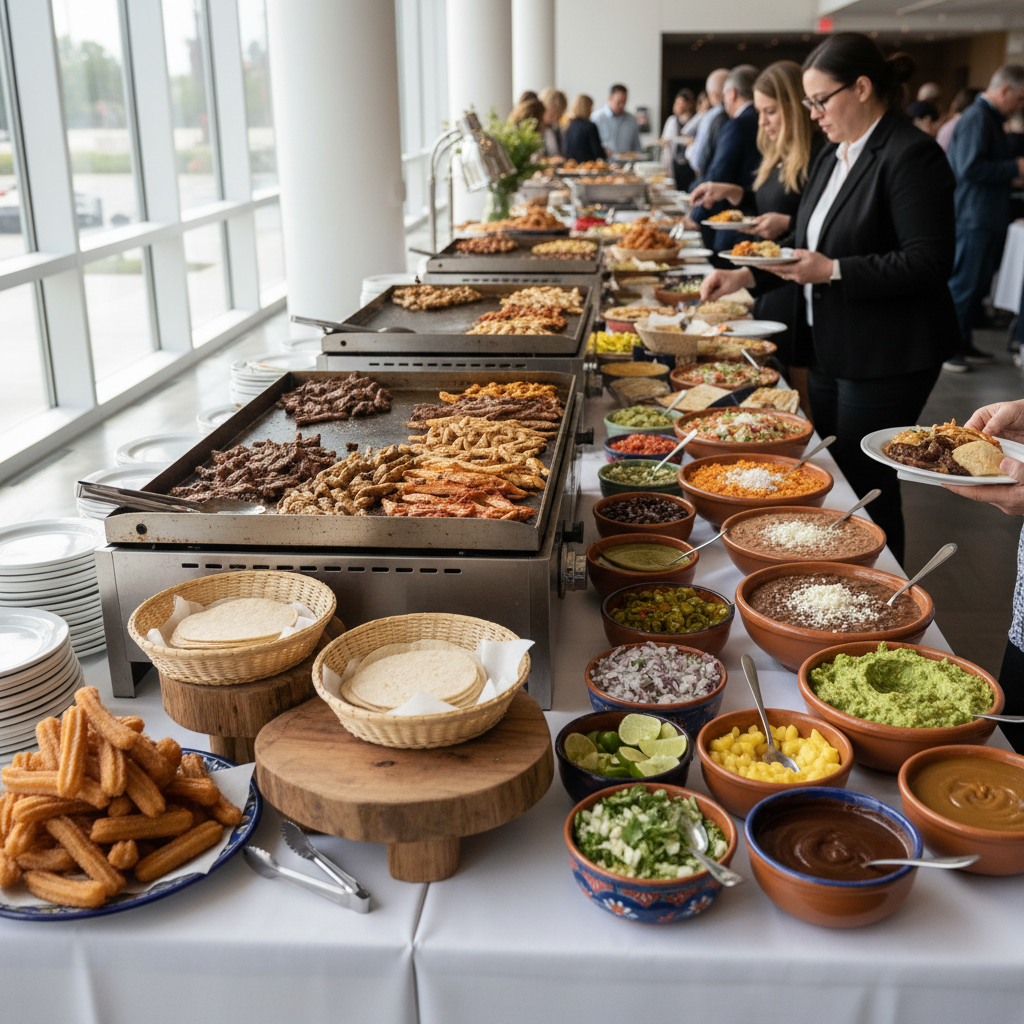
Questions to ask before Mexican catering are the essential prompts you use to confirm menu fit, dietary accommodations, staffing, timing, and food safety. At La Rio’s Mexican Grill in Old Toronto (746 Queen St W), we recommend a focused checklist so your event runs smoothly, food arrives hot, and guests rave about the experience.
By Sam Patel — Founder, La Rio’s Mexican Grill
Last updated: 2026-05-06
Quick Summary & Table of Contents
Use this practical checklist to book Mexican catering with confidence. You’ll confirm portions, timing, service style, dietary needs, and venue logistics. Jump to each section below, ask the right questions, and use our printable list to keep everyone aligned—from the first inquiry to the last tray returned.
In this complete guide, you’ll find a fast overview and deep dives you can scan in minutes:
- What this checklist covers
- Why these questions matter
- How to use the checklist with a caterer
- Service styles compared
- Essential questions to ask
- Logistics and venue rules (Old Toronto)
- Dietary needs and allergens
- Food safety and temperatures
- Tools and resources
- Case studies and examples
- FAQ
- Key Takeaways
- Conclusion & next steps
What Is a Mexican Catering Question Checklist?
A Mexican catering question checklist is a structured set of prompts you use before booking. It covers menu fit, portions, dietary needs, staffing and service style, delivery logistics, and food safety. The goal is to prevent surprises, align expectations, and ensure every tray, station, and timeline detail is locked in.
This guide is written for planners organizing office lunches, weddings, school fundraisers, and community events that want Mexican flavors without guesswork. It’s also tuned to how La Rio’s works—Dine-in, Takeout, and Catering—so you can ask us (or any caterer) the right things at the right time.
- Scope clarity: Confirm guest count, menu items, and service style to avoid scope creep.
- Experience design: Choose between a taco bar, buffet, individually packaged meals, or full service.
- Safety first: Validate safe holding and reheating procedures for hot foods and cold sides.
When you’re ready to align details with us, browse our catering overview, compare a taco bar setup, or explore individually packaged options for mixed-diet teams.
Why These Questions Matter
These questions protect guest safety, set clear service expectations, and keep your timeline on track. They translate your event goals into specific commitments—what’s served, how it’s served, when it’s served, and how it’s safely handled from kitchen to plate.
How to Use This Checklist with Your Caterer
Share your event basics first—date, headcount, venue, and service style. Then walk through menu, dietary needs, logistics, and safety. Capture answers in one document, confirm in writing, and schedule a final headcount lock-in 72 hours before the event.
Here’s an approach that works for busy admins and volunteer planners:
- Send event basics: Date, time, address, indoor/outdoor, elevator access, and onsite contacts.
- Pick a service style: Taco bar, buffet, drop‑off, or full service—then map where guests will line up.
- Finalize the menu: Confirm proteins, sides, salsas, tortillas, and vegetarian/vegan items.
- Plan labeling: Agree on dish names and allergen indicators (icons or plain‑English labels).
- Lock logistics: Arrival window, setup time, chafing gear, and cleanup details.
- Confirm the headcount: Schedule the final number 48–72 hours before service.
We keep this process simple. You can start from our Catering page and, if you already know your direction, request details through Get a quote. It’s the fastest route to aligned expectations.
Service Styles Compared: Buffet, Taco Bar, Drop-Off, Full Service
Match service style to your space, timeline, and guest flow. Taco bars and buffets maximize variety and speed. Drop-off works for simple setups. Full service adds staff to manage lines, replenish trays, and keep everything clean and safe throughout service.
Picking the right service style prevents bottlenecks and supports dietary needs. Here’s a quick comparison you can reference with your venue map.
| Service style | Best for | Pros | Considerations |
|---|---|---|---|
| Taco bar | Mixed tastes and fast service | High variety; guests build plates; easy portion control | Needs clear labeling and sneeze guards; staff to guide flow |
| Buffet | Large groups, casual events | Efficient for 50+; simple traffic pattern; classic chafers | Monitor hot holding at ≥140°F; refresh stations regularly |
| Drop-off | Meetings, tight spaces | Quick setup; minimal disruption; flexible timing | Assign a host to monitor temps and replenishment |
| Full service | Weddings, VIP, outdoors | Staff manage lines, safety, cleanup; polished look | Requires staging area and clear access for carts |
For a hands-on feel, explore our taco bar catering or classic buffet-style setup options and see which fits your floor plan and schedule.
The Essential Questions to Ask Before Mexican Catering (Printable Checklist)
Ask about portions, proteins, dietary accommodations, labeling, setup time, arrival windows, hot/cold holding, staffing, cleanup, and leftovers. Confirm who brings gear, who monitors temps, and when the final headcount locks. Document answers and share them with your venue contact.
Here’s the master list we provide planners. Copy, paste, and personalize for your event:
Menu and portions
- Which proteins are available (e.g., chicken, al pastor, beef, veggie)?
- How many tacos, ounces of protein, and sides do you recommend per adult?
- What’s the suggested ratio of corn vs. flour tortillas for mixed groups?
- Are chips, guacamole, and churros available as add‑ons?
- Can you provide kid‑friendly options without spicy salsas?
Dietary and allergens
- Which items are vegetarian, vegan, or dairy‑free by default?
- Can you prepare a gluten‑free station or separate pans?
- How are the nine major allergens identified on labels?
- Can we request separate utensils per dish to reduce cross‑contact?
- Do you offer individually packaged meals with printed labels?
Logistics and timing
- What arrival window do you propose, and how long does setup take?
- Do you bring chafers, fuel, serving utensils, and sneeze guards?
- What access do you need (loading dock, elevator, parking)?
- Who monitors hot/cold holding once service begins?
- What’s your plan if the event runs 30 minutes late?
Service style and staffing
- For a taco bar, how many staff do you recommend for 75–150 guests?
- Will staff portion proteins to manage lines and reduce waste?
- Who refreshes trays and wipes serving surfaces during service?
- What’s the crew’s uniform or presentation standard?
- How will you manage trash and recycling during/after service?
Safety and cleanup
- How do you ensure hot foods stay at or above 140°F?
- How are cold items kept at or below 40°F?
- Do you provide labeled allergen cards and ingredient lists on request?
- What’s your procedure for leftovers and safe reheating guidance?
- Who handles breakdown, and when do you retrieve gear?
If you prefer a conversation starter instead of a form, share this link to our Catering overview and ask us to walk through each checklist item together.
Logistics, Delivery, and Venue Rules in Old Toronto
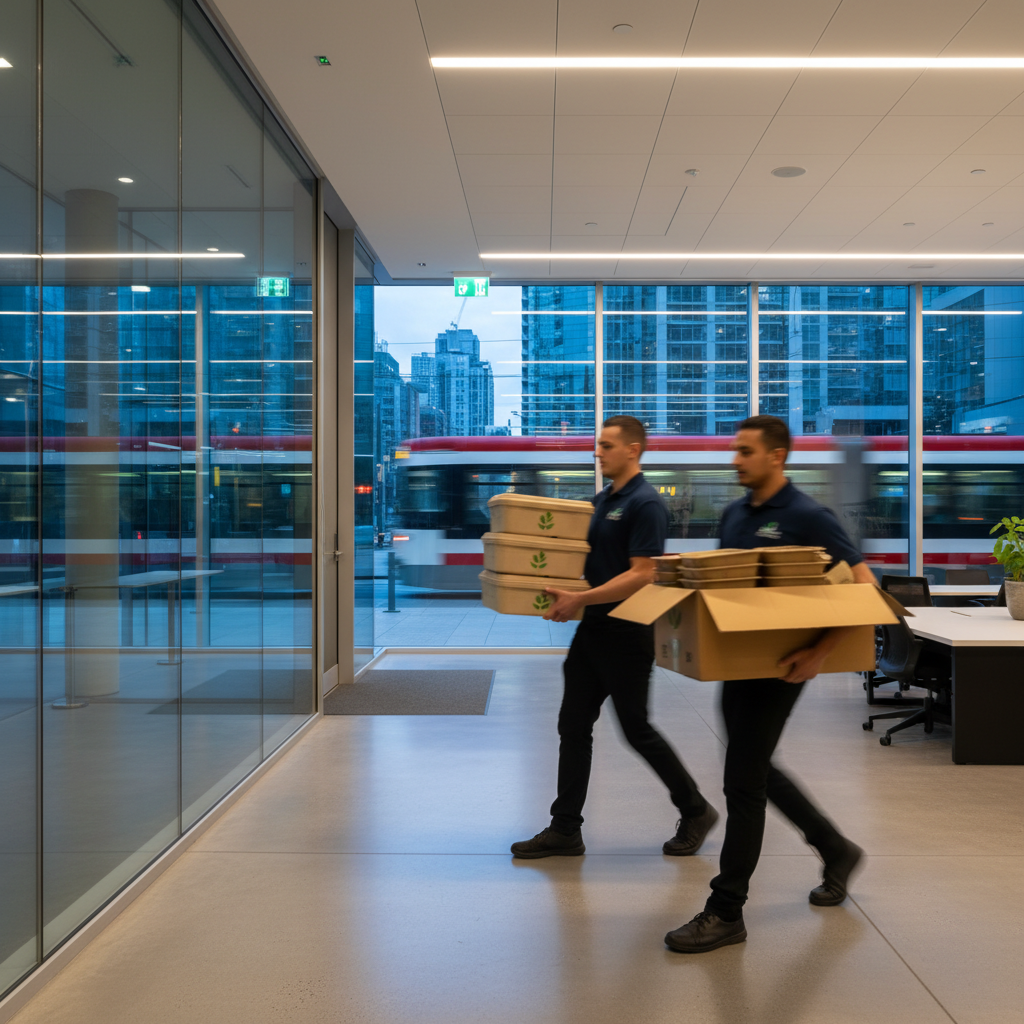
Lock in access details early: delivery path, elevator or stairs, staging space, and where lines will form. In Old Toronto, tight curbs and busy cross‑streets make arrival windows and contact phone numbers essential, especially for weekday lunch service.
We plan routes and staging to protect food quality and your schedule. For downtown offices and heritage venues, confirm the fastest path from curb to buffet and where to place hot boxes away from drafts.
- Delivery windows: Share building access times and security procedures.
- Staging area: Reserve a table or back room for gear, lids, and replenishment pans.
- Flow design: Map plates ➝ proteins ➝ toppings ➝ sides ➝ desserts to reduce backups.
Local considerations for Old Toronto
- Weekend events near Trinity Bellwoods Park can draw extra foot traffic—plan a few extra minutes for curbside unloading.
- Weather swings affect hot holding. In winter, keep doors closed near buffets; in summer, shade outdoor setups.
- For evening activations near The Bentway, confirm lighting and extension cords for safely supervised stations.
When you’re ready to specify details, we can scope this in a 10‑minute call starting from the Get a quote form.
Dietary Needs and Allergen Planning
Collect dietary needs up front and label everything in plain English. Ask for vegetarian, vegan, and gluten‑free options, and request allergen cards. Build lines so guests with restrictions can serve safely without cross‑contact risk.
Good allergen planning is the fastest way to make every guest feel welcome. It also reduces line‑level questions and keeps traffic moving.
- Menu structure: Separate protein pans, dedicate utensils, and place dairy-bearing toppings after core items.
- Clear labels: Use simple names and allergen icons or spelled‑out indicators guests can recognize at a glance.
- Packaged meals: For mixed‑diet groups, request individually packaged meals with printed labels.
According to the U.S. FDA, there are nine major food allergens recognized in the United States. If your guest list includes known allergens, ensure your caterer provides ingredient information and signage and helps guests avoid cross‑contact points in the line.
Food Safety and Holding Temperatures for Events
Keep hot foods at 140°F or warmer and cold items at 40°F or colder. Limit perishable food in the 40–140°F “danger zone” and refresh or reheat as needed. Assign a staff member to monitor temperatures throughout service.
Food safety is non‑negotiable. Clear expectations prevent the common pitfalls that cause leftovers to cool on tables or salsas to warm in crowded rooms.
- Hot holding: Chafing gear and replenishment keep proteins at ≥140°F.
- Cold holding: Ice baths or insulated pans keep crema, guacamole, and salads ≤40°F.
- Reheating: Build a plan to safely reheat any returned items for extended service.
Tools, Templates, and Resources
Use a one‑page checklist, a headcount tracker, a venue map for line flow, and a day‑of timeline. Share them with your caterer and venue so everyone works from the same plan and timing is clear.
- Printable checklist: Copy the questions in this guide into a one‑pager and bring it onsite.
- Headcount tracker: Track RSVPs and lock your final count 48–72 hours before service.
- Line map: Sketch plate pickup, proteins, toppings, sides, and dessert/final napkins.
- Day‑of timeline: Confirm delivery window, setup start, serve start, breaks, and breakdown.
- Menu planning: Explore buffet options and taco bars to match your guest mix.
Soft CTA: Want help filling these in? Share your basics through our Get a quote form and we’ll propose a menu, service style, and timeline that fit your space and schedule.
Case Studies and Real-World Scenarios
Real events show how these questions work. See how headcount accuracy, labeling, and arrival windows impact guest flow and satisfaction—and how a clear plan turns potential snags into smooth service.
Downtown office lunch (90 guests)
- Challenge: Tight 45‑minute lunch window; mixed dietary needs.
- Approach: Taco bar with two lines, vegetarian protein in a separate pan, dairy toppings last.
- Outcome: Both lines cleared in 22 minutes; labeled pans reduced questions and kept traffic moving.
Community picnic near Trinity Bellwoods Park (120 guests)
- Challenge: Outdoor heat affecting holding temperatures.
- Approach: Shade canopies, extra fuel for chafers, and backup ice for cold toppings.
- Outcome: Proteins maintained ≥140°F; cold toppings stayed crisp and safe through service.
Evening activation by The Bentway (150 guests)
- Challenge: Limited power and lighting.
- Approach: Early site walk, battery‑powered lighting, and pre‑portioned proteins.
- Outcome: Smooth guest flow; neat presentation under evening conditions.
For dessert‑forward events, we’ve also supported churros and fruit bars alongside savory builds. If you want a signature flavor, point us to your theme and we’ll suggest a match from our taco lineup (see a sample like al pastor).
Frequently Asked Questions
You’ll find crisp answers to the most common planning questions—timelines, headcounts, service styles, labeling, and safety. Each response is concise so you can make decisions quickly and keep your event on schedule.
When should I finalize my headcount?
Lock your final number 48–72 hours before service. This timing lets your caterer portion proteins, prepare sides, and schedule staff. It also protects food safety by matching hot holding and replenishment to the true guest flow.
What’s the best service style for a short lunch window?
Taco bars or buffets move the fastest for 50+ guests. Use two lines, place proteins first, and put dairy toppings last. Assign a staffer to guide flow and keep proteins hot (≥140°F) and cold items cold (≤40°F) during service.
How do I handle dietary restrictions?
Collect restrictions on the RSVP form and plan labeled vegetarian, vegan, and gluten‑free options. Separate pans and utensils minimize cross‑contact. Individually packaged meals with printed labels simplify service for mixed‑diet teams.
What are the food safety basics I should confirm?
Confirm hot holding at or above 140°F, cold holding at or below 40°F, covered trays during transport, and a plan for replenishment and cleanup. Decide who monitors temperatures and how leftovers will be handled safely.
Key Takeaways
Plan with intent: confirm portions, dietary labels, service style, delivery windows, and food safety roles. Document answers, share them with your venue, and lock your final headcount 48–72 hours before service for a smooth, satisfying event.
- Write down the answers to your questions to ask before Mexican catering.
- Choose a service style that matches your space and timeline.
- Label clearly and plan for allergens and cross‑contact.
- Assign a person to monitor hot/cold holding throughout service.
- Share your plan with venue staff and the catering lead.
Conclusion and Next Steps
Great Mexican catering comes from clarity. Ask the right questions, confirm roles and temperatures, and lock your headcount in time. The result is smooth service, happy guests, and food that tastes as good as it looks.
Ready to plan with La Rio’s? Start at our Catering page, explore a taco bar, or see buffet options. Share your basics via Get a quote and we’ll tailor a plan for your Old Toronto space and schedule.