Toronto Mexican Grill: Make Group Dinners Easy in 2026
Plan a Toronto Mexican grill for group meals with dine-in, takeout, or catering. Use platters, 2–3 proteins, and 48–72 hour planning for hot, on-time service.
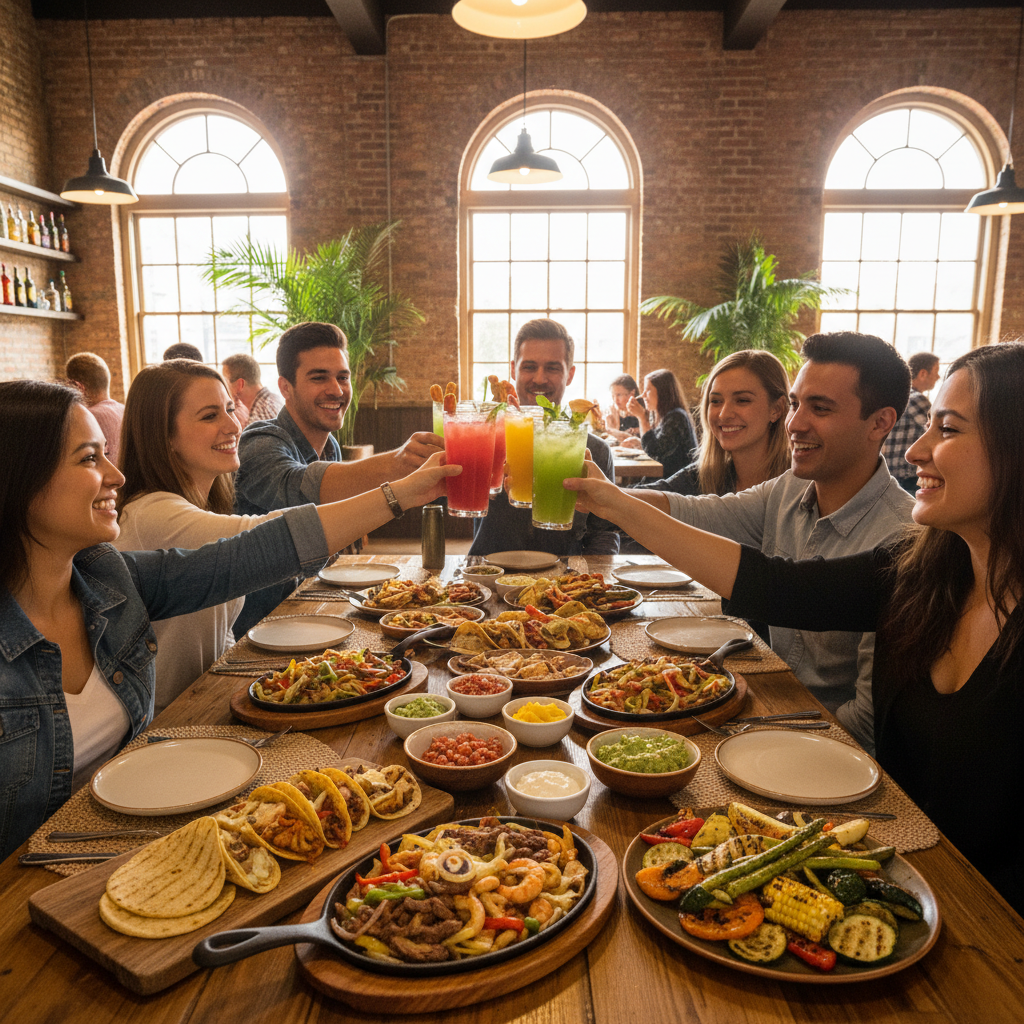
Toronto Mexican grill for group meals refers to planning family-style dining, platters, or catered spreads at a Mexican grill in Toronto to feed 8–50+ guests efficiently. At 746 Queen Street West in Old Toronto, La Rio’s Mexican Grill supports dine-in, takeout, and catering so your crew eats well, on time, and together.
By Sam Patel — Founder, La Rio’s Mexican Grill
Last updated: May 29, 2026
Plan Group Meals at a Toronto Mexican Grill (Overview)
Group dining at a Toronto Mexican grill works best with shared platters, a clear headcount, and a service format that fits your event—dine-in, takeout, or catering. La Rio’s Mexican Grill in Old Toronto coordinates menus, dietary needs, and timing so 8–50+ guests get hot, flavorful food without stress.
Hosting a crowd shouldn’t feel like a juggling act. This overview gives you a fast path to decide format, build a menu, and schedule service around your group’s flow.
- What you’ll learn
- How a Toronto Mexican grill for group meals is structured and what to expect
- When to choose dine-in, takeout, or catering—and how they compare
- Menu planning for mixed tastes and dietary needs without over-ordering
- Timeline, seating, and pickup/delivery logistics that keep meals on time
- Why this matters
- Shared platters reduce decision fatigue and speed up serving by 30–50 minutes in our experience
- Clear roles (host vs. restaurant) cut last‑minute changes and keep food hot at the table
- How to use this guide
- Scan comparison tables for fast decisions
- Copy checklists to your phone before calling or ordering
Quick Summary
Choose the format first: dine-in for celebrations, takeout for casual home sharing, and catering for offices or off-site events. Lock headcount, pick 2–3 proteins, and plan sides and sauces. Confirm timing and dietary notes 48–72 hours ahead so the kitchen sequences cooking for peak freshness.
Most Toronto groups we host run 8–24 guests. Two mixed-protein platters plus a taco or fajita add-on usually feed 10–12 people well, with room for seconds.
What Is a Toronto Mexican Grill for Group Meals?
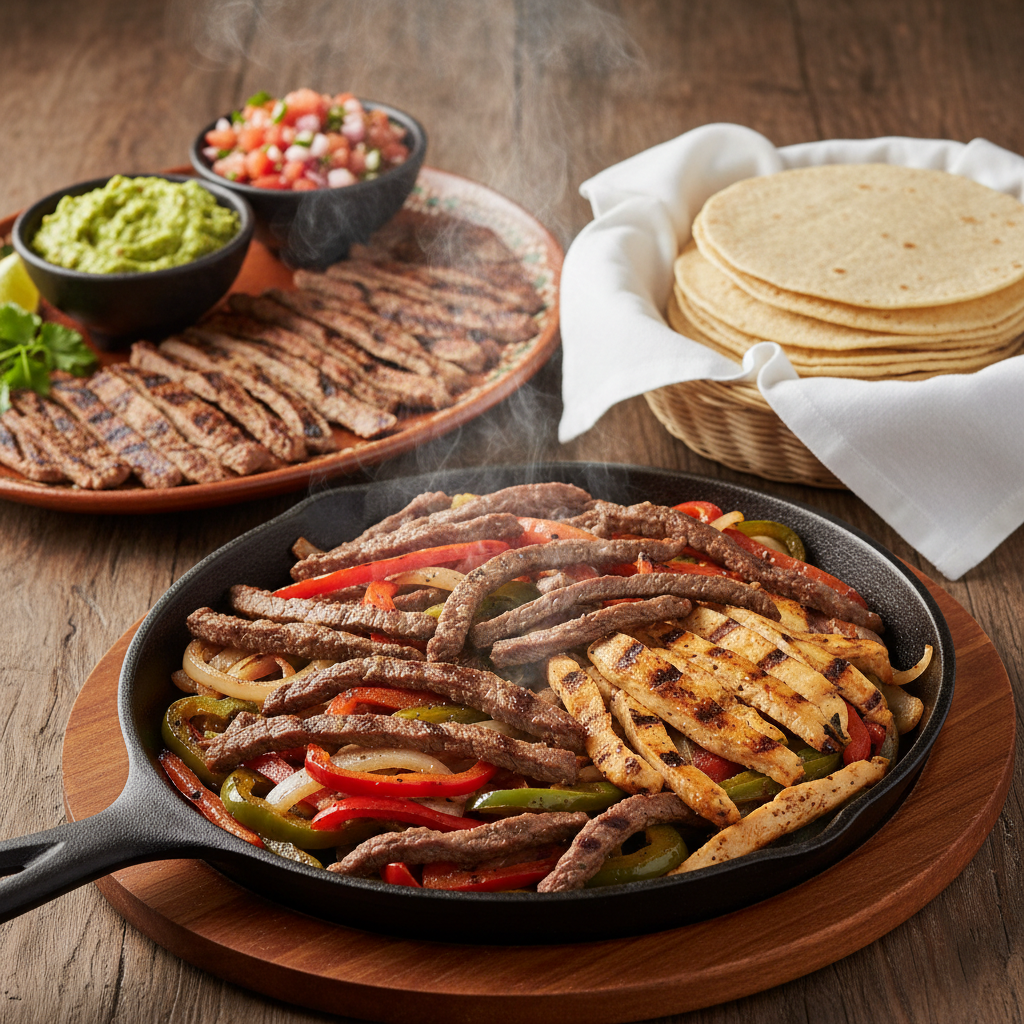
A Toronto Mexican grill for group meals is a restaurant set up to serve large parties with shared platters, coordinated courses, and streamlined pickup or catering. At La Rio’s Mexican Grill, we tailor platters, taco bars, and fajita spreads so mixed groups eat simultaneously with hot, consistent food.
Think “family-style meets smart logistics.” Instead of 20 single orders, the kitchen prepares larger, mixed-protein sets, warm tortillas, and sides to share. This format keeps food moving and tables happy.
- Core formats
- Dine-in: Hosted seating, coordinated rounds, and staff to pace service.
- Takeout: Secure packaging, easy pickup at 746 Queen St W, grouping per table.
- Catering: Chafing-ready trays, setup guidance, and hold‑warm strategies.
- Group sizes: 8–50+; common sweet spot is 10–24 for shared platters.
- Speed benefit: Consolidated ordering trims table time by one full course compared with à la carte.
For example, a 16‑person team alternating between fajitas and tacos eats in sync when served from two central platters. Warm tortillas, salsa flights, and grilled peppers keep everyone engaged while mains arrive.
Why Mexican Grill Group Meals Work in Old Toronto
Group meals at a Mexican grill thrive in Old Toronto because walkable venues, transit access, and diverse tastes meet shareable menus. La Rio’s central location lets hosts coordinate arrivals, while platters satisfy different eaters without slowing service or overcomplicating orders.
Old Toronto is dense, social, and schedule-sensitive. Teams blend dietary preferences, families juggle kids, and friends want variety. Shared platters keep momentum.
- Walkable meetups: Guests often arrive within 10–15 minutes of each other in the neighborhood.
- Mixed diets: It’s common to seat omnivores next to vegetarians and gluten‑sensitive guests.
- Time windows: Many groups aim for 90–120 minutes—ideal for coordinated family‑style service.
We see this pattern on Fridays: one table celebrating a milestone, another regrouping after an event, and a family coming from nearby Trinity Bellwoods Park. Shared platters keep energy high without micromanaging every entrée.
How Group Dining Works at La Rio’s
Successful group dining follows five steps: set headcount, choose service format, select 2–3 core proteins, add sides and salsa flights, and confirm timing with dietary notes. La Rio’s sequences the cook line so everything hits the table or pickup window at peak temperature.
Here’s our practical flow for smooth, on-time meals.
Five-step planning process
- Confirm headcount (8–50+). Add 5–10% buffer for late RSVPs.
- Pick a format: dine‑in for hosted celebrations; takeout for home sharing; catering for offices.
- Choose 2–3 proteins to anchor platters (e.g., chicken asado, carne asada, tofu sofritas).
- Add sides: rice, beans, fajita veggies, salsa trio, and warm tortillas.
- Lock timing + notes 48–72 hours out so the line schedules sears, grill space, and packaging.
What the kitchen sequences
- Grill plan: Proteins hit the grill in order of hold time to prevent drying.
- Staging: Tortillas warmed last; salsas portioned just before service.
- Packaging: For takeout/catering, vented lids on hot items; cold toppings separate for freshness.
In our experience, this sequencing keeps food above serving temperature for 30–45 minutes—plenty of time for welcome drinks and intros.
Dine-In vs. Takeout vs. Catering: What to Choose
Choose dine-in when you want hosted pacing and atmosphere, takeout for casual at‑home sharing, and catering when you need self‑serve flow for 15+ people. Match your format to location, group size, and how much setup support you need.
Use this quick comparison to align your event with the right service path.
| Scenario | Best Format | Why It Fits | Typical Group Size | Organizer Tips |
|---|---|---|---|---|
| Birthday or milestone | Dine‑in | Staffed pacing, lively atmosphere, easy refills | 8–20 | Book 1–2 weeks out; request adjacent tables for flexibility |
| Friends night at home | Takeout | Fast pickup, minimal setup, easy cleanup | 6–14 | Bring insulated bags; set a warming oven at low temp |
| Office lunch or all‑hands | Catering | Self‑serve line, steady flow, labeled components | 15–60 | Arrange a buffet lane and allergy-safe station |
| Mixed ages and diets | Platters (any format) | Customization at the table, fewer special orders | 8–24 | Include a vegetarian anchor and gluten‑friendly options |
Menu Strategies and Dietary Accommodations
Anchor your menu with 2–3 proteins, then layer sides and salsa flights. Offer at least one vegetarian or vegan option, gluten‑friendly tortillas, and clear labeling. This mix keeps omnivores happy while making dietary guests comfortable without separate orders.
Build your spread around shareable mains and balance heat levels for wider appeal.
- Anchor proteins: Choose a grilled chicken, a beef or steak, and a plant-based option.
- Shareable favorites: Fajita veggies, rice, beans, tortillas, and a salsa trio.
- Heat balance: Offer mild to medium as default; provide a spicy salsa on the side.
- Labeling: Mark vegetarian, vegan, and gluten‑friendly items clearly for self‑serve lines.
Looking for ideas? Explore popular items on our site like shrimp tacos, chicken asado tacos, ground beef tacos, and tofu sofritas tacos. For vegetarian platters, guests often pair tofu sofritas quesadillas with fajita veggies and guacamole. Meat‑eaters love a round of ground beef quesadillas.
In mixed groups of 12, we see success with two mixed-protein platters plus one taco add‑on—enough for seconds without too many leftovers.
Logistics, Lead Times, and Seating
Lock headcount and dietary notes 48–72 hours ahead, and confirm seating or pickup times. For dine‑in, plan 90–120 minutes and ask for adjacent tables. For takeout or catering, bring insulated bags and stage a serving lane before food arrives.
Small logistics save stress. A few confirmations help meals run on time and stay hot.
- Lead times: 48 hours for takeout platters; 72 hours for larger catering trays.
- Arrival window: Staggered arrivals by 10 minutes preserve heat for first plates.
- Seating: If you have kids or elders, seat them near the platter center for easy access.
- Pickup: Use 746 Queen St W entrance; call ahead if you need curbside handoff.
Local considerations for Old Toronto
- Weekend afternoons near Trinity Bellwoods Park bring foot traffic—plan a few extra minutes for arrivals and street parking.
- Winter and early spring can be slushy; ask for sturdier packaging and add 10 minutes to your pickup buffer for safe handling.
- During event nights at Fort York National Historic Site, book dine‑in earlier and consider a takeout or catering fallback if schedules shift.
Best Practices for Hosts and Organizers
Keep decisions simple, label dietary items, and assign one point person to coordinate with the restaurant. Share serving order in advance: proteins first, then toppings and salsas. This rhythm clears lines faster and prevents sauce bottlenecks.
Good hosting is about sequence and clarity. A smooth line equals happier guests.
- One coordinator: Centralize questions and changes through a single host.
- Pre-announce servings: “Protein → tortillas → toppings → salsa” reduces re‑circling.
- Stations matter: Separate hot items from cold toppings to protect texture.
- Allergy signage: Put small tent cards in front of potential allergens.
- Refill plan: Hold one platter in reserve to prevent a late rush.
In our experience, these habits trim 5–10 minutes per 20 guests at the buffet line, which keeps meetings and celebrations on track.
Planning Tools and Helpful Resources
Use a short checklist, a shared group chat, and a clear headcount sheet. For office events, create a one-line-per-guest dietary tracker. Reference local catering guides for room setup ideas and service sequencing.
Build a simple toolkit so details don’t get lost.
- Per‑guest tracker: Name, dietary notes, and RSVP status in one sheet.
- Prep checklist: Serving utensils, liners, napkins, and trash setup near the buffet end.
- Room map: Mark the buffet lane, beverage station, and seating clusters.
- Skim this corporate catering guide for Toronto for setup inspiration and flow ideas.
For taco‑focused events, you can also review a taco bar catering overview to visualize portions and component planning before you order.
Mini Case Studies and Real Examples
Small planning tweaks—like anchoring two proteins and staging a salsa bar—consistently improve speed and satisfaction. These three real-world scenarios show how groups of different sizes used La Rio’s dine‑in, takeout, and catering to keep meals hot and everyone fed.
We anonymized details but kept the operational patterns clear so you can reuse them.
1) Friday birthday dinner, 14 guests (dine‑in)
- Goal: Celebrate without juggling 14 custom entrées.
- Plan: Two mixed-protein platters (chicken asado + beef), fajita veggies, salsa trio, warm tortillas.
- Timing: 6:30 PM seating; food staged in two rounds to keep tortillas warm.
- Result: Plates out within 20 minutes; guests spent more time toasting than ordering.
2) Friends movie night, 10 guests (takeout)
- Goal: Easy shareable dinner with minimal cleanup.
- Plan: One mixed-protein platter + taco add‑on, extra tortillas, guacamole, pico de gallo.
- Timing: Pickup 25 minutes before showtime; insulated bag kept items hot.
- Result: Everyone built plates in 10 minutes; zero serving bottlenecks.
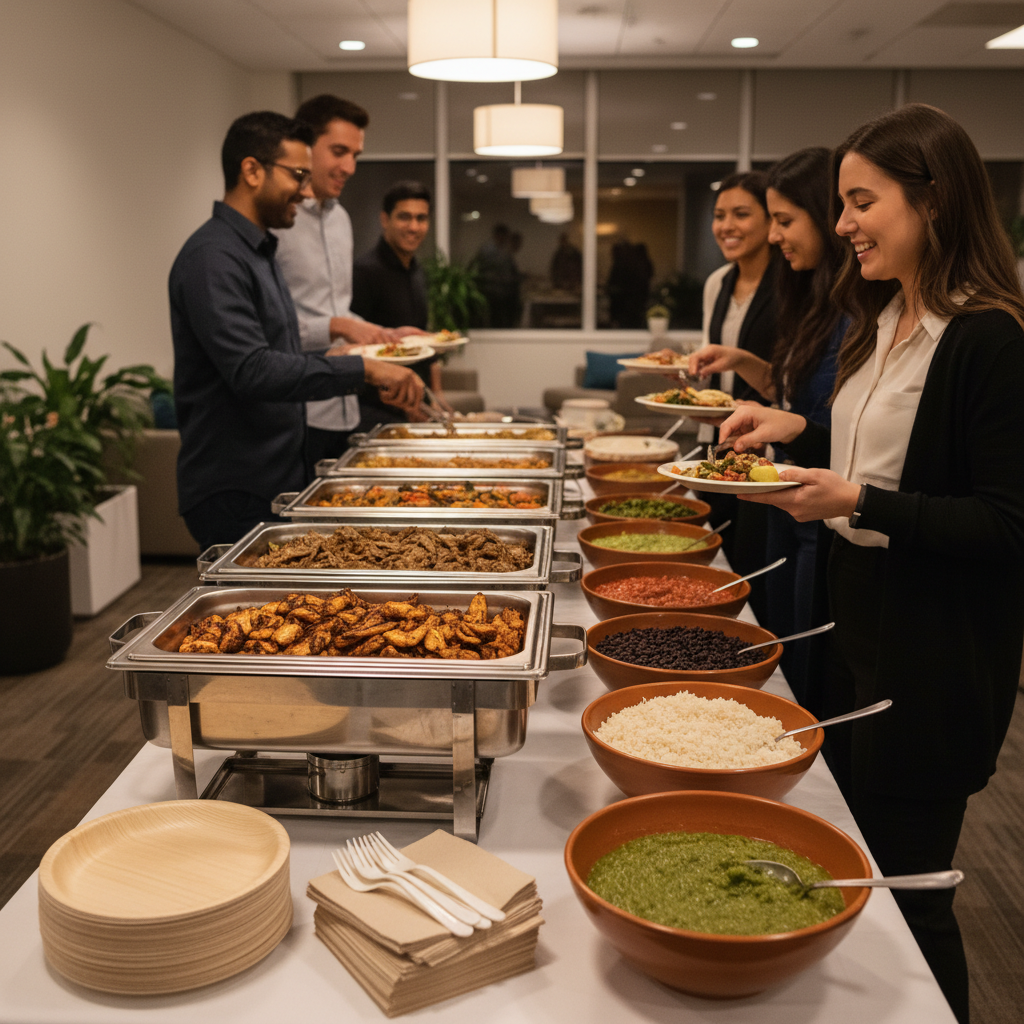
3) Monthly all‑hands, 32 attendees (catering)
- Goal: A 20‑minute self‑serve line and 40‑minute meal block.
- Plan: Chafing trays with chicken and veggie anchors, rice, beans, salsa bar, gluten‑friendly tortillas.
- Timing: Delivery synced to meeting break; trays staged in a straight line.
- Result: Line cleared in 18 minutes; attendees returned to agenda on time.
Frequently Asked Questions
Plan 48–72 hours ahead, anchor 2–3 proteins, and clarify dietary needs early. Use self‑serve lines for 15+ guests or family‑style platters for tables of 8–12. For takeout and catering, stage your serving lane before food arrives to protect heat and flow.
How far in advance should I book a group dinner?
For dine‑in, 1–2 weeks helps secure ideal times; 48–72 hours is a practical minimum for coordinated platters. For takeout and catering, confirming headcount and dietary notes 48–72 hours out lets the kitchen schedule grills and packaging for peak freshness.
What’s the easiest menu for mixed diets?
Choose 2–3 anchors: a grilled chicken, a steak or beef, and a plant‑based option like tofu sofritas. Add rice, beans, fajita veggies, and a salsa trio. Keep spicy salsas on the side. Label vegetarian, vegan, and gluten‑friendly items so everyone can build their plate confidently.
Is catering better than dine‑in for larger groups?
For 15+ people on a tight schedule, catering usually runs smoother because self‑serve lines move faster than individual service. Dine‑in shines for celebrations and ambiance. If you have speeches or demos, catering keeps timing predictable and minimizes interruptions.
How do I keep takeout hot for a group?
Bring insulated bags, pre‑warm your oven on low, and open packaging just before serving. Stage a simple line—proteins first, then tortillas and toppings—so guests plate up quickly. Keep salsas and cold toppings separate until it’s time to eat to protect texture.
Conclusion and Next Steps
Decide on dine‑in, takeout, or catering first; then lock headcount, 2–3 proteins, and sides. Confirm timing and dietary notes 48–72 hours ahead. With that, your group meal runs on schedule and tastes great from first plate to last.
Ready to plan? We’re here to help organize a smooth, memorable meal at 746 Queen St W.
- Key takeaways
- Format first: dine‑in for hosted vibe; takeout for home; catering for 15+.
- Anchor 2–3 proteins; balance heat; label dietary options.
- Confirm 48–72 hours out to protect temperature and timing.
- Action steps
- Gather headcount and dietary notes today
- Skim our menu anchors and choose 2–3 proteins
- Decide on dine‑in, takeout, or catering and share preferred timing
Soft CTA: Planning an office lunch or family celebration? Tell us your headcount and timing—we’ll recommend the right platter mix and packaging so service is seamless.
For buffet setups and self‑serve ideas, you can browse this sample buffet component to visualize portions and flow before you order.