Mexican Catering: Know What Drives Prices in 2026
Learn what affects Mexican catering pricing in Toronto—menu mix, headcount, service style, logistics, and timing—so you can plan a hot, on-time taco bar.
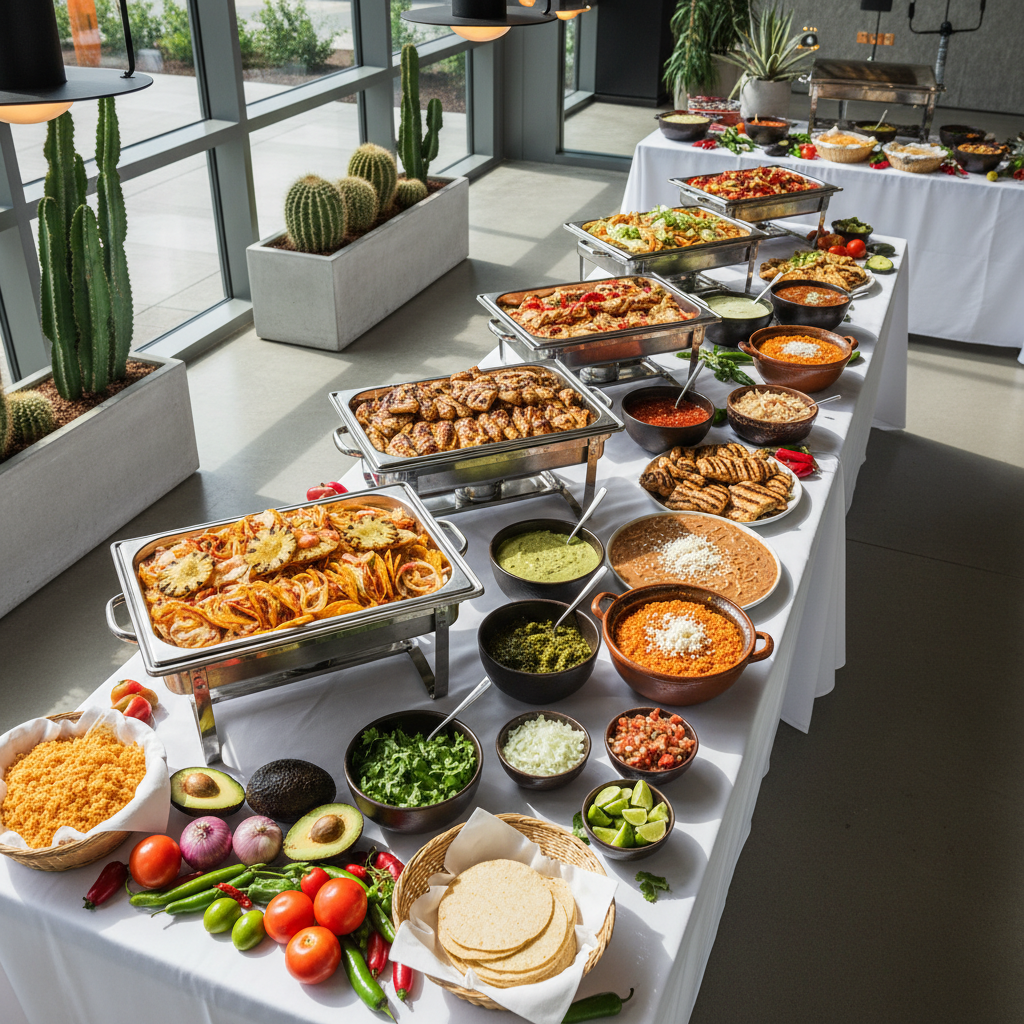
What affects Mexican catering pricing? It’s the mix of menu choices, headcount, service style, staffing, logistics, and timing. For La Rio’s Mexican Grill at 746 Queen Street West in Old Toronto, quotes reflect portions, equipment, venue rules, and dietary needs. Understand these inputs, and you can shape a menu that fits your event and goals.
By Sam Patel • Last updated: May 6, 2026
Quick Summary and Table of Contents
Mexican catering pricing is driven by five levers: guest count, menu mix, service style, logistics, and lead time. Adjusting portions, proteins, and staffing can align quality with your budget. Use this table of contents to jump to the sections that answer your biggest planning questions.
- What is Mexican catering pricing?
- The core pricing drivers
- How pricing works in Toronto and Old Toronto
- Service styles compared
- Step-by-step: from inquiry to event day
- Best practices to get strong value
- Tools and resources
- Case studies and examples
- Frequently Asked Questions
- Conclusion and key takeaways
What is Mexican catering pricing?
Mexican catering pricing is the total investment for food, staffing, equipment, and logistics to serve your guests safely and on time. It reflects menu complexity, portions per person, service style, setup constraints, and lead time. Tuning these levers tailors the experience without sacrificing quality.
Let’s define the moving parts. Catering quotes combine food production, packaging, transport, on-site setup, service, and cleanup. The mix changes depending on whether you choose a taco bar, buffet, family-style trays, or individually packaged meals.
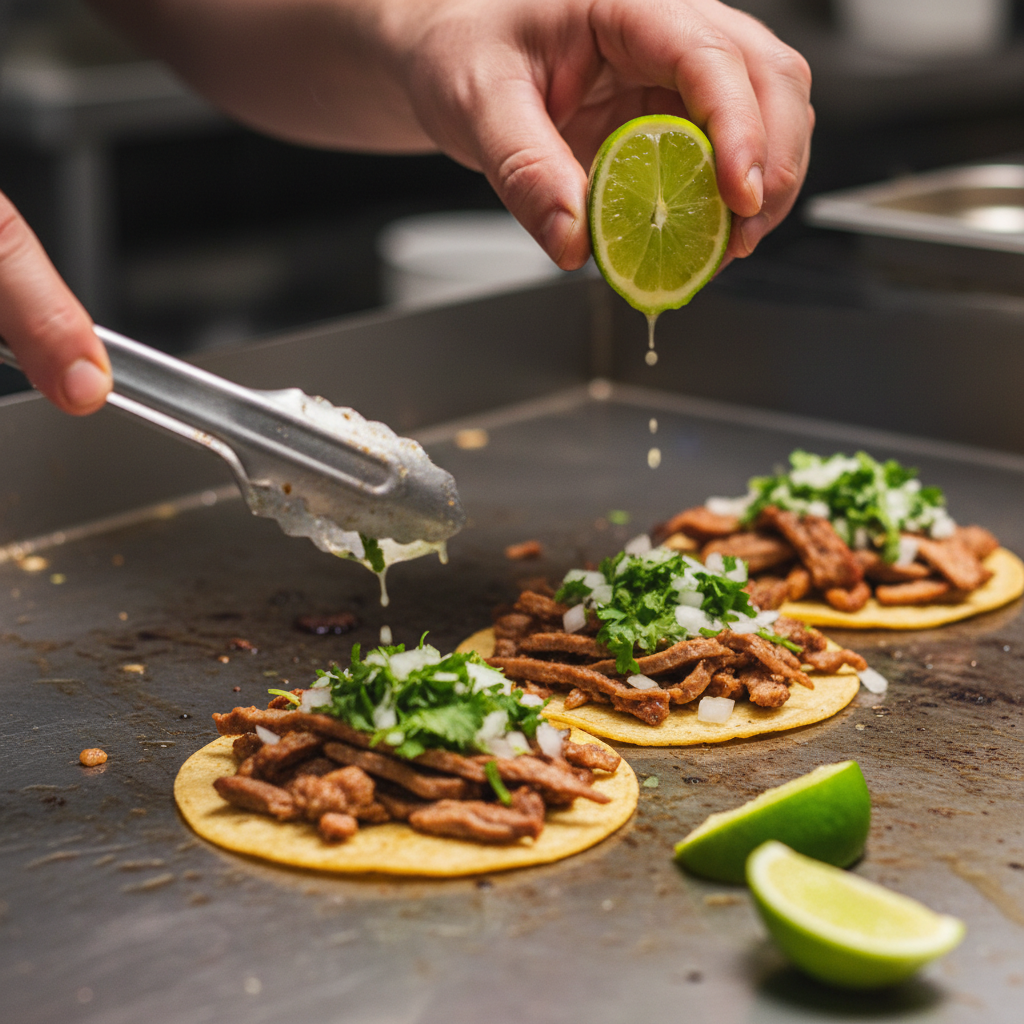
- Food production: proteins, sides, salsas, toppings; typical planning uses 3–4 ounces of cooked protein per guest for tacos.
- Packaging and equipment: trays, chafers, burners, insulated carriers; quantities scale with headcount and menu variety.
- Delivery and setup: route time, load-in complexity, elevator access, and venue restrictions.
- Service: drop-off only, attended buffet, or on-site grill; staffing and time windows drive labor needs.
- Compliance: food safety handling, allergen separation, and venue certifications as required.
Here’s the reality: the same headcount can require different prep and labor depending on menu choices and venue rules. That’s why clear scope beats guesswork.
The core drivers of Mexican catering pricing
The biggest drivers are headcount, menu mix (proteins and sides), service style, logistics, and special accommodations. Clarifying these early lets you right-size portions, staffing, and equipment so quality stays high and waste stays low.
In our experience, these five inputs shape every quote. If you align them with your goals, the plan nearly builds itself.
1) Guest count and portions
- Headcount bands: Portioning typically plans 2–3 tacos per person with 3–4 ounces cooked protein each; add 10–15% buffer for hungry groups.
- Demographics: Lunch crowds often eat lighter than evening gatherings by 10–20%.
- Event length: Two-hour windows need less replenishment than four-hour open houses.
Concrete example: A 60-person office lunch in Toronto may need 180 tacos, 12–15 pounds cooked protein, and 6–8 pans of sides to keep lines moving and plates consistent.
2) Menu mix and proteins
- Protein variety: Grilled chicken, al pastor, ground beef, and shrimp require different prep times and yields. Adding premium seafood increases prep complexity.
- Dietary coverage: Include a plant-based option to cover 10–20% of guests in most offices.
- Side balance: Beans, rice, and salads help stabilize portions and reduce entrée overages by 5–10%.
Planning tip: When you offer three proteins, most guests sample two. Balance quantities to avoid running short on the most popular choice.
3) Service style
- Drop-off buffet: Efficient for 20–150 guests; requires serving utensils, chafers, and clear labeling.
- Attended buffet: Adds staff to portion consistently and speed lines; useful for 100+ or formal programs.
- On-site grill: Live cooking elevates experience; needs ventilation-friendly spaces and more time for setup/teardown.
We help you match style to goals. For team-building, a taco bar encourages interaction. For trainings, individually packaged meals keep schedules tight.
4) Logistics and venue rules
- Access plan: Stairs, elevators, loading docks, and distance from parking impact setup time by 15–30 minutes.
- Venue compliance: Certificates of insurance, vendor approvals, and food-safe surfaces are common requirements.
- Utilities: Power outlets and tables determine equipment choices and safe holding temperatures.
Example: A classroom-style layout with narrow aisles may need two serving lines to keep wait times under 8–10 minutes for 100 guests.
5) Lead time and seasonality
- Peak dates: Summer Fridays and December holidays book fastest; plan 3–6 weeks ahead for large groups.
- Short notice: With 48–72 hours, menu flexibility helps us confirm reliable portions and staffing.
- Weather: Outdoor events need wind guards and thermal carriers to maintain safe temperatures.
Early alignment lets us secure equipment, schedule team members, and confirm vendor paperwork without last-minute risk.
How pricing works in Toronto and Old Toronto
In Old Toronto, delivery routes, building access, and venue rules strongly influence catering logistics. For La Rio’s near Trinity Bellwoods Park, accurate load-in details, elevator access, and table availability help us plan staffing and equipment precisely.
Local context matters. Dense blocks, event spaces with limited loading, and tight elevators change setup times and the number of team members required on-site.
- Travel windows: Downtown traffic can add 10–20 minutes per mile during rush hours; we pad timelines to hold food safely.
- Permits and approvals: Some venues request vendor COIs or pre-registered access—sharing this early avoids delays at the door.
- Space planning: A single 6-foot buffet table serves ~40 guests per 10-minute interval; two lines halve the wait.
When you confirm headcount and arrival windows, we can match the right number of warmers, servers, and lines so guests eat on time and food quality shines.
Local considerations for Old Toronto
- For outdoor picnics near Trinity Bellwoods Park, wind and shade planning keep chafers stable and food at safe temperatures; bring weights and thermal carriers.
- Summer events see higher foot traffic and street congestion; book earlier and add 15–20 minutes of buffer for load-in and parking.
- Historic venues like Fort York National Historic Site may have strict access paths; share maps and table counts so we pre-stage equipment efficiently.
Service styles compared: drop-off, full-service, on-site grill
Choose service style based on guest count, format, and venue. Drop-off is efficient for straightforward lunches, full-service speeds lines and presentation, and on-site grilling creates a show. Each style changes staffing, setup time, and equipment—key elements behind your quote.
Here’s a practical comparison to help you decide which experience fits your agenda and space.
| Factor | Drop-off Buffet | Full-Service Buffet | On-Site Grill |
|---|---|---|---|
| Staffing | Delivery + setup | Delivery + setup + servers | Chef(s) + servers |
| Setup time | 30–45 minutes | 45–75 minutes | 60–120 minutes |
| Equipment | Chafers, utensils | Chafers, utensils, sneeze guards | Grill/plancha, ventilation-friendly area |
| Venue fit | Offices, trainings | Conferences, weddings | Outdoor or ventilated areas |
| Guest flow | Self-serve | Guided, faster lines | Made-to-order queue |
| Experience boost | Practical | Elevated presentation | Live-cooking "wow" factor |
If you’re exploring a build-your-own taco bar, see menu planning ideas in this overview of buffet-style Mexican catering for portioning tips and layout basics.
Step-by-step: from inquiry to event day
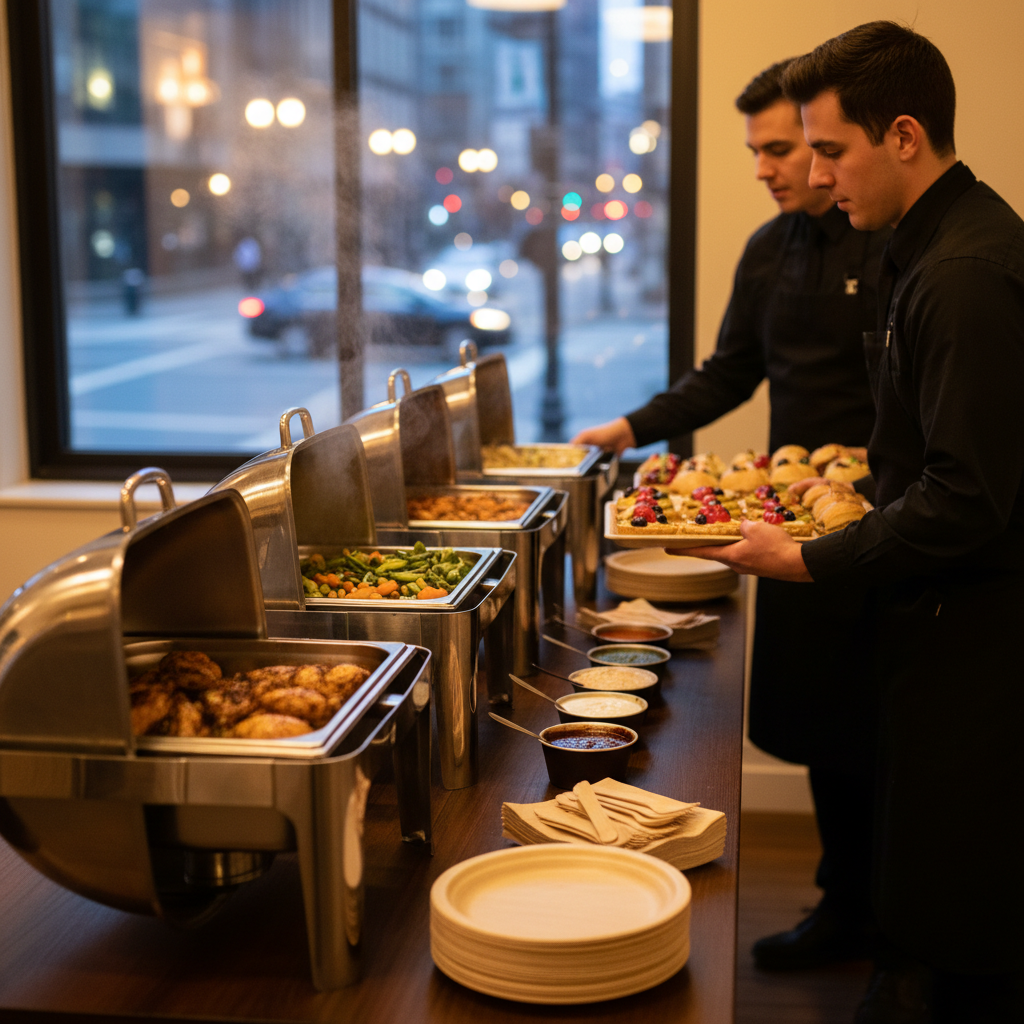
A reliable catering plan moves through five steps: discovery, menu shaping, logistics confirmation, final headcount, and execution. Clear milestones lock in portions, staffing, and timing so food arrives hot and guests are served within 8–10 minutes per line.
- Discovery (5–10 minutes): Goals, headcount range, date/time, dietary needs, venue address, and service style preferences.
- Menu shaping (24–48 hours): Choose proteins and sides; aim for three proteins to cover tastes and one plant-based option.
- Logistics confirmation (next 1–3 days): Tables, power, load-in path, and any venue documents; align on setup start time.
- Final headcount (3–7 days out): Lock quantities, labels, and staffing; add 5–10% buffer for walk-ins.
- Execution (event day): On-time arrival, hot-holding verification, line management, replenishment plan, and tidy breakdown.
Want help translating goals into a menu? Start a quick brief from our catering page and we’ll respond with a tailored plan.
Free menu planning consult: Share your headcount, venue, and dietary notes. We’ll send a tailored outline and timeline. When you’re ready, request details through get a quote for catering.
Best practices to get strong value
Define must-haves, pick a balanced menu, and match service style to your agenda. Portion with data, not guesses; plan two serving lines for 100+ guests and add a plant-based entrée for 10–20% of attendees. These moves protect quality and predictability.
Portioning and variety
- Estimate 2–3 tacos per person; lighter office lunches skew closer to two, evening socials to three.
- Keep one plant-based protein to cover common preferences without overcomplicating prep.
- Use sides like rice and beans to stabilize portions; this reduces entrée variance by 5–10%.
Line speed and labeling
- Each staffed line serves ~100–120 people per hour; add a second line beyond 100 guests.
- Group toppings by flow: warm items first, then cool salsas; it cuts per-plate time by ~10–15 seconds.
- Clear allergen labels prevent cross-contact and reduce questions, keeping lines moving.
Service style alignment
- Trainings and panels: consider individually packaged meals to start on schedule.
- Team socials: a taco bar encourages mingling and lets guests customize.
- Outdoor events: confirm shade, wind guards, and stable surfaces for chafers.
For ready-to-serve options on tight timelines, check our individually packaged catering lineup.
Tools and resources
Use simple calculators, checklists, and venue diagrams to lock in portions, lines, and equipment. Templates prevent last-minute surprises and standardize quality across events, whether you’re serving 20 or 300 guests.
- Guest-to-portion calculator: Start with 3–4 ounces cooked protein per person; adjust by time of day and audience.
- Venue diagram: Sketch traffic flow—2 lines for 100+ guests, with 8–10 feet between for circulation.
- Allergen checklist: Identify common allergens early and plan for dedicated utensils and serving pans.
- Run of show: Build a minute-by-minute plan from arrival to breakdown; aim for food live 10–15 minutes before start.
For planning insights tailored to downtown teams, this corporate catering guide for Toronto outlines timeline tips and agenda patterns that keep meetings on track.
Case studies and examples
Real events in Toronto show how headcount, menu variety, and logistics interact. These snapshots illustrate how small planning choices—second lines, balanced proteins, and clear labels—keep quality consistent and on-time.
Office lunch, 60 guests, Queen Street West
- Goal: Fast service within a 45-minute window.
- Plan: Drop-off taco bar with grilled chicken, al pastor, and a plant-based option; two lines; labels printed.
- Outcome: Guests moved through in ~8 minutes per line; zero stockouts thanks to balanced protein split.
Outdoor team social, 120 guests, near Trinity Bellwoods
- Goal: Casual vibe with a “wow” factor.
- Plan: On-site grill with staggered batches; wind guards, shade, and thermal carriers pre-staged.
- Outcome: Hot, made-to-order tacos; steady 100+ plates per hour with a short queue and consistent quality.
Training day, 80 guests, classroom setup
- Goal: No lines; return to seats on time.
- Plan: Individually packaged bowls labeled by protein; drop-off with precise arrival window.
- Outcome: Distribution finished in 10 minutes; zero confusion on allergens; schedule kept to the minute.
Curious how a taco bar might fit your venue? Explore layout examples in our taco bar catering overview for setup and flow ideas.
Frequently Asked Questions
These quick answers cover menu planning, dietary needs, and logistics. They focus on quality, safety, and timing—core elements that influence Mexican catering plans and guest experience.
How many tacos should I plan per person?
Plan 2–3 tacos per guest with 3–4 ounces of cooked protein each. Lighter lunches usually need two, while evening socials trend toward three. Include sides like beans and rice to keep portions steady across the group.
What service style is best for office meetings?
For tight agendas, individually packaged bowls or burritos minimize lines and keep sessions on time. For open-house formats, a staffed taco bar speeds flow and gives guests customization without slowing the queue.
How do you handle allergies and dietary preferences?
We separate prep surfaces and utensils, label items clearly, and recommend at least one plant-based entrée. Tell us about allergens early so we can plan dedicated serving pans and maintain safe separation at the buffet.
What affects Mexican catering pricing the most?
Headcount, menu mix (especially premium proteins), service style, and logistics. Lead time also matters because it determines staffing and equipment availability. Clarifying these factors early helps us deliver a precise, reliable plan.
How far in advance should I book?
For peak dates, aim for 3–6 weeks in advance, especially for larger groups or on-site grilling. For smaller weekday lunches, 3–5 business days often works if you’re flexible on menu mix and delivery windows.
Conclusion and key takeaways
You influence your catering quote through five choices: headcount, menu mix, service style, logistics, and lead time. Lock the plan with clear scope, portion data, and a realistic setup window. That’s the formula for hot, on-time, crowd-pleasing Mexican food.
- Define scope early: headcount, arrival window, tables, power, and access.
- Balance proteins: include one plant-based option and rely on sides to steady portions.
- Match service style: packaged meals for schedules; taco bar for interaction; on-site grill for experience.
- Design for flow: two lines for 100+ guests; clear labels to reduce questions.
- Use templates: calculator, diagram, allergen checklist, and run of show.
Ready to start planning? Browse our catering options and send a brief via get a quote. We’ll tailor a menu to your space, schedule, and guest list—so every plate hits the mark.